





 Portuguese
  English
  Spanish
  6 min of reading
  1 comment


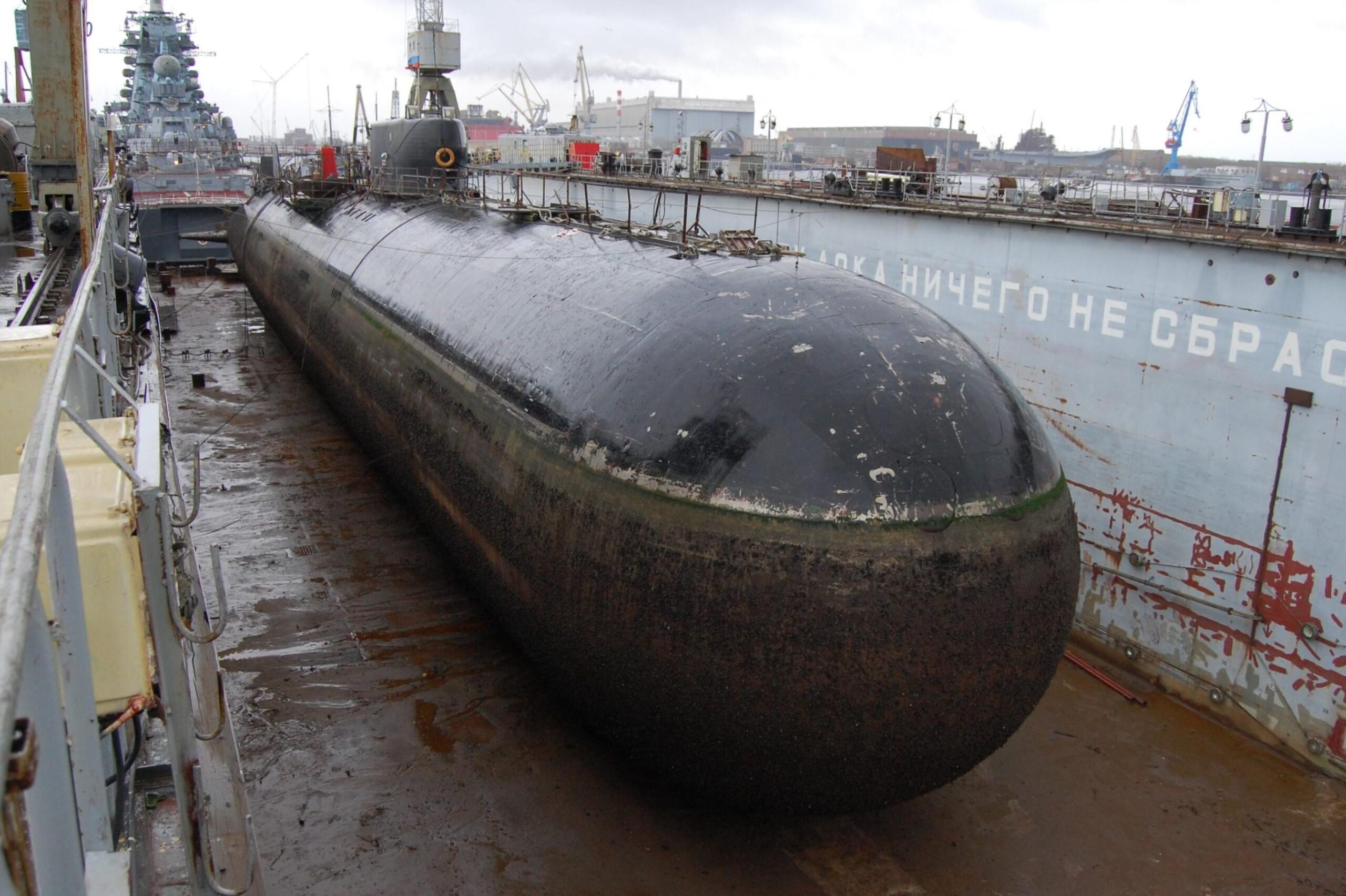


With A Titanium Hull And A Record Speed Of 44.7 Knots, The Soviet Submarine K-222 Was The Fastest Ever Built And One Of The Most Extreme Projects Of The Cold War.
The K-222 holds a unique place in the history of naval engineering and submarine warfare. No other submarine, before or after, achieved the combination of extreme speed, structural innovation, and technical audacity that defined the Project 661, internally known by the codename Anchar. Built in the midst of the Cold War, the K-222 was not designed to be silent, cheap, or replicable. It was designed to be fast — faster than anything that had ever crossed the oceans submerged.
Its speed record, officially recorded at 44.7 knots, remains unbeaten decades later. More than an isolated feat, the K-222 was the materialization of a specific military doctrine, born from Soviet fears of American aircraft carriers’ dominance and the need to create a radical means to neutralize them.
The Strategic Context Of The Cold War That Gave Rise To Project 661
During the 1950s and 1960s, the Soviet Union watched with concern the expansion of the United States Navy. Carrier battle groups began operating as mobile platforms of air power, capable of projecting force in virtually any region of the planet. For Soviet strategists, these fleets represented a direct threat to nuclear deterrence and national security.
-
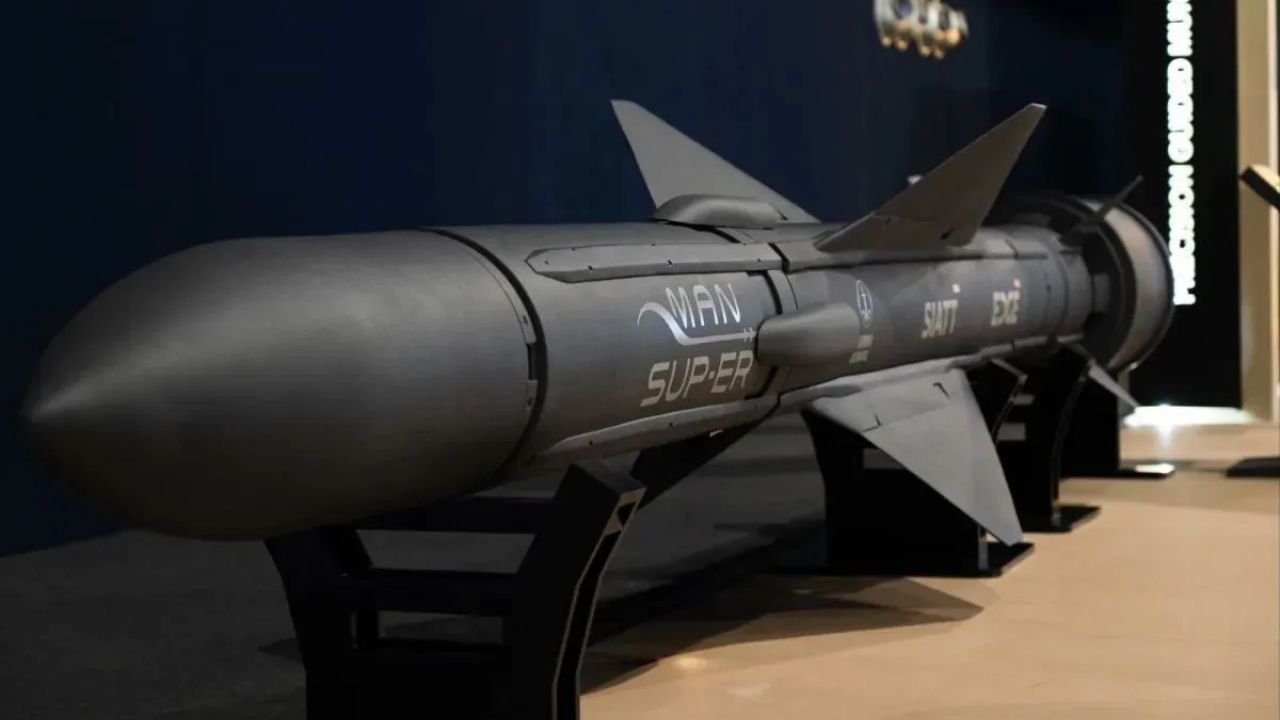
Brazil accelerates the evolution of the MANSUP missile, designing an air-surface version with a range exceeding 200 km, advanced guidance, and precision strike capability against land and naval targets, paving the way for a new generation of national armaments with global potential.
-
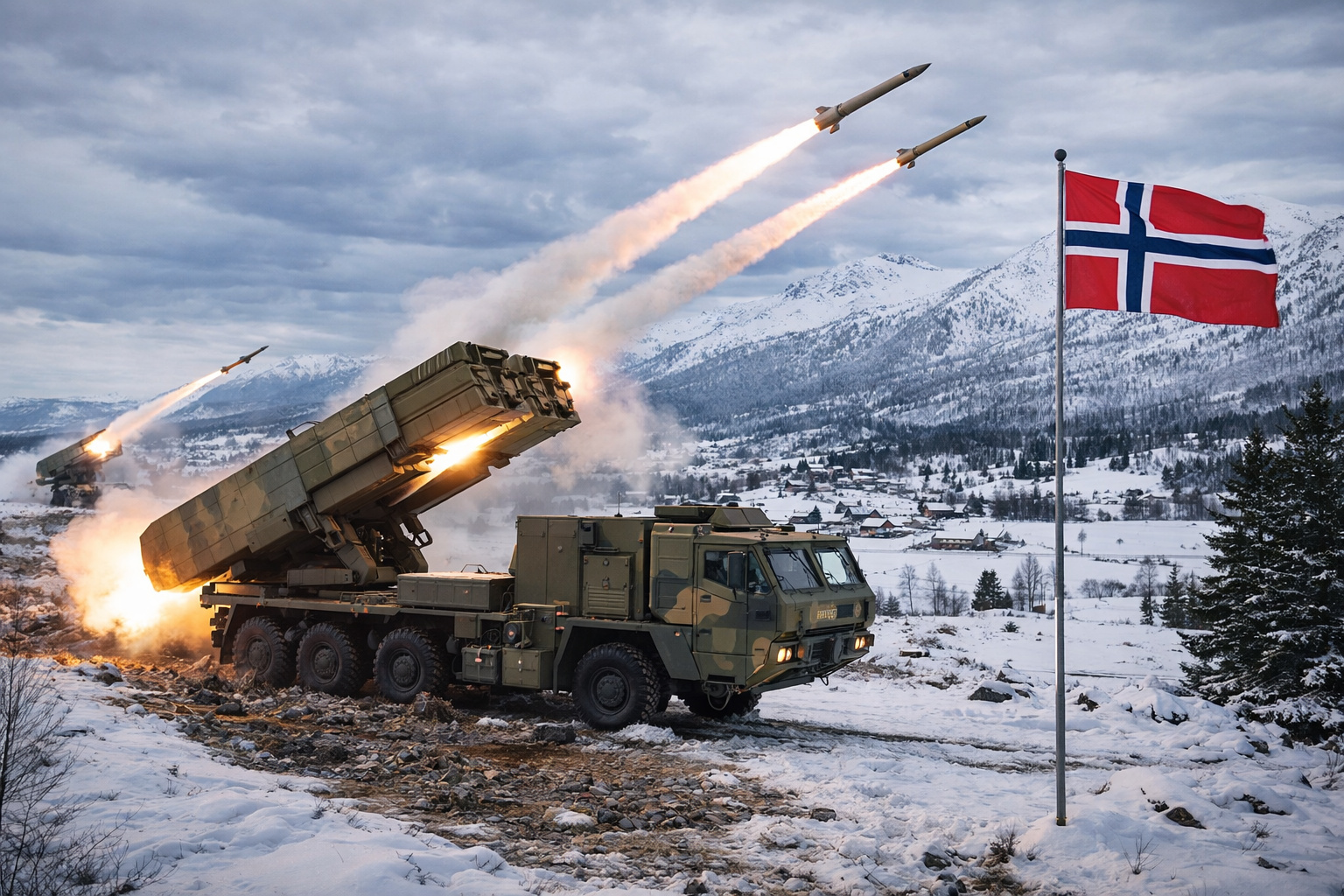
South Korea signs a $922 million deal with Norway, bringing Chunmoo launchers capable of firing guided missiles up to 290 km with an accuracy of 15 meters to Europe and turning the system into a key component of the new global race for precision artillery.
-
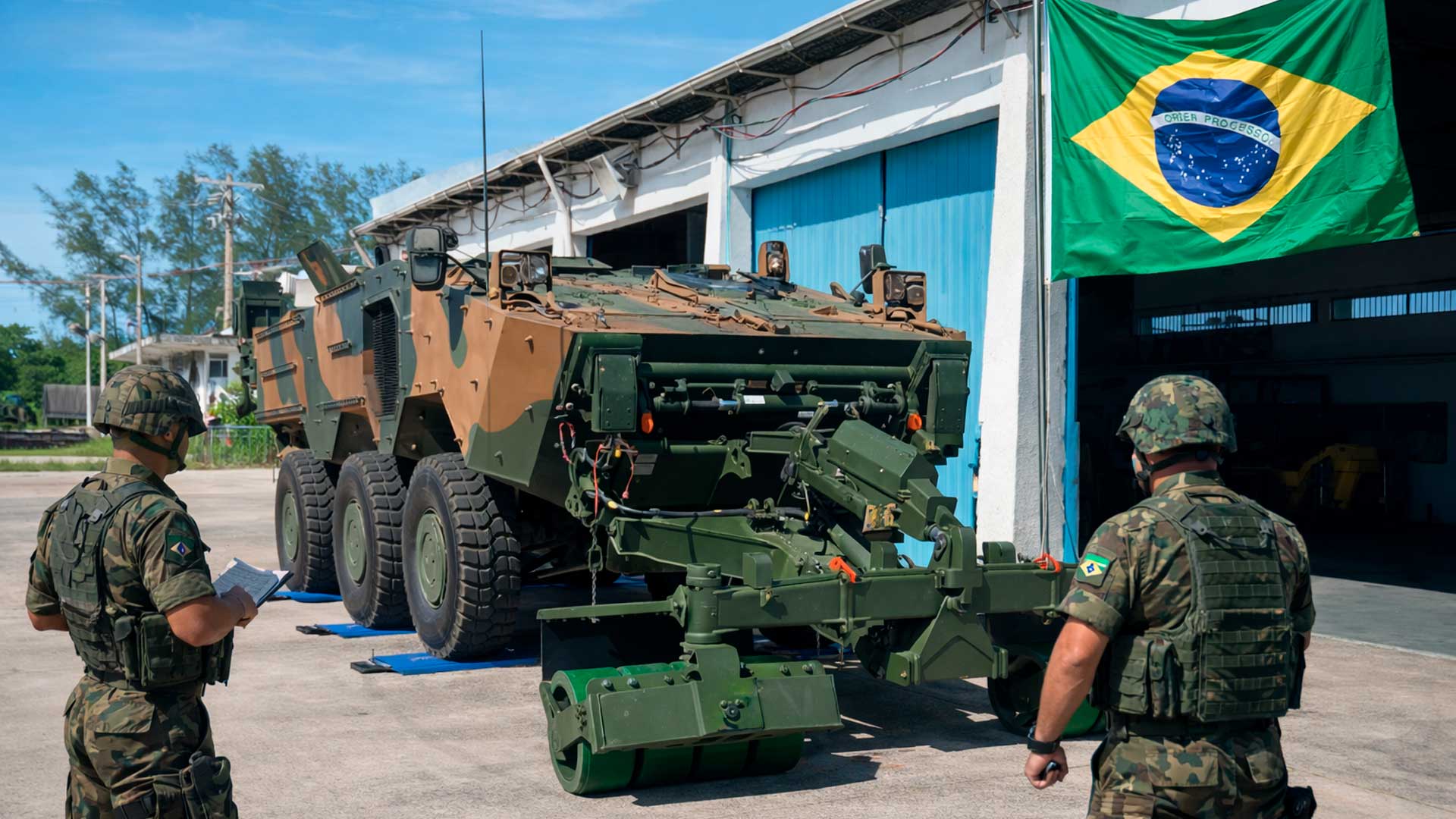
Brazil advances with decisive tests until June, the 6×6 Guarani armored vehicle with engineering equipment enters the most important phase and can enhance the operational capability of the Army.
-
Furnas Airport is handed over to the Navy and becomes a strategic base with complete military operations, attack drones, and international mobilization at Furnas Lake.

The response could not come solely from surface ships or aviation. The submarine emerged as the ideal weapon to attack these groups, but there was a central problem: reaching them quickly enough. Aircraft carriers moved at high speeds, escorted by destroyers and cruisers equipped with sonars and anti-submarine helicopters.
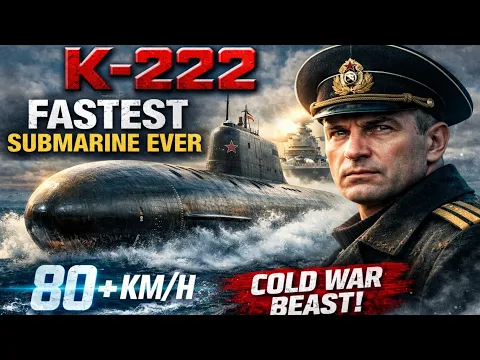

It was in this scenario that the Project 661 was born. The idea was simple in theory and brutal in practice: to create a submarine capable of reaching and even exceeding the speed of enemy battle groups, getting close quickly, launching anti-ship missiles, and escaping before the adversary’s reaction could organize.
Titanium Hull: The Decision That Changed Everything In Naval Engineering
To achieve speeds never seen before, Soviet engineers needed to completely rethink the submarine’s hull. Traditional steel simply did not offer the necessary combination of structural strength, lightness, and hydrodynamic performance.
The solution found was titanium, an extremely corrosion-resistant material, lighter than steel, and capable of withstanding high mechanical stresses. The use of titanium allowed for a thinner, more hydrodynamic hull, reducing drag and enabling speeds far superior to any contemporary submarine.
This choice, however, came at a high cost. The Soviet industry needed to develop unprecedented welding techniques, controlled environments to avoid metal contamination, and highly complex manufacturing processes. The K-222 became, in practice, a floating laboratory for advanced metallurgy.
Dimensions, Displacement, And Extreme Physical Characteristics
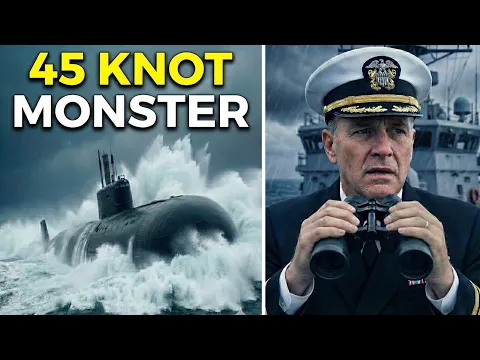
The K-222 was not just fast; it was also large. At 106.9 meters long, it displaced around 7,000 tons when submerged, numbers comparable to those of large nuclear attack submarines.
These dimensions were necessary to accommodate:
- Two high-power nuclear reactors
- Reinforced propulsion systems
- Long-range anti-ship armament
- Internal structures designed to withstand extreme vibrations
Everything about the submarine was designed to withstand conditions that few engineers would dare to accept in conventional projects.
Nuclear Propulsion And The Absolute Record For Submarine Speed
The heart of Project 661 was its nuclear propulsion system. Equipped with two reactors, the K-222 generated power well above the standard of the time. In official tests conducted by the Soviet Navy, the submarine reached 44.7 knots at about 100 meters deep.
This number is even more impressive when compared to the normal standards of submarine warfare. Most modern nuclear submarines operate comfortably between 25 and 30 knots. The K-222 easily exceeded this, entering a speed range that approached the physical limits of submerged navigation.
No other operational submarine has ever managed to replicate that feat.
The Price Of Speed: Extreme Noise And Tactical Limitations
If on one hand the K-222 was a machine of absolute speed, on the other it paid a high price for it. At high speeds, the submarine became extremely noisy. Cavitation in the propellers, structural vibrations, and the intense operation of mechanical systems generated an acoustic signature easily detectable by enemy sonars.
This created a fundamental contradiction: the fastest submarine in the world was also one of the least discreet when operating in its maximum regime.
In a real combat scenario, this would limit its effectiveness, especially against well-coordinated anti-submarine forces.
Anti-Ship Armament And The Mission To Hunt Aircraft Carriers
The K-222 was armed to fulfill its strategic role. It carried long-range anti-ship missiles, designed to threaten large surface ships, including aircraft carriers.
The doctrine was clear: approach quickly, launch the attack, and move away before the escort could react effectively.
This concept reflected an aggressive view of naval warfare, focused on quick, asymmetric strikes against high-value targets.
The Nickname “Goldfish” And The Prohibitive Cost Of The Project
Internally, the K-222 became known by the nickname “Goldfish” — not for elegance, but for cost. The submarine was extraordinarily expensive, consuming resources far above what was acceptable for mass production.
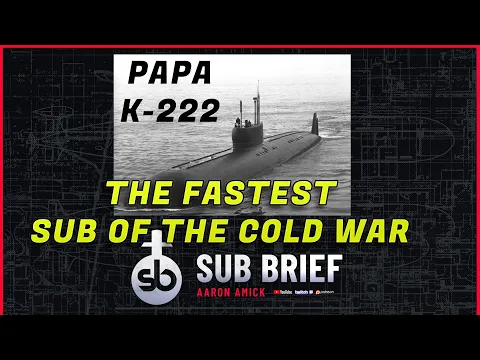
The use of titanium, the unprecedented industrial processes, and the complex maintenance made Project 661 economically unviable as a fleet solution. The K-222 ended up being a practically unique unit, without direct successors.
Testing, Limited Service, And Deactivation
The submarine entered service, conducted extensive tests, and confirmed all the promises made on paper. It was fast, powerful, and technologically impressive. However, its practical limitations prevented it from becoming a pillar of Soviet naval strategy.
As the years passed, the focus of submarine warfare changed. Silence, advanced sensors, and stealth became more valued than raw speed. The K-222 was deactivated and later dismantled, ending its career without ever having participated in a real conflict.
Why No One Tried To Replicate Project 661
Since the end of the Cold War, no navy has seriously attempted to build a submarine to break the K-222’s record. The reason is simple: extreme speed does not compensate for the loss of discretion.
Modern submarines prioritize:
- Minimum acoustic signature
- Sophisticated sensors
- Integration with data networks
- Ability to operate undetected
The K-222 proved that it is possible to go beyond limits, but it also demonstrated why those limits exist.
The Legacy Of The Fastest Submarine In History
The K-222 remains a monument to extreme engineering. It did not redefine submarine warfare in the long term but expanded what was considered technically possible.
Its speed record remains intact, decades later, as a reminder of an era when engineers were encouraged to challenge physics in the name of strategic supremacy.
More than a weapon, the K-222 was a bold, expensive, and irreproducible experiment. A submarine too fast for its own time, which became a legend not for what it did in combat but for what it proved to be possible when engineering ignores conservatism and bets everything on the extreme.








As armas de outras potências não devem ser emiscuidas em sites brasileiros pois miscigenam a população com erros graves que ⁹vão contra o plano de Deus pela criação universal além de em todas as etapas planejadas serem predadoras, levando a penúria historicamente as próprias nações e quano utilizadas, à morte e males ainda maiores, exponenciais e por poderes caprichosos ou capiciosos. descrentes, com mínimos recursos intelectuais e morais alem de se dizerem democráticos mas vusivelmente anjos decaidos…