





 Portuguese
  English
  Spanish
  4 min of reading
  3 comments


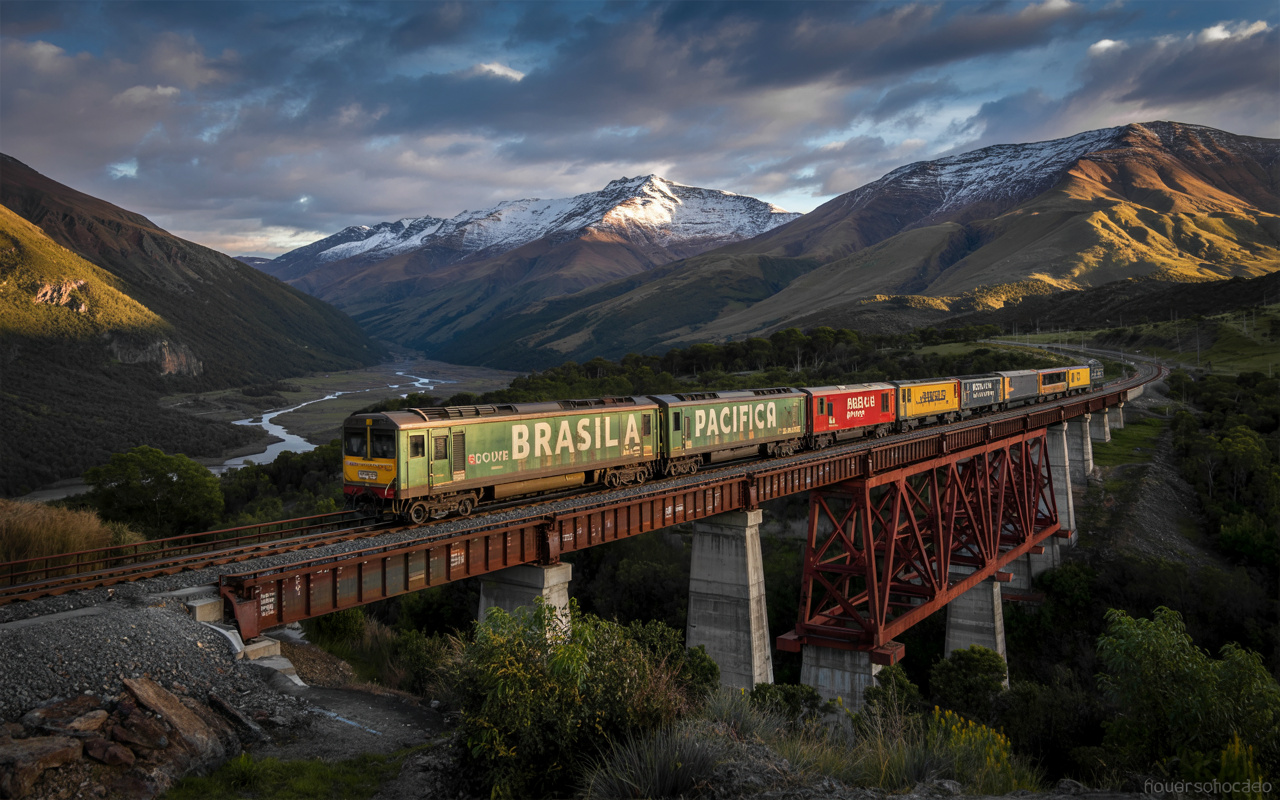


Transoceanic Railway of 4,400 km Will Connect Brazil to Peru and the Pacific, with China’s Support, Reducing Logistic Costs and Opening a New Route for Exports.
Brazil is facing a project that could redefine its role in global logistics: the Transoceanic Railway (EF-354). With approximately 4,400 kilometers in length, this ambitious plan aims to connect the Brazilian Atlantic coast to the Pacific ports in Peru, creating the first direct railway link between the two oceans in South America. If implemented, this megaproject will reduce transportation costs, open an alternative route for commodity exports, and attract billion-dollar investments to the continent.
What Is the Transoceanic Railway and How Did It Begin
The idea of a railway connecting the Atlantic to the Pacific is not new—studies date back to at least 2008, but gained momentum in 2015, when Brazil, Peru, and China signed a cooperation agreement. The proposal returned to the spotlight in 2025, with new understandings between the countries and the promise of accelerating feasibility studies regarding technical, environmental, and financial aspects.


The railway would start in the state of Acre, connecting to the developing Brazilian railway network, crossing the Peruvian Andes, and reaching the ports of Ilo and Matarani in Peru. This route would create a strategic railway corridor, shortening the journey for soy, corn, iron ore, and even beef to Asia.
-
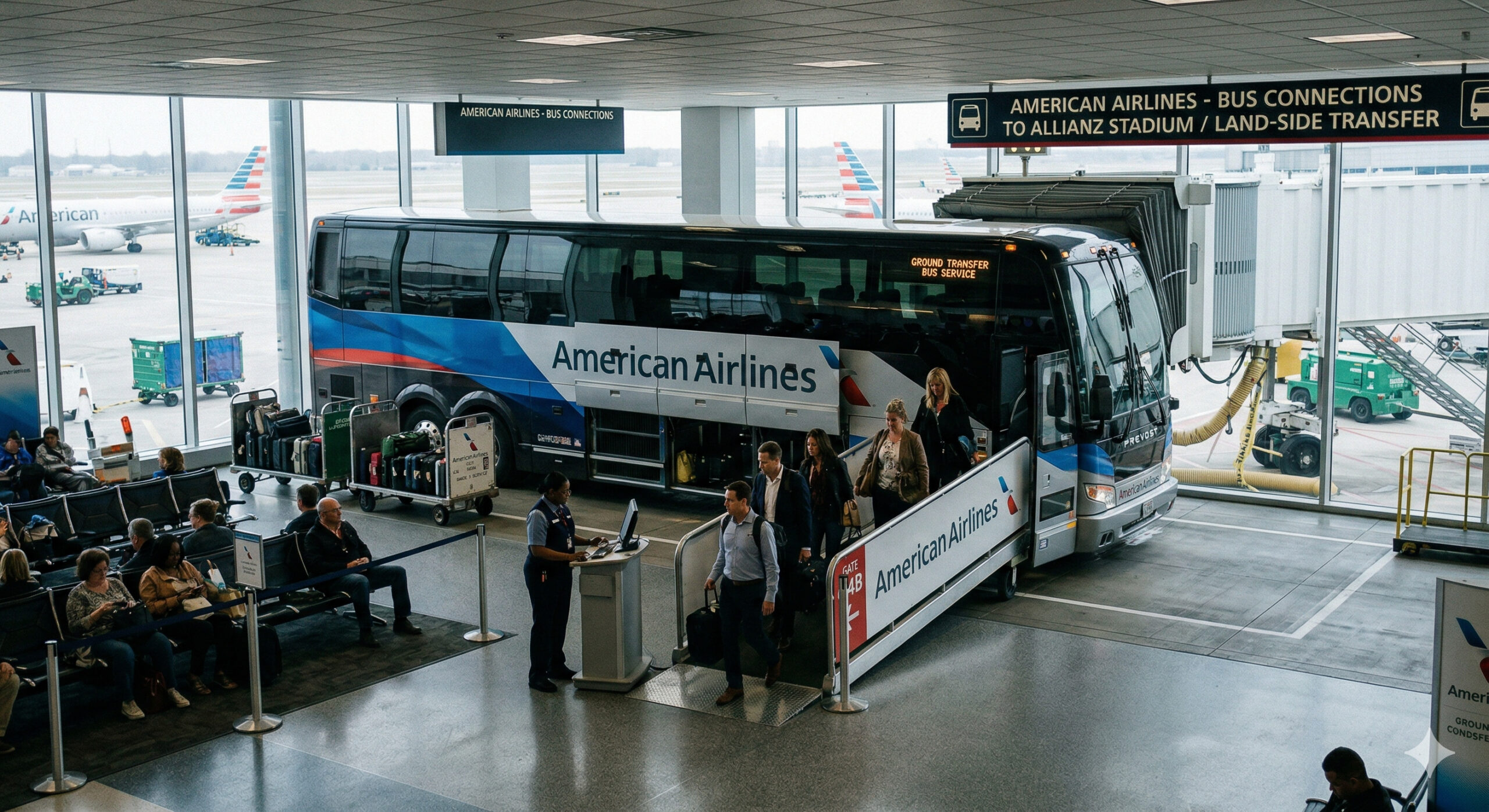
American Airlines starts selling trips as if they were flights, with check-in and baggage check at the airport, but on short routes, passengers board luxury buses connecting cities to major hubs in the U.S.
-
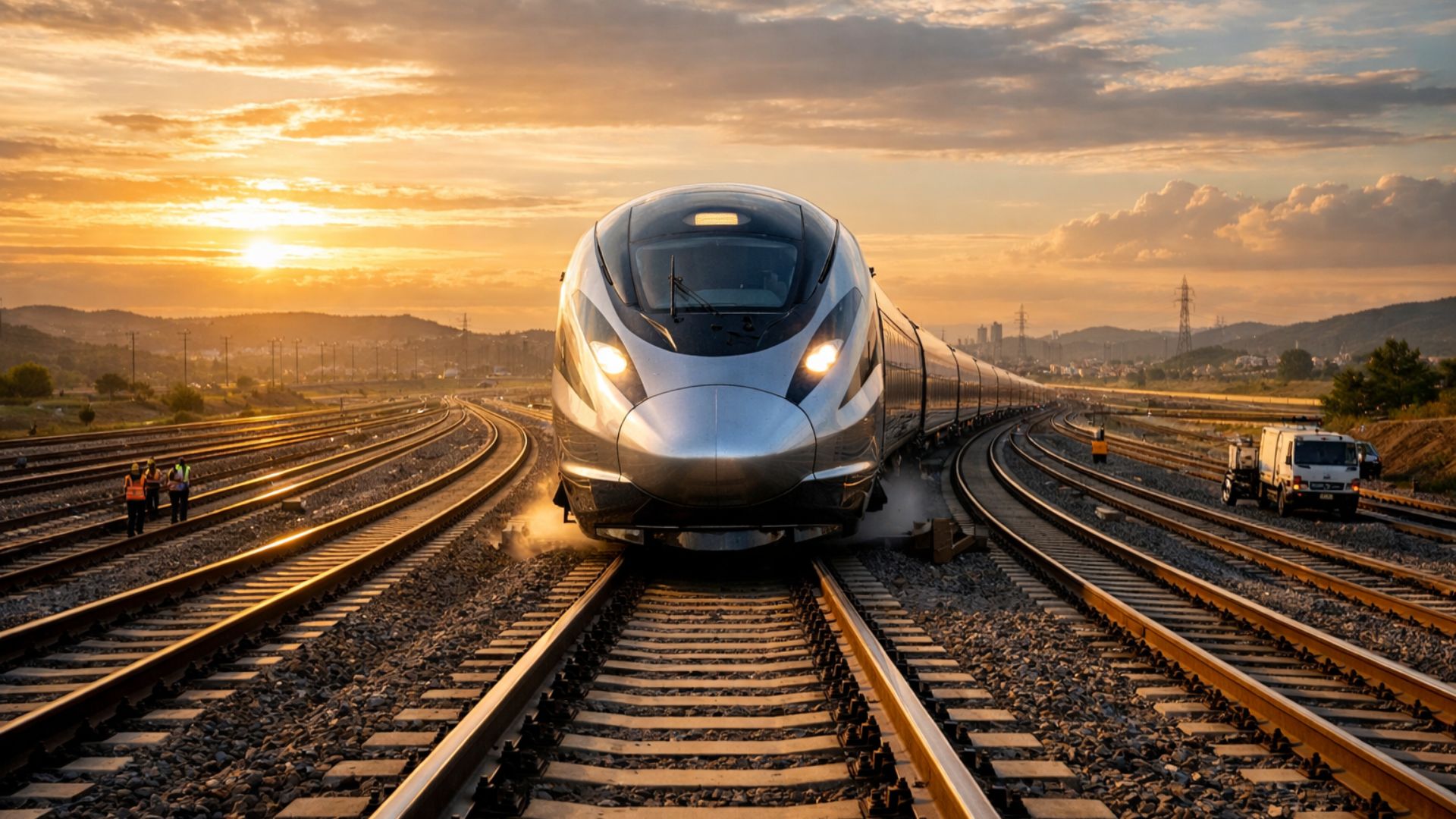
São Paulo surprises the world with a colossal railway network project that promises over 1,000 km of tracks, R$ 194 billion in investments, and 40 projects connecting the capital to the interior with fast and sustainable trains.
-
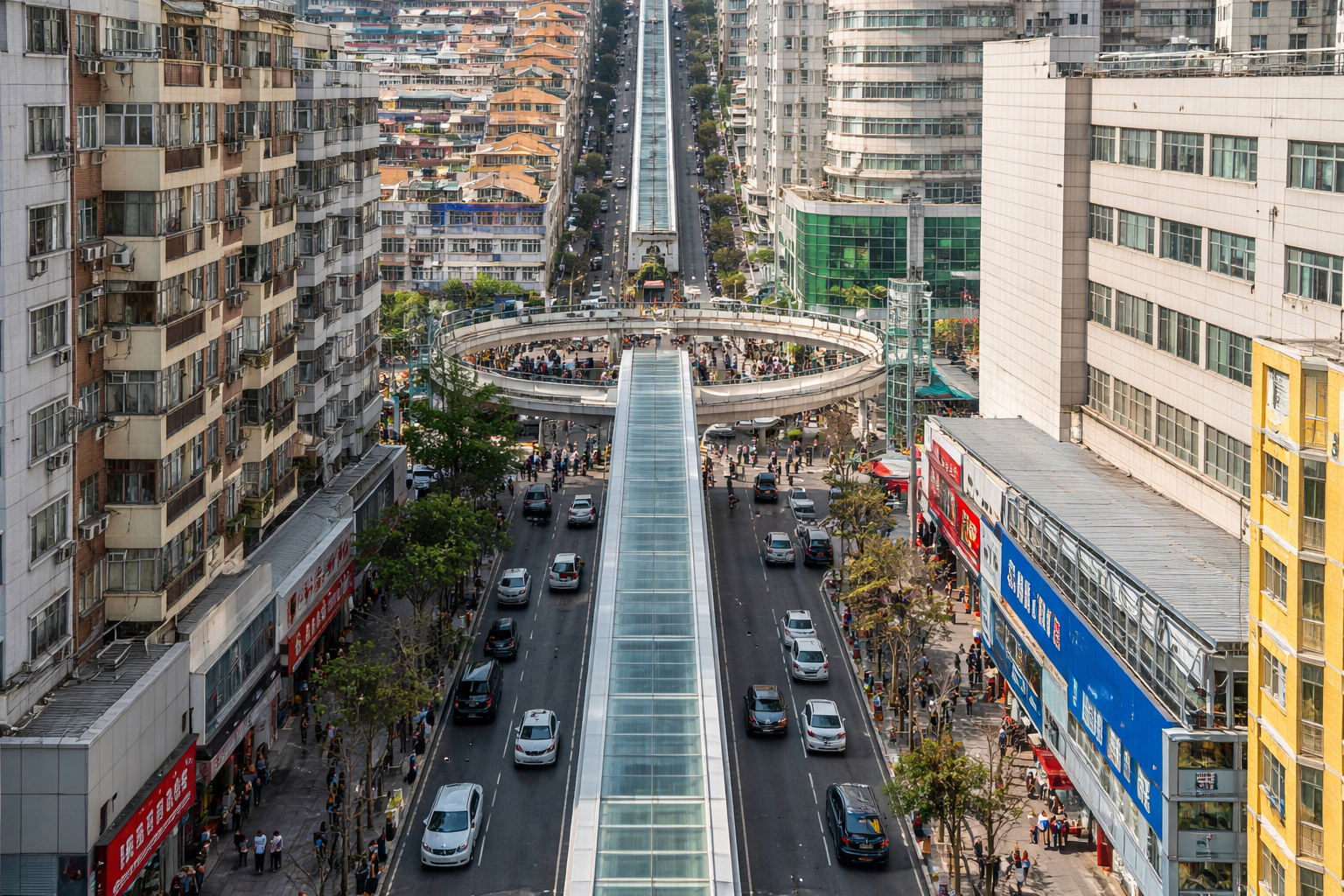
The world’s largest escalator, measuring 905 meters in China, reduces urban travel time from 1 hour to about 20 minutes and transforms mobility in mountainous regions with an engineering solution adapted to the terrain.
-
A R$ 300 million logistics giant is taking shape in Serra with over 100,000 m² and raises a question: how can this transform e-commerce and distribution in the state?

Why Is the Transoceanic Railway So Important for Brazil?
Brazil is one of the largest commodity exporters in the world, but it relies almost exclusively on Atlantic ports. To reach the Asian market, ships take long routes through the Panama Canal or around Cape of Good Hope, which increases costs and delays delivery.
With the Transoceanic Railway, the country would gain a logistical alternative: shipping cargo through the Pacific. The expectation is to reduce freight costs by up to 30% and accelerate product arrival by up to 10 days.
For states like Mato Grosso and Rondônia, major producers of grains and meat, the railway would be a revolution. With the possibility of exporting products through Acre and continuing to Peru, logistics would become cheaper, more predictable, and less dependent on saturated highways.
The Role of China and International Interest
China is the biggest stakeholder in the project. The country is the leading buyer of soy, iron ore, and beef from Brazil and sees the Transoceanic Railway as a strategic investment to ensure long-term supply. Chinese companies have already expressed interest in financing and even constructing sections of the railway, offering technology, resources, and know-how in infrastructure projects.
Chinese involvement also places the project on the geopolitical radar, raising interest and concern from other global players. For Brazil, the challenge is to balance partnerships while maintaining sovereignty and ensuring that investments bring benefits to the local economy.
Engineering and Monumental Challenges
Building a 4,400 km railway is no simple task—especially when part of the route crosses the Andes mountain range, one of the most difficult regions in the world for large-scale construction.
It will be necessary to dig tunnels, build viaducts, and overcome altitude differences of up to 4,500 meters. The project will also require a colossal investment: preliminary estimates suggest costs that could exceed US$ 10 billion.
Despite the challenges, the benefits outweigh them. Rail transport is more efficient, cheaper, and more sustainable than road transport. For every ton transported, the railway emits less CO₂, consumes less fuel, and reduces dependence on trucks on congested roads.
Economic and Social Impact in Brazil
If implemented, the Transoceanic Railway will transform Acre into a logistics hub, connecting production from the Midwest to Pacific ports. New industrial centers could emerge along the route, cities will be boosted, and thousands of direct and indirect jobs will be created during construction and operation.
Brazil would also gain bargaining power in international trade. With an alternative route through the Pacific, the country would become less dependent on bottlenecks like the Panama Canal and could negotiate better transport conditions with shipping companies and foreign buyers.
And What About the Environmental Impact?
A project of this magnitude inevitably raises environmental questions. The railway will cross sensitive areas, and NGOs are already calling for rigorous impact studies, compensation measures, and planning to minimize damage to ecosystems.
Authorities state that the priority is to avoid protected areas and indigenous lands, using modern construction technologies, tunnels, and underground routes in critical areas.
What Is the Deadline for the Railway to Be Realized?
Currently, the project is in the study phase. Brazil and Peru, with China’s support, are working to complete the technical, economic, and environmental feasibility analysis by 2027. If the reports are positive and funding is secured, construction could begin by 2029, with an expected 5 to 7 years of construction.
This means that the railway could be fully operational by 2035. It is a long horizon, but infrastructure projects of this magnitude require detailed planning and multiple stages of approval.
A Watershed Moment for South American Trade
The Transoceanic Railway is not just a line on the map—it is a bet on the future. By linking Brazil to Peru and the Pacific, the project opens a new door for South American trade, reduces costs, expands routes, and strengthens continental integration.
If realized, it will be one of the largest engineering works in the history of South America and a milestone for Brazil, which will no longer depend exclusively on the Atlantic to reach global markets.








Não quero anúncio
Como as rodovias, as ferrovias no Brasil só farão sentido, se elas forem nacionalmente integradas, com sistema bitolas largas, para garantir trens com maior velocidade. Isso irá favorecer o transporte de cargas e o turismo ferroviário, que também é um transporte importante e SEGURO, para grandes viagens.
Bom dia..ENTENDAM DE VEZ 02 PONTOS FUNDAMENTAIS: 1) O principal objetivo chinês é transportar para leste (portos da Turquia onde a China esta construindo a Ferrovia da seda para processar e vender em todo o interior da Ásia mais eurasia mais norte e sul da europa transportando em trens a 250 km/h e com headway de 130 minutos) sendo o porto de ILHÉUS-Fiol imbatível pois somente fica a 10 mil km dos portos da Turquia e vai hospedar umas 30 fábricas processadoras chinesas e nacionais; 2) o melhor percurso eh o da rota IIRSA, direto e via cruzeiro do sul, tarapoto, jaen e porto de piura/Bayovar no peru bem ao norte com 850 km a menos do que por pucalpa/chancay e somente com 2.450 m de altura sem precisar de tuneis