





 Portuguese
  English
  Spanish
  3 min of reading
  1 comment


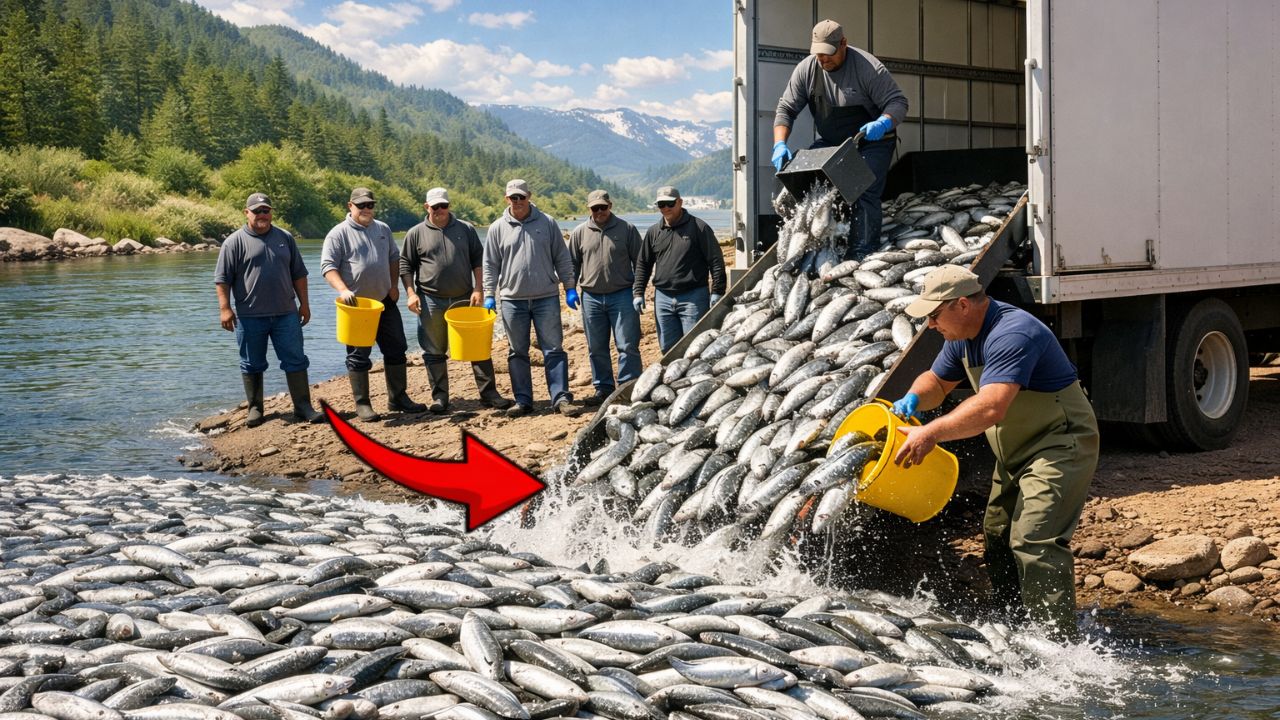


The Mark Of 8 Thousand Salmon Released After The Demolition Of Dams Built In 1910 And 1927 Became A Symbol Of Ecological Restoration: The Reopened Habitat Is Once Again Receiving Migration, The Return Rate Reaches 37%, And The Fish Draw Nutrients, Fauna, And Vegetation Back To The Valley.
In 2011, the decision began to remove the dams built in 1910 and 1927 to reopen the river’s path. In spring 2012, the 8 thousand salmon entered the scene, released in the upper reaches to accelerate recolonization and test whether the ecosystem could still support the return of a migration interrupted for nearly a century.
The results are evident in 2014 and gain momentum in 2015, when the estimated return reaches 37% and recovery is no longer just “fish counting.”
The 8 thousand salmon begin to serve as a biological engine: they stir the gravel, alter the riverbed, bring nutrients to the forest, and change the course of a river that seemed doomed.
-
Tourists on Everest were poisoned by guides who mixed substances in food to provoke false symptoms of altitude sickness while helicopter operators and hospitals charged inflated rescue fees to insurance companies.
-
Few people know this, but Neil Armstrong, one of the most famous NASA astronauts in history, survived the Korean War after jumping from the plane during his seventh combat mission aboard the USS Essex aircraft carrier of the United States.

-
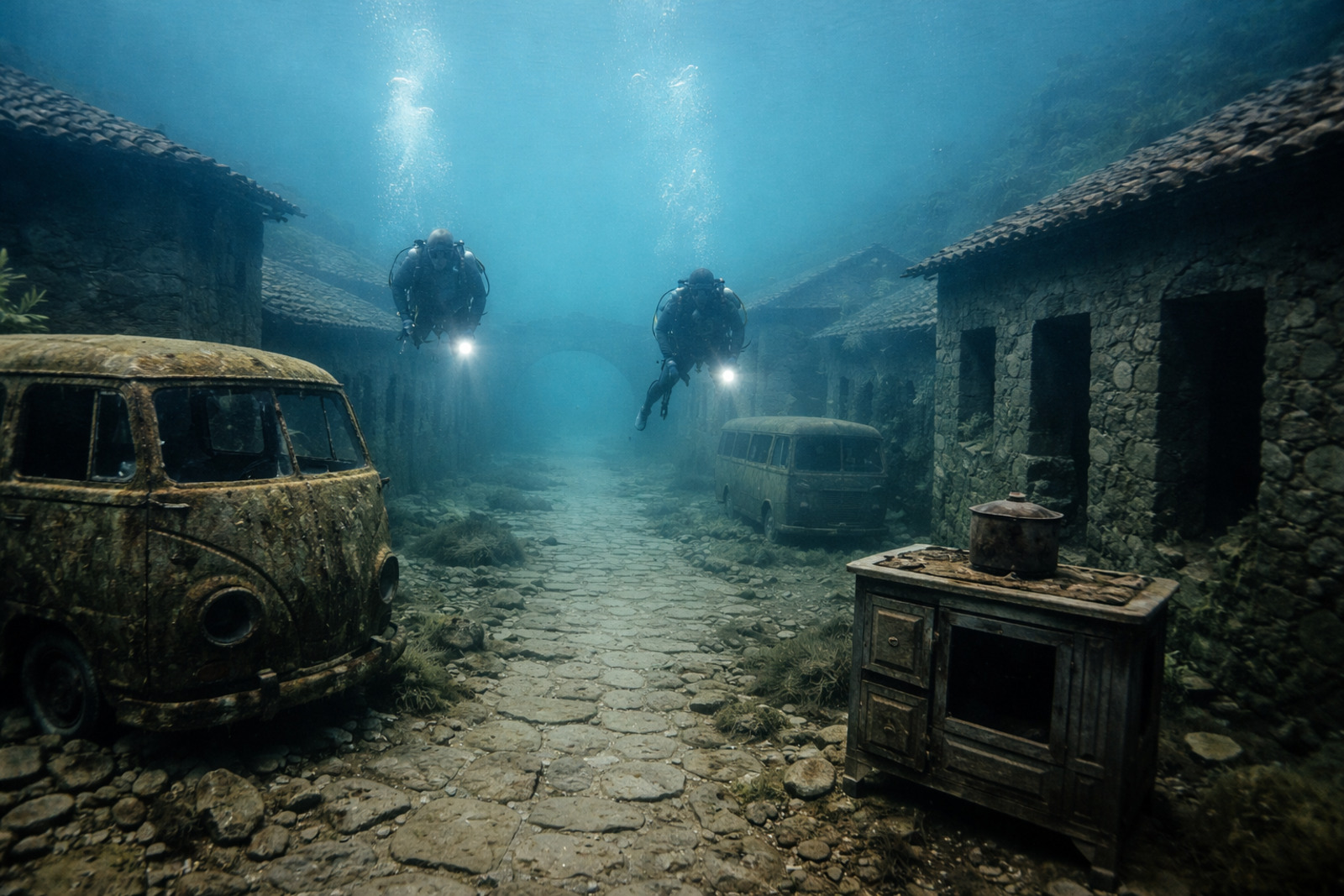
Diving with a camera in Lake Furnas reveals a submerged city with an entire street, almost intact houses, a preserved bridge, a wood stove, a Kombi, and even a bus at the bottom of the largest lake in the Southeast.
-
Iceland accidentally drilled into a magma pocket at 2,100 meters and revealed that the extreme heat beneath the crust could pave the way for a new source of continuous energy.


Why 8 Thousand Salmon Became The Number That Symbolizes The Turnaround
The central point is not merely releasing animals, but restoring ecological function. The 8 thousand salmon act as a trigger for repopulation in an environment where the spawning route had been blocked for decades, cutting off access to critical stretches of the river.
When this barrier falls, the river ceases to be a fragmented corridor and becomes a continuous system. The 8 thousand salmon enter this context as the “first wave,” helping to reoccupy areas that had been inaccessible for generations.
What The Century-Old Dams Did To The River
Old dams do not only block water. They interrupt sediments, change temperature, reduce oxygen in specific stretches, and, most importantly, break the life cycle of migratory species.
Without salmon ascending, the food chain impoverishes. Predators and birds lose a significant energy source, and riparian vegetation stops receiving nutrients brought from the ocean. The absence of salmon becomes an absence of life in a cascading effect.
How Demolition Reopens Habitat And Unlocks A 37% Return
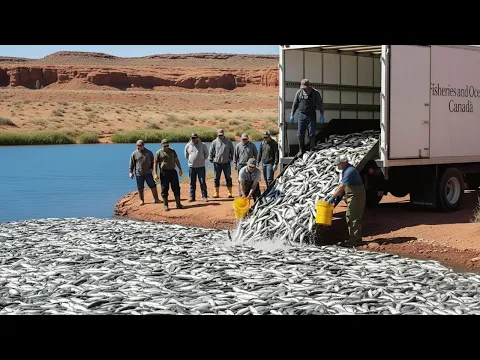

With the removal, the river behaves like a river again. Sediments circulate, gravel reorganizes, secondary channels reappear, and headwater sections become accessible for spawning.
From this point on, the return grows because the system offers real conditions to complete the cycle. The 8 thousand salmon do not “solve everything alone,” but they demonstrate that, with a clear path, the river can work in favor of the species.
How The 8 Thousand Salmon Reform The Riverbed And Pull Forest And Fauna
Salmon transform the riverbed in two ways. First, during spawning: by digging nests in the gravel, they move sediments and create microhabitats. Second, afterward: when they die after reproduction, they become a concentrated source of nutrients.
This food pulse spreads. Insects benefit, smaller fish respond, and birds and mammals reappear. The forest also feels, as some of this nitrogen and phosphorus enters the soil and riparian vegetation.
The Challenging Side Of Recovery: Oscillation And Adjustments Of The Ecosystem

Restoration is not a straight line. At times, excess organic matter can generate temporary effects, such as changes in water quality during warm periods.
Additionally, external variables, such as heat waves and climate change, influence the sea and fish return.
Even so, the message remains: when the river becomes free again, nature responds with a speed that human constructions rarely deliver in the same timeframe.
Why This Story Became A Reference For Other Rivers
The case of the 8 thousand salmon strengthens a practical argument: removing a barrier can reactivate entire ecological processes, not just “increase numbers.” In rivers where aging dams no longer serve their original purpose, restoration is becoming discussed as a high environmental impact strategy.
After Seeing The Effect Of The 8 Thousand Salmon, Do You Think That Demolishing Old Dams Should Be A Priority Even When It Involves High Costs And Local Controversies?








Fabuloso, além de reanimar a vida do ecossistema local, também eleva a qualidade recreativa da pesca esportiva que promove o melhor da qualidade de vida gerando um ambiente Quantico coletivo harmonizado e feliz 😇💫🤝✊🙃👏👏👏👏👏👏👏