





 Portuguese
  English
  Spanish
  4 min of reading
  0 comments


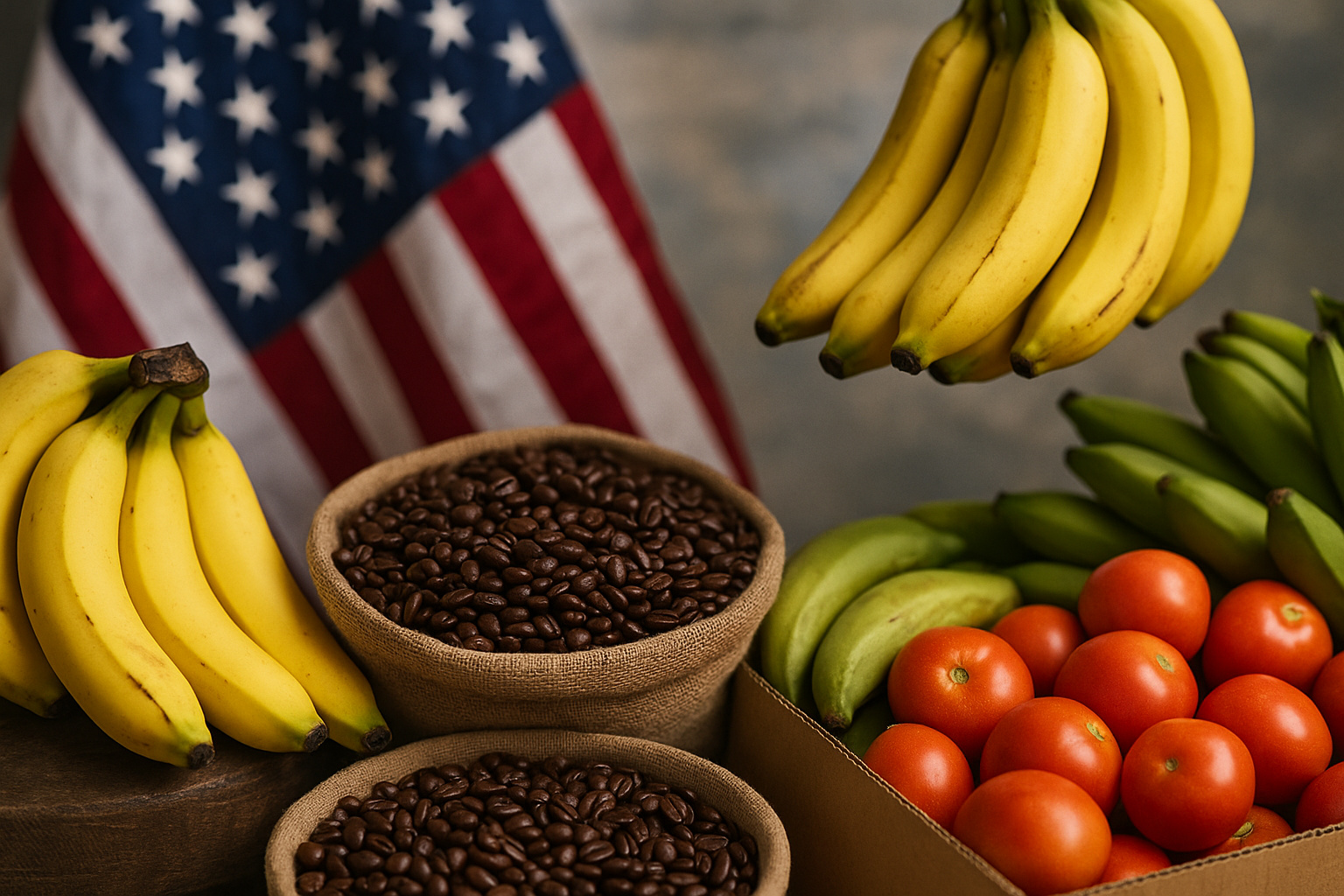
The United States announced the removal of tariffs on agricultural products from Latin American countries.
The measure has reignited an old discussion among economists, diplomats, and commercial sectors.
The action was confirmed by officials from the Donald Trump administration on November 12 and 13, 2025.
It involves Argentina, Ecuador, Guatemala, and El Salvador.
The aim is to expand American companies’ access to new markets.
The initiative also seeks to reduce the internal cost of living.
The reduction is expected with a decline in coffee, banana, and other food prices.
The measure comes after recent electoral defeats for the Republican Party.
These defeats occurred in New Jersey, New York, and Virginia.
The situation has increased pressure for short-term economic responses.
What Is Provided in the Agreements
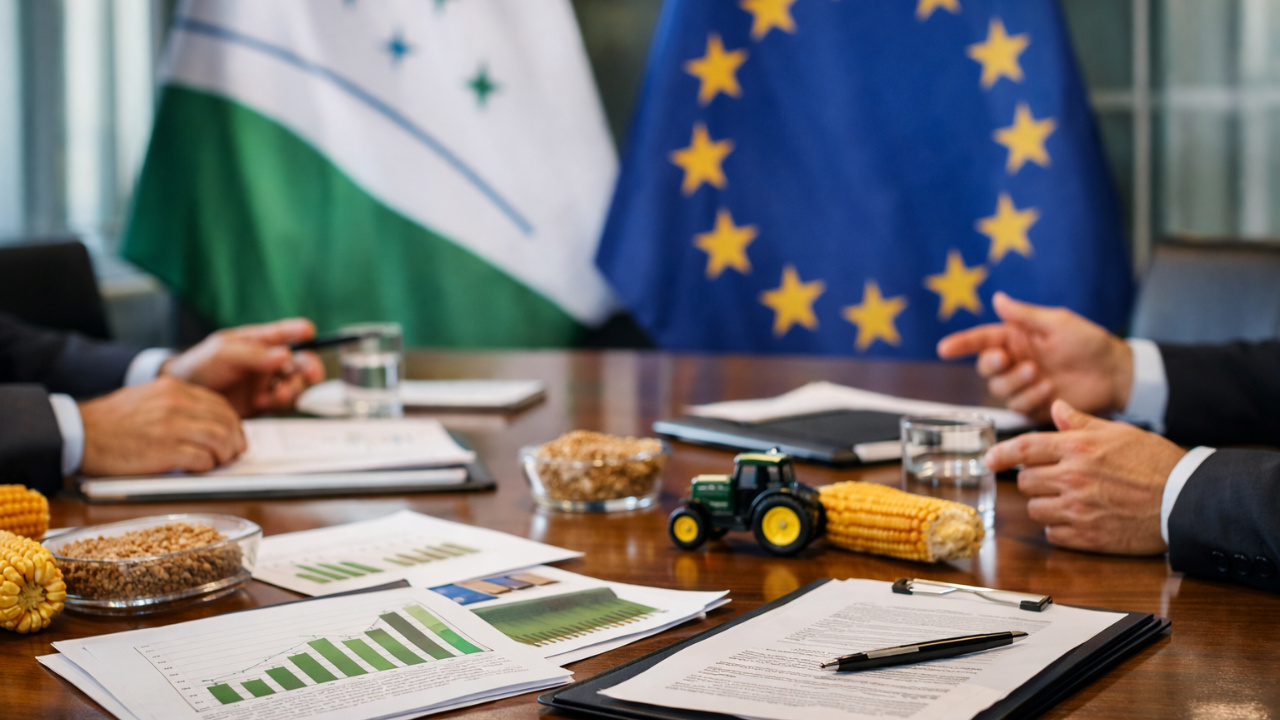
The agreements establish the removal of tariffs on items not produced in the United States.
Among these products are coffee and bananas originating from Ecuador.
Current 10% tariffs will remain on goods from Argentina, Guatemala, and El Salvador.
15% tariffs will continue on products from Ecuador.
However, there will be specific exemptions for agricultural and industrial items.
These understandings are expected to be finalized within two weeks.
The information was disclosed by a senior official on November 13, 2025.
The model follows the structure of agreements signed with Asian countries in October.
These agreements included commitments on digital services and agricultural tariffs.
They also addressed reciprocal access for industrial products.
Why the Measure Is Being Adopted Now
The decision comes at a politically sensitive moment for Donald Trump.
The government is attempting to respond to the difficulties registered at the polls.
The state elections indicated dissatisfaction with the cost of living.
Economists state that high prices have been influenced by tariffs imposed by Trump’s own administration.
Despite this, Trump attributes the costs to Joe Biden’s economic policies.
The Treasury Secretary, Scott Bessent, spoke on November 12, 2025.
He stated that substantial new announcements would be made in the following days.
The intention is to relieve the prices of imported food.
The government seeks to improve the electorate’s perception of its economic policy.
-
Middle East War Hits Fertilizers and Transportation and May Strain Brazilian Wallets
-
Russia Considers Suspending Gas to Europe After Surge in Energy Prices
-
How A War Thousands of Miles From Brazil Started Disrupting Global Shipping Routes, Raising Container Costs, and Putting Up to 40% of Brazilian Beef Exports at Risk
-
Iran-U.S. War Drives Up Oil Prices and Pressures Global Financial Markets
How Latin American Countries Reacted
Thus, the involved countries received the announcements positively, and this reception reinforced diplomatic progress. Furthermore, Argentina’s Foreign Minister, Pablo Quirno, stated on November 13, 2025, that the structure of the agreement creates better conditions for investments. Consequently, Quirno thanked Argentine President Javier Milei and emphasized the president’s commitment to supporting the negotiations. Therefore, U.S. officials stated that talks with Central American countries are progressing constructively, and new agreements may arise before the end of the year. Additionally, negotiations included discussions with Switzerland and Taiwan on November 13, expanding the diplomatic scope.
The Expected Impact and Challenges
Therefore, the U.S. government expects to quickly reduce the prices of essential foods, with the most affected products including coffee, bananas, and imported fruits. Moreover, the government anticipates that retailers will immediately pass on the reductions to consumers, and this expectation pressures the distribution sector. Consequently, experts warn of variations in impact depending on logistics and inventories, and these differences may alter the pace of price declines. Thus, the commercial approach opens new opportunities for American agricultural products and also favors the entry of industrial items into partner countries.
Processing and Next Steps
Thus, the framework agreements are advancing towards formalization in November 2025, and the technical steps need to be completed before the final signing. Additionally, officials state that further understandings may arise before the end of the year, and the new terms follow the pattern of Asian agreements. Consequently, after completion, the commitments will enter gradual implementation, and the U.S. Treasury will monitor this application. Therefore, foreign trade departments of partner countries will track the effects, and initial impacts are expected to emerge in early 2026. Moreover, retail may adjust costs according to the new tariffs, and these changes influence internal pricing policies. Accordingly, if the diplomatic pace continues, the agreements will redefine international agricultural flows and adjust U.S. tariff policy. Thus, the topic remains central in economic debates since the beginning of the Donald Trump administration.







Seja o primeiro a reagir!