





 Portuguese
  English
  Spanish
  4 min of reading
  0 comments


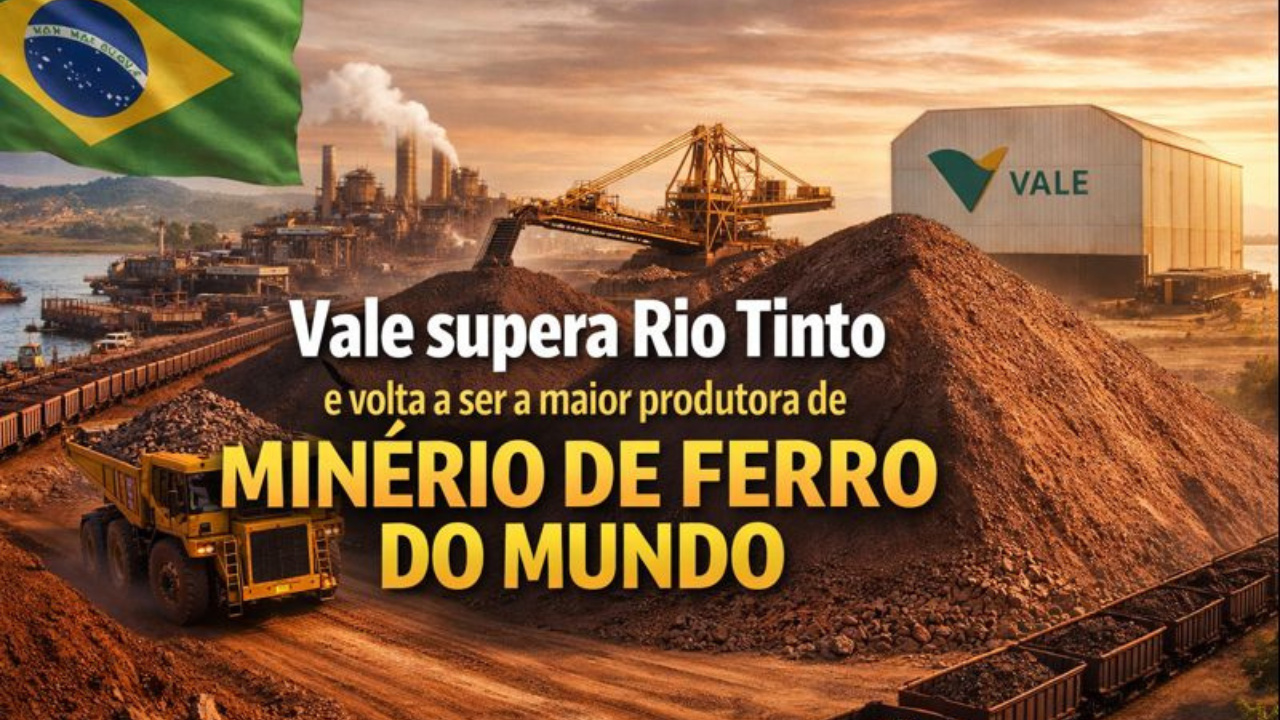
With Record Production, Vale Surpasses Rio Tinto, Strengthens Operational Results, and Boosts Vale’s Stocks in the Market.
Vale has regained its position as the world’s largest iron ore producer, surpassing Rio Tinto in 2025, after reporting a strong operational result in the fourth quarter of the year.
The return to leadership comes at a time of appreciation for Vale’s stocks, with analysts pointing to consistent improvement in production, portfolio diversification, and greater operational predictability.
The Brazilian company achieved this milestone by producing 336.1 million tons of iron ore in total in 2025, a growth of 2.6% compared to the previous year.
-
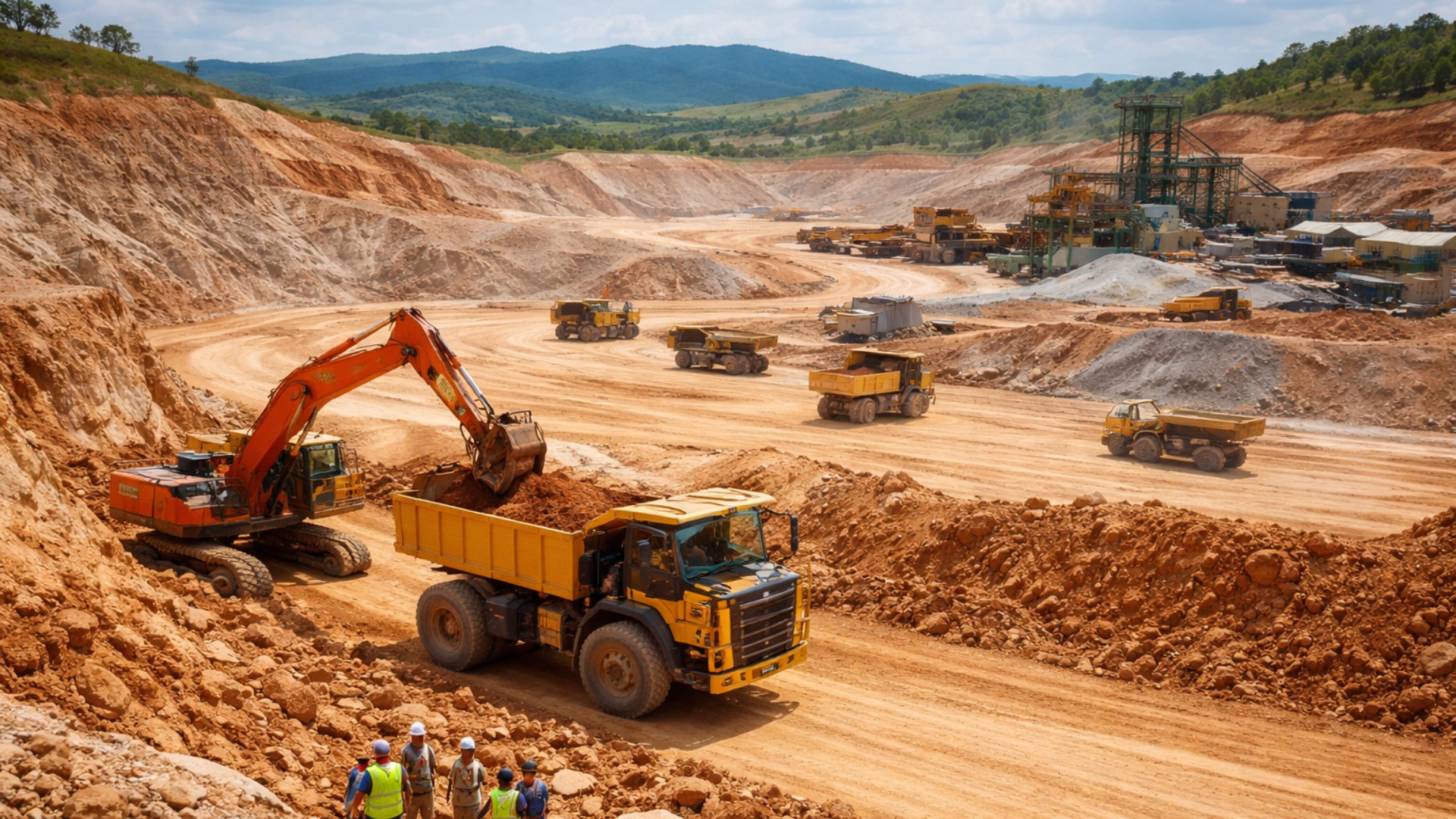
After China, it’s now the turn of the USA to ‘secure’ a share of Brazil’s natural resources: the country buys critical rare earths for R$ 3 billion and enters the center of the global technology dispute.
-
Rare earths are in everything, from cell phones to bullet trains, and what almost no one realizes is why they have become the target of such a delicate global war.
-
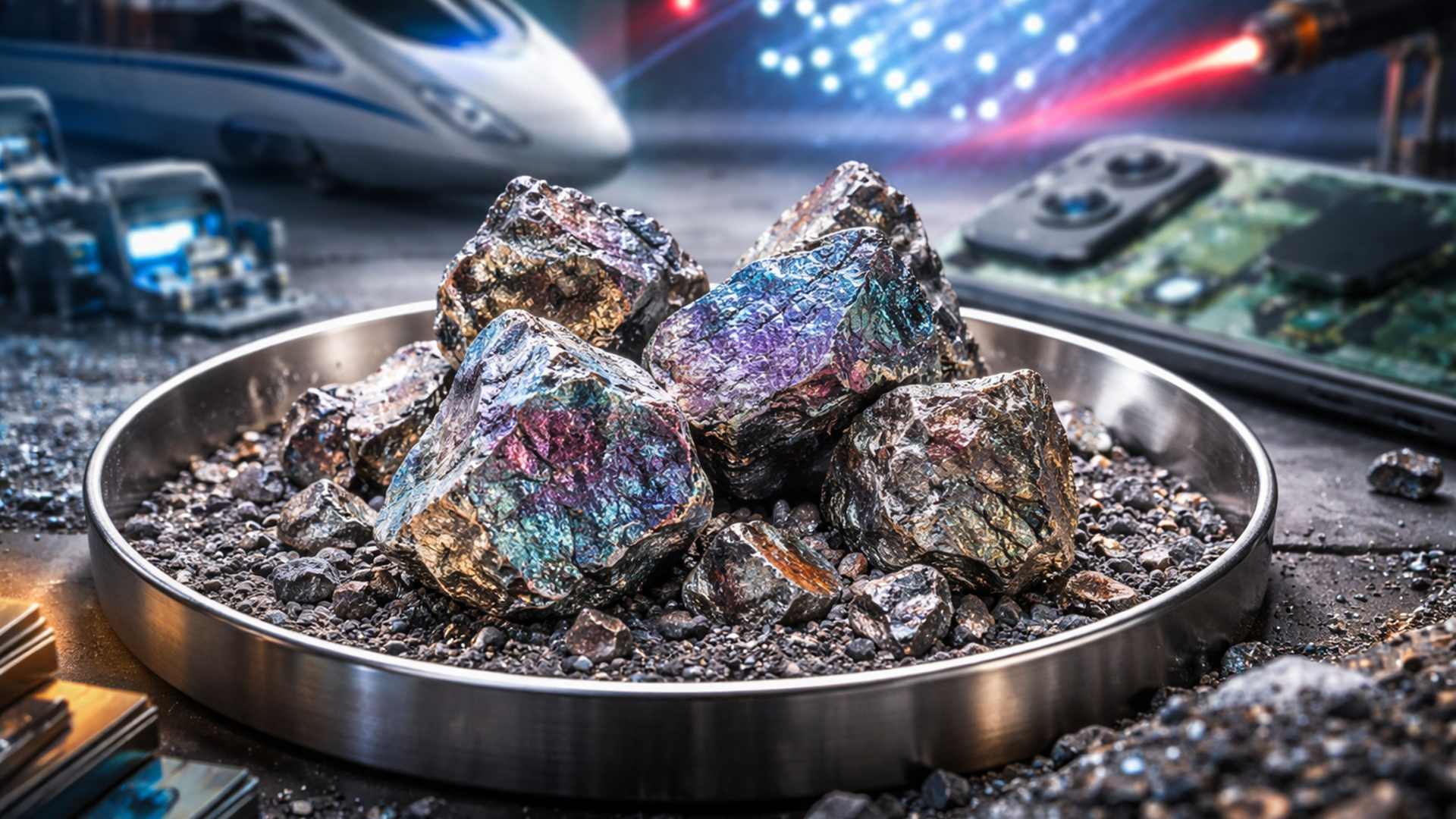
Brazil extracts 26.3 million tons of ore from what was previously treated as waste, transforming residues into wealth, producing over 3 million tons of sand, and demonstrating how national mining is relearning to generate value.
-
A $3.5 billion megaproject in Latin America pumps desalinated seawater at 1,050 liters per second over 194 km to keep a copper supermine in the Andes operational for another 20 years.
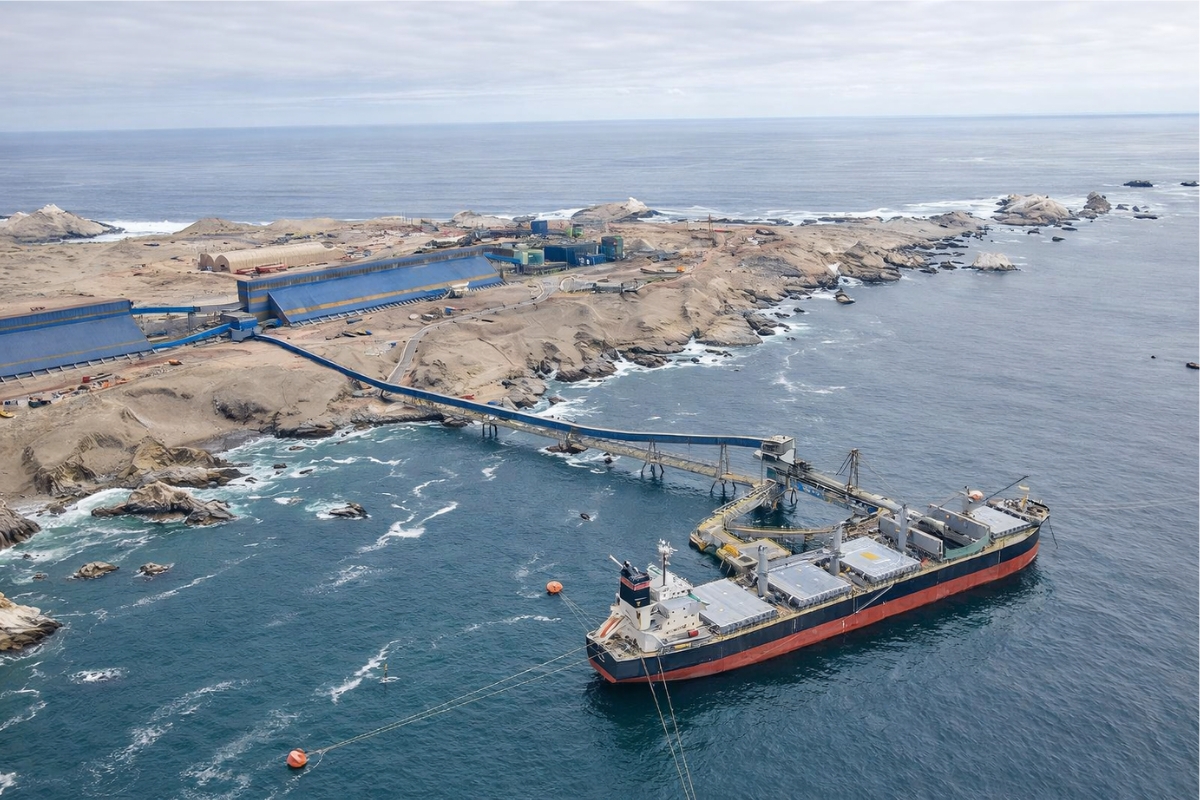

As a result, Vale surpasses Rio Tinto, which produced 327.3 million tons, reclaiming a strategic position lost since 2019.
Production Grows and Reinforces Turnaround After Challenging Years
The return to global leadership is not by chance.
After losing ground to the Australian competitor amid the consequences of the Brumadinho dam collapse in Minas Gerais, Vale underwent a deep operational restructuring.
Since then, the mining company has revised processes, reinforced safety standards, and reorganized its productive assets.
As a result, iron ore production has gradually and consistently grown, allowing the company to regain significant market share globally.
Additionally, company executives had already signaled to the market that regaining leadership was a strategic goal.
The confirmation in 2025 reinforces the perception of predictability and operational control.
Solid Operational Results Go Beyond Iron Ore
Although iron ore is the main highlight, Vale’s operational results were also boosted by strong performance in base metals.
According to XP, copper production and sales grew 6% year-over-year, driven by record volumes at Salobo and the recovery of Sossego, both in Pará.
The realized copper prices also rose significantly, with a quarterly increase of US$ 1,185 per ton, reflecting the rise in international benchmarks.
Meanwhile, shipments of iron ore fines increased by 7% compared to the fourth quarter of 2024, supported by Brucutu, Vargem Grande, and Capanema.
On the other hand, pellet sales decreased, indicating that the portfolio is still undergoing adjustments despite the overall progress.
Banks See Consistency and Valuation Potential
JPMorgan classified the quarter as solid across all segments.
Iron ore and copper production reached the highest levels since 2018, while nickel showed the best performance since 2022.
“Overall, the reported numbers demonstrate operational consistency and progress toward established goals,” the bank noted, projecting a positive market reaction.
Goldman Sachs also highlighted that although iron ore came in line with expectations, copper production exceeded estimates by up to 19%.
“We believe that the continued improvement in base metal performance will likely lead investors to reassess the company after years of disappointments,” the bank stated.
Vale Stocks Rise with Favorable Macro Scenario
Vale’s stocks have accumulated a rise of about 17% this year, supported not only by operational performance but also by external factors.
These include a weaker dollar, expectations of falling global interest rates, and increased geopolitical risks, which favor physical assets and commodities.
Additionally, Vale stands out against competitors in cash generation.
According to Goldman Sachs, the company trades at around 11% of annual free cash flow, compared to 5% for rivals such as Rio Tinto and BHP.
Risks Remain on Investors’ Radar
Despite the constructive scenario, analysts warn of risks.
The main one is the possibility that iron ore prices have already reached the peak of the cycle.
Goldman Sachs projects a correction of up to 8% by the end of 2026.
Still, the bank maintains a buy recommendation, with a target price of US$ 13.80 for the ADRs.
JPMorgan and BBI also remain positive, while XP takes a more cautious stance, maintaining a neutral recommendation due to the prospect of falling iron ore prices.
Vale Repositions Itself as a Defensive Player in the Sector
Even with challenges, market consensus is that Vale is entering a new, more balanced cycle.
The conservative capital allocation strategy, combined with improved operational results and diversification into copper, strengthens the company in a scenario of greater economic and electoral uncertainty in 2026.
Thus, by surpassing Rio Tinto and reclaiming global leadership in iron ore, Vale reinforces its strategic relevance and places its stocks back on the radar of investors seeking return, predictability, and consistent cash generation.
See more at: Vale Returns to Being the World’s Largest Iron Ore Producer: What This Indicates for the Stock? and Vale Becomes the World’s Largest Iron Ore Producer After Surpassing Projections | VEJA







-

Uma pessoa reagiu a isso.