





 Portuguese
  English
  Spanish
  5 min of reading
  0 comments


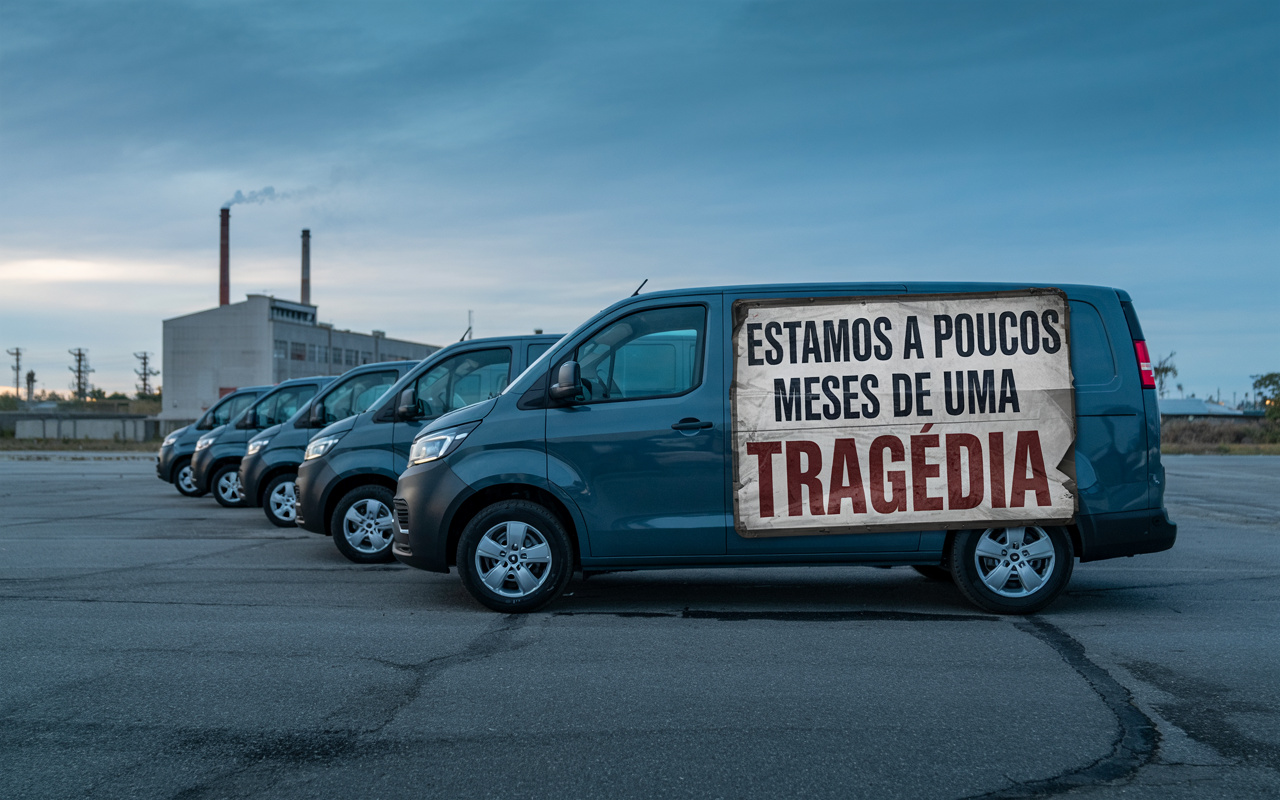
Stellantis Faces Difficulties With Stalled Electric Vans and Warns of Possible Plant Closings in Europe. The Crisis in the Automotive Industry Intensifies With the End of Combustion Cars in 2035, With Electric Vehicle Sales Falling Concerning the Sector
The global automotive industry is at a critical juncture. Amid the transition to electrification, Stellantis, one of the largest automakers in the world, is facing unexpected challenges. Stellantis’ electric vans, which were supposed to boost its entry into the sustainable market, are stalled, with sales falling short of expectations. Meanwhile, the company threatens to close plants if the end of combustion cars in 2035 is not revised, a deadline set by the European Union that has sparked intense debates.
Today we will explore the crisis in the automotive industry that directly affects Stellantis, detailing the reasons for the low demand for electric vehicles, the impact of political decisions on the sector, and the consequences for the European economy and labor market.
“If I pay this fine, I will have to close factories, it’s written,” because in the end it will be necessary to limit diesel vehicle production to meet the electric quota, explained Jean-Philippe Imparato.
-
Historic bankruptcy of Centauro shocks the market, and the century-old company puts more than 500,000 products, machines, and complete infrastructure up for online auction.

-
New shoe factory in Ceará is expected to create 400 jobs and strengthen the local economy.

-
No one imagined it, but a mixture of sawdust with a mineral that fights fires surprises scientists with a result that changes the course of fire-resistant construction.

-
From empty land to a high-end house, wooden construction uses a lightweight system, metal structure for the foundation, ventilated ceramic cladding, and special windows to create an efficient and comfortable living space throughout the year.


Stellantis Electric Vans: What Is Causing the Stall?
Stellantis’ electric vans were launched with great expectations, especially for commercial and logistics use, sectors that demand robust and efficient vehicles. However, recent numbers show a worrying reality: sales are declining and dealerships are accumulating inventories that the market cannot absorb.
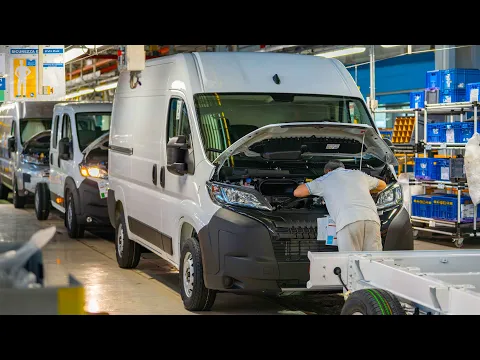

Diverse factors explain this situation. Firstly, the high price of electric vehicles, which are still significantly more expensive than their combustion counterparts, discourages small and medium-sized entrepreneurs, the main buyers of commercial vans. Secondly, the limited range and charging time remain drawbacks for those who rely on the vehicle for long daily journeys.
Moreover, the charging infrastructure is still insufficient, especially in areas outside major urban centers, which limits the viability of Stellantis’ electric vans in various regions. This lack of adequate infrastructure generates insecurity for consumers and directly impacts sales.
End of Combustion Cars in 2035: A Deadline That Could Generate a Crisis in the Automotive Industry
The decision by the European Union to establish the end of combustion cars in 2035 represents a milestone in environmental policy, but it is also a source of concern for the industry. Stellantis, like other automakers, argues that this strict timeline, without effective complementary measures, could lead to a crisis in the automotive industry.
The forced and rapid transition to electric vehicles pressures factories, supply chains, and the workforce, which still heavily rely on the production of combustion engines. Without a gradual plan, with robust investments in infrastructure and incentives, the sector could face significant drops in sales and production.
For Stellantis, the end of combustion cars in 2035 without a review could mean a sharp drop in demand for its current vehicles, worsening the company’s financial and operational situation.
Stellantis Plants at Risk: The Real Risk of Closure
The impact of stalled electric vans and strict environmental targets is already being felt in Stellantis’ operations. The company announced that if the conditions for the transition are not adjusted, it may close plants, especially in Europe, where it maintains a large part of its production.
The threatened Stellantis plants represent thousands of direct and indirect jobs. The cessation of these units would affect not only employees but also suppliers, distributors, and the economy of the regions where they are located.
The automaker warns that the combination of falling electric sales and the requirement for the end of combustion cars in 2035 could lead to this drastic decision if there is no flexibility in policies and greater government support.
Electric Vehicle Sales Falling and the Challenge for Stellantis in Europe
The European market, despite being one of the most advanced in terms of environmental legislation and incentives for electrification, is facing a slowdown in electric vehicle sales. Stellantis, in particular, has been feeling this deceleration.
In addition to the price and range of vehicles, other factors influence the declining electric sales. Among them are economic instability, rising energy prices, and a lack of consumer confidence in the durability and maintenance of electric cars.
This situation challenges Stellantis in Europe, which needs to not only adapt its products but also its business model, to regain competitiveness in a market that, although promising, still presents significant barriers.
Stellantis in Europe Combustion: The Dilemma Between Innovation and Sustainability
While working to expand its line of electric vehicles, Stellantis still maintains a significant operation in the production of combustion cars in Europe. This duality reveals a dilemma: the accelerated innovation towards sustainability versus the economic and social reality of the industry.
The investment required to adapt factories, train employees, and develop new technologies is high and takes time. Stellantis in Europe combustion faces pressure to rapidly decrease its traditional production, while the market and infrastructure are not yet fully prepared for electrification.
The company emphasizes that a more flexible deadline for the end of combustion cars would allow for a more balanced transition, preserving jobs and avoiding severe economic impacts.
Paths to Avoid a Crisis in the Automotive Industry and Secure the Future of Stellantis
In light of the current scenario, Stellantis and industry experts suggest a series of measures to avoid a crisis in the automotive industry. Among them is the urgent need to revise the end of combustion cars in 2035, considering more realistic and staggered deadlines.
Additionally, investment in charging infrastructure, tax incentives for electric vehicles, and fleet renewal programs are seen as essential to stimulate sales and the use of these vehicles.
Internally, Stellantis is betting on the development of hybrid technologies, increased battery range, and reduced production costs to make its models more attractive.
Cooperation between governments, automakers, and consumers is essential to create a sustainable environment that does not sacrifice jobs or jeopardize the automotive industry.
The Future of the Automotive Industry and the Importance of Balanced Decisions
We are at a pivotal moment for the future of the automotive industry, especially for companies like Stellantis that operate in a complex and transforming global market. The stalling of Stellantis’ electric vans and the real threat to factories highlight the challenges of a transition that must be made responsibly.
The end of combustion cars in 2035, despite being essential for environmental sustainability, cannot be imposed without appropriate planning that considers the current limitations of technology and infrastructure, as well as the social impact.
Finding a balance between innovation, job preservation, and sustainability will be key to avoiding a crisis in the automotive industry and ensuring that Stellantis remains competitive and capable of meeting market demands.









-

Uma pessoa reagiu a isso.