





 Portuguese
  English
  Spanish
  6 min of reading
  0 comments


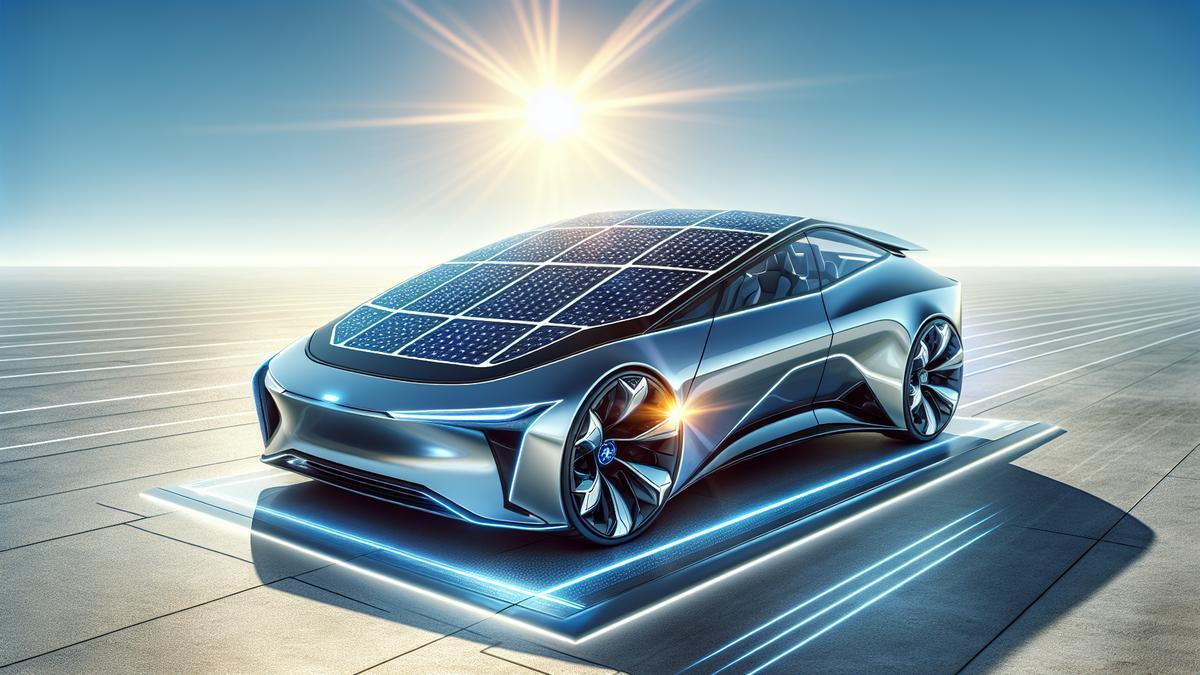
Discover Why We Still Don’t Have Cars Fully Powered by Solar Energy. We Highlight the Possibilities and Technical Challenges of Creating a Viable Solar Electric Car. Learn More About the Necessary Innovations and the Barriers That Need to Be Overcome to Make This Technology a Reality.
Have you ever imagined driving a car powered by the sun? Why don’t we have 100% solar-powered cars? Well, solar-powered cars have been on the engineering radar for decades. But despite the promises, there are still many barriers to overcome before these vehicles become common on the streets. Competitions like the World Solar Challenge show that the dream is closer than ever.
But achieving mass adoption depends on overcoming technical and economic challenges. How about learning a bit more about these obstacles and the future prospects of this green and innovative technology, and discovering why we don’t have 100% solar-powered cars?


Main Challenges in the Production of Solar-Powered Cars
Solar-powered cars have been a field of interest and research in engineering for several decades, but they still face significant obstacles to becoming a viable alternative for daily use. There are competitions like the World Solar Challenge, which demonstrate the potential of solar vehicles. However, mass adoption depends on several technical and economic factors.
-
The Toyota Hilux is R$ 75.5 thousand cheaper and bets on the 2.8 turbodiesel engine with up to 204 hp and 50.9 kgfm to catch up with the VW Saveiro, which leads with 4,472 sales.
-
The new Renault Koleos has a screen exclusively for the passenger that is invisible to the driver, heated rear seats, and 29 assistance systems, but its Chinese competitors cost R$ 40,000 less and deliver more power.
-
Europe records strong euro economy with solar energy in March and sparks curiosity about which country leads growth that redefines the energy market and reduces costs.

-
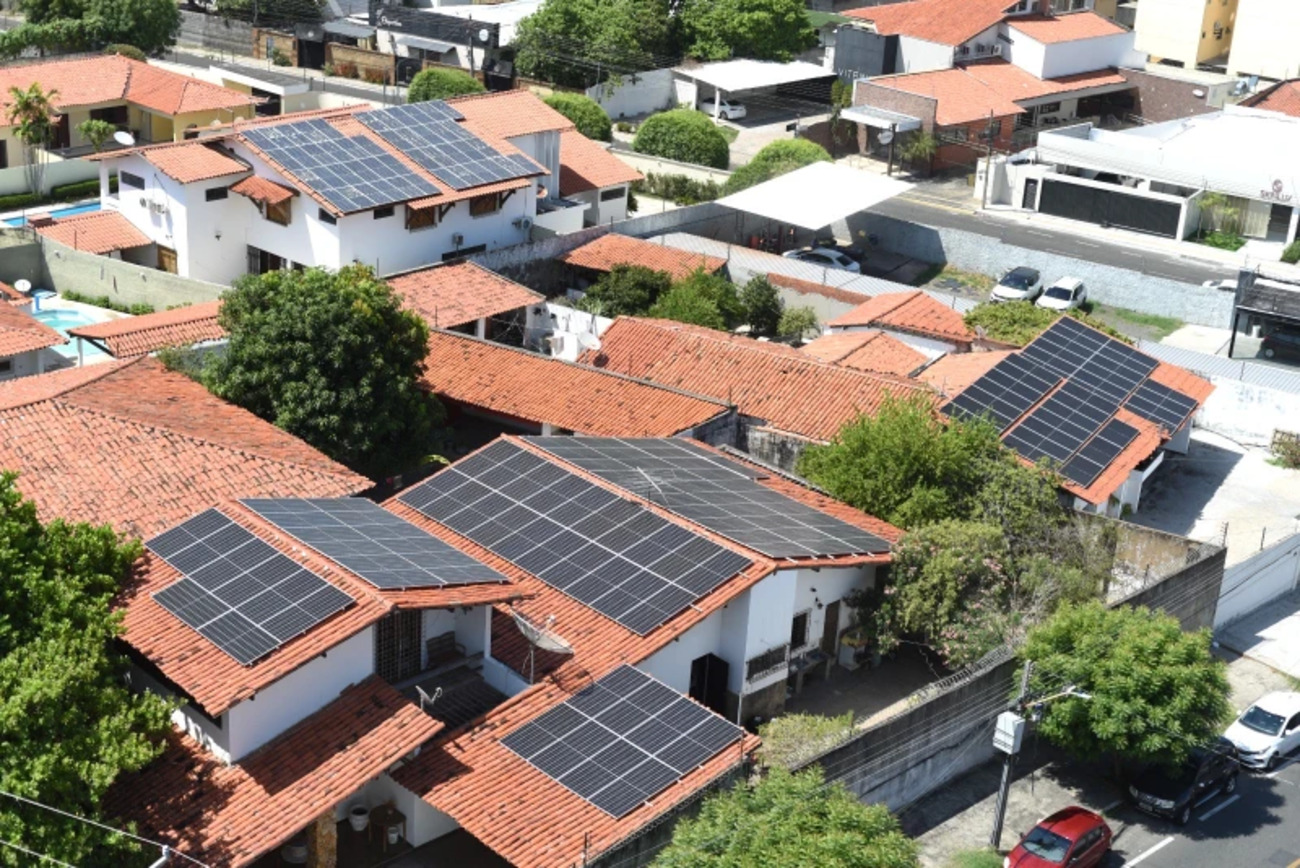
Piauí reaches a historic milestone in energy transition: State records nearly 160,000 households powered by solar energy and leads growth in the Northeast.

The solar radiation that reaches the Earth is dispersed and limited by the atmosphere. This complicates the efficient capture of energy, especially on cloudy days or in regions with lower sunlight incidence. The amount of solar energy available varies depending on geographic location and weather conditions.
| Factor | Impact on Energy Capture |
|---|---|
| Geographic Location | Regions near the equator receive more solar energy. |
| Climate | Cloudy and rainy climates reduce capture efficiency. |
| Time of Day | Greater capture during midday; lower during morning and afternoon. |
Limited Area for Solar Panel Application
The available surface on a conventional car for the installation of solar panels is relatively small. This means that the amount of energy that can be generated is quite limited. Compared to fixed installations, such as rooftops of houses, the area of a car does not provide enough space for large panels.
Current solar panels have an average efficiency of converting solar energy into electricity that is still not sufficient to constantly power a daily-use vehicle’s motor. The efficiency of solar panels is, on average, about 15% to 20%, which means that most of the captured solar energy is lost.
Energy Requirements
A typical car requires a substantial amount of energy to operate. Currently, solar panels can generate enough energy for small appliances, but not to power the entire system of a moving car. The energy needed to move a vehicle includes not only the motor but also other components such as air conditioning, entertainment systems, and lighting.
This Could Change in the Future; In Fact, It Is Already Changing!
Research is underway to improve the efficiency of solar panels. New technologies, such as perovskite solar cells, promise to significantly increase the amount of converted energy. These cells have the potential to achieve much higher efficiencies, which could make solar cars more viable.

| Technology | Average Efficiency |
|---|---|
| Crystalline Silicon | 15% – 20% |
| Perovskite | Up to 30% |
Future projects for solar cars could be optimized to maximize energy capture. This includes larger and more aerodynamic surfaces that increase sun exposure and minimize resistance to movement. Cars with futuristic designs could have integrated solar panels throughout the body, including the roof, hood, and doors.
A more practical option could be hybridization, where vehicles combine solar energy with other sources, such as rechargeable electric batteries. This would reduce the exclusive reliance on solar energy and improve the feasibility of daily use. Solar hybrid cars could use batteries to store solar energy captured during the day and utilize it when necessary.
The First Solar-Powered Car
The major innovation of the first solar-powered car was achieved by the company Lightyear, with the model Lightyear One. This vehicle represents a significant milestone in the automotive industry and in the search for sustainable solutions.
Equipped with solar panels integrated into the body, the Lightyear One converts sunlight directly into electrical energy to power its motor. This innovative technology promises to drastically reduce reliance on fossil fuels and harmful gas emissions.
The main advantage of the Lightyear One is its ability to operate with clean and renewable energy, harnessing sunlight, an abundant and free resource. Additionally, the car is equipped with advanced batteries that store the generated energy, allowing it to operate even on cloudy days or at night.
The development of the Lightyear One also highlights advancements in materials and engineering. The solar panels used are extremely efficient and lightweight, minimizing the impact on the vehicle’s performance. The harmonious integration between solar energy systems and traditional automotive components demonstrates an important step in the commercial viability of this technology.
Although there are still challenges, such as production cost and supporting infrastructure, the Lightyear One ushers in a new era for sustainable mobility, encouraging ongoing investments and future innovations.
Emerging Technologies
Perovskite solar cells are a promising innovation in the solar energy field. They are cheaper to produce and have the potential to achieve much higher efficiencies than traditional silicon cells. However, they still face durability and stability challenges that must be resolved before being commercially scaled.
The development of high-capacity and fast-charging batteries is crucial for the viability of solar cars. More efficient batteries can store more energy captured by the solar panels and provide energy more effectively to the vehicle motors.
The use of lightweight and durable materials can improve the efficiency of solar cars. Materials such as carbon fiber and aluminum help to reduce the vehicle’s weight, allowing it to use less energy to move.
Practical Applications
Urban Vehicles
Solar cars can be ideal for urban use, where the distances traveled are shorter and the average speed is lower. Compact and lightweight vehicles, equipped with efficient solar panels, can be a viable solution for transportation in cities.
Public Service Fleet
Solar vehicles can be used in public service fleets, such as waste collection and public transport. Implementing solar cars in fleets can significantly reduce carbon emissions and operational costs.
Solar Charging Stations
The installation of solar charging stations in strategic locations can facilitate the use of solar cars. These stations can provide renewable energy to recharge vehicle batteries, promoting the adoption of more sustainable technologies.
Although the technology for solar-powered cars presents many challenges, integration with smart grids could be a promising solution yet to be explored. With the advancement of smart grids, you could not only capture solar energy to power your car but also contribute excess energy generated back to the power grid. This would create a more efficient and interconnected system, benefiting both users and the community.
Moreover, it should be considered the positive impact that solar cars can have on the use of natural resources. A greater adoption of these technologies could lead to a significant reduction in fossil fuel use, promoting a cleaner and more sustainable environment. This would bring benefits not only environmentally but also economically by reducing operational costs in the long run.










-

2 pessoas reagiram a isso.