Portuguese
  Spanish


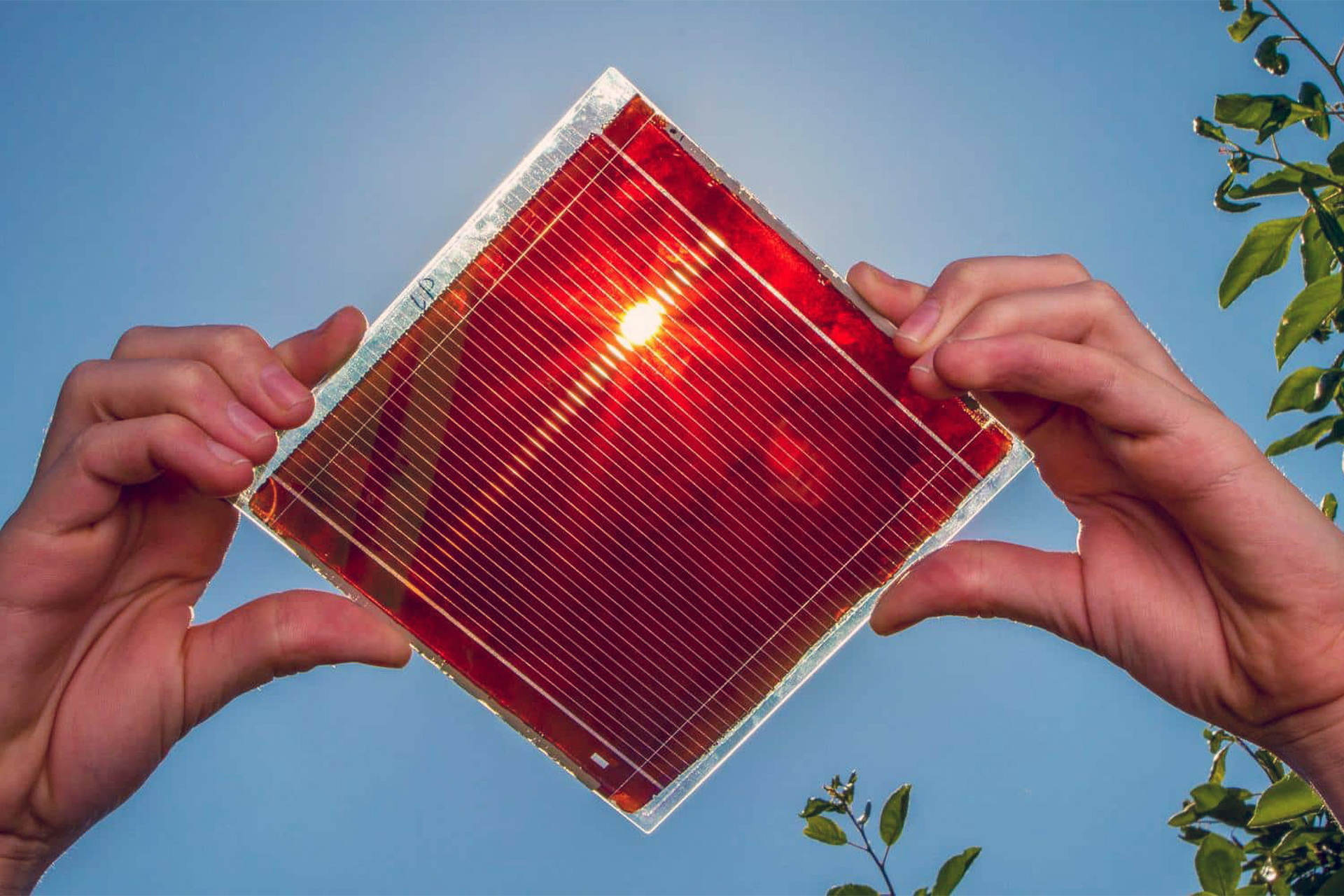

For The First Time, Researchers Have Broken The Record For Energy Generation By A Solar Panel Thanks To A Material Called Perovskite
Researchers in the field of solar energy have finally broken the 30% energy efficiency barrier with silicon solar cells, thanks to the combination of the material with a substance called Perovskite. Milan hosted the eighth Annual World Conference on Photovoltaic Energy Conversion (WCPEC-8), where the new discovery was eventually shared.
According to the researchers, achieving over 30% efficiency with the four-terminal device represented “a major breakthrough in accelerating the energy transition.” This signifies an increase in energy security by reducing dependence on fossil fuels.
The discovery was made by a group of researchers from various educational institutions and universities in the Netherlands. The researchers used a solar cell that combines the widely praised characteristics of Perovskite with those of conventional silicon-based silicon, which have an energy conversion efficiency of only 22%.
-
Fired during apartheid and with a little borrowed money, an electrician started with a borrowed truck and transformed electrical services into a group connected to energy, real estate, and infrastructure in South Africa.

-
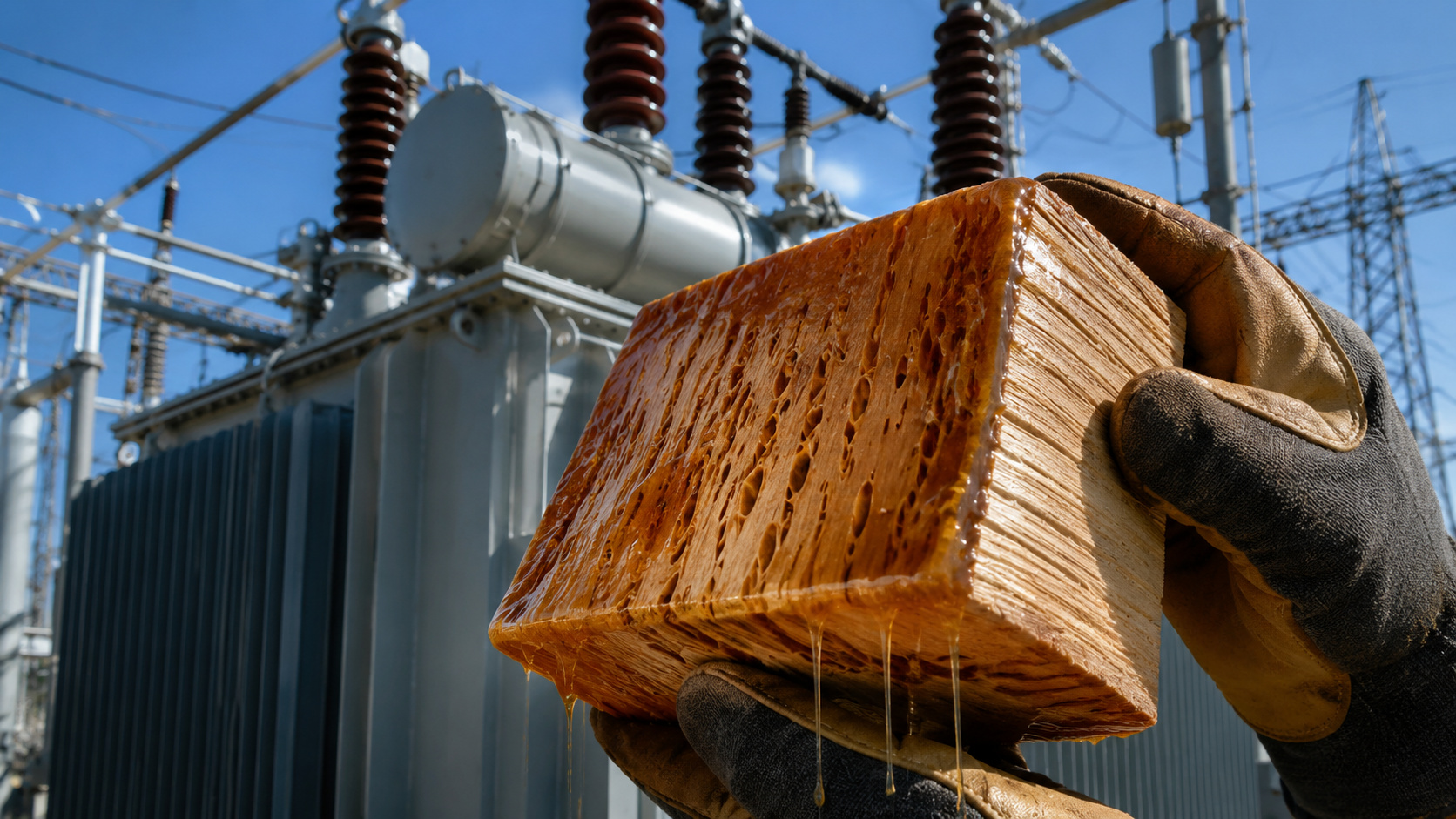
Wood has ceased to be just a construction material in Yale research and has become insulation for electrical transformers that face intense heat, aging, and increasing pressure from the renewable energy-powered grid.
-
More than 1,000 residents of a remote island in Kiribati now have clean water and electricity with solar systems operated by the community itself.
-
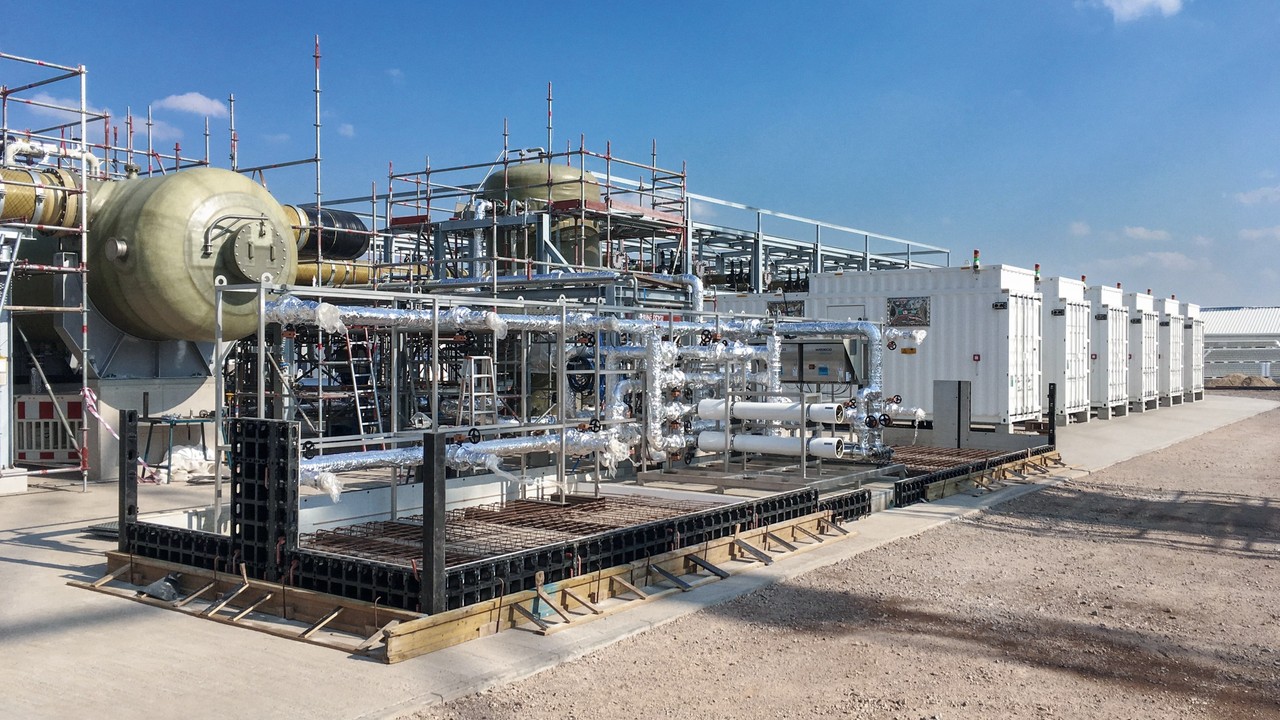
Ceará brings together 7 giants and R$ 66 billion to transform Pecém into the largest green hydrogen hub in Brazil, with final decisions expected by the end of 2026.



Scientists Responsible For The Discovery Of Perovskite Efficiency In Solar Energy Generation Aim To Commercialize The Technology Worldwide
Perovskite has been praised for its potential to revolutionize a wide range of sectors, including renewable energy generation and ultra-high-speed communications.
The researchers responsible for the latest record in solar cells are now working toward the goal of commercializing their technology for global deployment.
Professor Gianluca Coletti, program manager of the Tandem PV initiative, stated that we now know the elements and can regulate the necessary layers to achieve over 30% efficiency.
“Once we combine that knowledge with the experience and expertise in scalability that we have gained in recent years to bring materials and processes to a large area, we will be able to focus with our industrial partners on bringing efficiencies of this technology in mass production that exceed 30 percent.” he concluded.