





 Portuguese
  English
  Spanish
  4 min of reading
  0 comments


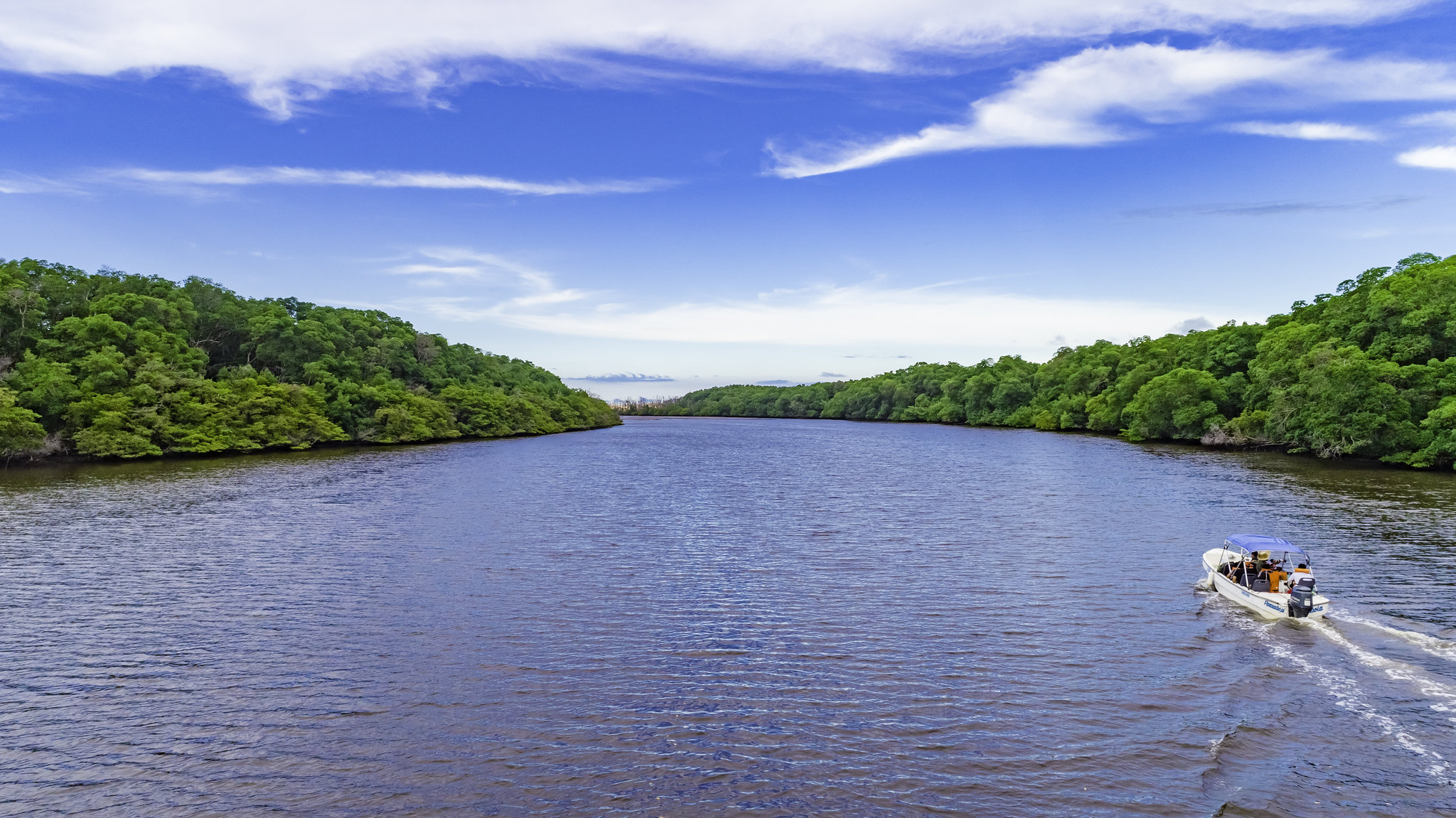
From the Hinterlands to Your Plate: How the Parnaíba River, with Over 3,000 km of Watercourses, Ensures Water, Energy, and Soy for Northeast Agriculture to Grow.
Have you ever stopped to think about the role that water plays in your food? That’s right, while we go about our daily hustle, there’s a silent giant in the Northeast ensuring that rice, beans, meat, and even coffee reach your table: the Parnaíba River. With over 3,000 km of watercourses, this watershed in the heart of Matopiba (Maranhão, Tocantins, Piauí, Bahia) is the engine that keeps agricultural production in the northeast thriving, watering fields of soy and corn and supporting livestock that feeds the entire Brazil. And it’s not just water, you know? It also generates energy and irrigation that keep the machines running and the pivots spinning under the northeastern sun.
The Parnaíba River and the Discreet Force of the Matopiba Watershed
The Parnaíba River originates in the Chapada das Mangabeiras and travels about 1,400 km until it reaches the sea, dividing Maranhão and Piauí and forming one of the most beautiful deltas in Brazil. But before it meets the ocean, it fulfills a hefty mission: to irrigate crops and pastures that sustain the agribusiness of Matopiba, a region that includes Maranhão, Tocantins, Piauí, and Bahia, known for being the new granary of the country. The Matopiba watershed, fed by this river and its tributaries, covers over 333,000 km² and keeps the pulse of the northeastern agricultural economy beating strong.


Along this route, the Parnaíba supplies irrigation systems that allow for large-scale production of soy and corn even in dry climate regions, making viable the growth of an area once seen as unproductive. With water, energy, and fertile soil, Matopiba has become a showcase for Brazil and the world.
-
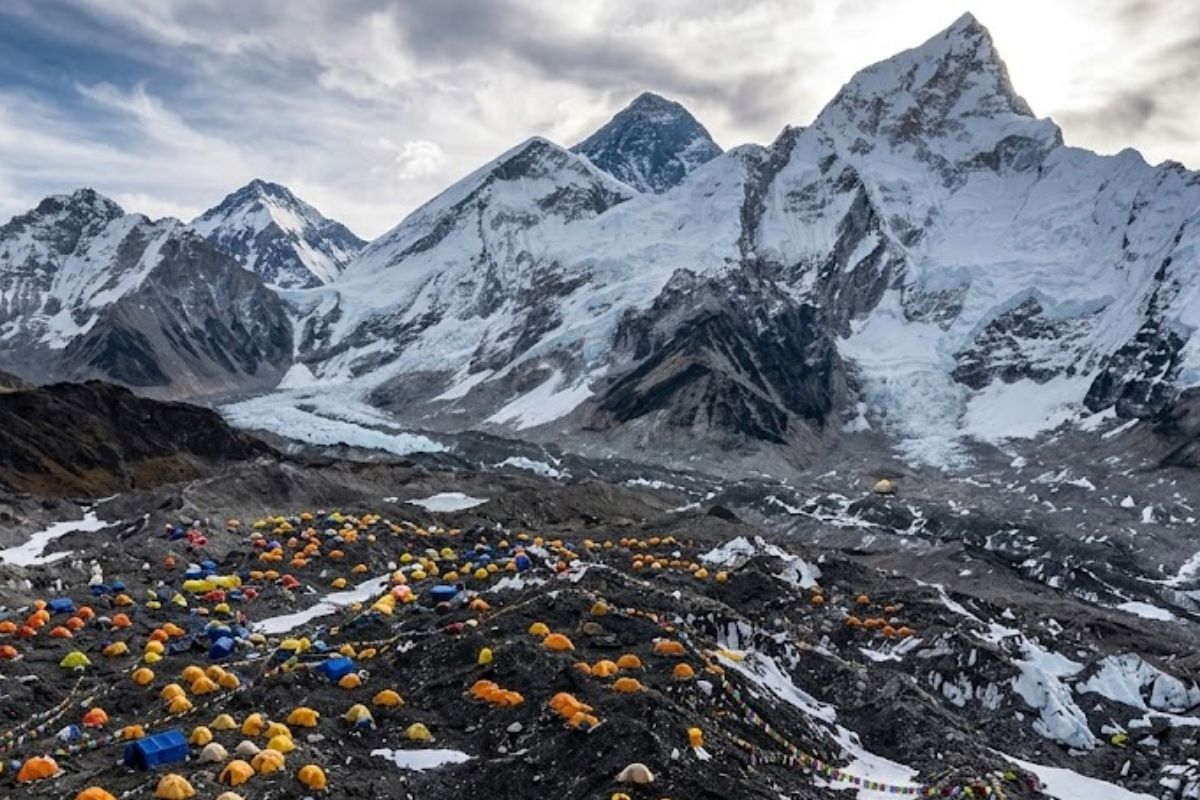
Tourists on Everest were poisoned by guides who mixed substances in food to provoke false symptoms of altitude sickness while helicopter operators and hospitals charged inflated rescue fees to insurance companies.
-
Few people know this, but Neil Armstrong, one of the most famous NASA astronauts in history, survived the Korean War after jumping from the plane during his seventh combat mission aboard the USS Essex aircraft carrier of the United States.

-
Diving with a camera in Lake Furnas reveals a submerged city with an entire street, almost intact houses, a preserved bridge, a wood stove, a Kombi, and even a bus at the bottom of the largest lake in the Southeast.

-
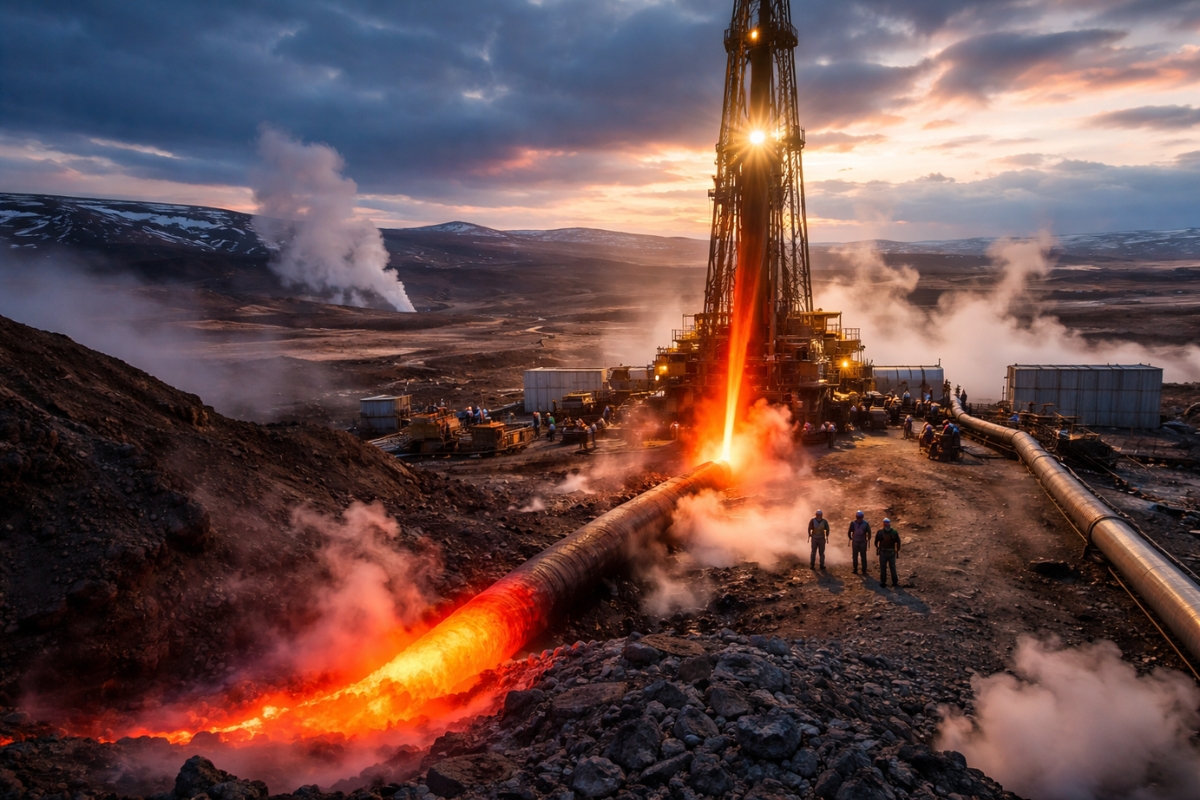
Iceland accidentally drilled into a magma pocket at 2,100 meters and revealed that the extreme heat beneath the crust could pave the way for a new source of continuous energy.

Energy and Irrigation: How the Parnaíba Moves Agriculture
When we talk about energy in the fields, we don’t always remember that a lot of that power comes from the Parnaíba River itself. The Boa Esperança Hydroelectric Plant in Piauí is powered by its waters and ensures energy for cities and the agribusiness sector that depends on electricity for irrigation, drying grains, storing, and processing food.
The Parnaíba basin is strategic for irrigation systems, with center pivots and channels that transform dry areas into green fields all year round. This makes a huge difference in the agricultural calendar, allowing producers to have double harvests of corn and soy and elevating agricultural production in the northeast to levels that rival traditionally leading states like Mato Grosso and Goiás.
Matopiba and the Revolution of Agriculture in the Northeast
It’s impossible to talk about Matopiba without discussing the future. This region is the next big thing in agriculture, and the Parnaíba River is the lifeblood that runs through the veins of this growing giant. To give you an idea, grain production in the region has already surpassed 35 million tons per year, and the expectation is that this number will continue to rise, with the help of investments in water and energy infrastructure.
The water from this river also helps livestock remain robust in the Northeast and North of Brazil, ensuring green pasture for cattle even during drier periods. And if you think that’s not much, consider that every piece of meat that reaches your plate has a story that involves irrigation, energy, and pasture, and in many cases, this story begins on the banks of the Parnaíba.
Challenges and Sustainability: The Future of the Parnaíba River
But not everything is rosy. The Parnaíba basin faces challenges of pollution, siltation, and uncontrolled water use in some areas, which require attention and responsible management. Without care, what is today a source of life for Matopiba’s agribusiness could become a bottleneck for the region’s development.
That’s why preservation initiatives, spring recovery, and rational water use are essential to maintaining balance. The integration between producers, government, and environmental entities is key to ensuring that the Parnaíba continues to be an ally of northeastern agriculture without compromising the environment.
Why Does This Matter to You?
It may seem distant, but the strength of the Parnaíba River in Matopiba has a direct impact on your life. Agricultural production in the northeast supplies Brazil with food, creates jobs, and drives the economy. With every grain of soy exported, every sack of corn sold, and every arroba of meat produced, there is the energy and irrigation ensured by the Parnaíba basin.
The next time you see news about the growth of agriculture in the Northeast, remember that behind the machines, harvesters, and trucks loaded with grains, there is a river making it all happen. The Parnaíba is not just a river; it is the silent engine that drives Matopiba and, with it, an important part of Brazil’s future.









Seja o primeiro a reagir!