





 Português
  Inglês
  Espanhol
  3 min de leitura
  0 comentários


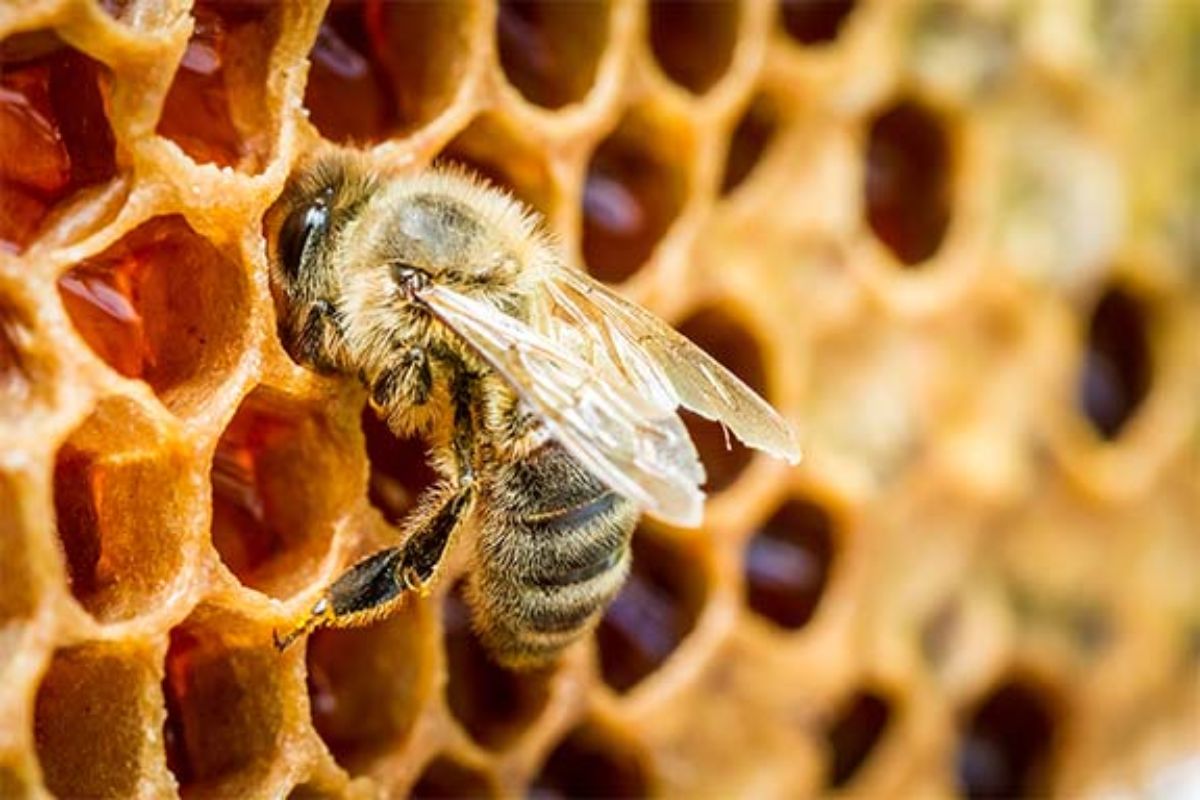
The Scientific Explanation of How the Combination of Low Humidity, High Acidity, and Sugar Creates a Superfood That Defies Time.
But what is the secret behind this “immortality”? The answer is not magic, but rather a perfect combination of chemical factors, a true engineering feat of bees. The reason honey does not spoil lies in three fundamental properties that create the most inhospitable environment possible for bacteria and other microorganisms.
Imagine opening a jar of food stored for 3,000 years and discovering that it is still perfectly edible. It sounds like science fiction, but it is exactly what archaeologists have found while exploring the tombs of pharaohs in Egypt: sealed jars of honey from millennia ago, whose contents were still preserved. This phenomenon makes honey the only food that does not spoil known to humanity, a true champion of nature against decomposition.
Is it true that edible honey was found in Egyptian tombs?
Yes, it is absolutely true, and this is the most impressive testimony to the durability of honey. The oldest honey in the world ever found was discovered in several Egyptian tombs, including that of the famous pharaoh Tutankhamun. Archaeologists reported that, upon opening the sealed clay pots, they found the honey in a liquid or crystallized state, yet biochemically intact and safe for consumption after millennia.
-
With an unusual prize, Japan transforms office chairs into a resistance race on the streets, ISU-1 Grand Prix grows, fills stages, and pays 90 kilograms of rice.

-
House in England with a 7.6-meter shark embedded in the roof attracts attention worldwide and becomes a curious attraction in Oxford.

-
Masterpiece in Spain, under construction since 1882, receives 4.8 million visits in a year and impresses with its gigantism and architecture.

-
Attracting around 250,000 people a year, a lighthouse 200 meters from the sea, on a 60-meter high cliff, on the North Sea coast in Denmark, becomes one of the most impressive examples of how nature can threaten historical buildings.


The ancient Egyptians valued honey not only as a sweetener but also for its medicinal properties and as a luxury item to accompany pharaohs in the afterlife. By sealing the pots hermetically, they, perhaps unknowingly, ensured the ideal conditions for the chemical properties of honey to preserve it throughout history.
What Makes Honey Antibacterial?
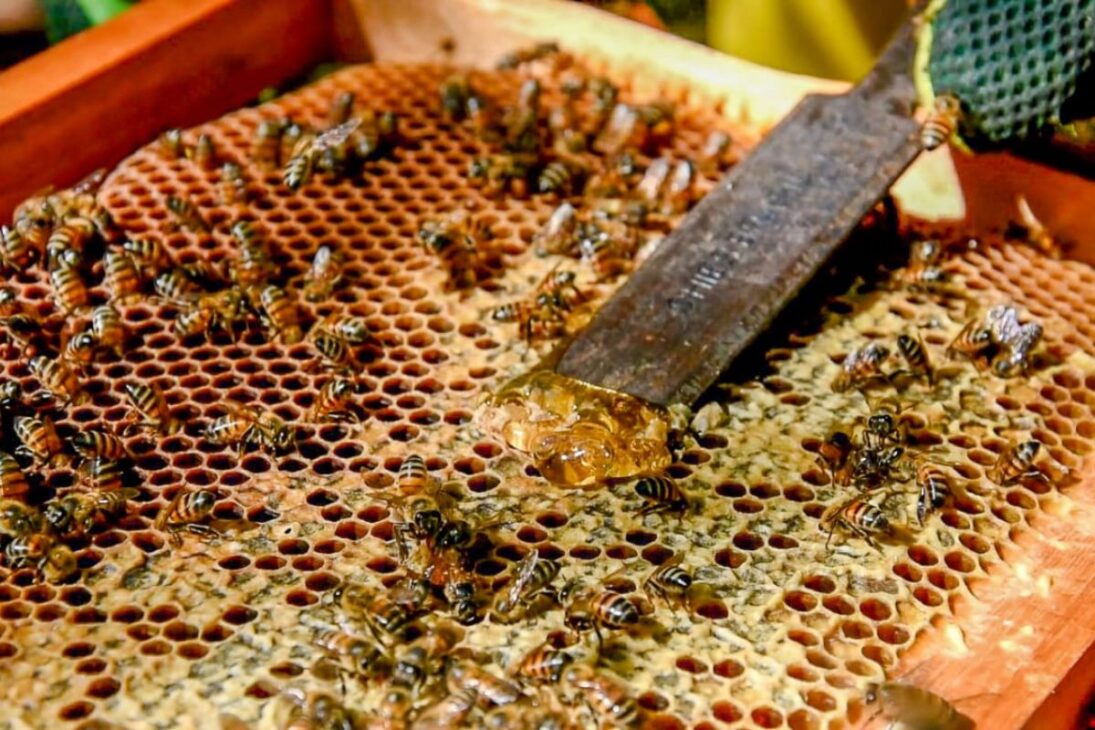
The resistance of honey to decomposition is due to three “shields” that work together. Understanding the chemistry of honey is understanding its superpower.
- Extremely Low Humidity: honey is, above all, a supersaturated sugar solution with very little water, with a moisture content of only 17% to 18%. Bacteria and fungi need water to survive and reproduce. In such a dry environment, these microorganisms simply dehydrate and die.
- High Acidity: honey is naturally acidic, with a pH level ranging from 3.5 to 4.5. This level of acidity inhibits the growth of the vast majority of microbes that cause the decomposition of other foods.
- Hydrogen Peroxide: bees add an enzyme called glucose oxidase to the nectar. When honey is slightly diluted (for example, when applied to a wound), this enzyme reacts and produces small amounts of hydrogen peroxide, the same substance found in hydrogen peroxide, a well-known antiseptic agent.
Why Does Honey Crystalize? Does Crystallized Honey Spoil?
It is a common myth that crystallized honey has spoiled. In fact, crystallization is a natural process and a sign that the honey is pure and of good quality. Crystallized honey has not spoiled in any way.
Crystallization occurs because honey is a solution with more sugar (mainly glucose and fructose) than water can keep dissolved. Over time, especially at lower temperatures, glucose tends to separate from the water and form solid crystals. To reverse the process, simply heat the honey jar in a water bath, with the water at a warm temperature (below 40°C), and stir slowly until the crystals dissolve again.
Does Honey Really Have No Expiration Date?
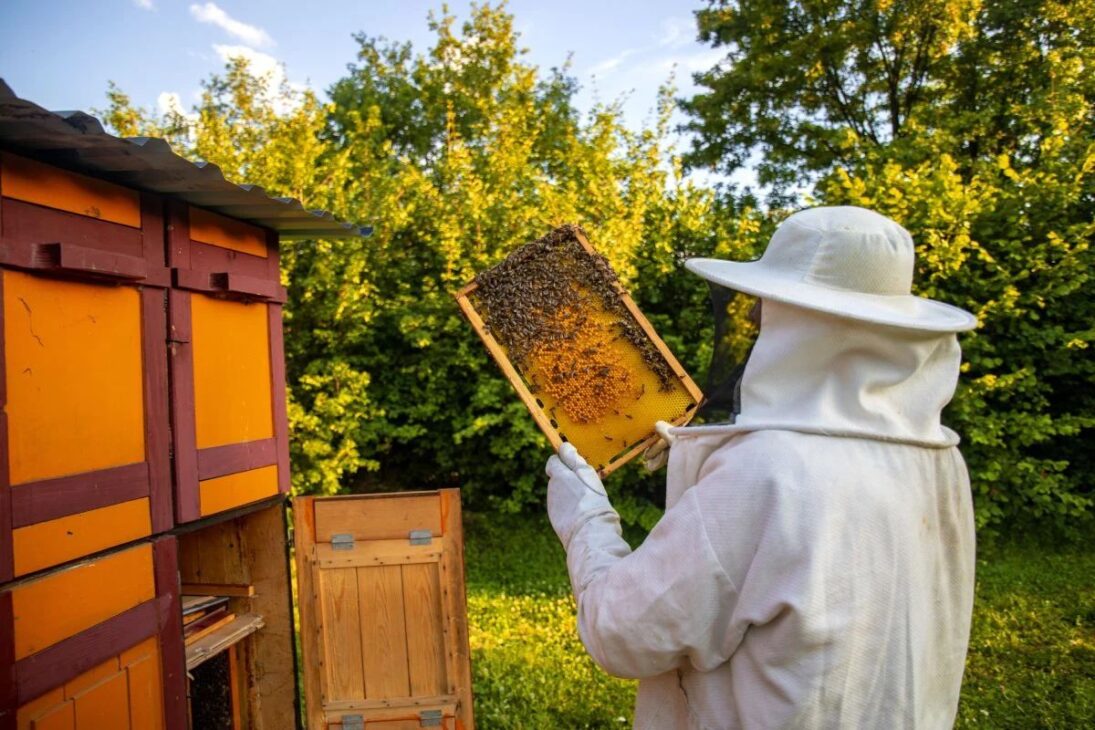
As long as it is pure honey and stored properly, it does not have a functional expiration date. The secret is to keep it in a well-sealed jar, protected from air moisture. If external water enters the jar, the moisture content can rise above 18%, allowing yeasts present in the air to begin fermenting the sugars, spoiling the product.
The expiration dates printed on commercial honey jars are a requirement of food legislation in most countries, serving as a quality guarantee from the producer regarding texture and color, but do not indicate that the product will become unfit for consumption after that date.
Did you know about this ‘superpower’ of honey? What other nature curiosities impress you? Share!








Seja o primeiro a reagir!