





 English
  Francês
  Alemão
  Italiano
  Japonês
  Norueguês
  Portuguese
  Spanish
 2 min of reading


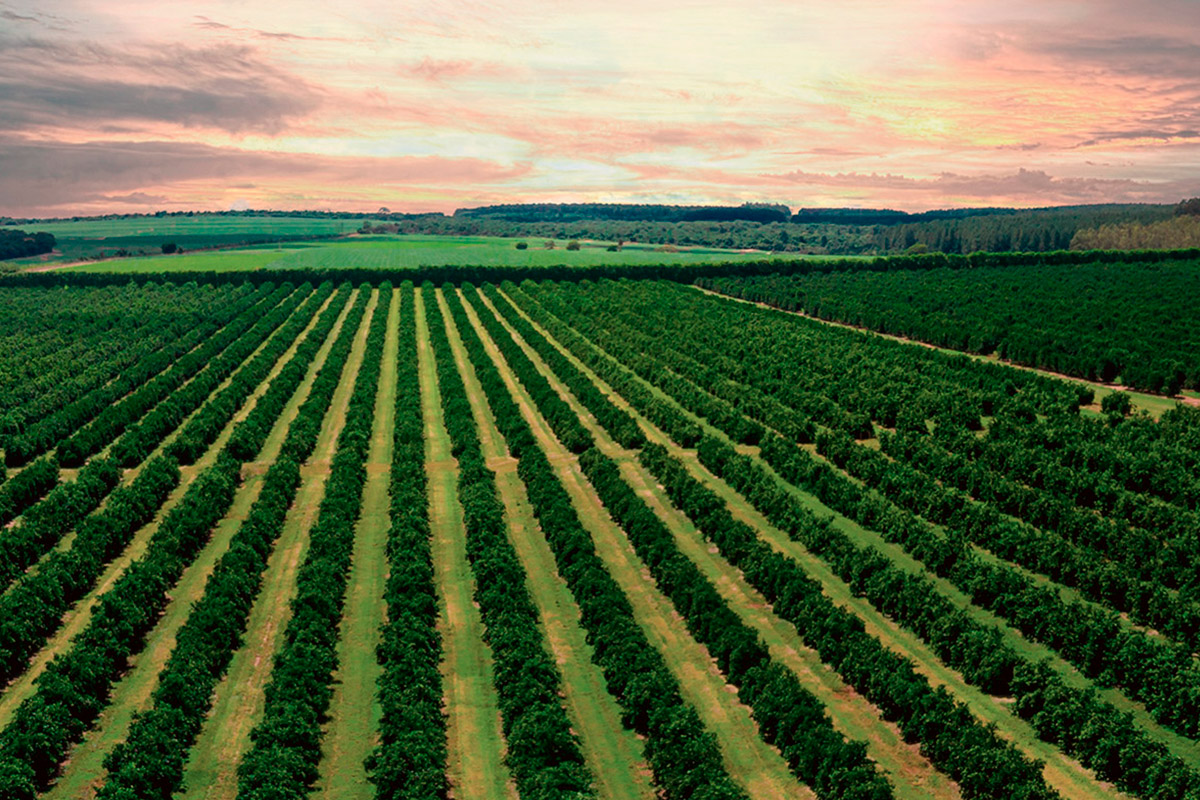
Embrapa Presented to the Secretary of Agriculture and Supply of São Paulo a Partnership Proposal to Enable Sustainable Solutions for São Paulo Agriculture Through Its GeoWeb System. The Initiative Aims to Contribute to the Development of Agriculture in the State, Boosting Production and Improving Food Quality.
It Enables the Preparation of Coverage Maps for the Five Main Social Programs Related to Agriculture in the State of São Paulo: Food Acquisition (PAA), Support for Rural Productive Activities, Tanks and Other Social Technologies for Water Access, Distribution of Food Baskets to Specific Population Groups, and Community Seed Banks.
The Secretary of Agriculture and Supply of the State, Antônio Junqueira, Stated That This System Will Be Important for SP Agriculture. The GeoWeb “Productive Inclusion in Your Municipality” Is a Digital Product That Enables Mapping, Territorial Analysis, and Evaluation of Federal Government Social Programs.
The System Also Offers Information About Food and Nutritional Insecurity and Self-Declared Farmers in the Unified Registry for Social Programs (CadÚnico). This Technology Was Developed Through Technical Cooperation Between Embrapa Territorial and the National Secretariat for Food and Nutritional Security (Sesan), Linked to the Current Ministry of Social Development, Family, and Fight Against Hunger.
-
Unemployment rises again to 5.8% at the beginning of 2026, raising alarms about the end of temporary positions and its impact on the Brazilian job market.

-
Document organization can cut invisible costs in small businesses, a simple step that prevents waste, rework, and losses in daily operations.

-
While Russia dominates the global wheat market, Brazil emerges as an unexpected competitor in the Cerrado, offering grain available in July and August when stocks in the Northern Hemisphere are at their lowest point of the year.

-
China returned almost 20 Brazilian ships with soybeans, but now everything could change: the country that buys 80% of the grain is considering relaxing regulations after impurities held up shipments of thousands of tons and caused million-dollar losses.

At the Last Meeting, Marcos Renato Böttcher, Executive Secretary of Agriculture and Supply of São Paulo; Orlando Melo de Castro, Undersecretary of Agriculture; Sérgio Tutui, Coordinator of the São Paulo Agency of Agribusiness Technology (APTA); Alexandre Berndt, General Head of Embrapa Livestock Southeast, in São Carlos; Daniel Souza Corrêa, Head of Research and Development of Embrapa Territorial; Gustavo Spadotti Amaral Castro, General Head of Embrapa Territorial; Stanley Robson de Medeiros Oliveira, General Head of Embrapa Digital Agriculture; and Ana Paula Contador Packer, General Head of Embrapa Environment, Were Present.
Low Carbon Emission Agriculture – Government Actions and Public Policies
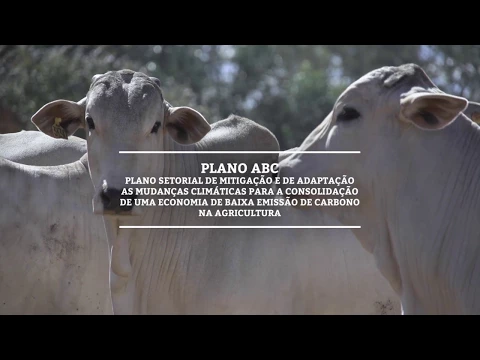

Embrapa
The Embrapa, Brazil’s Agricultural Research Arm, Celebrates 50 Years of Innovation in 2023. Over These Years, Embrapa Contributed to the Technological and Scientific Development of Brazilian Agribusiness, Creating Sustainable Production Alternatives for the Rural Sector.
The Institution Is Responsible for Various Innovations, Such as Genetic Improvement of Plants, Solutions for Environmental Problems Related to Agriculture, and Formulation of Public Policies. Through Its Projects, Embrapa Aims to Promote the Socioeconomic Growth of the Rural Population in Brazil.
Source: Sec. of Agriculture – SP









Seja o primeiro a reagir!