Portuguese
  Spanish


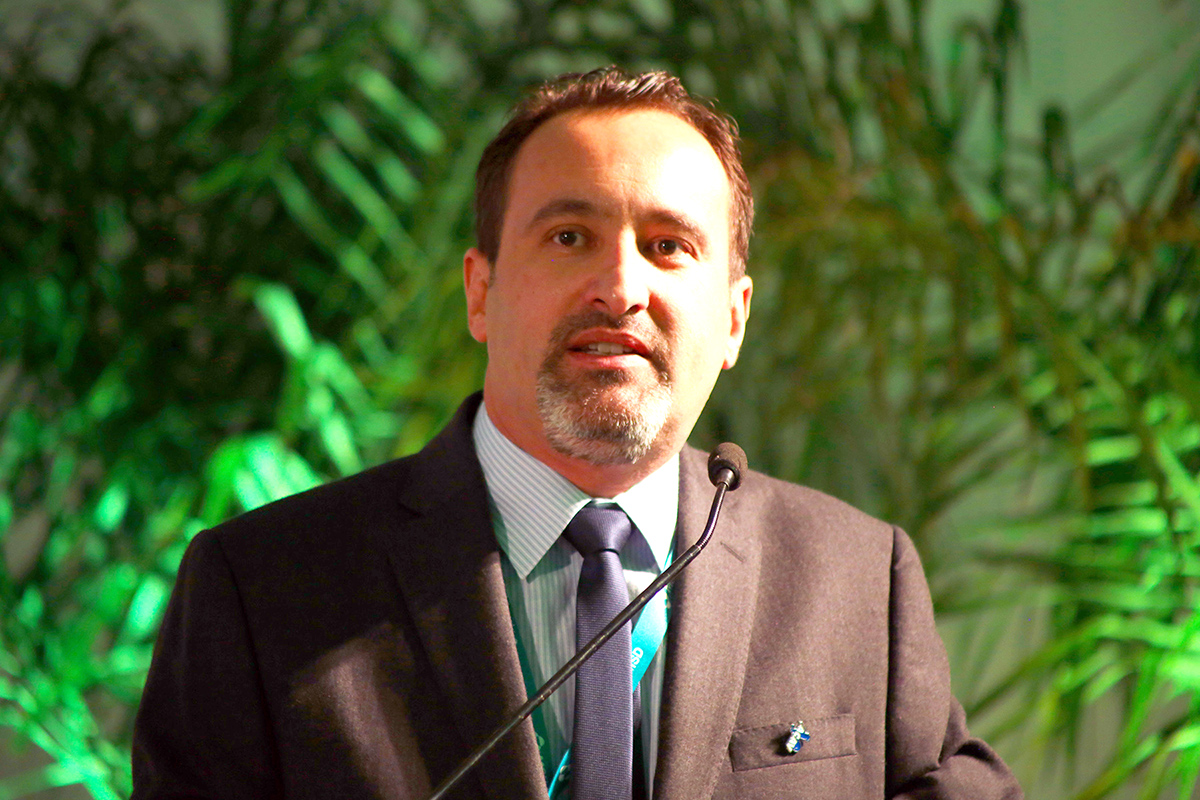

This Is What The State Of Santa Catarina Expects From The New Federal Administration And From President José Antonio Ribas Junior Of The Union Of Meat And Meat Products Industries Of The State Of Santa Catarina (Sindicarne).
At first, the leader stated that the supply chain is vast regarding meat productivity and they hope to participate and be heard in decisions that impact the sector. However, he says that as generators of wealth and responsible for feeding many in many places, “we want to see our demands considered in public policies and strategies.”
He also notes that “we all have political positions, but the election ended in November, the will of the people was expressed in a democratic environment. Now we all work for Brazil.”
Thus, the new administrators who will occupy federal and state positions must honor the commitments that are made. Furthermore, they must implement all the proposals approved by voters. In this way, the reindustrialization program of Brazil must be implemented by BNDES. Moreover, the president of Sindicarne says it is essential for the country to resume this priority.
-
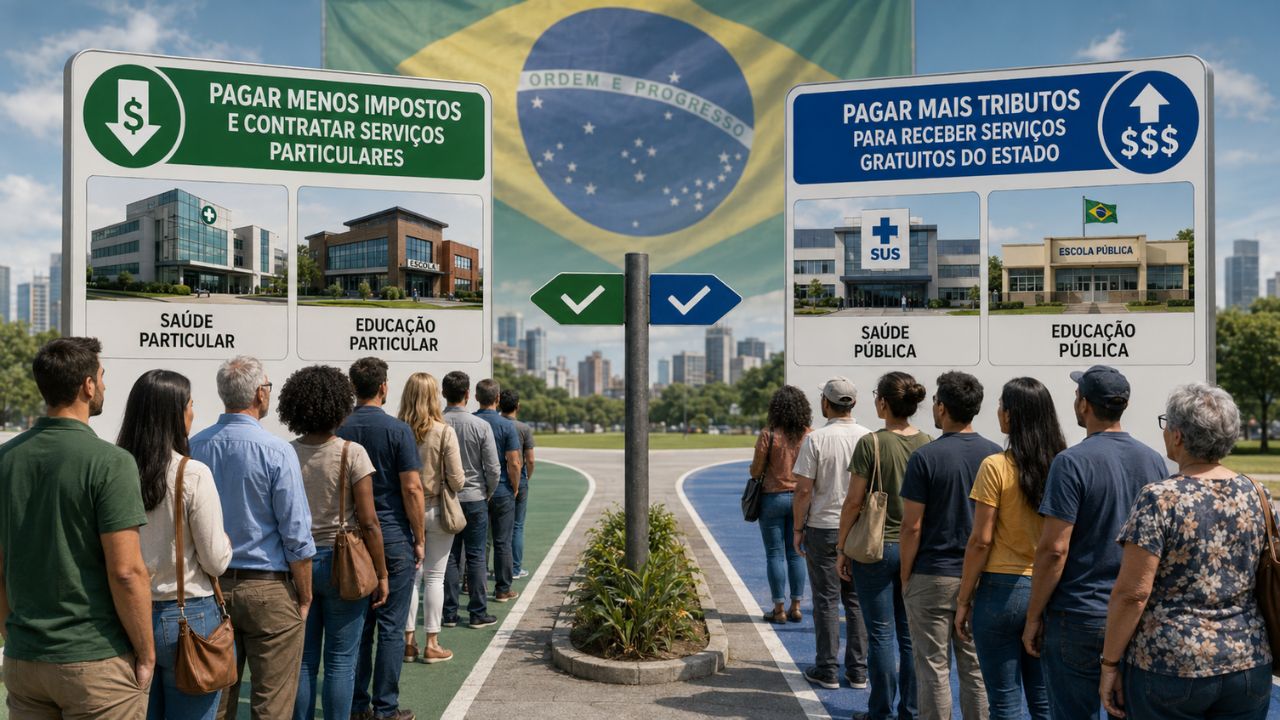
Half of Brazilians Prefer Lower Taxes with Private Health and Education, While 44% Opt for Higher Taxes for State-Provided Services, Datafolha Survey Reveals

-
Brazil’s Most Expensive Toll Rises to R$ 40.60 on Route from São Paulo to the Coast, Nearly Matching Bus Fare to Santos

-
At 35, Lawyer Leaves Corporate Career to Turn 1-Hectare Farm into Organic Supplier for Schools in Southern Brazil
-
Solar-powered agricultural robots operate 24/7, remove weeds with 8mm precision, and aim to cut herbicide use without fuel consumption in the fields.




He also mentions that “We have lived through years of deindustrialization. The First World industrialized, generated wealth, and still reaps its fruits today. China invests in education, technology, and industries across all sectors as a foundation for prosperity and as a matter of national security and sovereignty. Brazil has not experienced the fullness or maturation of this cycle. We lack industries in various sectors. From basic industries to cutting-edge technologies.”
It is worth noting that entrepreneurship, along with Brazil’s industrial and commercial development, relies on legal security and stable political conditions over time. Access to credit is fundamentally important for political and democratic stability. Sindicarne also laments that Brazil’s industrial park is old and of limited efficiency, also due to low competitiveness compared to China.
In this case, Brazil can become a very important alternative for the world through modernization and even creating an attractive environment for investments. Therefore, an excellent state plan will be necessary and not just a government plan. However, what worries agribusiness are some measures from the new government plan, taxation of agricultural inputs, and even the withdrawal of some incentives or tax exemptions for the food industry.
According to the president of Sindicarne, it would be counterproductive for the Federal Government to discourage investments in agribusiness. Finally, he states, “The government can and should see us as partners, and together we will boost our development.”