Portuguese
  Spanish


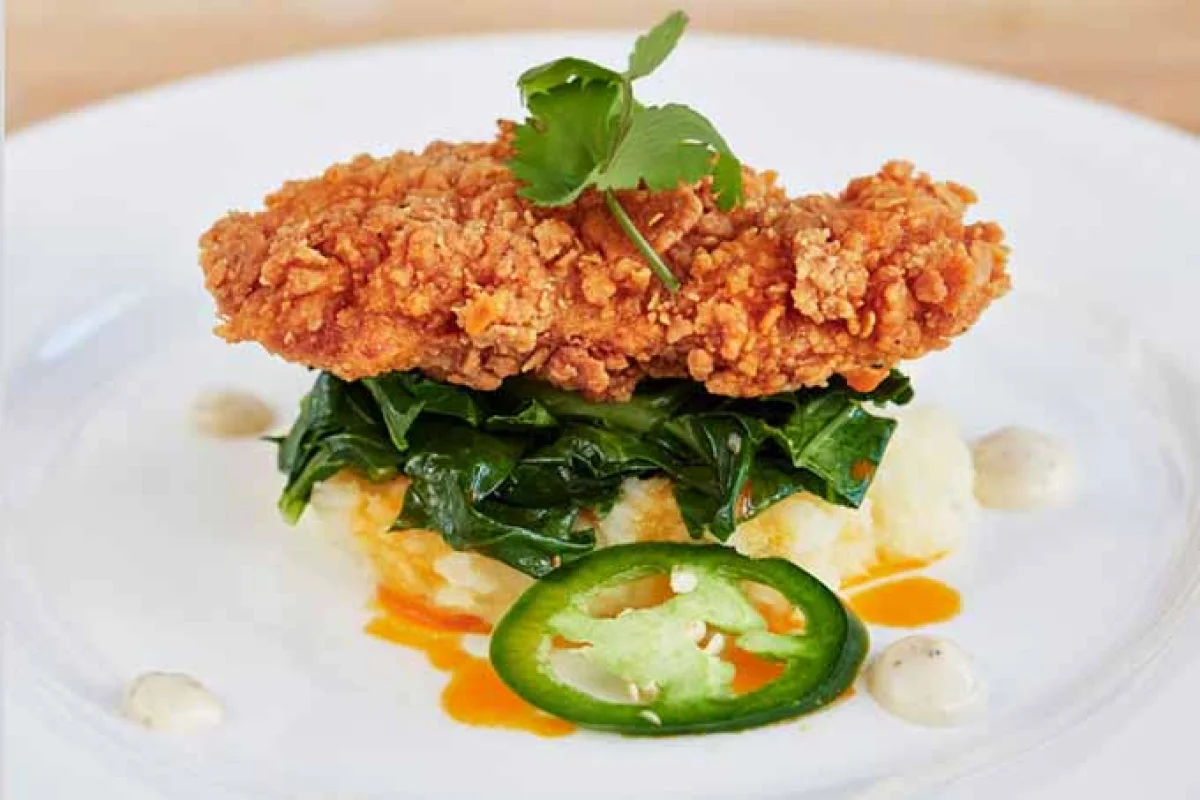

Embrapa Swine and Poultry, which has its headquarters in the municipality of Chapecó (SC), is at the forefront of a pioneering study here in Brazil for the development of lab-grown chicken meat cultivated under controlled conditions.
Embrapa announced this week that the new product, which is intended to resemble sassami, in the form of prototypes of boneless chicken breast fillets, should be ready for nutritional and sensory analysis by the end of 2023.
Like some alternative proteins, this technology recreates animal tissues in laboratories using animal cells, providing meat analogous to natural products. It is still an innovation that meets current consumer trends and also value addition. This project is funded by GFI (The Good Food Institute), a non-governmental organization that works on fundraising and financing global projects.
For protein production, cells are extracted from an animal and then cultivated. The final product can be used for the production of unstructured foods, such as sausages, fillets, steaks, and hamburgers.
-
At 14 years old, she worked in a factory in Hong Kong, studied economics abroad, and then entered the Chinese real estate market, which helped change the landscape of Beijing.

-
While NATO secured more than $10 billion in missiles and space surveillance at a single forum, Brazil still spends 1.1% of its GDP on defense and is stalling its own anti-aircraft system.

-
Producer receives news and had to cull almost the entire herd, bounced back with the help of compensation, and is now producing 450 liters of milk per day in SC.

-
Corn ethanol attracts R$ 23 billion in 21 new plants and prepares for a nearly 50% jump in Brazilian production by 2027, even with high interest rates.


“This has been a topic of discussion for some time. But the economies of scale are developing now because the technology is becoming more viable, and thus investments in the development of these alternative proteins have begun to keep pace with this moment and are growing larger,” says the researcher and project leader, Vivian Feddern. “Besides the technological forefront, we can offer technology and/or alternative proteins to companies in Brazil and importers of livestock products.”
According to Feddern, three-dimensional structures of bacterial nanocellulose will be used, which were initially developed at UFSC (Federal University of Santa Catarina). These structures will exhibit characteristics similar to decellularized chicken breast cuts in terms of appearance and size, and for this reason, they will be used as a support for the cultivation of some cells. These cells will be placed in the cellulose using perfusion techniques.
According to her, cultivated meat presents an alternative form of conventional meat production; thus, it does not aim to replace conventional products, which are well established in the world, but still has the potential for coexistence of both forms of production.
This production of meat products in in vitro conditions also emerges as a complement to the protein supply demanded by the growing population, which has the potential to transform the meat protein business, with far-reaching repercussions for the environment, animal welfare, and human health.
In addition to all this, for Embrapa, this cultivated meat has the potential to alleviate ethical, environmental, and even public health concerns associated with conventional meat production, including GHG emissions, land and water use, foodborne and zoonotic diseases, and animal slaughter.