





 Portuguese
  English
  Spanish
 4 min of reading
  0 comments


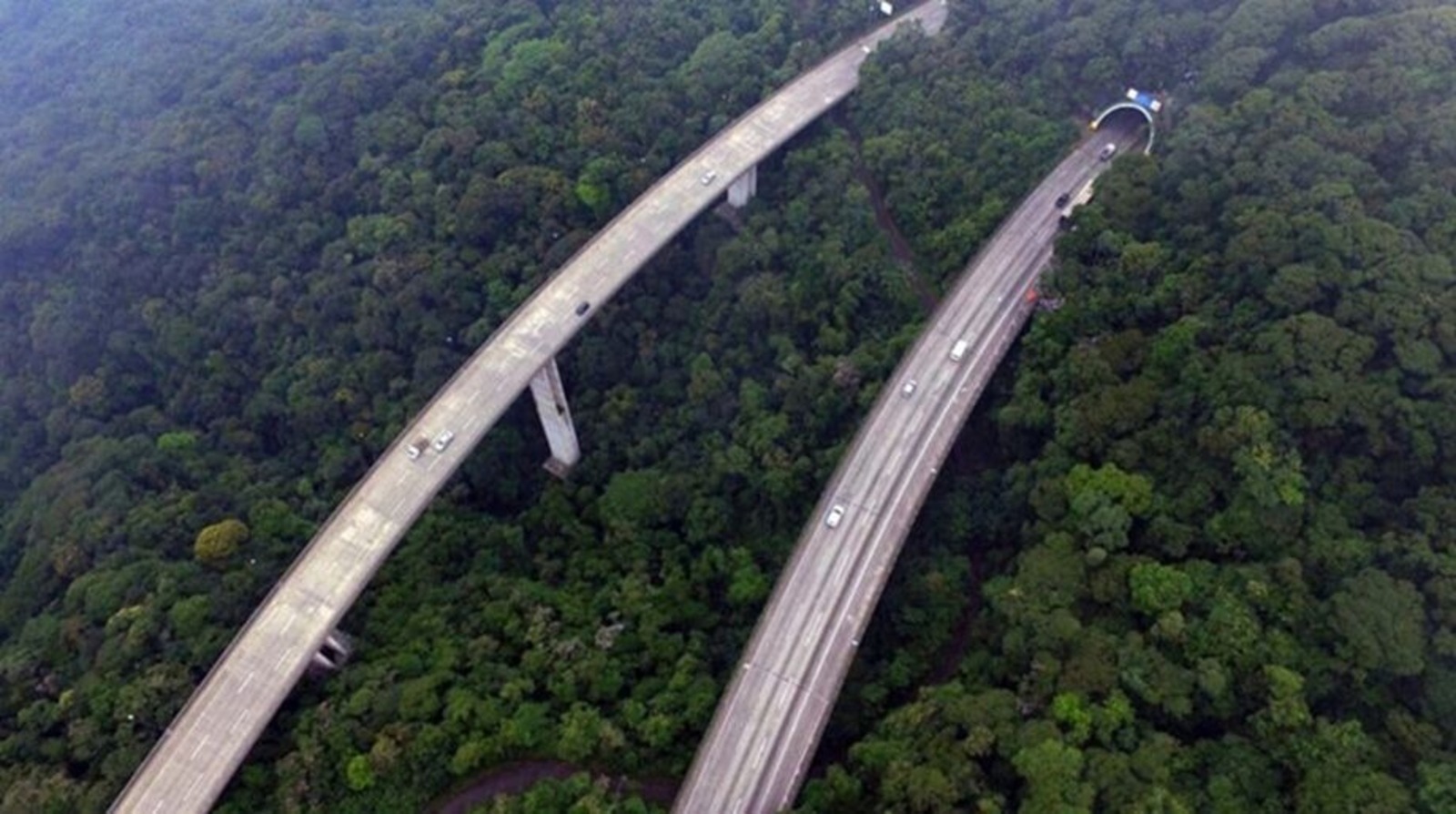
Rodovia dos Imigrantes (SP-160) Brings Together 20 km of Mountain Supported by Viaducts up to 70 Meters, 14 Tunnels, and a New Track Project with a 6 km Tunnel That Could Become the Largest Highway in Brazil
The Rodovia dos Imigrantes (SP-160), a road connecting the São Paulo capital to the coast, has become a reference for Brazilian road engineering by incorporating 20 kilometers of mountain with viaducts up to 70 meters high, 14 tunnels, and technology systems for monitoring and security within the Atlantic Forest.
Engineering of the Elevated Road over the Mountain
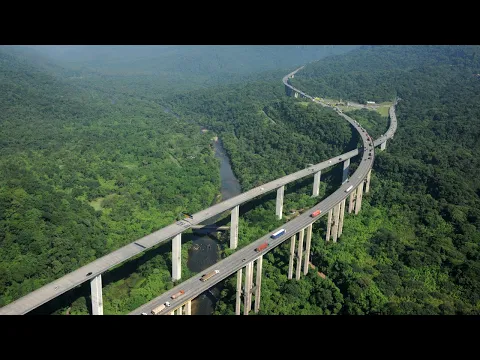
In the mountain section, the highway features a layout that appears to be suspended above the forest.
Elevated viaducts supported on a few pillars sustain wide and gentle curves, allowing traffic even in mountainous terrain.
-
These are the drivers who may stop paying tolls on highways in a project that promises to reduce costs for those who live from transportation in Brazil.

-
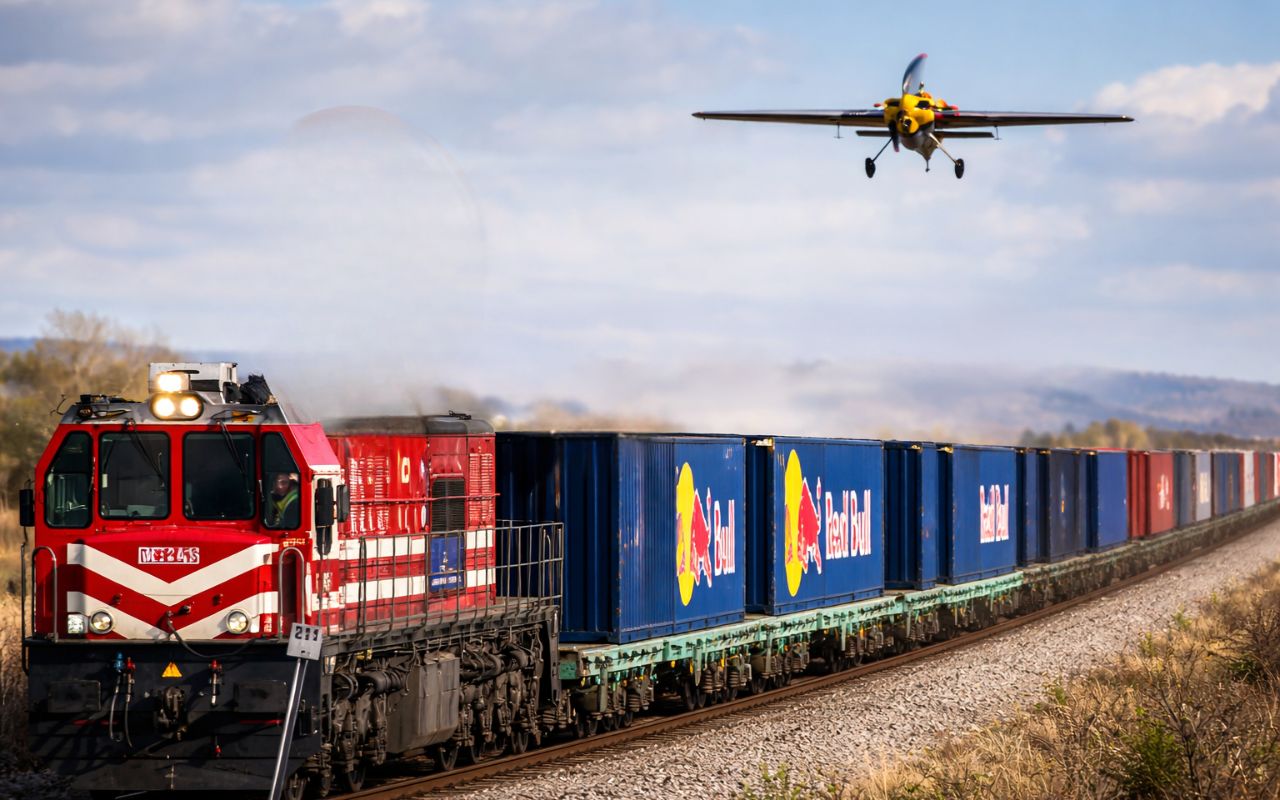
(Video): Italian pilot lands plane on moving train at 120 km/h and achieves unprecedented feat in aviation, even with a narrow runway and without direct visual contact.
-
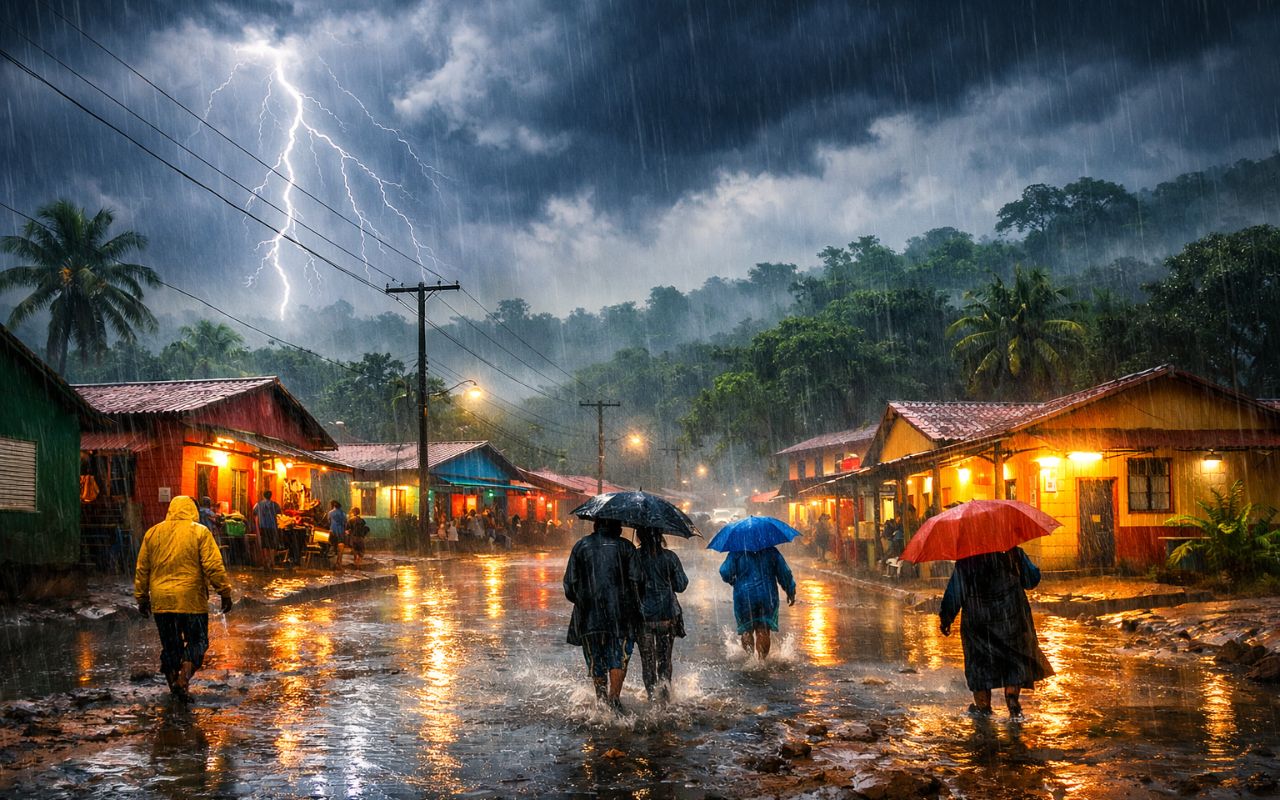
It seems to have come out of a science fiction movie: A Brazilian city where it rains almost every day, recording over 4,000 mm per year, driven by climatic factors — a direct result of its strategic location in the Amazon.
-
The water crisis that could change everything this year has already begun; it’s not just about the climate, it affects technology, raises product prices, and can halt entire companies without warning.


The geometry of the road was designed to reduce risks in adverse weather conditions. Frequent rains and fog are common characteristics of the region and required engineering solutions that avoided very steep ramps and sharp curves.
The viaducts can reach about 70 meters in height. This structure allows for a more stable layout along the descent of the mountain, preserving traffic flow and ensuring greater predictability for drivers.

Traffic Safety and Monitoring System
The operation of the highway includes specific mechanisms aimed at road safety. In critical visibility moments, such as heavy fog, a safety convoy may be activated.
In this system, vehicles from the concessionaire and the Highway Military Police lead vehicles at low speeds.
This measure aims to reduce collision risks and prevent pile-ups during periods of low visibility.
In addition, the road has a continuously operating monitoring system. Cameras, sensors, weather stations, and variable message boards provide real-time information about rain, wind, temperature, and vehicle flow.
This data is used to guide drivers and support operational decisions related to traffic.
The information displayed on the boards helps adjust speeds and alerts about road conditions.
Extensive Tunnels and Environmental Preservation Model
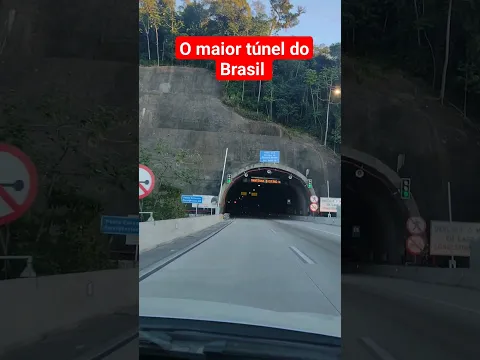
Another striking element of the highway is the presence of long tunnels. In total, the Rodovia dos Imigrantes has 14 tunnels distributed along the route.
Some of them exceed 2 kilometers in length. On the southbound lane, built later for the descent to the coast, three large tunnels concentrate more than 8 kilometers excavated in rock.
During the construction of the road, engineers adopted strategies aimed at reducing environmental impacts.
Among the measures were increasing the distance between pillars and reducing the deforestation area.
Treatment systems for the water used in excavations and mechanisms to preserve natural watercourses in the region were also implemented.
This set of initiatives led the project to be cited by the Inter-American Development Bank as a model of environmental management.
The concessionaire responsible for the highway also received ISO 14001 certification related to environmental management.
New Track May Include 6 Kilometer Highway Tunnel
Expansion projects for the Rodovia dos Imigrantes foresee the construction of a third lane in the mountain section. The plan indicates an approximate length of 21.5 kilometers.
Of this total, about 17 kilometers should consist of tunnels and approximately 4 kilometers of viaducts. Among the elements planned is a tunnel approximately 6 kilometers long.
If implemented as planned, it could become the largest highway tunnel in Brazil. The new lane will follow similar principles to those applied in the current structures.
The project includes intelligent ventilation systems, climate monitoring, and advanced technology for incident detection. The proposal also anticipates solutions aimed at reducing environmental impacts.
Route Combines Engineering and Scenery of the Atlantic Forest
For those traveling the route, the descent down the Rodovia dos Imigrantes offers an experience marked by constant changes in scenery. The road reveals different landscapes along the mountain.
Sections of low fog alternate with illuminated tunnels and open views of the Baixada Santista. As the journey progresses, the humid climate of the mountain gradually gives way to the heat at sea level.
Drivers who frequently use the highway report that each descent presents different characteristics. The variation in light, clouds, and vegetation makes the route offer distinct perceptions with each trip.
In addition to connecting São Paulo to cities like Santos, São Vicente, and Praia Grande, the highway has transformed the very journey into part of the travel experience.
The combination of engineering, scenery, and safety systems has established the road as a landmark of Brazilian infrastructure and one of the most studied routes in road engineering in the country.
With information from Diário do Litoral.




-

-

-

4 pessoas reagiram a isso.