





 Portuguese
  English
  Spanish
  6 min of reading
  0 comments


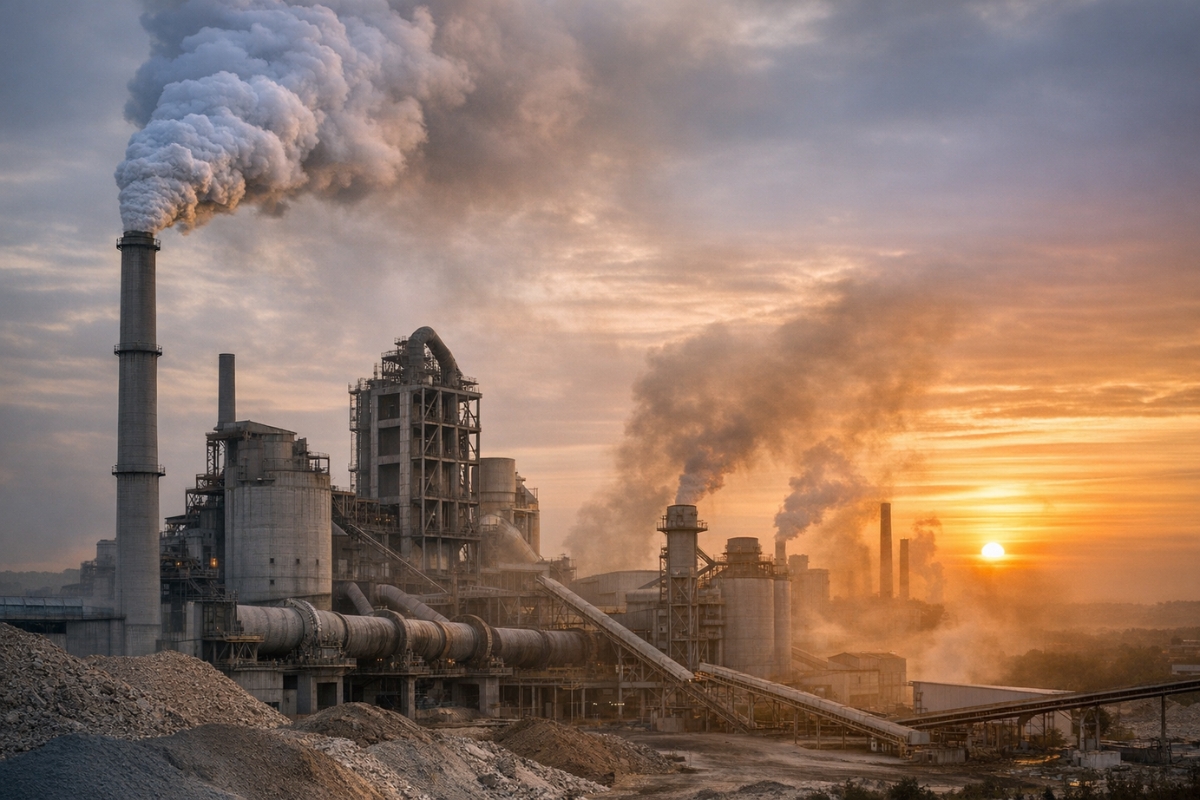
More Than 60 Startups Are Trying to Reinvent Cement Around the World to Reduce CO₂, Change Production, and Pressurize a Central Sector of Construction.
Cement remains at the heart of modern infrastructure. It is found in homes, bridges, roads, hospitals, and large projects that support urban growth. At the same time, it has become one of the biggest challenges of the global climate transition.
The pressure has increased because this material, essential for civil construction, accounts for a significant share of global emissions. Today, the cement and concrete sector is responsible for around 7% to 8% of global CO₂ emissions, a burden that has already put the industry in the spotlight for investors, companies, and governments.
Why Cement Has Become Such a Great Climate Problem
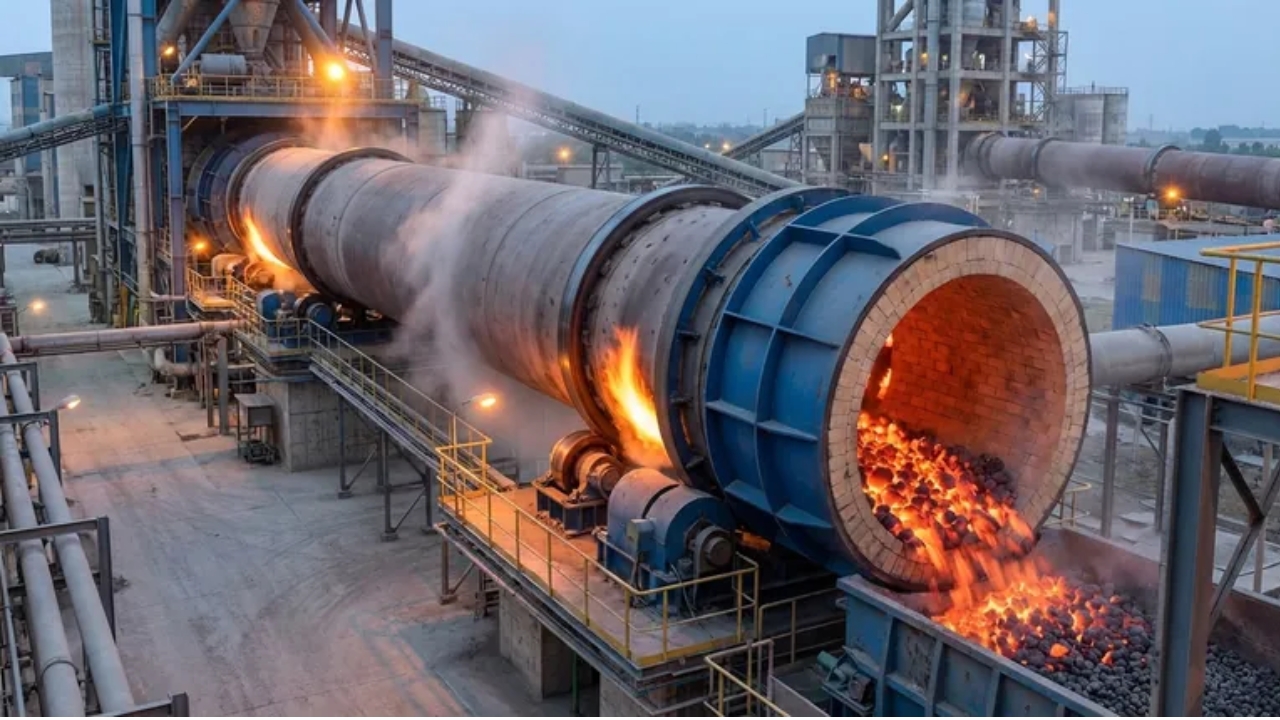
The difficulty begins within the industrial process itself. To manufacture clinker, which is the basis of traditional cement, the industry needs to heat limestone and other materials at temperatures exceeding 1,400 °C.
-
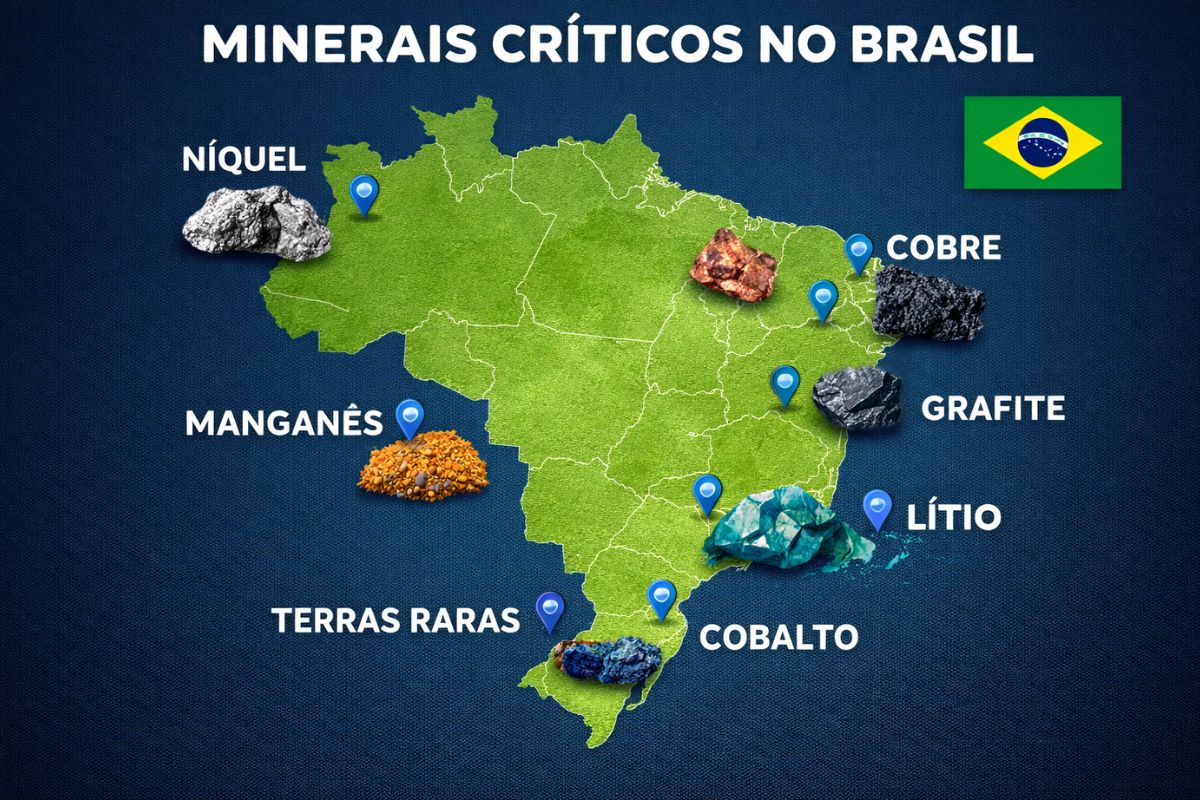
The rapporteur of the critical minerals project said today that Brazil will not create a state-owned mining company, but Lula has already discussed the creation of Terrabras with ministers last Friday, and the United States has already invested 565 million dollars in a Brazilian mining company without waiting for a response from the government.
-
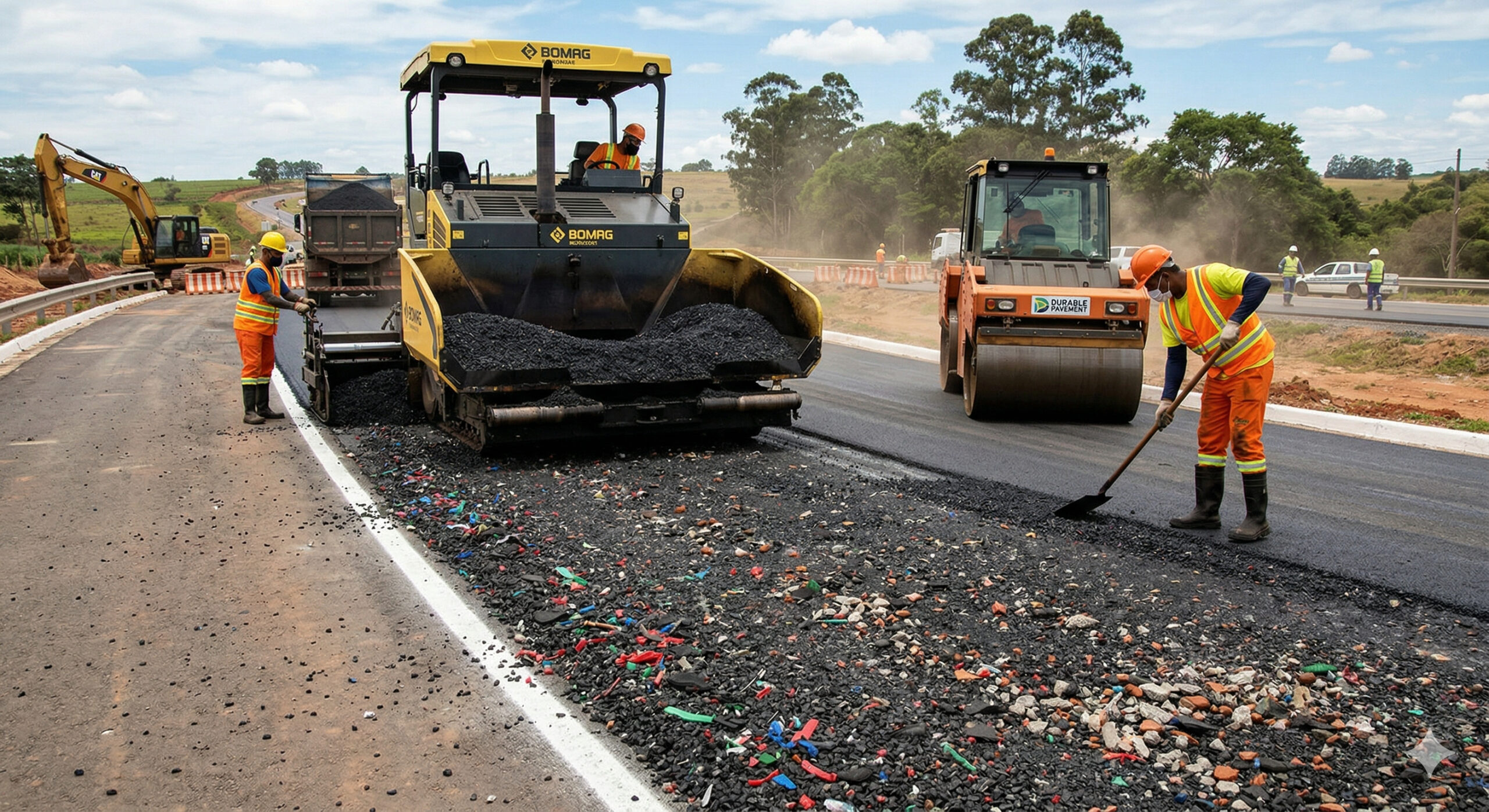
Roads made with recycled plastic, crushed tires, and construction waste are already being applied in several countries, reducing tons of waste in landfills and increasing the durability of the pavement by replacing traditional materials.
-
Drones have become “insects” and spread native seeds to recover inaccessible areas; the Bacias & Florestas program, for 15 years, has planted 3 million trees and restored 15 thousand hectares, despite costs of up to R$ 25 thousand/ha.

-
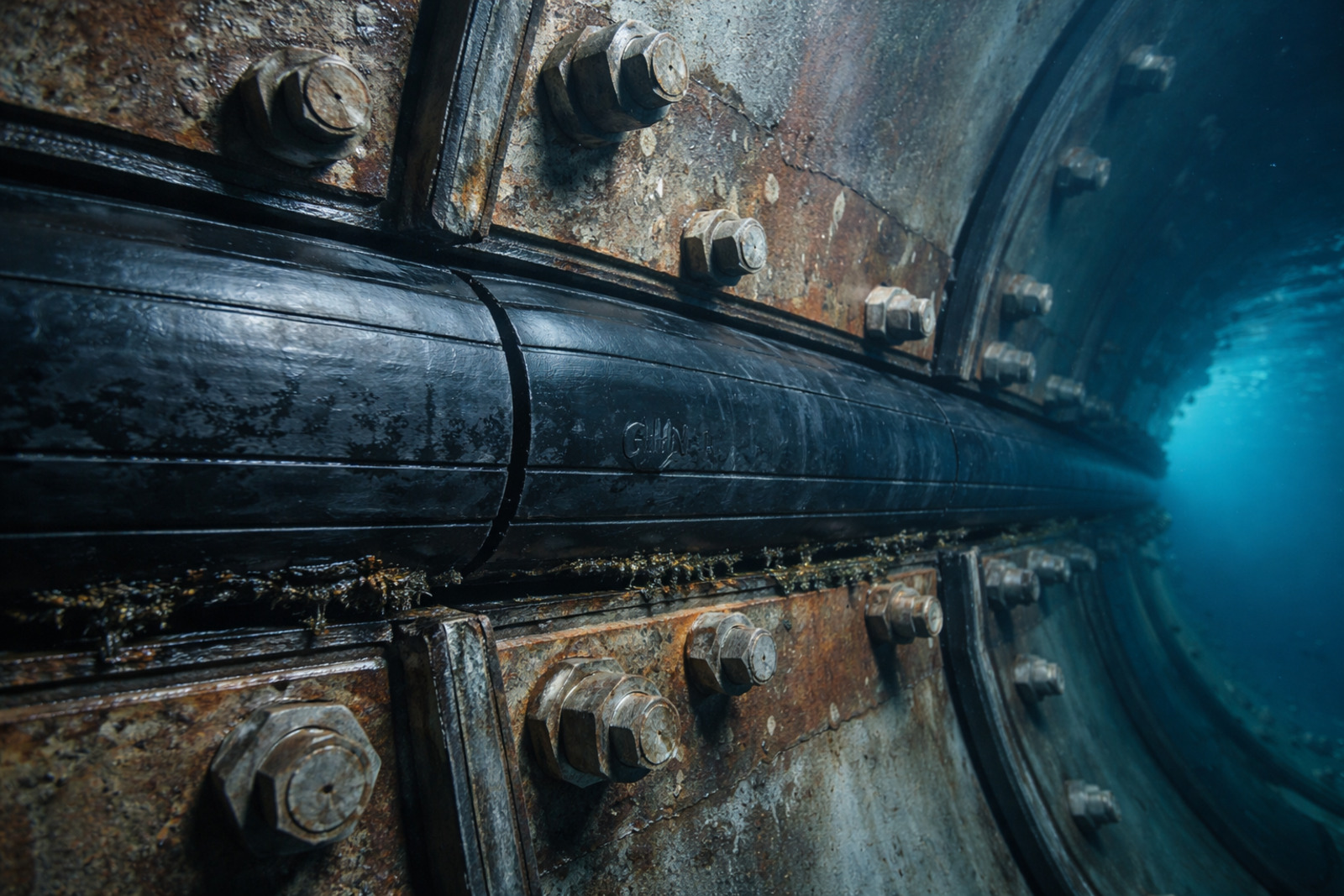
Alert in the underwater tunnels: the rubber sealing the entrance of the sea in a structure in China is deteriorating from the inside faster than expected.

This process consumes a lot of energy and also releases carbon dioxide due to the chemical reaction itself. In other words, the problem is not only in the fuel used in the kilns. An important part of the emissions originates in the heart of manufacturing.
As a result, cement has entered the group of the most difficult sectors to decarbonize. Even with gains in efficiency and the use of cleaner energy, the industry still faces a structural barrier that cannot be ignored.
The Race Now Tries to Cut Clinker Weight
The first major front of this transformation does not seek to eliminate cement but to reduce dependency on clinker. This matters because this stage concentrates a decisive share of the emissions in the chain.
In this scenario, mixtures are emerging that combine supplementary materials and new industrial routes to maintain strength and durability, but with a lower carbon footprint. The focus is on formulas that can enter the industry without requiring a complete overhaul of existing factories.
In the midst of this competition, solutions with calcined clay, limestone, and partial substitutions of traditional raw materials are gaining traction. The logic is simple: use less clinker per ton produced and, with that, reduce emissions at scale.
Calcined Clay Gains Space in Industrial Competition
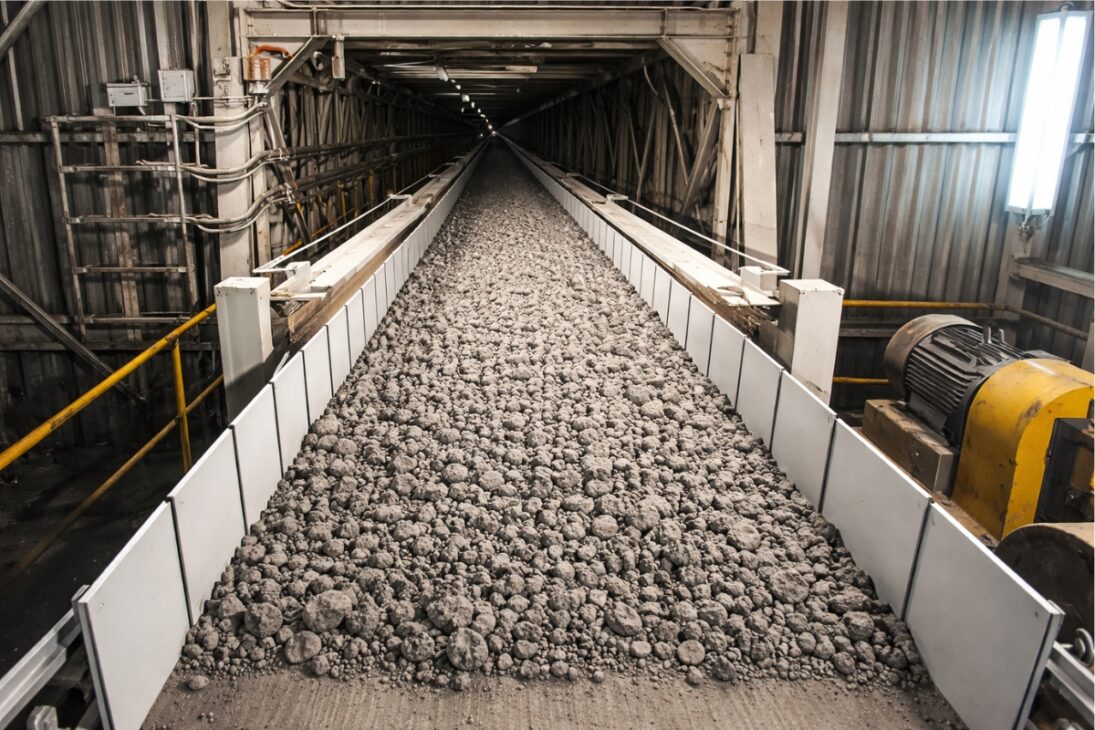
One of the most attention-grabbing routes is limestone cement with calcined clay, known as LC3. The proposal reduces the share of clinker and takes advantage of more readily available materials in various markets.
This path is appealing because it combines potential for scale with more viable industrial adaptation. Instead of requiring a completely new factory, this technology presents itself as an alternative capable of integrating with parts of the existing structure.
According to Reuters, an international news agency of global reach, there are already more than 60 startups trying to reinvent this sector with low-carbon solutions, including biocement, calcined clay, and carbon capture systems. This movement shows that the pressure on cement has ceased to be peripheral and has entered the core of industrial strategy.
Biocement Tries to Change the Logic of Production
Another front in this race bets on biological processes. Instead of relying solely on the extreme heat typical of traditional industry, some companies are trying to form cementitious materials using routes that employ microorganisms and reactions under milder conditions.
The promise is to reduce some of the energy required and make way for products with a lower climate impact. Still, this advancement faces a tough test: building materials need to prove strength, durability, and safety before gaining real space in larger projects.
As a result, the introduction of these solutions tends to be gradual. Progress may start with blocks, pavements, and specific applications before competing at scale in more demanding structures of civil construction.
Carbon Capture and Artificial Intelligence Enter the Board
Not all companies are trying to create completely new cement. Part of the innovation is focused on improving what already exists. This includes software to adjust kilns, reduce waste, and cut operational emissions in heat-intensive processes.
Artificial intelligence gains relevance because small efficiency improvements can have a huge impact in a sector that produces billions of tons. Even relatively modest percentage reductions begin to have real weight when applied globally.
At the same time, carbon capture is emerging as an increasingly important piece. This is because, as long as clinker remains present in large volumes, capturing the CO₂ released during production may be one of the few ways to bring the sector closer to more ambitious climate goals.
The Biggest Brake Is Still Cost, Rules, and Market
The revolution in cement does not depend solely on a technical discovery. The sector also needs clear rules, certifications, buyers willing to pay more, and construction standards that safely accept new materials.
This point is crucial because the cement industry is conservative by nature. It works with expensive assets, long cycles, and strict performance requirements. It is not enough for a solution to be innovative. It needs to function reliably for many years.
Another obstacle lies in scale. The world will still consume a lot of cement, especially in countries that continue to expand infrastructure, housing, and sanitation. This means that the transition needs to happen without interrupting the capacity to build.
The Grayest Sector of the Economy Has Begun to Change
For a long time, innovation in cement seemed too slow to attract attention outside the industrial sector. That has changed. The presence of dozens of startups, new mixtures, digital tools, and capture projects shows that the competition has entered a more concrete phase.
The change is still far from resolved. There is no single formula that can immediately replace everything. What appears on the horizon is a combination of routes, with less clinker, more efficiency, new binders, and greater pressure for low-carbon materials.
The central point is that cement is no longer seen as a static material. It has now become part of a global race for competitiveness, industrial adaptation, and emission reduction.
If this transition progresses, the impact will go beyond the factories. It could alter the cost of construction, influence investment decisions, and change how cities, roads, and large projects will be built in the coming decades.








-

-

2 pessoas reagiram a isso.