





 Portuguese
  English
  Spanish
  6 min of reading
  2 comments


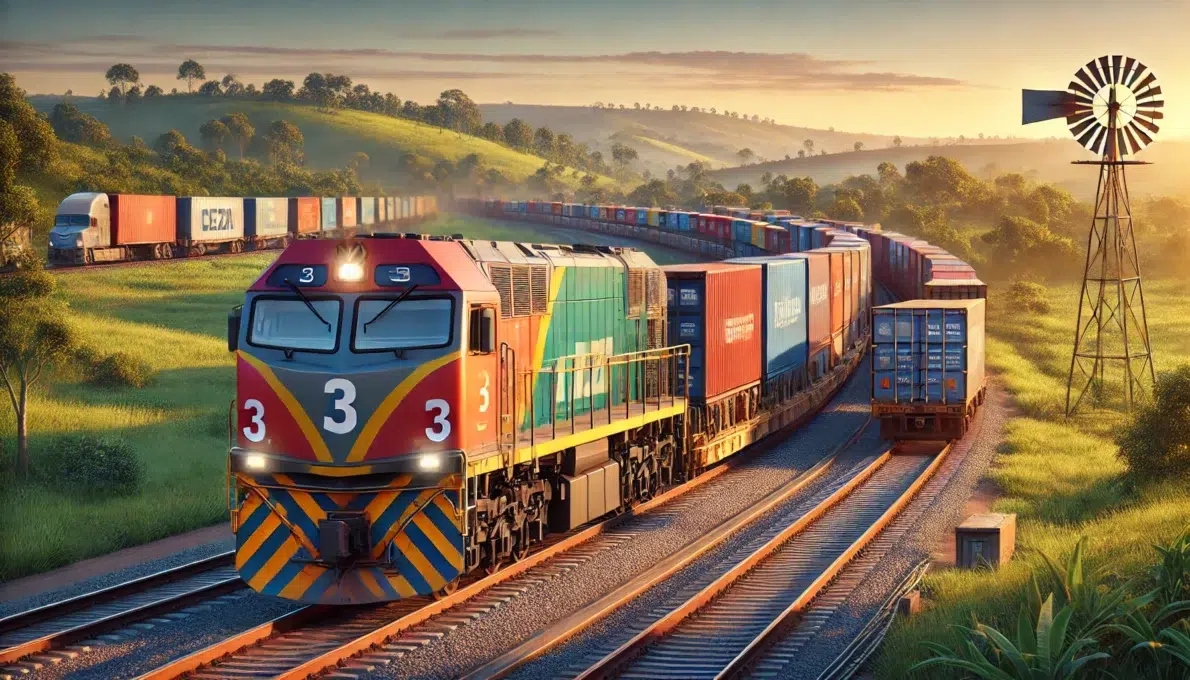

Parliamentary Front is Trying to Continue the Legacy of the PRÓ-TRILHOS Program for the Restoration of the Brazilian Railway Industry, Increasing Competitiveness and Job Creation
On June 19, in Brasília, an important step was taken for the advancement of the railway industry in Brazil with the launch of the Parliamentary Front for the Strengthening of the Brazilian Railway Industry. This initiative, which already has the support of 209 deputies, marks a decisive moment for the national railway industry, demonstrating a robust legislative commitment to the development and modernization of this strategic sector.
Context and Importance of the Parliamentary Front
The event was more than a formal ceremony; it represented a collective commitment to address the critical needs of a sector that is fundamental for the logistics and economy of the country. Federal Deputy Pedro Uczai (PT/SC), president of the Front, highlighted the dual mission of the group: to enhance legislation and strengthen the dialogue between the railway industry and the government. Intermodality, safety, and sustainability of rail transport were pointed out as essential for the country’s development, a vision shared by industrial leaders and parliamentarians present.
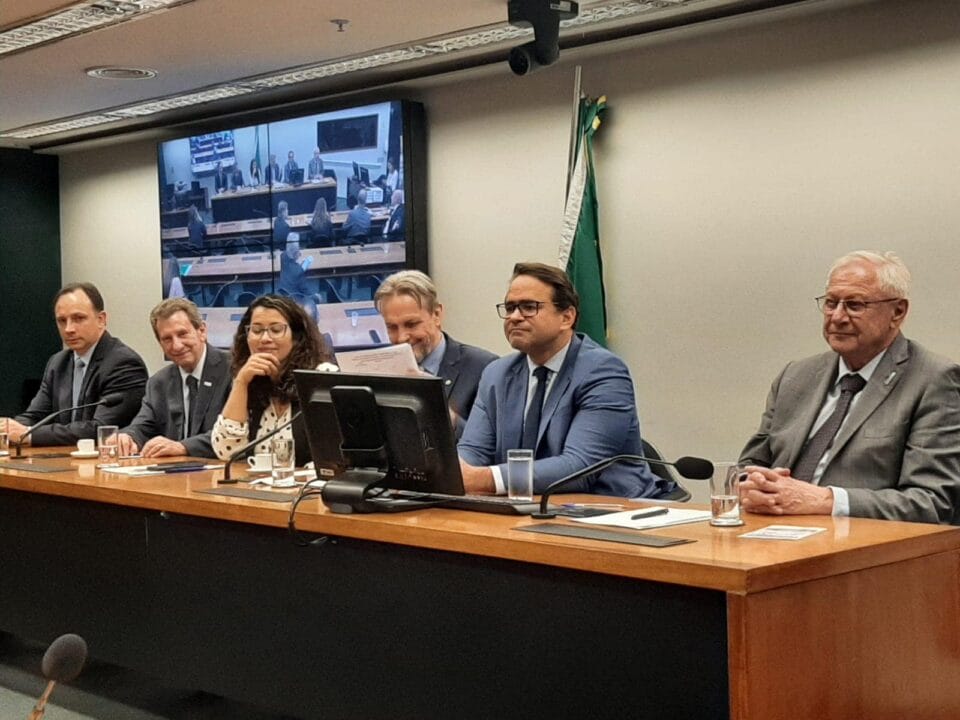
Vicente Abate, President of ABIFER; Federal Deputy Denise Pessôa (PT/RS), Second Vice-President of the Front;
Federal Deputy Pedro Uczai (PT/SC), President of the Front; Leonardo Ribeiro, National Secretary of Railway Transport
at the Ministry of Transport and
Massimo Giavina, First Vice-President of SIMEFRE and Advisory Council member of ABIFER.
(disclosure ABIFER)
The Strategic Role of the Railway Industry
Massimo Giavina, First Vice-President of SIMEFRE, and Vicente Abate, President of ABIFER, reinforced the importance of engaging society in strengthening the railway industry, which is strategic not only for cargo transport but also for passenger transport. They emphasized the need for high-quality products and adequate technical support, contrasting the robustness of the national industry with the issues of importing low-quality products.
-
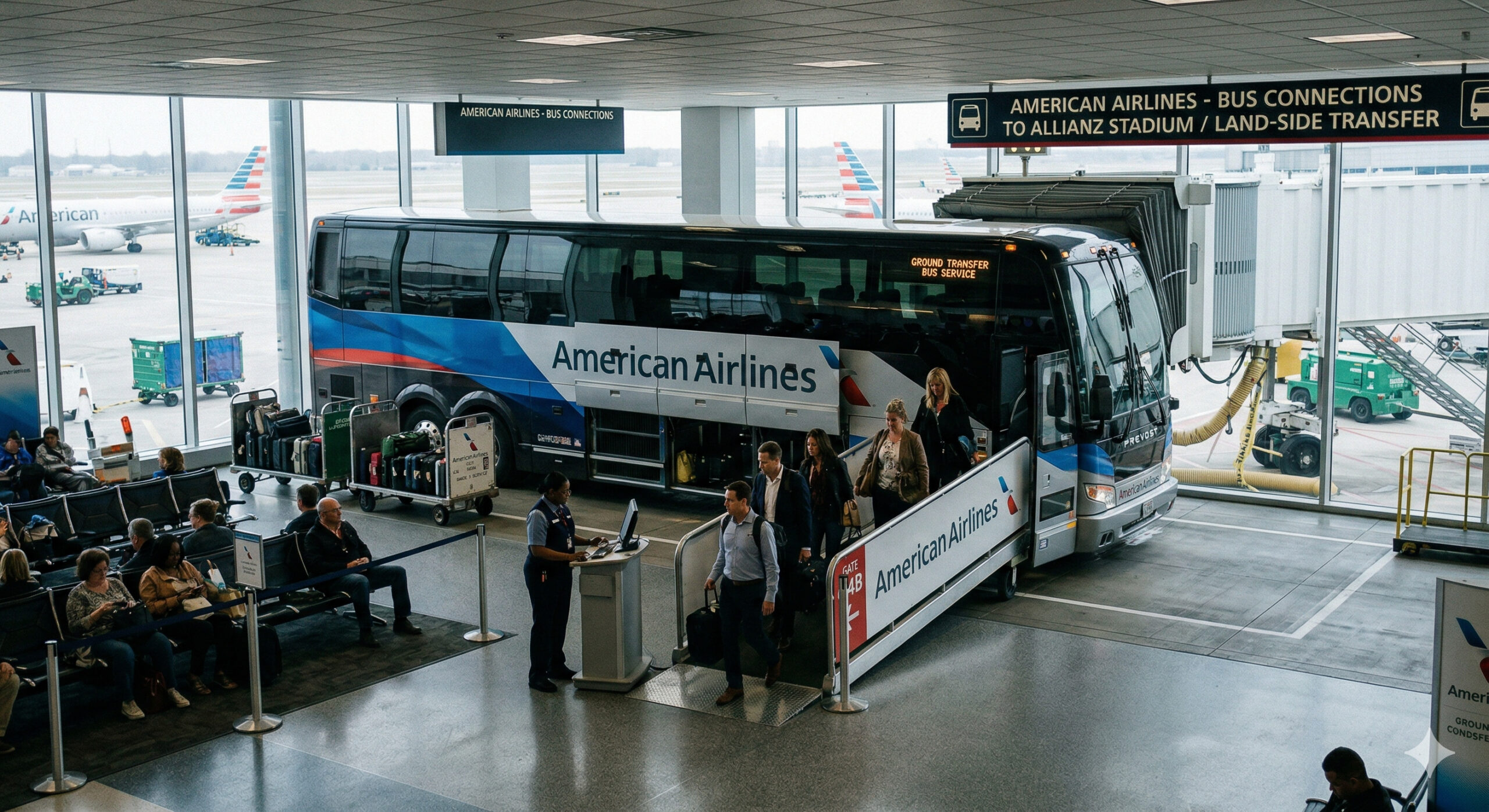
American Airlines starts selling trips as if they were flights, with check-in and baggage check at the airport, but on short routes, passengers board luxury buses connecting cities to major hubs in the U.S.
-
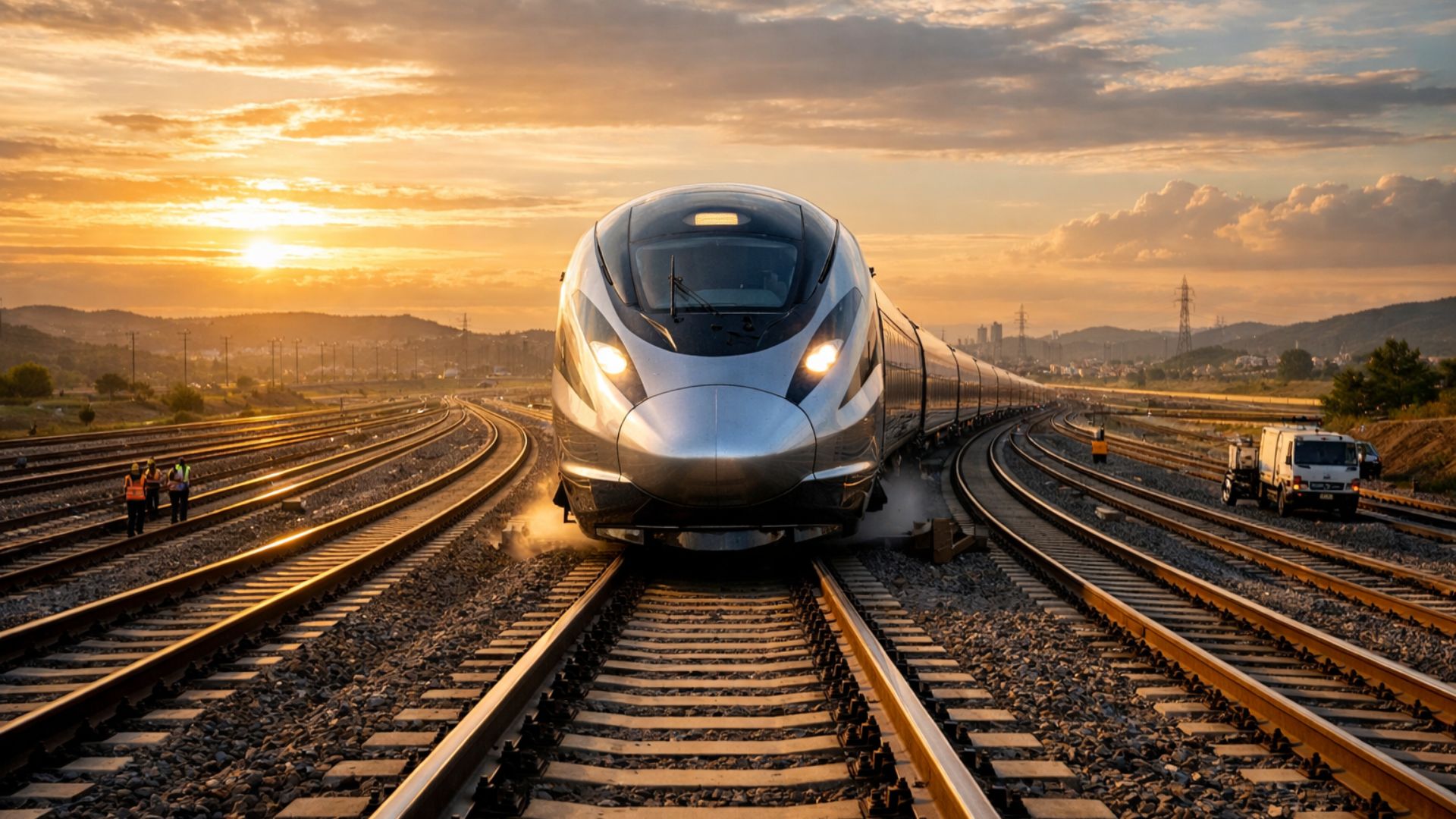
São Paulo surprises the world with a colossal railway network project that promises over 1,000 km of tracks, R$ 194 billion in investments, and 40 projects connecting the capital to the interior with fast and sustainable trains.
-
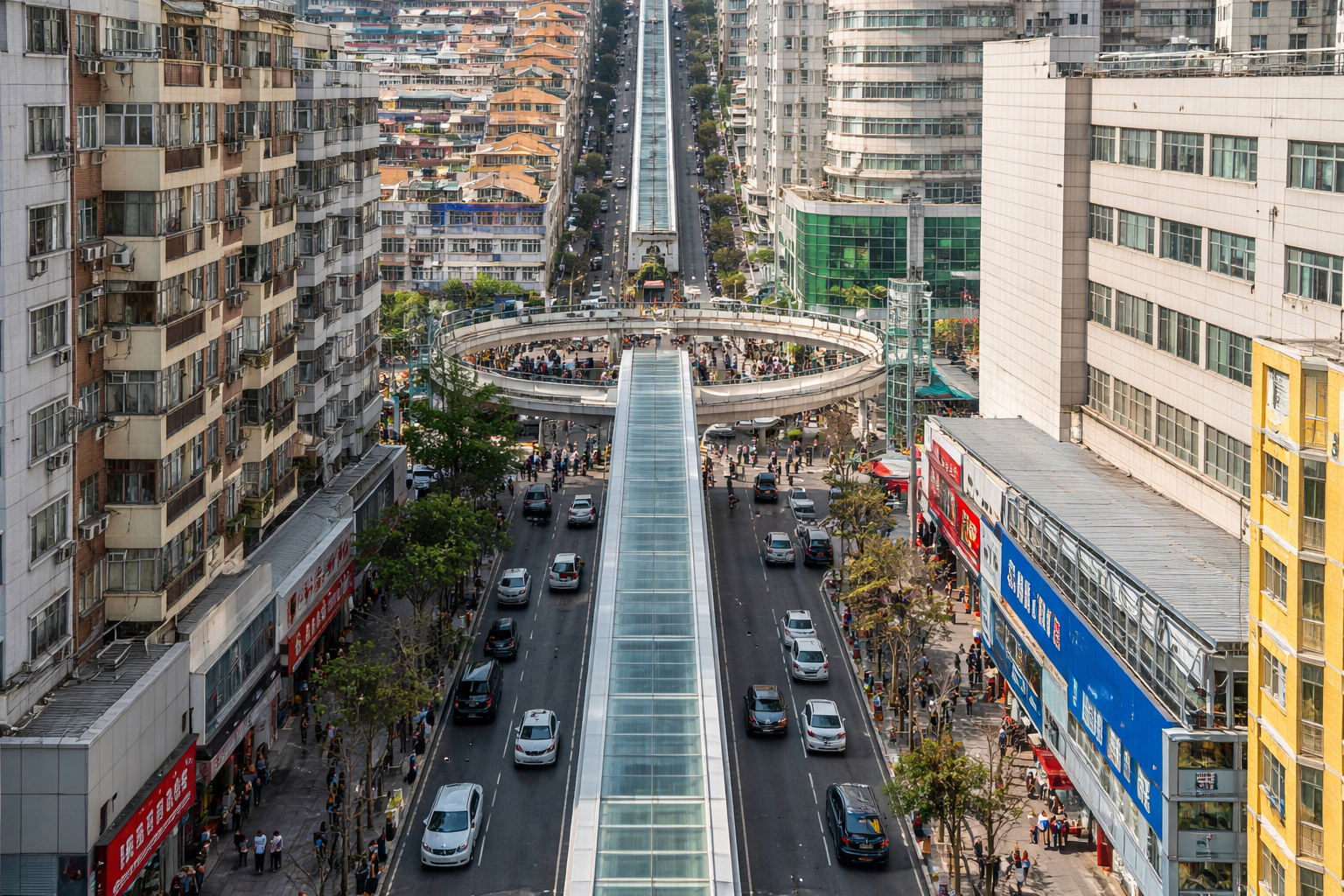
The world’s largest escalator, measuring 905 meters in China, reduces urban travel time from 1 hour to about 20 minutes and transforms mobility in mountainous regions with an engineering solution adapted to the terrain.
-
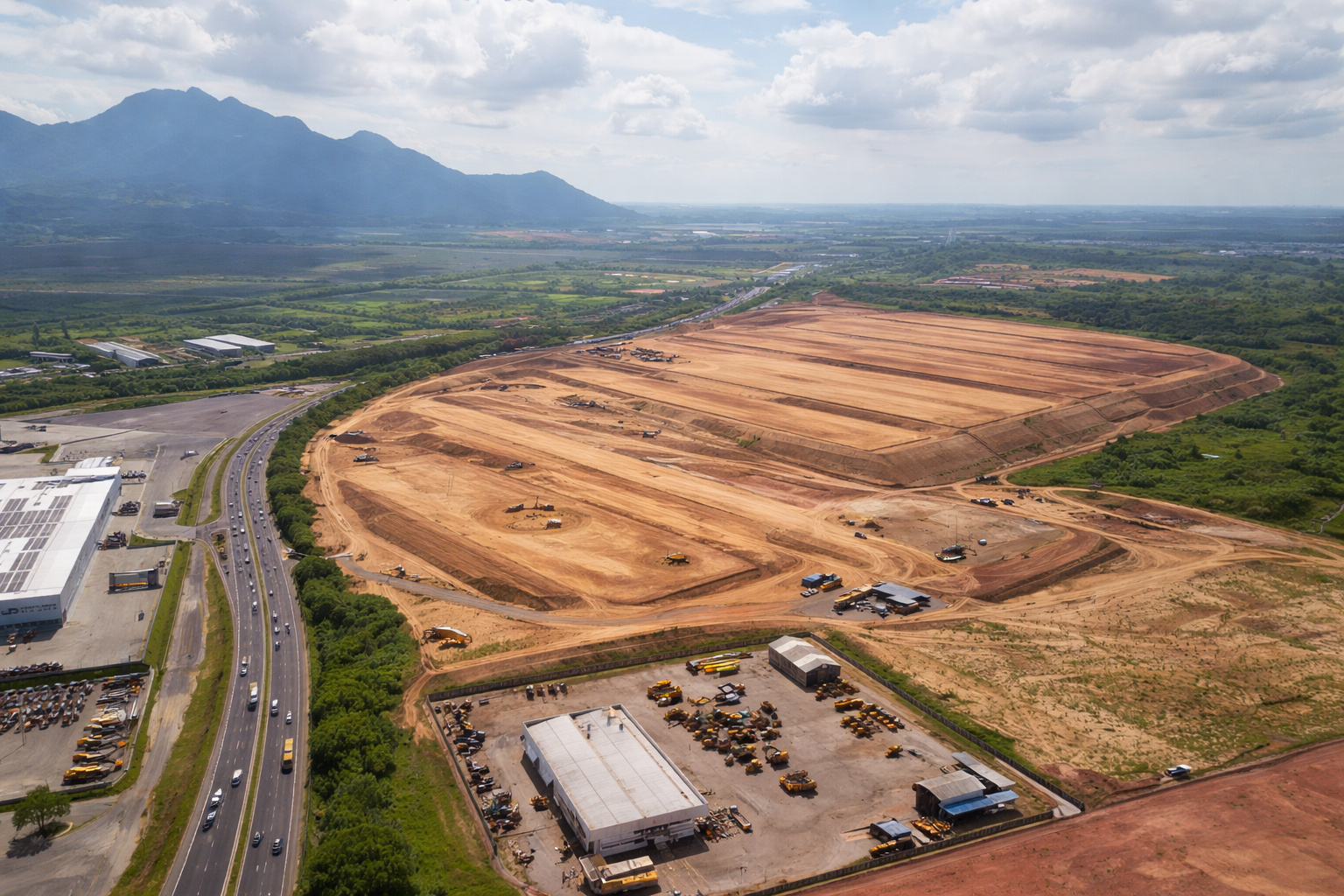
A R$ 300 million logistics giant is taking shape in Serra with over 100,000 m² and raises a question: how can this transform e-commerce and distribution in the state?

Expected Economic and Sustainable Impacts
The Parliamentary Front commits to replacing the fleet of old wagons and locomotives with technologically advanced and sustainable models, promising significant reductions in fuel consumption and CO2 emissions. This renewal aims not only to improve energy efficiency but also operational safety, increasing the productivity of the concessionaires by at least 30%.
The introduction of new sustainable technologies in the railway industry is one of the main pillars of the Parliamentary Front for the Strengthening of the Brazilian Railway Industry. Advanced technologies promise not only significant fuel savings but also a considerable reduction in greenhouse gas emissions, aligning the railway sector with global sustainability guidelines.
Challenges and Legislative Proposals
Federal Deputy Mauro Pereira (MDB/RS) and other members highlighted the robust support that the Front has already received, indicative of significant potential to advance legislative proposals that address labor, social, and environmental hurdles currently limiting railway development. The proposed legislation aims to harmonize the sector’s needs with existing regulations, ensuring continuous and sustainable growth.
The Parliamentary Front for the Strengthening of the Brazilian Railway Industry seeks to create a legislative environment that promotes the sustainable development of the railway industry. This includes harmonizing legislation to prevent the halt of railway projects due to labor, social, or environmental issues, allowing the railway industry to develop continuously and sustainably.
Future Goals and Sustainability
Among the Front’s goals is increasing the railway’s share in the Brazilian cargo matrix from 27% to 40% by 2035, reflecting an ambitious state policy from the Ministry of Transport. Other objectives include integrating the railway industry into the “MOVER” program of MDIC, seeking financing and incentives from BNDES and the Climate Fund to further promote sustainable development.
Integrating the railway industry into the “MOVER” program of MDIC is one of the priorities of the Parliamentary Front for the Strengthening of the Brazilian Railway Industry. The goal is to obtain financing and incentives from BNDES and the Climate Fund, which will allow for even more sustainable development of the railway industry, promoting technological innovations and job creation.
PRÓ-TRILHOS Program of the Bolsonaro Government
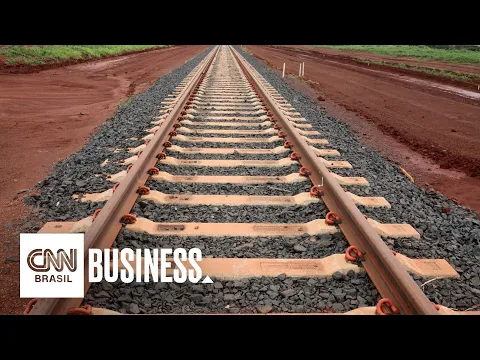

In addition to the initiatives of the Parliamentary Front, the PRÓ-TRILHOS program, launched during Jair Bolsonaro’s government, represents an important milestone in Brazil’s railway development. Established by Provisional Measure No. 1,065/21, PRÓ-TRILHOS aims to increase the attractiveness of the private sector to make investments in railways, whether new (greenfields) or using existing infrastructure (brownfields). This program allows private companies to build and operate railways, significantly expanding the Brazilian railway network.
By the end of 2022, PRÓ-TRILHOS had received 76 requests for the construction and operation of railways, totaling more than 19,000 kilometers of new private railways and investments exceeding R$ 224 billion. These investments are 100% private and have the potential to generate millions of direct and indirect jobs, in addition to reducing logistics costs and CO2 emissions. The expectation is that the increase in railway infrastructure will not only improve the competitiveness of the sector but also promote a more sustainable and balanced development in the country.
PRÓ-TRILHOS also highlights the importance of railways in the Brazilian transport matrix. With the increase in the railway network, greater efficiency in cargo transport is expected, reducing dependence on road transport and associated costs. This program complements the goals of the Parliamentary Front by seeking greater integration and efficiency in the Brazilian transport system.
Employment, Income, and Competitiveness
Another fundamental aspect of the front is job and income generation, aligned with the inclusion of the railway industry in the “MOVER” program of MDIC, with access to financing and incentives from BNDES and the Climate Fund. This aims not only to enhance the competitiveness of the national industry but also to ensure an adequate supply of spare parts and technical assistance, differentiating national products from low-quality imports.
The launch of the Parliamentary Front for the Strengthening of the Brazilian Railway Industry, along with the PRÓ-TRILHOS program of the Bolsonaro government, represents a testimony to the growing recognition of the strategic importance of the railway industry for Brazil’s future. With a clear action plan and significant support from Congress, there is a promising path ahead for the development of a railway infrastructure that is both robust, efficient, and sustainable. This is a transformative moment that may very well define the next era of railway transport in the country, boosting the national GDP and improving the quality of life of Brazilians through more effective and sustainable logistics.
The Parliamentary Front not only aims to resolve current problems but also plans for the future. With the increase in railway participation in the Brazilian cargo matrix, a significant reduction in logistics costs and greater energy efficiency is expected. Furthermore, the implementation of ESG policies in the production chain of the railway industry will help achieve greater environmental sustainability.
Harmonizing legislation is crucial to ensure that railway projects are not halted due to labor, social, or environmental issues. The Parliamentary Front for the Strengthening of the Brazilian Railway Industry works to create a legislative environment that promotes the sustainable development of the railway industry, allowing it to grow continuously and sustainably.
With significant support from Congress and a clear action plan, the Parliamentary Front for the Strengthening of the Brazilian Railway Industry is positioned to transform the railway industry of the country. This is a transformative moment that may very well define the next era of railway transport in Brazil, boosting the national GDP and improving the quality of life of Brazilians through more effective and sustainable logistics.
In summary, the Parliamentary Front for the Strengthening of the Brazilian Railway Industry, alongside the PRÓ-TRILHOS program, represents a significant commitment to the development and modernization of the country’s railway infrastructure. With a focus on innovation, sustainability, and efficiency, the front is prepared to face challenges and seize opportunities that arise, ensuring a prosperous and sustainable future for the Brazilian railway industry.







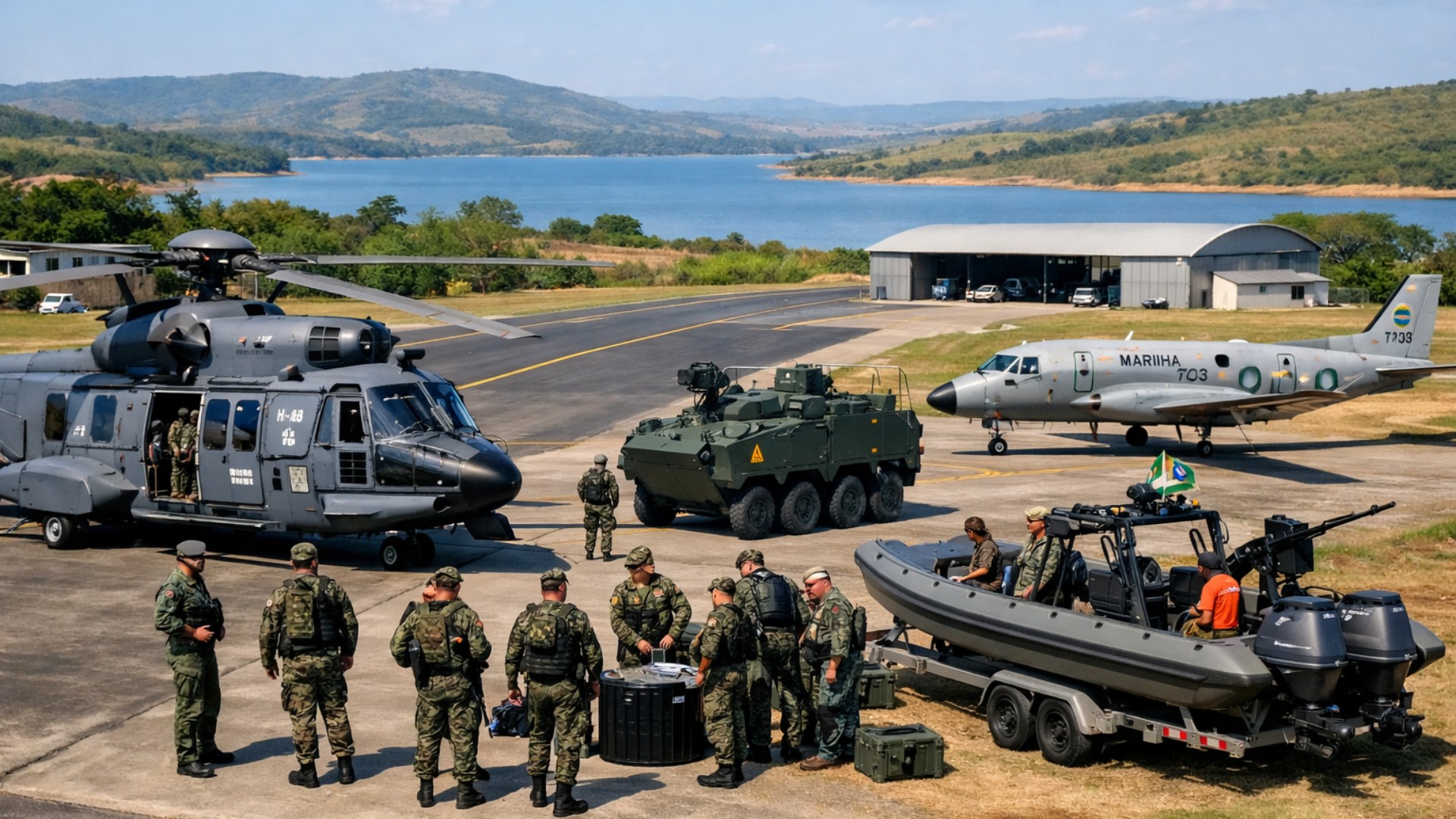


O modal ferroviário de passageiros, se tornou um desafio, pois, a iniciativa privada prefere as cargas, com maior lucratividade. Fazer concessões de ferrovias, poderá comprometer a mobilidade do transporte de passageiros.
Faça login com sua redes sociais ou crie um cadastro para postar links e contatos em sua linha do tempo!