Portuguese
  Spanish


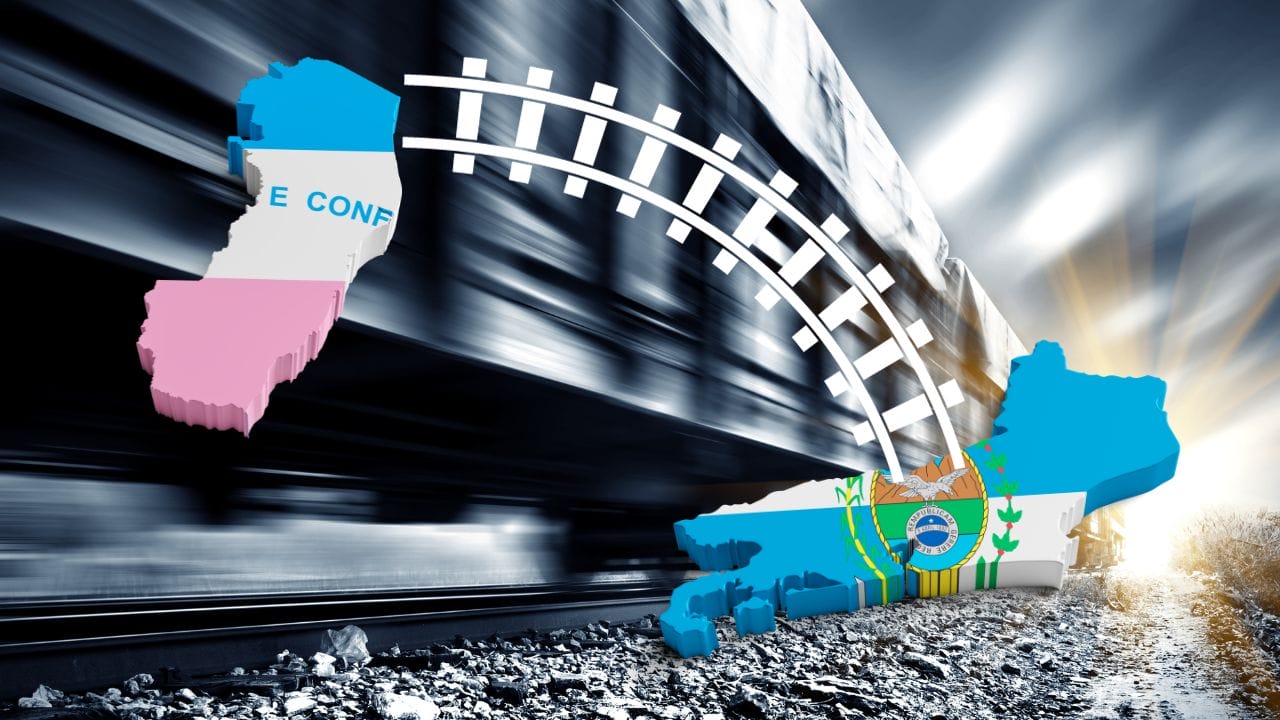

The Project of a New Railway Linking Rio de Janeiro to Espírito Santo, Presented by the Fluminense Governor Cláudio Castro in a Meeting with the President of Brazil, Promises to Transform the Landscape of Cargo Transportation in the Region and Boost the Local Economy.
The proposal for the Estrada de Ferro 118, with the potential to generate 6,000 direct and indirect jobs and generate approximately 457 million reais in taxes, aims to efficiently connect the states of Rio de Janeiro and Espírito Santo. With two axis options, the railway will facilitate the flow of agricultural production and iron ores, strengthening economic connections between the states.
Details of the Proposed Axes:
Option A: Extends from the Port of Rio de Janeiro to the Port of Tubarão in Espírito Santo, linking to the Port of Aço in Rio and the Central in Espírito Santo. This axis requires an investment of approximately 7.8 billion reais.
Option B: Connects São João da Barra in Rio to Anchieta in Espírito Santo, passing through 8 municipalities. More economical, this option has an estimated cost of 2.5 billion reais and is part of the extension of the Midwest corridor.
-
Railway returns to prominence in Brazil after STF approval: a R$ 25.2 billion project promises to save R$ 9 billion in freight, transport 50 million tons per year, and transform Sinop into a logistics powerhouse for agribusiness.

-
Why can the crane operator only obey the correct signalman on the construction site: among dozens of workers, a hand raised by the wrong person can confuse the maneuver and turn a load of tons into an immediate risk.

-
What changes with the new public transportation rules that can reduce pressure on fares and pave the way for zero fare in Brazil?
-
Retired trains leave European tracks and become tons of steel, aluminum, and copper in dismantling yards where recycling exceeds 90%, but batteries, composites, and electronics create a new frontier of railway waste.


Benefits of Freight Rail Transportation
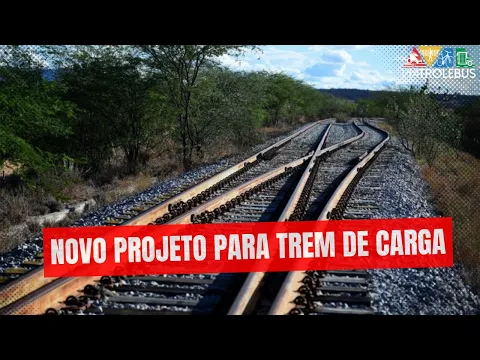

The new railway is an efficient alternative to road transport, offering advantages such as lower energy costs, reduced traffic accidents, and greater cargo capacity. Investment in rail transportation is crucial for sustainable development and reducing dependence on road transport in the region.
The implementation of this railway is a significant step for the economic development of the Southeast. The region, already strategically important economically, will gain an additional boost with the improvement of transportation infrastructure, facilitating trade and industrial development.
Expectations and Next Steps
With the unification of government efforts and support from the presidency, the railway project between Rio and Espírito Santo is advancing with positive expectations. The focus now is on choosing the axes, detailing the project, and beginning the implementation stages.
The new railway between Rio de Janeiro and Espírito Santo is a promise of renewal for freight transportation in the region, opening new economic opportunities and strengthening the infrastructure of Southeast Brazil. The project, in addition to improving logistical efficiency, will also contribute to environmental sustainability and the socioeconomic development of the involved states.