





 Portuguese
  English
  Spanish
  4 min of reading
  11 comments


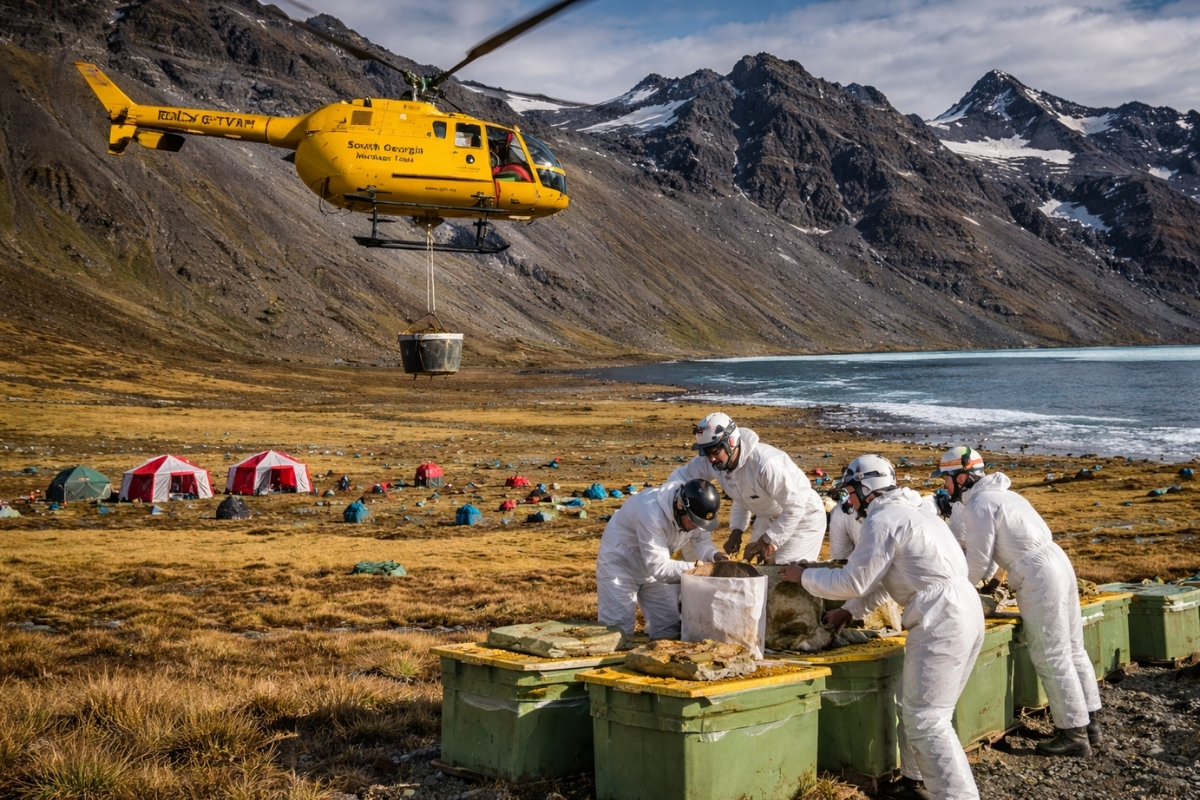


An Action In South Georgia Removed Invasive Rats And Unlocked The Reproduction Of Birds That Had Lost Space For Over A Century
The sub-Antarctic island of South Georgia, in the South Atlantic, completed a large-scale operation to eliminate invasive rodents from its territory.
The focus was to stop the predation of eggs and chicks of ground-nesting seabirds, an impact that had been reducing reproduction across entire areas.
With the environment free of rats, recovery began to be measured in practice: the return of species to nesting, the expansion of colonies, and the advancement of reproduction in zones where it had not occurred for a long time.
-
The robust smartphone from Oukitel comes with a 20,000 mAh battery, satellite communication, walkie-talkie, and thermal camera to tackle mountains, deserts, offshore platforms, and disaster zones in a single device designed for extreme operations.

-
Wastewater from steel and cement industries can capture 30 million tons of CO2 per year in a discovery that transforms a common industrial waste into a low-cost climate weapon, with technology already available and direct application in factories.

-
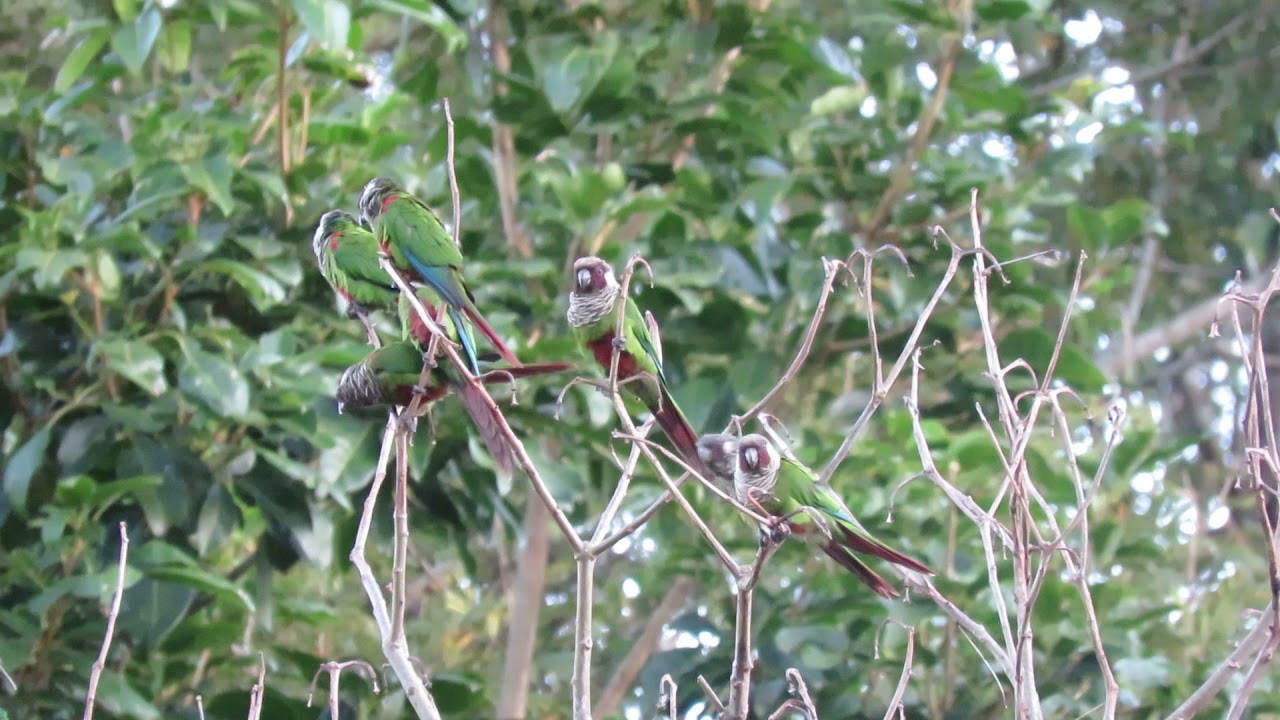
Extinct for over 100 years and considered one of the rarest birds in Brazil, a legendary species reappears in the Northeast, resumes breeding in the wild, and surprises researchers in 2026.
-
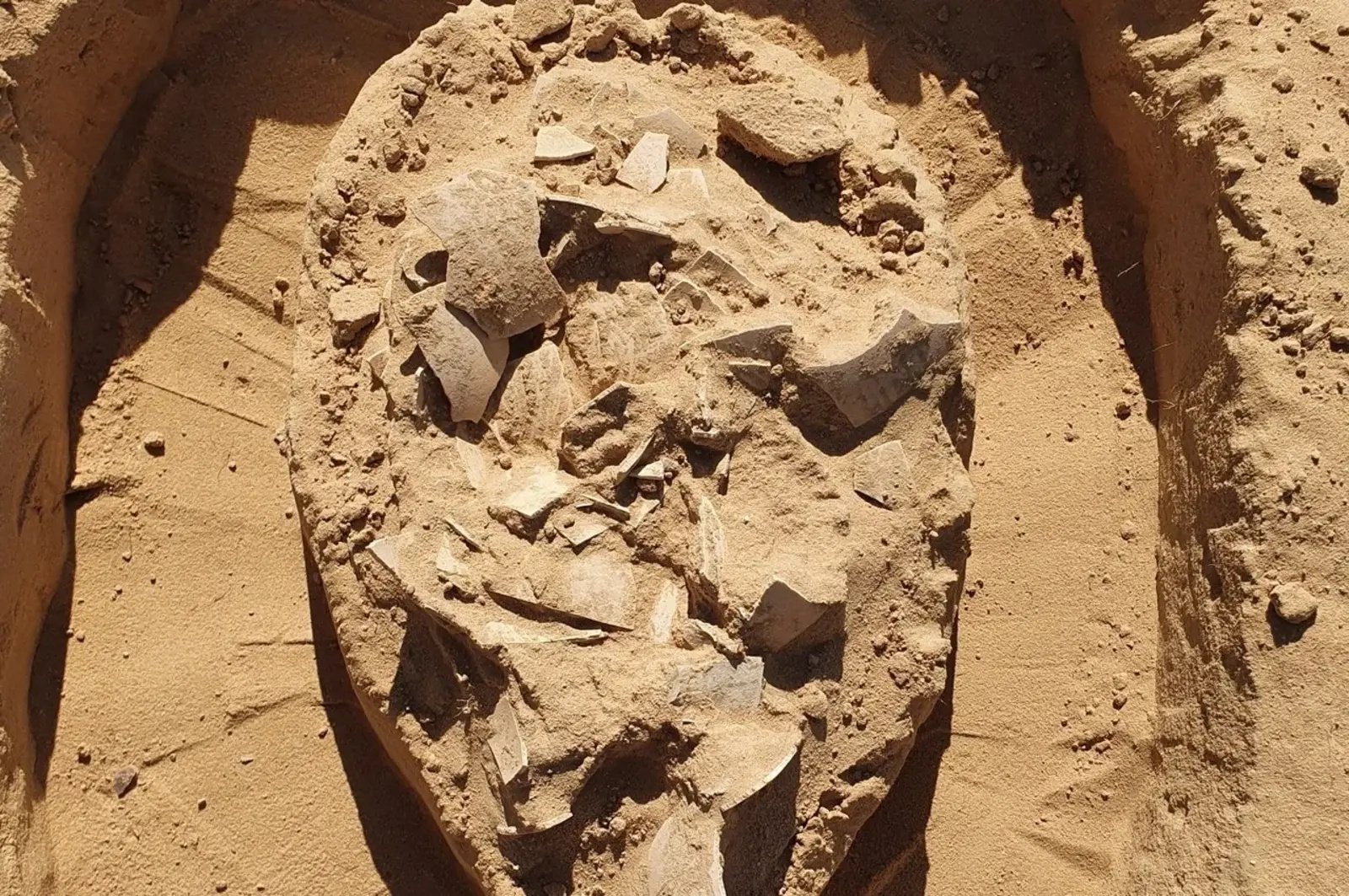
7,000-year-old bonfire in southern Israel reveals a rare scene from the past and uncovers ostrich eggs prepared by nomads in the desert.

South Georgia Is Over 3,500 Sq Km And Became One Of The Largest Environmental Restoration Tests In Sub-Antarctic Islands

South Georgia has an area greater than 3,500 sq km and hosts large concentrations of seabirds.
The presence of invasive rats created a persistent imbalance, as many local species did not evolve with terrestrial predators on land.
The most severe effect appears in the reproductive cycle. When eggs and chicks are consumed, the colony continues to exist but loses the ability to renew itself.
This combination made eradication a milestone, both for its territorial scale and environmental complexity.
The Attack On Eggs And Chicks On The Ground Was The Trigger That Brought Down Colonies And Interrupted Entire Generations
Rats act directly on the most sensitive point of the ecosystem, the early life stage of the birds.
In species that nest on the ground, eggs and chicks are exposed and become easy targets, especially in areas without native terrestrial predators.
As a result, the problem is not just immediate mortality. The real impact is the decline in reproduction, which can lead to the disappearance of local colonies.
Eliminating the invader is the step that allows the cycle to restart, with an increase in chick survival and reoccupation of old areas.
Between 2011 And 2015, Helicopters With GPS Took Action To Reach Mountains, Ice, And Remote Areas
The execution took place in phases between 2011 and 2015, with planned applications to cover remote, mountainous and icy regions.
The logistics included the use of helicopters and GPS navigation to distribute bait precisely and reduce coverage failures.
In operations of this type, the central risk is leaving pockets untreated. Even a small surviving group can recolonize the territory.
Therefore, the operation needed to combine territorial reach, repetition in stages, and technical design to access difficult areas.
The Cost Exceeded £10 Million Because The Plan Was Not To Reduce Rats, It Was To Reach Zero And Prevent Their Return

The estimated cost exceeded £10 million, a value associated with the scale of the territory and the need for aerial operations in an extreme environment.
The strategy was not partial control. The goal was to achieve zero rats, preventing the problem from returning.
This type of approach requires long-term planning and precision in the field, as the island has harsh weather conditions and limited access.
The result depends on consistency. Without complete coverage, the investment is lost and the invasion restarts.
In 2018, The Island Confirmed Eradication And Opened Space For Species To Reproduce Again After Over A Century
Eradication was confirmed in 2018 after a period of field verification, with systematic searches for signs of rat presence.
From that point on, it became possible to observe the expected ecological impact, with a return of reproduction in areas previously dominated by rodents.
A direct consequence is the return of birds to nesting in regions where reproduction had not occurred for over a century.
With the pressure removed, the environment gains time to rebuild balance and allow the natural expansion of colonies.
Without Invasive Rodents, What Is At Stake Now Is The Recovery Of Colonies And The Advancement Of Biodiversity On The Island

The rat-free scenario creates a rare window for the accelerated recovery of species that depend on ground reproduction.
The most important gain is the resumption of generations. When chicks survive, the colony begins to grow again, and territory occupation expands.
The island also consolidates itself as a reference for large-scale restoration, showing that total eradication can reverse long-term ecological damage.
The next step is to monitor the evolution of colonies over the years, observing how the ecosystem responds without the presence of the invader.
The operation in South Georgia eliminated invasive rodents in an area greater than 3,500 sq km and unlocked the recovery of seabirds that had been losing reproduction for decades.
With confirmation in 2018, the practical impact became clear: return of nesting, expansion of colonies, and recovery of areas where reproduction had disappeared for over a century.







Seria bom saber português pra escrever. Só vou comentar o zero ratos. Caramba, é zero rato. Ponto final. Como insistem em escrever errado. E não só aqui, mas na internet inteira. O assassinato da língua portuguesa é geral.
Não demorou muito pra aparecer os defensores dos ratos, defensores dos “inocentes” povos africanos kkkkkkk
Parabéns aos cientistas que estudam e fazem análises para aplicação prática. O ecossistema voltando ao normal na Ilha.
Por outro lado, o que comem as aves marinhas? Peixes?
Então, elas competem com o ser humano por alimento.
Os ratos não eram tão ruim assim!
Aves de rapina, predadores naturais!