





 Portuguese
  English
  Spanish
  5 min of reading
  0 comments


Used Models With Rear-Wheel Drive Offer Everything From Affordable Sedans To Powerful Muscle Cars, Combining Turbo Engines, Engaging Handling And Premium Comfort In Different Price Ranges. Check Out Options That Are Valued In The Brazilian Automotive Market In 2025.
Models with rear-wheel drive continue to rise in the Brazilian used market, combining fun handling, dynamic balance, and a good level of comfort.
Starting from R$ 45.9 thousand, it is possible to find options ranging from executive sedans to high-performance coupes.
The selection below brings together five vehicles that maintain relevance in 2025, focusing on versions, engines, and price ranges observed in recent advertisements in the country.
-
Man pays only R$ 17,500 for a 2021 Hyundai Creta at auction, finds SUV covered in mud and with a stalled engine, but discovers the problem was much smaller than everyone imagined.

-
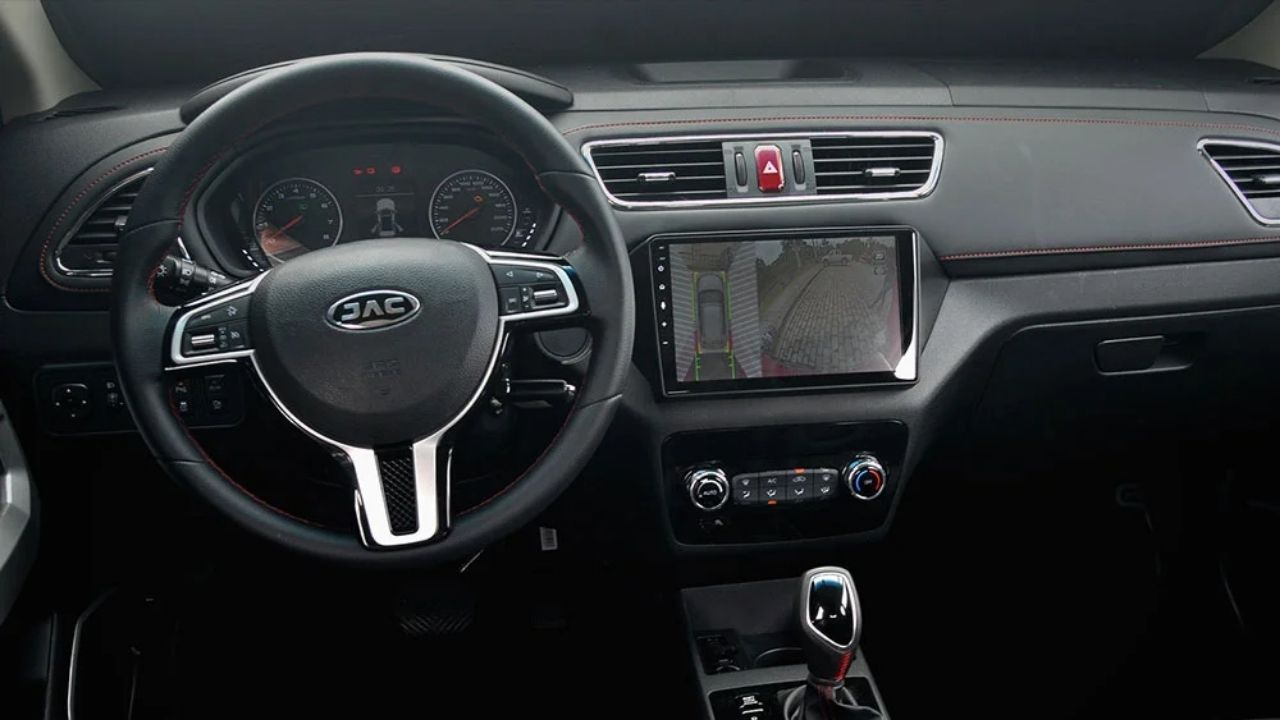
Cheaper than the JAC T60 Plus: with a 1.5 flex engine, 1.6 option with 138 hp, CVT-type automatic transmission, 360 camera, panoramic sunroof, and 10-inch central unit, this used Chinese SUV tries to convince those looking for a complete package: meet the JAC T40 Plus 2022.
-
Man spends 20,000 hours and 7 years building a functional wooden supercar with a Cadillac V8 engine, 20 types of wood, and a reported top speed of 320 km/h.
-
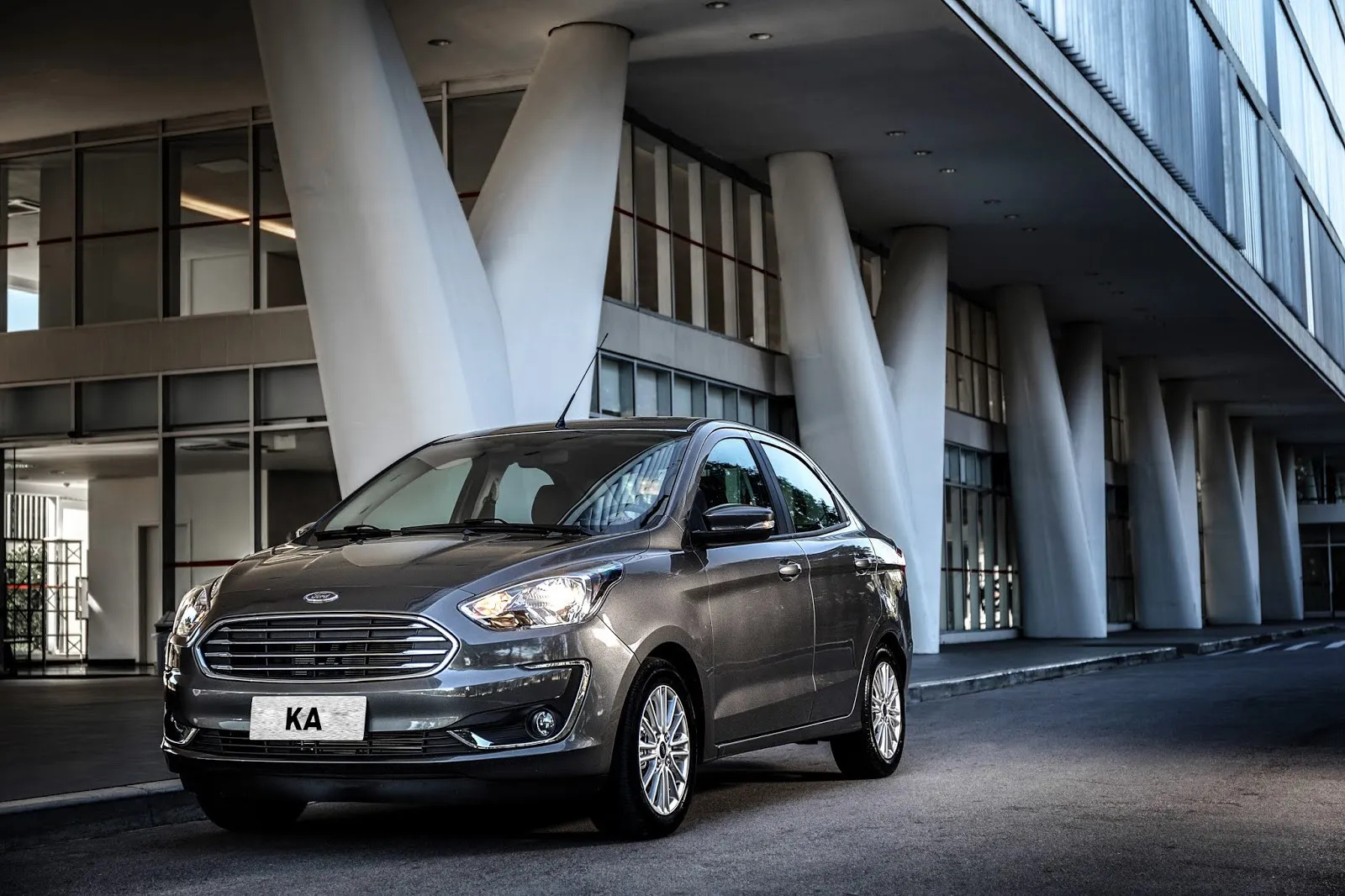
With a compact design and performance above expectations: 1.5 flex engine with up to 136 hp, 6-speed automatic transmission, 445-liter trunk, and four airbags make the Ford Ka Sedan Titanium 1.5 Automatic 2020 a well-equipped used car.


Rear-Wheel Drive: Why It Still Pleases
By transmitting power to the rear axle, the car separates functions: the front wheels handle steering while the rear wheels provide traction.
The result is more predictable handling in curves and responses that favor sporty driving.
In luxury cars, this arrangement also helps distribute weight better and isolate vibrations, enhancing the feeling of refinement on board.
Mercedes-Benz C-Class W204: Accessible Luxury And Known Maintenance

Between 2007 and 2014, the C-Class W204 consolidated the brand’s entry point in Brazil.
In the C 180 version, the sedan used a 1.8 four-cylinder engine—first with a supercharger, then turbo in the facelift—always with rear-wheel drive and automatic transmission.
The setup delivers precise steering, good stability, and superior finish for the segment, with automatic climate control, multi-functional steering wheel, and soft-touch materials.
In terms of cost-benefit, older, well-preserved examples start at R$ 45,900 in advertisements, especially from 2008 to 2011.
For those looking for their first premium sedan with rear-wheel drive, the combination of entry price, availability of parts, and wide market supply makes the W204 a rational choice.
BMW 1 Series F20: Premium Hatch With Rear-Wheel Drive Spirit
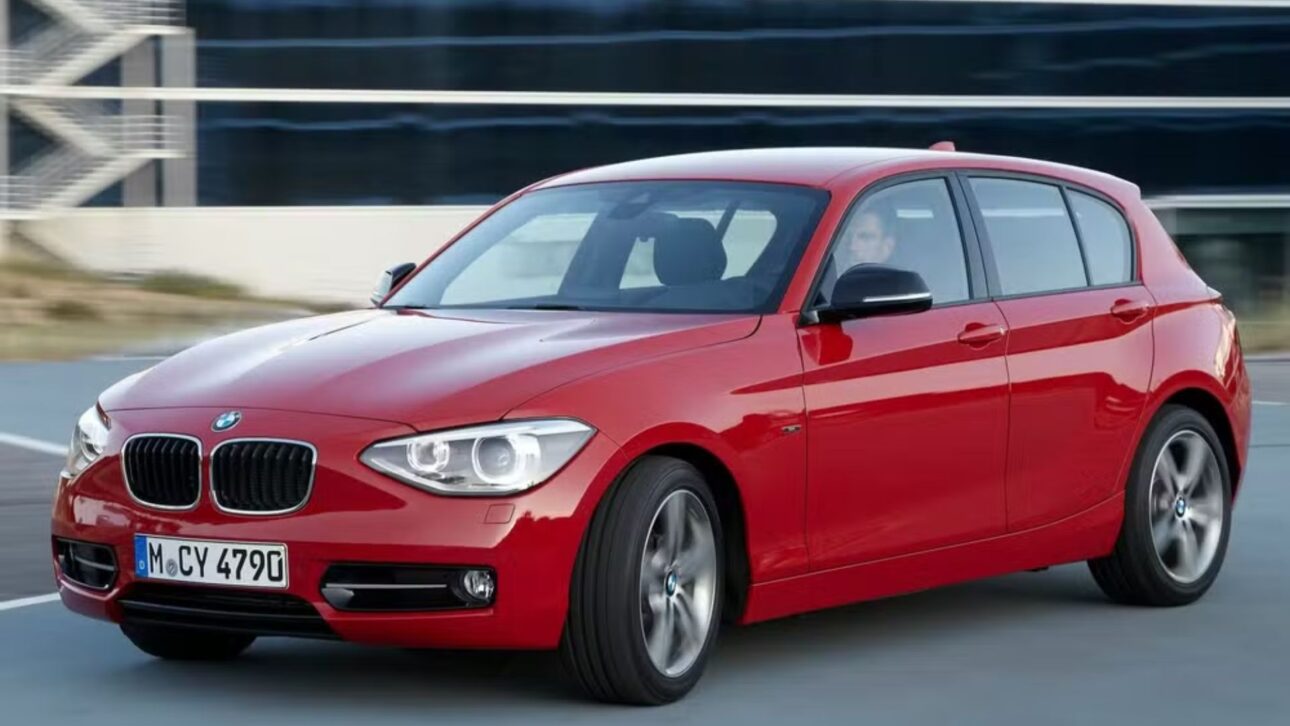
Launched here in 2012, the BMW 1 Series F20 is one of the rare compact hatches that retains rear-wheel drive in this price range.
The 116i/118i versions use 1.6 turbo four-cylinder engines, providing enough performance for daily use and engaging behavior on winding roads.
The low driving position, direct steering, and firm suspension reinforce the more sporty character, without compromising typical features of the premium segment.
In classifieds, units from 2012 to 2015 tend to appear among the most found, with values starting from R$ 55,900 for well-maintained cars.
It’s an interesting path for those looking for a refined, fun, and discreet compact.
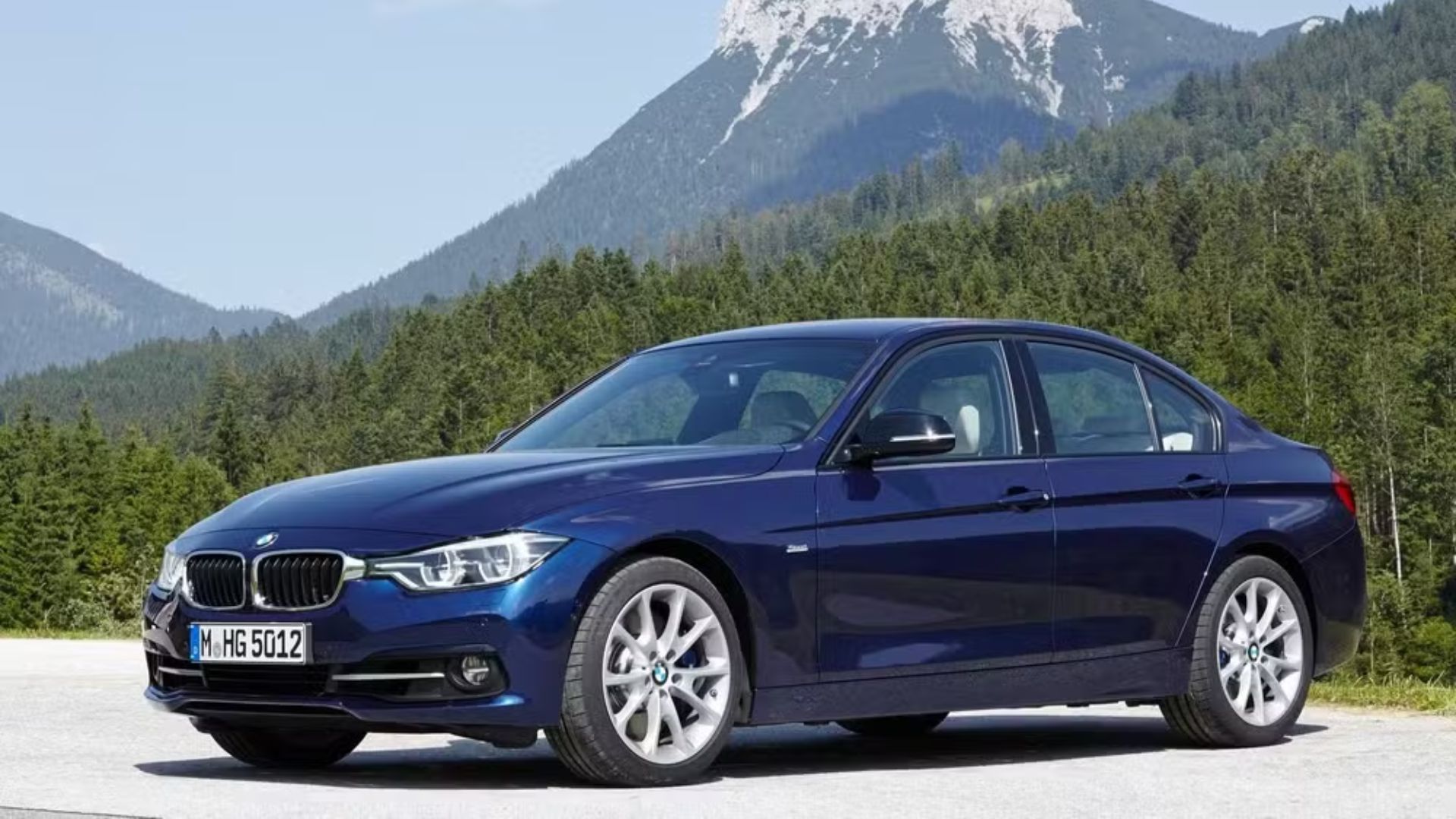
BMW 3 Series F30: Balance Of Comfort And Sportiness
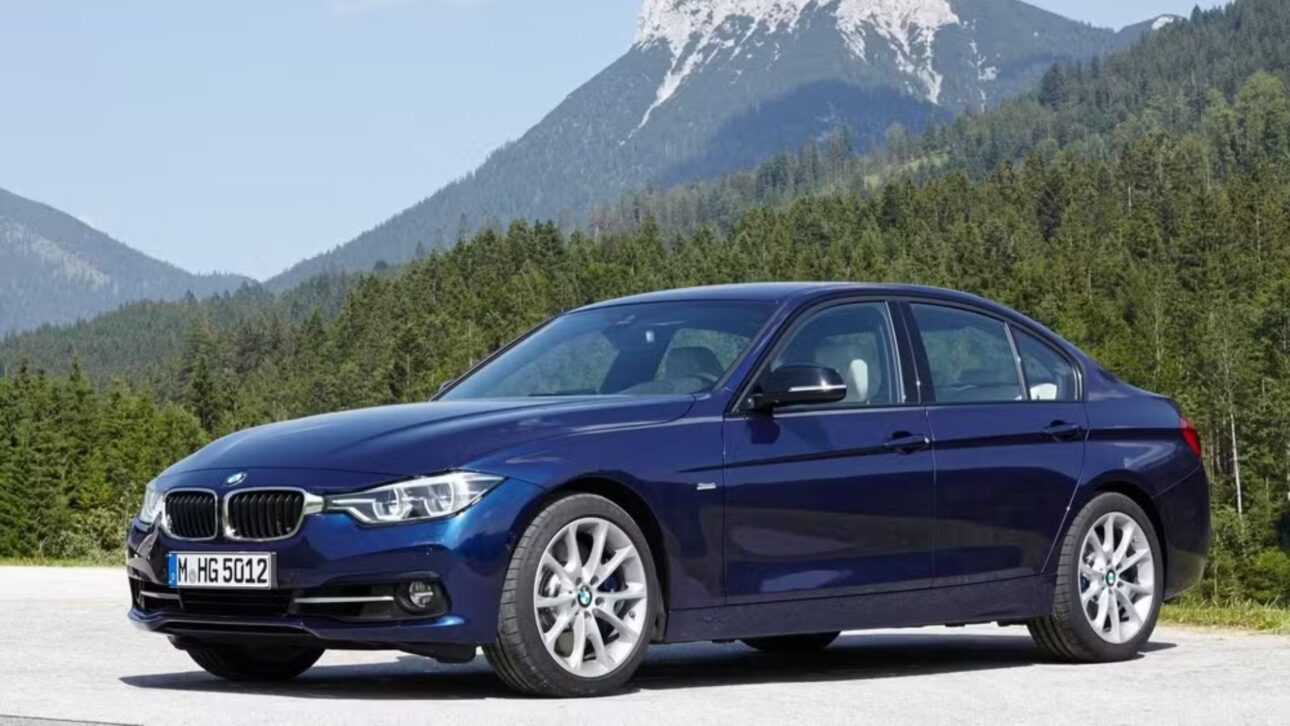
The F30 generation maintained the 3 Series as a benchmark among sporty medium sedans.
With rear-wheel drive and an eight-speed automatic transmission, the model provides quick responses and contained consumption for the category.
The 320i ActiveFlex version gained prominence by adopting the 2.0 turbo flex, allowing the use of gasoline or ethanol without loss of refinement.
Common features include stability control, multiple airbags, and parking sensors.
Used prices start from R$ 72,900, focusing on the years 2013 to 2016.
For those alternating between city and highway, the F30 combines road comfort, up-to-date technology package, and dynamics that resemble larger performance cars.
Chevrolet Camaro (5th Generation): The V8 That Became A Desire
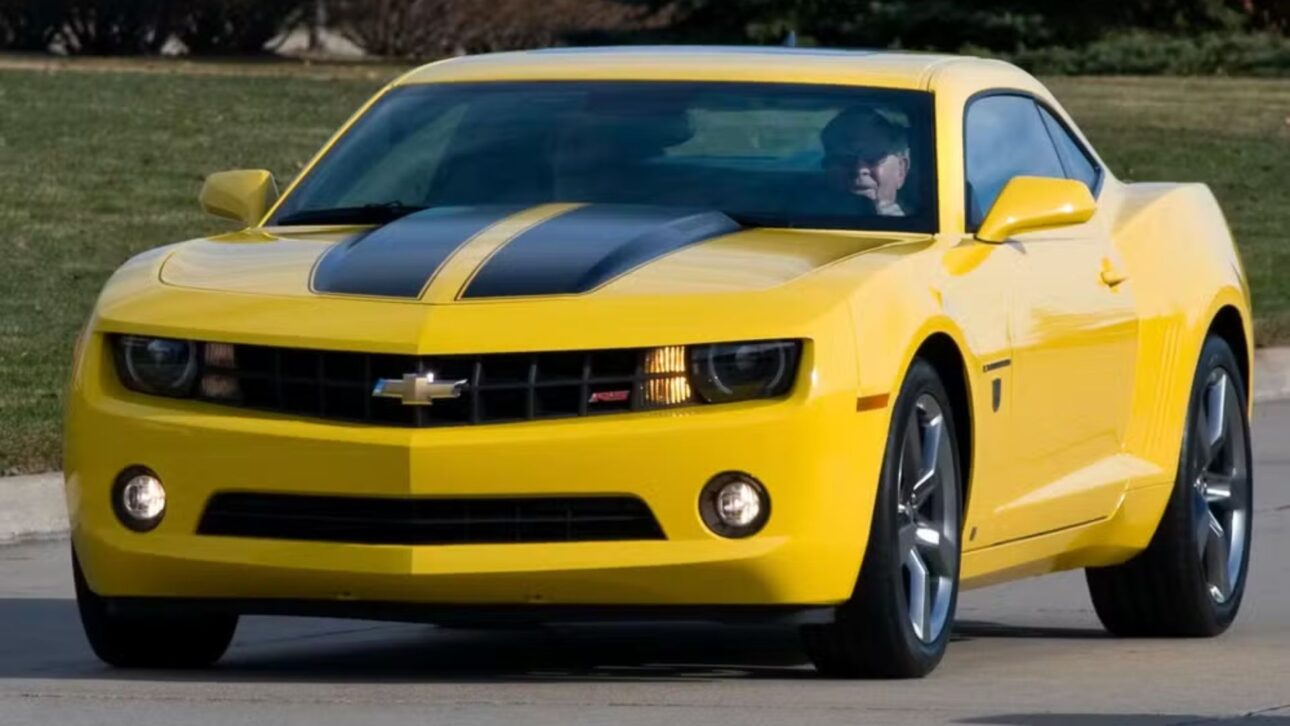
Imported officially between 2011 and 2015, the fifth-generation Camaro arrived in Brazil with the look of a classic muscle car and modern content.
The highlight is the V8 6.2, linked to rear-wheel drive and, in the national market, typically paired with a six-speed automatic transmission.
The distinctive sound and abundant torque define the driving experience, while the package usually includes digital air conditioning and a factory multimedia system.
In the used market, R$ 169,000 is a recurring price for well-preserved units.
Due to its characteristics and the status of a pop icon, the coupe attracts both enthusiasts and those looking for a collectible car that can be used on weekends.
Ford Mustang (6th Generation): GT V8 And Electronics For Control
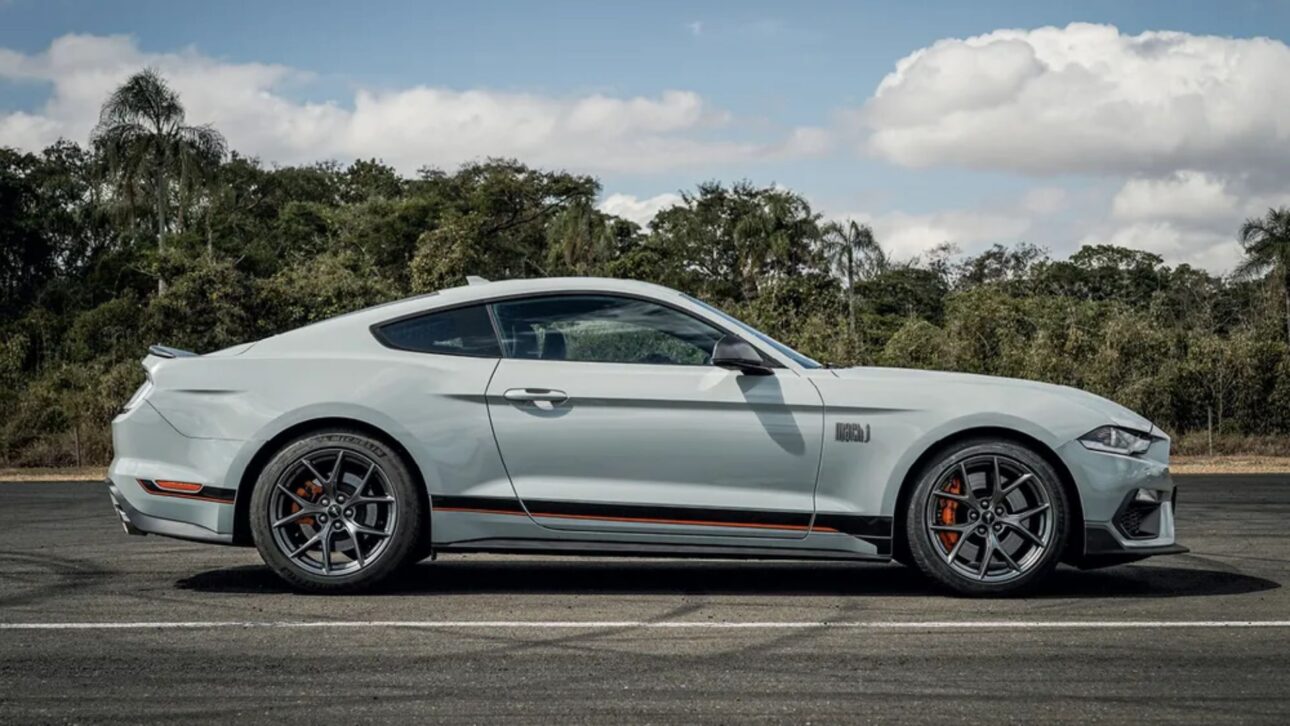
The sixth generation of the Mustang began official sales in Brazil starting in 2018.
Here, the brand focused the offer on the GT 5.0 V8 with ten-speed automatic transmission and rear-wheel drive, combining high power with supporting electronics such as traction and stability control, driving modes, and suspension recalibrated for everyday use.
The convenience package includes a complete multimedia center and assistive technologies that make the car easier to live with in everyday situations compared to older generations.
Among listed models, pricing starts from R$ 318,000 depending on the year, mileage, and history.
The appreciation is explained by the robust setup and the historical appeal of a name that has crossed decades, now with safety and connectivity levels compatible with current demands.
What To Observe Before Purchase
Maintenance condition weighs as much as technical specifications.
In premium sedans such as C-Class and 3 Series, a history of timely revisions, attention to leaks, and inspection of the suspension can avoid significant expenses after purchase.
In sportier models, Camaro and Mustang require thorough inspection of brakes, tires, and alignment, as well as verification of structural repairs.
In the 1 Series, assess suspension noises and the condition of turbo setup components, common in cars with high urban mileage.
Additionally, consider fixed costs. Insurance, IPVA, and larger size tires impact the annual budget, especially for V8 coupes.
On the other hand, the appreciation of certain examples and the liquidity of popular models from the German trio tend to reduce depreciation upon resale.
Finally, the advertised price is no guarantee of a good deal.
Independent inspections, precautionary reports, and, when possible, evaluations by a trusted mechanic remain best practices for deciding between two similar units.
Which of these rear-wheel drive cars would fit in your garage today: the balanced sedan for daily life, the hatch with a fun vibe, or a V8 that makes any tunnel feel like a stage?





Be the first to react!