





 Portuguese
  English
  Spanish
  4 min of reading



Sustainability Has Become a Structural Axis for Companies, Governments, and Productive Chains in Brazil and Worldwide.
The debate, although it started decades ago, gained impressive momentum after recurring climate crises, social pressures for transparency, and the consolidation of the ESG concept, which encompasses environmental, social, and governance pillars.
This movement was again observed at the 10th Expo Forum Visit São Paulo, held on December 1, 2025, where experts discussed the urgency of integrating sustainable practices into the tourism sector and the economic activities that comprise it. According to the Visit São Paulo website, the event featured participation from Fernando Beltrame, Alexis Pagliarini, and Hélio Brito, all national references on the topic.
From this conversation, it became clear that sustainability needs to move beyond rhetoric and advance as a concrete strategy. This is precisely where the reflections brought from COP30, held in November in Belém, connect with the Brazilian scenario.
-
6 sources of free fertilizer that you are throwing away every day and can transform your garden without spending anything.

-
With a water crisis on the radar, Sabesp invests in reclaimed water for data centers and transforms sewage treatment into a solution that saves millions of liters and protects public supply.

-
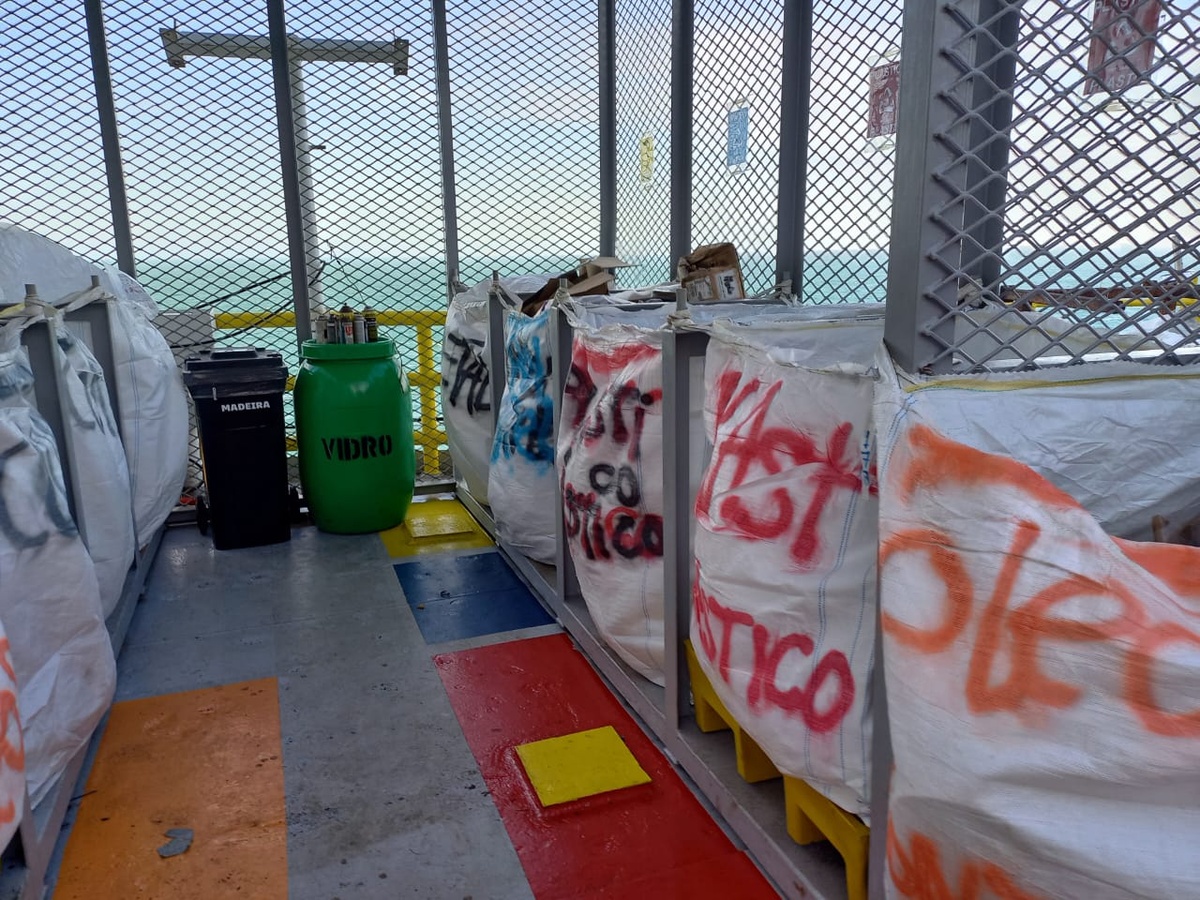
Foresea achieves 100% offshore waste reuse in 2025, eliminates landfill disposal, and consolidates sustainable strategy with 1,500 tons recycled.
-
With earth, bamboo, straw, and lime mortar, a specialist builds a house for just over $460 and draws attention for its cost being much lower than traditional construction.

The Historical Influence of COPs on the Debate About Sustainability
The Conferences of the Parties, better known as COPs, began in 1995 and have since created an international narrative about environmental responsibility. Although several agreements have faced challenges in implementation, each edition has spurred changes in national policies and in the private sector.
According to the UN, COP30 reinforced the urgency of climate adaptation and pointed out that extreme events are already directly affecting the economy, tourism, and infrastructure. During the Expo Forum, Fernando Beltrame emphasized that “if COPs were not held, the climate crisis would be in an even more worrying scenario”.
This view shows that global debates remain essential, especially for countries that depend on tourism or have significant climate vulnerability, such as Brazil.
Sustainable Transition in Brazilian Tourism
Tourism has always engaged with sustainability, but now the sector faces a new demand. Consumers want more responsible destinations. Companies need to reduce environmental impacts. Governments seek to invest in policies that preserve natural and cultural heritage.
According to the Ministry of Tourism, global trends that relate environmental preservation, social inclusion, and ethical management directly influence travelers’ behavior. Thus, ESG practices have become part of sector competitiveness.
Still, the Expo Forum showed that there is a long way to go. Alexis Pagliarini noted that tourism can become a showcase for sustainable solutions, but it depends on transparent metrics and permanent commitments.
In this sense, sustainability ceases to be merely an environmental strategy and starts to integrate management models.
Sustainability as a Driver of Efficiency and Innovation
Sustainability has strengthened in recent years as a tool for innovation. According to the Ethos Institute, companies that adopt ESG practices tend to reduce costs, enhance reputation, and attract responsible investments.
During the Expo Forum, Hélio Brito reinforced this view by explaining that monitoring technologies, energy efficiency, and integrated management strengthen productive chains and improve environmental indicators across the sector.
Moreover, digitalization has created conditions for businesses to track emissions, use fewer resources, and make quicker decisions. Thus, sustainability is increasingly seen as a competitive advantage rather than an additional cost.
The Importance of Climate Adaptation for Development
Climate adaptation emerged as a central theme of COP30 and also as a warning point at the Expo Forum. Experts stated that changes in rainfall patterns, rising temperatures, and extreme events require urgent planning.
According to the Brazilian government, 2024 recorded one of the highest accumulations of climate disasters in decades. This reinforces the need to prepare cities, tourism ventures, and industries for a more unstable environment.
It is in this context that sustainability directly connects to public management and the private sector. For tourist destinations to thrive, it is essential to ensure safety, infrastructure, and ecosystem protection. Therefore, adapting has become a priority for all areas of the economy.
The Relationship Between Sustainability, Education, and Productive Transformation
The debate at the Expo Forum highlights that sustainability is not limited to environmental practices. It involves good governance, transparency, diversity, inclusion, and education.
According to data from IBGE, sectors that invest in technical training and innovation have a greater capacity for adaptation. Thus, tourism, which heavily relies on qualified labor, finds in environmental education a decisive factor for responsible growth.
Furthermore, public policies need to align with the sector’s needs. Municipal and state governments have been seeking new climate agendas and certification programs that encourage more sustainable experiences.
How COP30 Influences the Future of Tourism and Companies
COP30 not only reinforced environmental commitments but also brought closer sectors that were previously operating separately. According to the government of Pará, more than 60% of the topics discussed involved climate adaptation, clean energy, green financing, and protection of traditional communities.
These pillars directly impact tourism, which relies on natural preservation, climate stability, and ethical practices with workers and local populations.
At the Expo Forum, experts demonstrated that companies already see this movement as a strategic opportunity. Brazilian tourism has the potential to become a continental reference when it comes to sustainability.
ESG as the Foundation of the New Brazilian Economy
The event also emphasized that Brazilian companies have started to include ESG indicators in reports, annual goals, and operational practices. According to the B3 website, more than 200 Brazilian companies already publish sustainability reports aligned with international recommendations.
Nonetheless, the challenge remains significant. Sustainability requires consistency, investment, innovation, and cultural change. However, experts assert that those who adapt first will reap lasting economic and reputational benefits.







Seja o primeiro a reagir!