





 Portuguese
  English
  Spanish
  3 min of reading
  0 comments


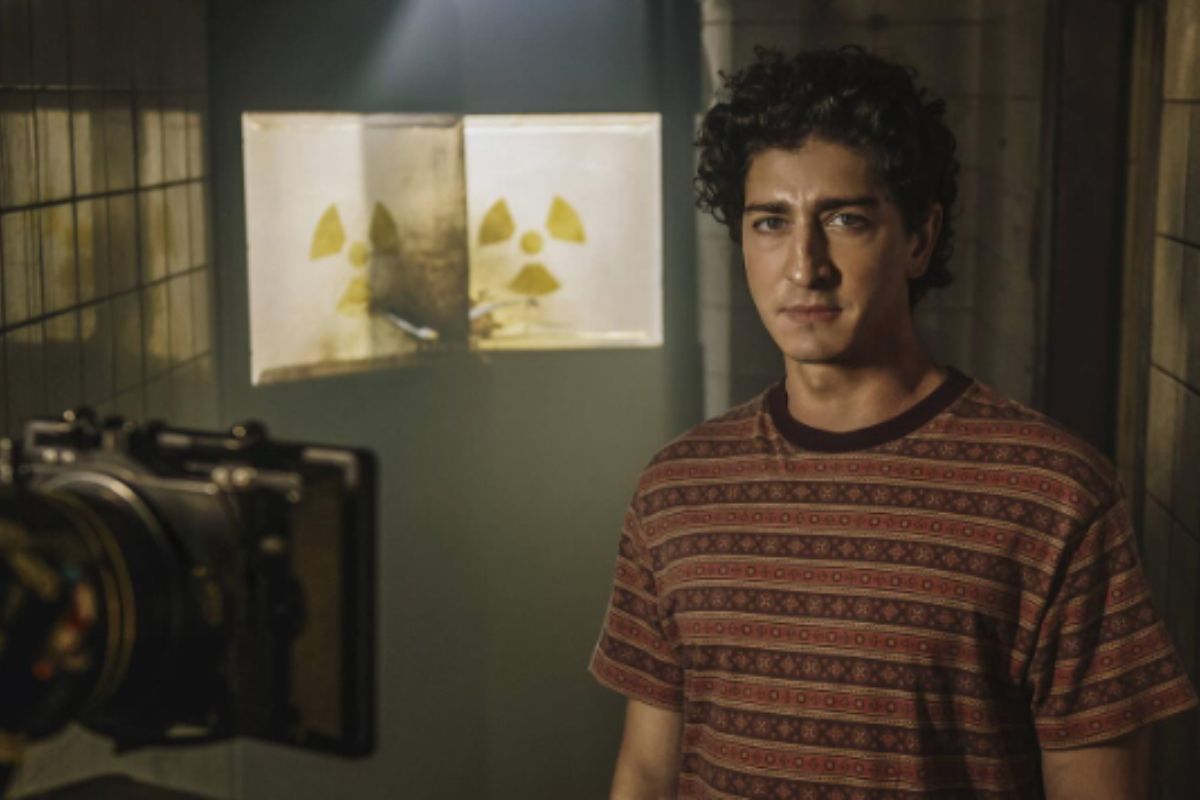
Understand How the Inadequate Disposal of a Medical Device Triggered the Radiological Accident in Goiânia with Caesium-137, the Largest in the World Outside of a Nuclear Power Plant, and What Its Consequences Are Until Today.
In September 1987, a bright blue powder that fascinated children and adults in downtown Goiânia marked the beginning of the largest radiological accident in Goiânia with Caesium-137, a tragedy that would forever mark Brazil’s history. What seemed to be a magical find was, in fact, a highly radioactive material, released from a capsule of an abandoned radiotherapy device in a deactivated clinic.
The contamination spread quickly, fueled by curiosity and ignorance. The incident, classified as level 5 on the International Nuclear Event Scale (INES), resulted in deaths, hundreds of contaminated individuals, and a legacy of stigma and public health challenges that persist nearly four decades later. The story of the radiological accident in Goiânia with Caesium-137 serves as a tragic warning about the dangers of negligence and the importance of oversight.
Timeline of an Announced Disaster
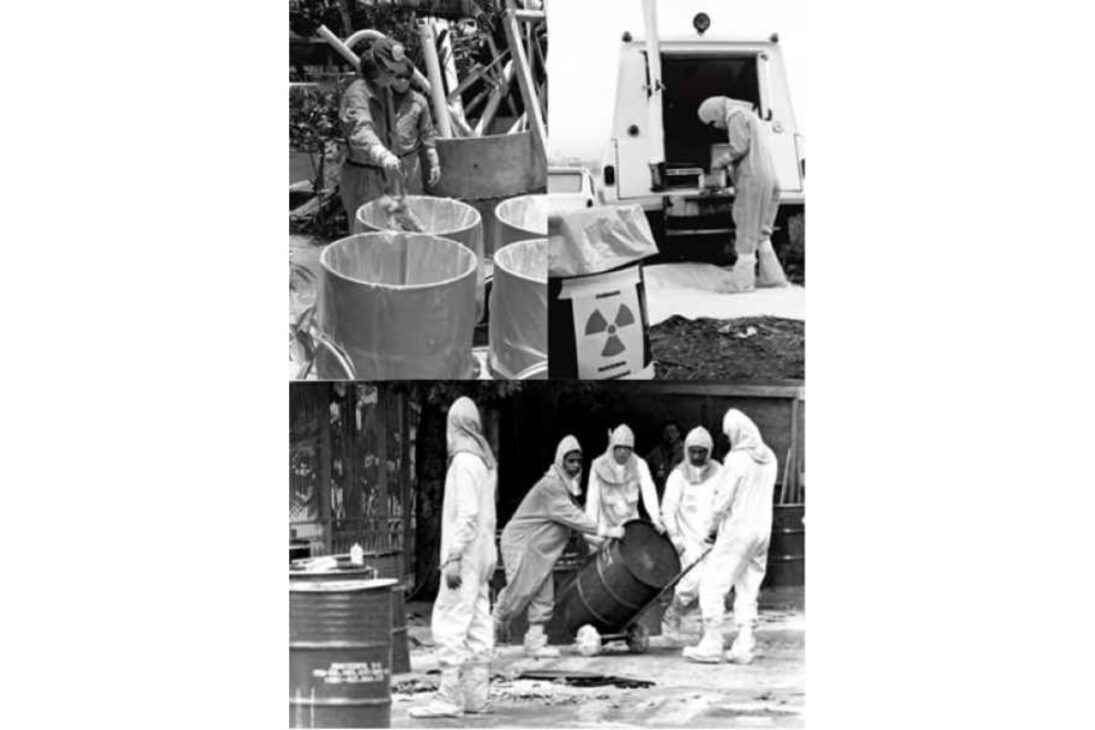
The radiological accident in Goiânia with Caesium-137 began with an act of irresponsible disposal and unfolded over 15 days of silent terror, until it was finally identified.
-
With an unusual prize, Japan transforms office chairs into a resistance race on the streets, the ISU-1 Grand Prix grows, fills events, and pays 90 kilograms of rice.
-
With a façade that resembles a giant zipper, the building in Milan creates a sense of strangeness, featuring lighting that transforms engineering and attracts the attention of residents and tourists.
-
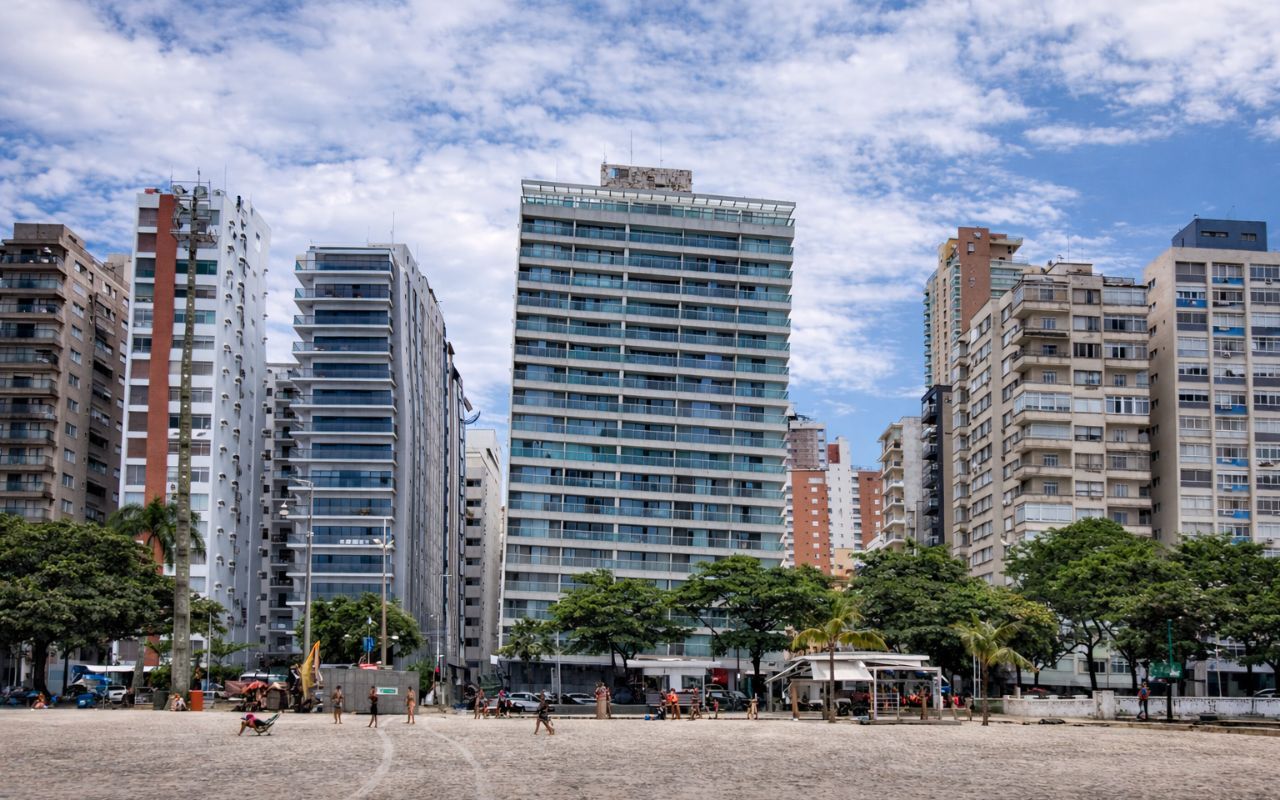
The Brazilian city has 319 crooked buildings built on sandy soil without proper deep foundations, houses the largest beach garden in the world, with over 5 km, and is still considered the birthplace of surfing — meet Santos, in São Paulo.
-
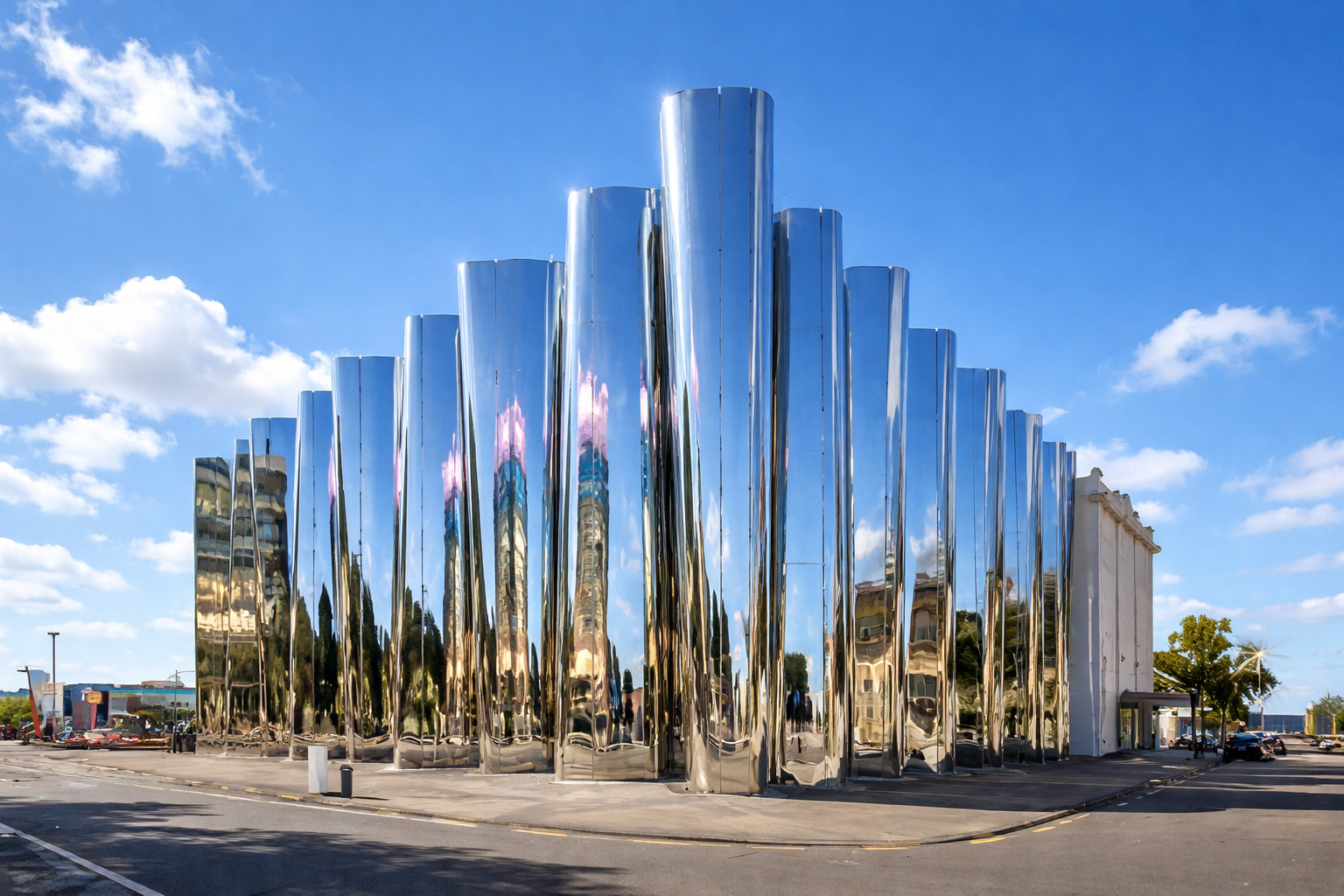
New Zealand builds a shimmering building that vibrates, featuring a 62-seat cinema, moving sculptures, and an environment where sound, light, and energy are felt in the body.

September 13, 1987: Scrap collectors Roberto dos Santos Alves and Wagner Mota Pereira find a radiotherapy device in the ruins of the Goiano Institute of Radiotherapy (IGR). They take the piece, believing it to be valuable, and sell it to Devair Alves Ferreira, the owner of a junkyard.
September 18, 1987: Fascinated by the blue glow emitted by the capsule in the dark, Devair opens it, exposing 19.26 grams of caesium-137 chloride. He distributes fragments of the glowing powder to friends and family.
September 21, 1987: Ivo Ferreira, Devair’s brother, takes some of the powder home. His daughter, Leide das Neves Ferreira, only 6 years old, plays with the material, spreading it across her body. She becomes the symbol of the tragedy.
September 28, 1987: After days of vomiting, diarrhea, and burns among those who came into contact with the material, Devair’s wife, Gabriela Maria Ferreira, takes part of the capsule to the Health Surveillance. Physicist Walter Mendes Ferreira is called in and, using a radiation detector, identifies the imminent danger.
September 29, 1987: The National Commission for Nuclear Energy (CNEN) is alerted, and a large-scale emergency operation is initiated.
The Response and the Devastating Consequences
The identification of the material initiated an unprecedented operation. More than 112,000 people were monitored at the Serra Dourada Stadium for contamination. In total, 249 individuals showed significant levels of radiation, with 129 of them requiring medical treatment.
The consequences were tragic:
Four initial deaths: Leide das Neves, Gabriela Maria Ferreira, and two junkyard workers, Israel Baptista dos Santos and Admilson Alves de Souza, died in the following weeks due to Acute Radiation Syndrome.
Radioactive waste: The cleanup operation generated 6,000 tons of radioactive waste, including demolished houses, clothing, furniture, and contaminated soil. All this material was sealed in concrete containers and taken to a special storage facility in Abadia de Goiás, where it will remain for centuries.
Long-term impacts: Survivors continue to face an increased risk of developing cancer, as well as psychological issues such as depression and post-traumatic stress.
The Legacy: Stigma and Lessons Learned
The radiological accident in Goiânia with Caesium-137 left deep scars. The city and its inhabitants suffered a strong stigma, nicknamed “Goiannobyl,” with boycotts of local products and discrimination against people from the area.
The tragedy, however, served as a warning to the world. It resulted in a <strong tightening of laws and oversight on radioactive materials in Brazil and influenced safety protocols worldwide. Today, the accident is frequently revisited in documentaries, books, and, more recently, in an upcoming Netflix production, keeping alive the memory of a disaster that should never be forgotten.
And what do you think about the radiological accident in Goiânia with Caesium-137? Do you believe Brazil has learned the necessary lessons to prevent such a tragedy from happening again? Leave your thoughts in the comments.






-

Uma pessoa reagiu a isso.