





 Portuguese
  English
  Spanish
  5 min of reading
  0 comments


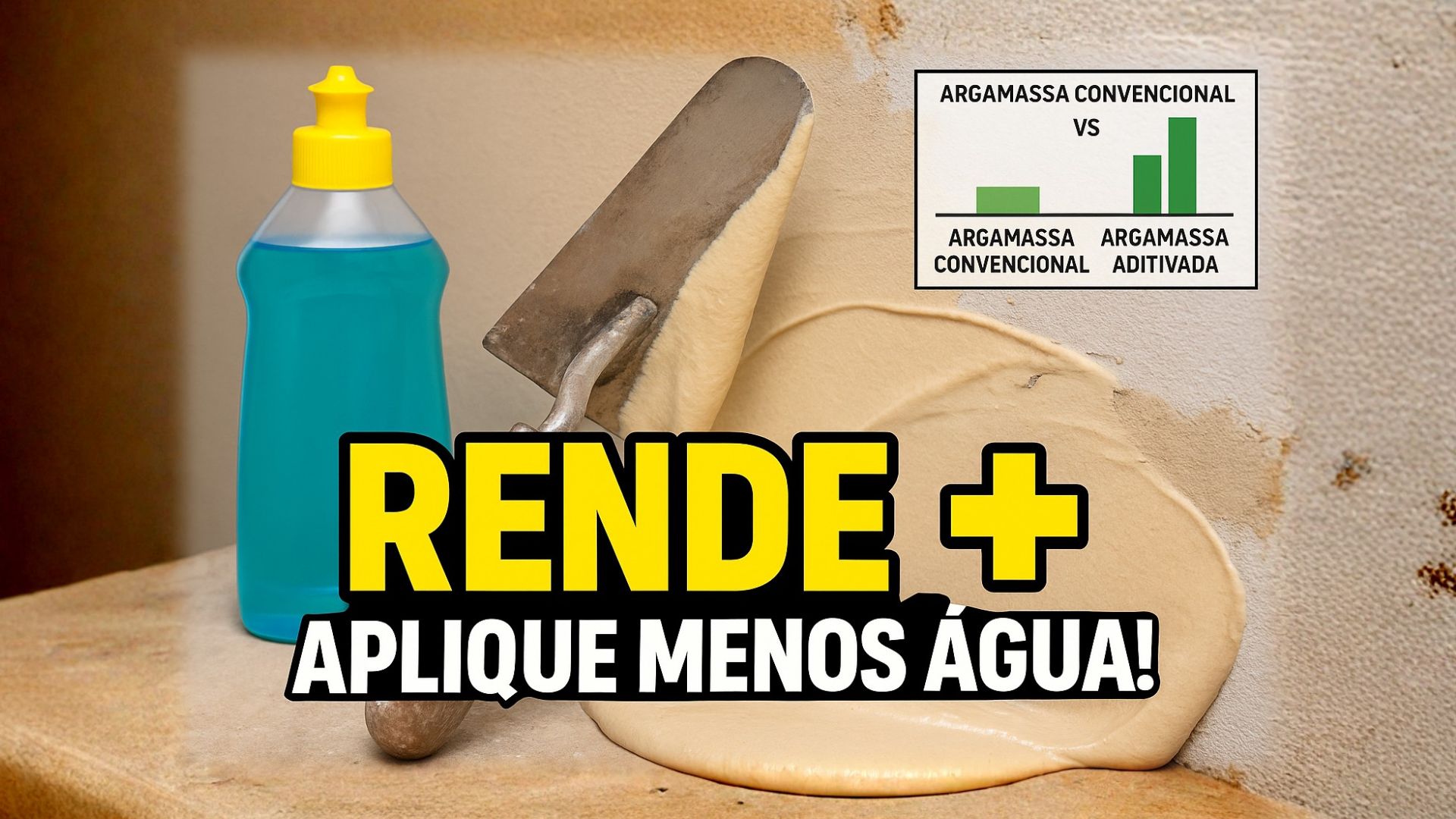
A Simple Technique Used by Masons Transforms Ordinary Mortar into a More Fluid and Resistant Mixture with a Common Ingredient. The Method Gains Strength in Residential Renovations.
In residential construction and small renovations in Brazil, construction professionals have adopted a simple practice to improve the performance of finishing mortars: the controlled addition of common neutral detergent to the mixing water.
This technique, observed in regions such as the Vale do São Patrício in Goiás, and reported by masons in various parts of the country, transforms the mixture’s consistency, making it more fluid and easy to apply without the need for excess water.
The detergent acts as an air incorporator and surfactant, breaking the surface tension between the grains of cement and sand, resulting in greater immediate plasticity.
-
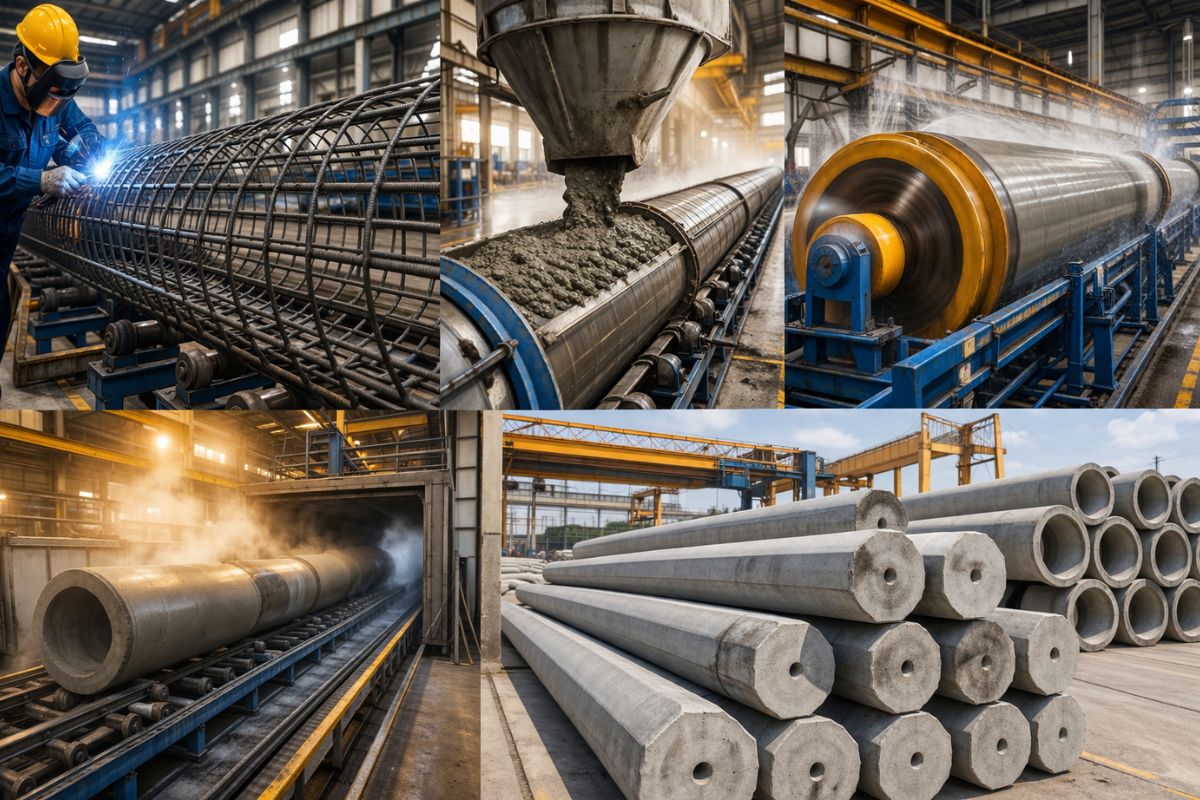
The factory shows how PHC piles and precast tubes are made; steel turns into a welded cage, high-strength concrete enters the mold, spins in centrifugation, cures in steam, and is ready in hours.
-
Small house with natural light becomes a trend in sustainable architecture and reveals how smart designs reduce energy consumption and enhance comfort in compact spaces.

-
Guaratuba Bridge enters the final phase with high-standard road signage implemented by IASIN and inauguration scheduled for April 2026.

-
A homeless person in Los Angeles built their own wooden house with a garden at the entrance, a bed, a television, and a bathing area, and is now selling identical mini houses for $150 to other homeless individuals who prefer anything over returning to plastic tents.

How Detergent Improves the Workability of the Mixture
Experienced masons explain that the neutral detergent reduces internal friction of the mortar components, allowing the mixture to flow better on the trowel and spread evenly on the walls.
In practical tests conducted on construction sites, the mixture with a few drops of the product yields even more volume with the same traditional mix, as it incorporates microbubbles of air that increase cohesion and prevent segregation of the materials.
This characteristic facilitates smooth plastering on internal surfaces, where precise application is required to avoid undulations or later corrections.

Technical Basis of the Addition of Detergent to the Mortar
The technical basis of the practice lies in the plasticizing effect of the detergent, similar to that of industrial additives based on surfactants.
Academic studies and field reports indicate that the product, when diluted in water before being mixed with cement and sand, improves the workability of fresh mortar without significantly altering the total amount of water needed.
In spreading tests on the flow table, mortars with added detergent show greater spread diameters compared to conventional mixtures with the same water-cement ratio, confirming the increase in fluidity.
Why the Technique Gained Strength in 2025
Professionals highlight that the technique gains momentum in 2025, driven by the increase in prices of commercial plasticizing additives and the search for affordable solutions in internal renovations.
In small-scale works, where material costs represent a large part of the budget, the use of neutral detergent costs fractions of a real per square meter applied.
Masons report that the superplastic mixture allows for more homogeneous finishes on masonry or concrete walls, reducing physical effort in application and execution time.
Ideal Proportion Used by Professionals
The most observed ratio in construction practices varies between 5 and 10 milliliters of neutral detergent per 50-kilogram bag of cement, previously diluted in the mixing water to avoid excessive concentration.
This low dosage ensures that the mixture achieves the ideal consistency for internal plastering, making it creamier and more adherent to the trowel.
In demonstrations conducted by foremen, the mortar with the additive glides easily, filling surface porosities and creating thin and even layers that dry with less shrinkage.
Reduction of Cracks in Internal Plastering
Another reported benefit is the reduction of surface cracks in internal plastering.
The microbubbles of air incorporated by the detergent act as stress dampeners during curing, minimizing cracks due to hydraulic shrinkage in environments with controlled ventilation.
In internal walls of old or new residences, where relative humidity is low, the additive mixture presents a smoother finish, ready to receive direct painting after complete drying, which occurs in a similar timeframe to that of traditional mortar.
Advantages Over Industrial Products
The practice differs from industrial additives because it uses an easily accessible household product, found in any supermarket.
Manufacturers of commercial plasticizing additives offer similar performance in laboratory tests, but neutral detergent emerges as an alternative in low-budget projects.
Engineers and technicians note that the technique is particularly applicable in mortars for internal finishing, where exposure to the elements does not occur and the structural load is minimal.

Application in Hot Days and Specific Regions
In hot regions of Brazil, the gain in workability prevents the mixture from hardening too quickly during application, allowing for corrections in the plaster without the formation of cold joints.
Masons in states like Goiás and Minas Gerais have adopted the method for years, passing it down through generations as a way to optimize the performance of the mixture.
The superplastic mixture covers a larger area with the same volume of material, reducing waste and costs in residential renovations.
Care in Preparation and Application
Field tests show that the mortar with detergent maintains adequate adhesion on common substrates, such as ceramic blocks or concrete, as long as the surface is clean and damp.
The application follows the conventional mix ratio of 1 part cement to 6 to 8 parts medium sand, with the additive incorporated only in the liquid phase.
After mechanical or manual mixing, the mixture presents a velvety texture, facilitating leveling and finishing with a trowel.
The resurgence of the technique in 2025 is directly related to the inflation of construction materials, which raised prices of ready-made plasticizers.
Small contractors and freelancers turn to detergent to maintain competitiveness, delivering high-quality plaster finishes within tight deadlines.
In internal projects of apartments and houses, the method allows for precise leveling on uneven walls, creating solid bases for finishing plaster or texture.
The drying of the additive mixture occurs uniformly, with less water exudation on the surface, which prevents stains and efflorescence in thin plastering.
The adoption is growing among professionals seeking efficiency without high investments in specialized products.
In technical forums and reports from the construction site, the superplasticity of the mixture reduces fatigue in manual application, allowing for more productive workdays.
The smooth plaster obtained on the first pass minimizes subsequent sanding steps, speeding up the delivery of services in residences.
Have you tried or seen this technique being applied in any nearby construction?




-

-

-

-

-

11 pessoas reagiram a isso.