





 Portuguese
  English
  Spanish
  2 min of reading



The Brazilian Energy Producer AES Brasil Expects to Triple Its Renewable Energy Investment Capacity
The renewable energy investment plan stipulates that AES Brasil will transfer all operational assets to the subsidiary AES Tietê Energia to secure more loans for project development. New developments will be managed by separate entities. AES Brasil currently focuses on building wind and solar parks to serve individual companies but is also considering acquiring renewable energy projects with an installed capacity between 100 MW and 300 MW.
Also Read
Last month, AES Brasil signed a memorandum of understanding (MoU) to supply 80 average megawatts (MWa) of wind power to the local ferroalloy producer Ferbasa SA and received the green light from Brazil’s competition regulator CADE for the acquisition of a 158.5 MW wind portfolio.
Currently, the local arm of the American utility AES Corp holds 3.7 GW of renewable energy plants in its portfolio, along with an additional project pipeline that will help it achieve just over 5 GW in total, the report says.
-
Petrobras reaffirms its commitment to the market and ensures that it will carry out the energy transition safely to maintain national sovereignty.

-
Researchers discover a possible hydrogen deposit of up to 46 million tons beneath an ancient coal basin, and the volume could exceed half of the entire global production.

-
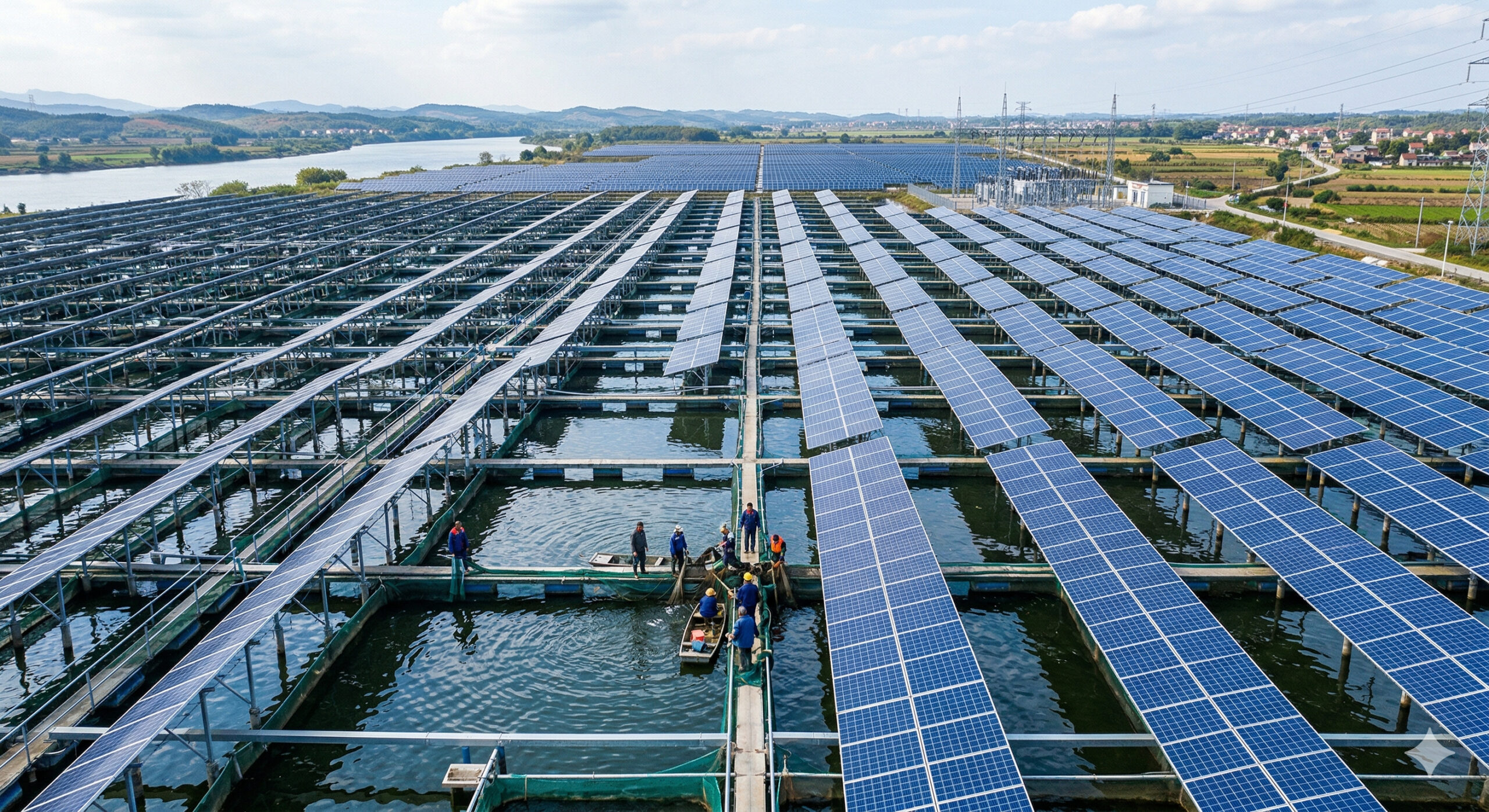
China bets on the Fishery-PV model and transforms fish farms into giant solar plants, covering ponds with panels that generate energy while utilizing the same space for large-scale aquaculture production.
-
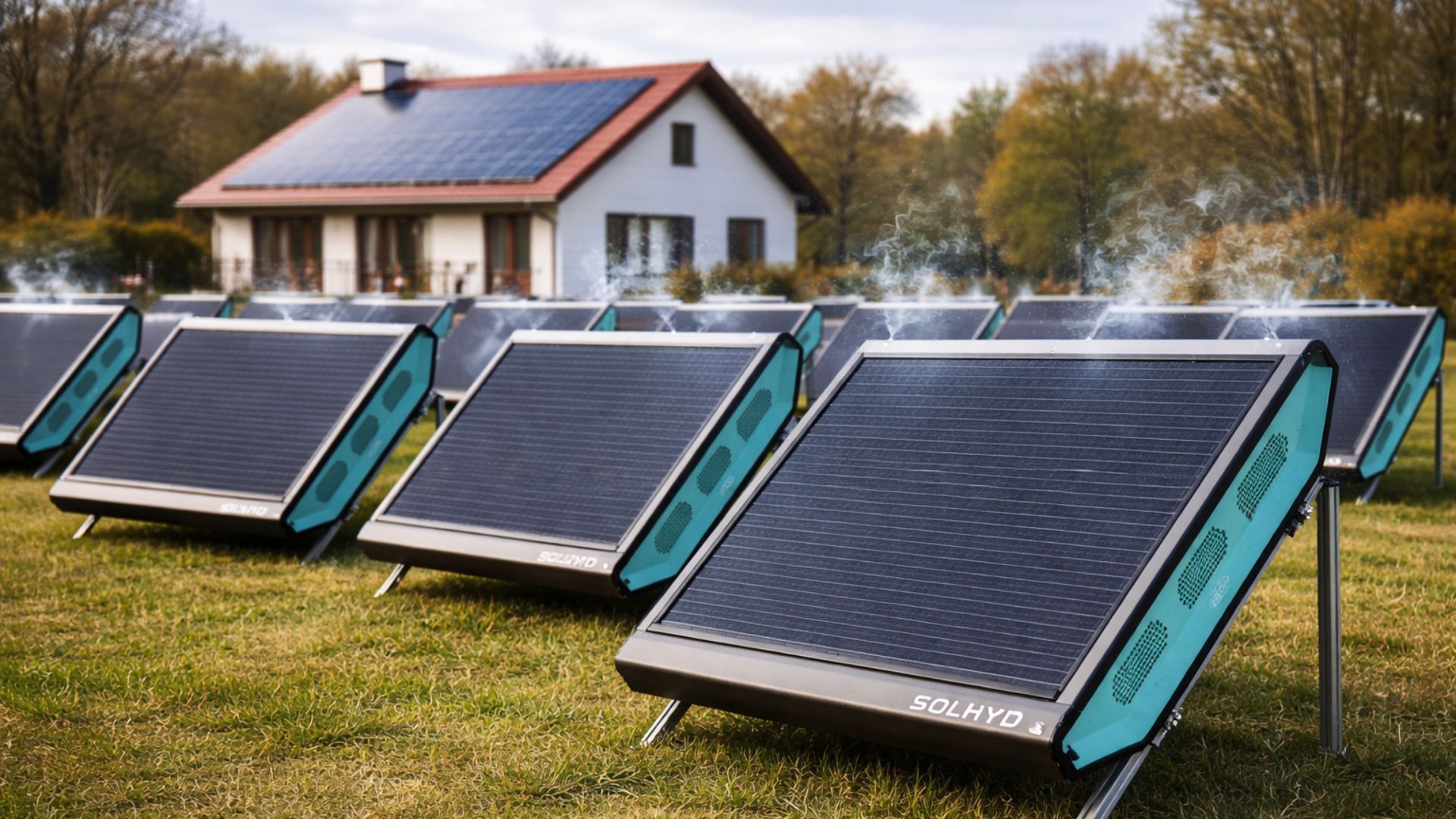
Green hydrogen at home: Belgium launches new technology that makes solar panels produce fuel from the moisture in the air, which could boost the energy transition.

Investments Coming Soon
AES Tietê has an investment plan of about 1.4 billion reais between 2020 and 2024, but the amount only includes already announced renewable energy projects. AES Brasil operates under its current structure with leverage, measured by the ratio of net debt to cash generation (Ebitda), between 2.5 times and 3 times.
In the new structure, depending on the project’s implementation speed, the company could aim for a ratio closer to 4.5 times, said Clarissa.








Seja o primeiro a reagir!