Portuguese
  Spanish




The Brazilian Energy Producer AES Brasil Expects to Triple Its Renewable Energy Investment Capacity
The renewable energy investment plan stipulates that AES Brasil will transfer all operational assets to the subsidiary AES Tietê Energia to secure more loans for project development. New developments will be managed by separate entities. AES Brasil currently focuses on building wind and solar parks to serve individual companies but is also considering acquiring renewable energy projects with an installed capacity between 100 MW and 300 MW.
Also Read
Last month, AES Brasil signed a memorandum of understanding (MoU) to supply 80 average megawatts (MWa) of wind power to the local ferroalloy producer Ferbasa SA and received the green light from Brazil’s competition regulator CADE for the acquisition of a 158.5 MW wind portfolio.
Currently, the local arm of the American utility AES Corp holds 3.7 GW of renewable energy plants in its portfolio, along with an additional project pipeline that will help it achieve just over 5 GW in total, the report says.
-
Fired during apartheid and with a little borrowed money, an electrician started with a borrowed truck and transformed electrical services into a group connected to energy, real estate, and infrastructure in South Africa.

-
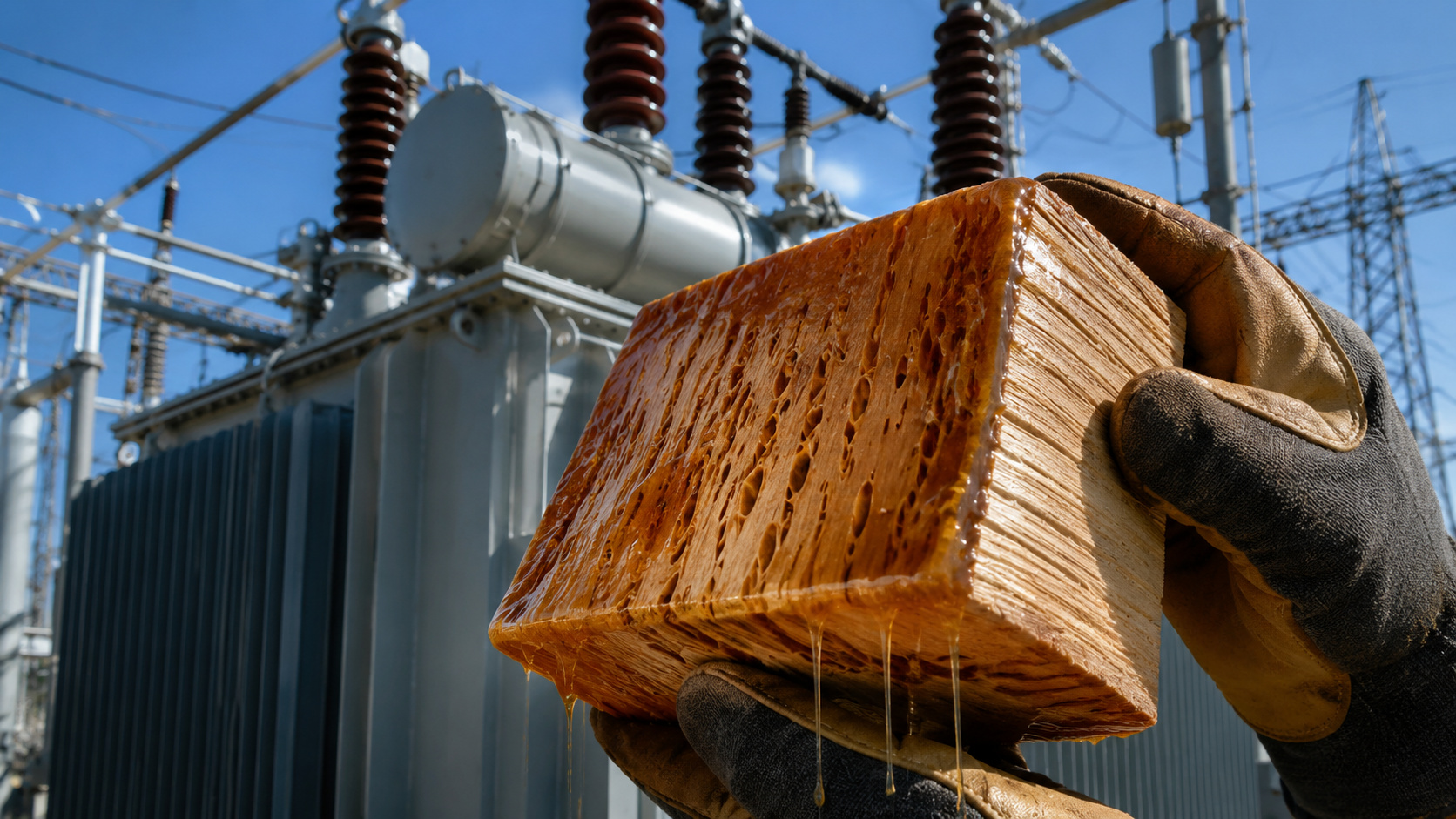
Wood has ceased to be just a construction material in Yale research and has become insulation for electrical transformers that face intense heat, aging, and increasing pressure from the renewable energy-powered grid.
-
More than 1,000 residents of a remote island in Kiribati now have clean water and electricity with solar systems operated by the community itself.
-
Ceará brings together 7 giants and R$ 66 billion to transform Pecém into the largest green hydrogen hub in Brazil, with final decisions expected by the end of 2026.



Investments Coming Soon
AES Tietê has an investment plan of about 1.4 billion reais between 2020 and 2024, but the amount only includes already announced renewable energy projects. AES Brasil operates under its current structure with leverage, measured by the ratio of net debt to cash generation (Ebitda), between 2.5 times and 3 times.
In the new structure, depending on the project’s implementation speed, the company could aim for a ratio closer to 4.5 times, said Clarissa.