





 Portuguese
  English
  Spanish
  5 min of reading
  0 comments


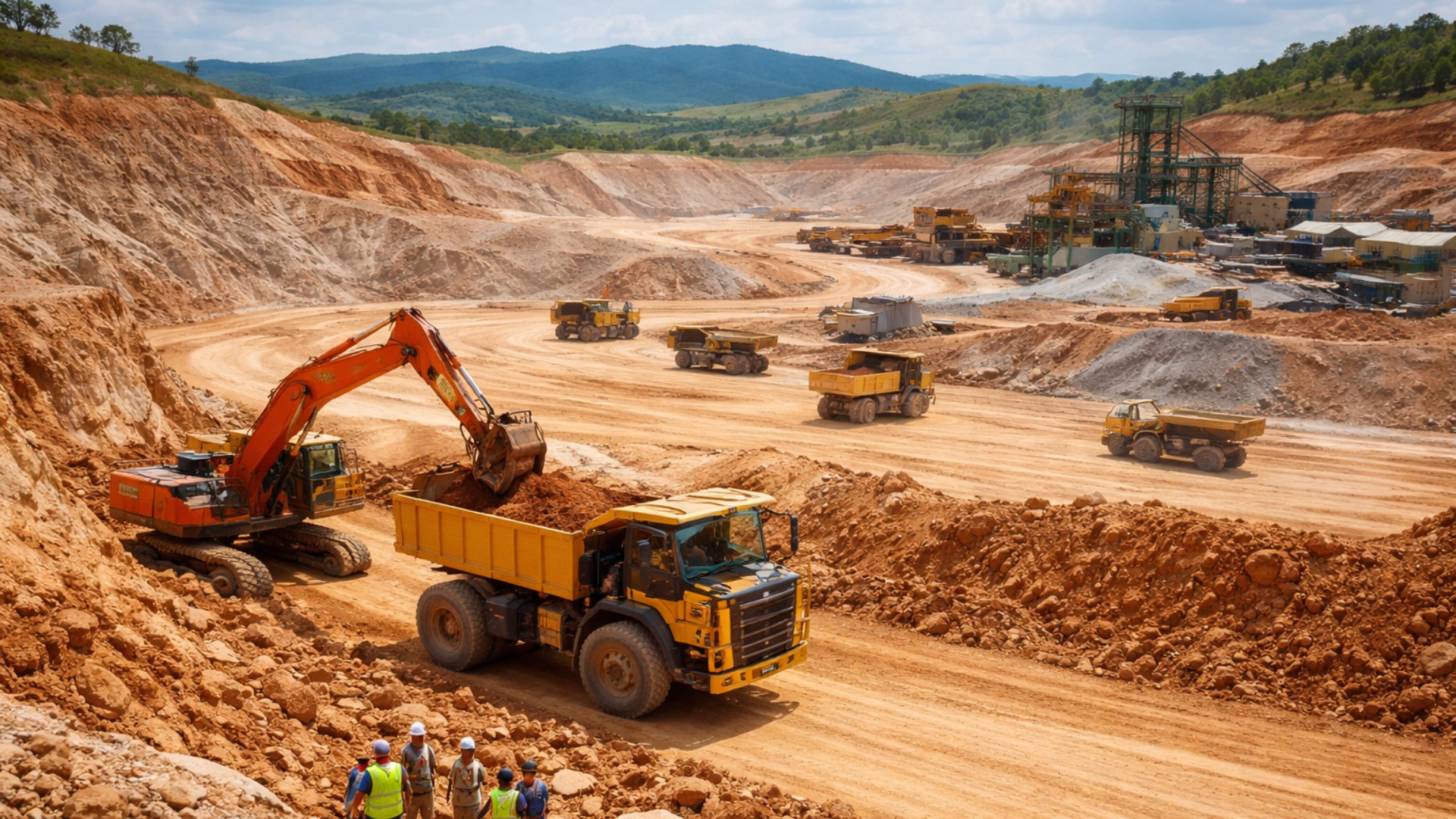
Strategic movement expands global dispute for critical minerals and positions Brazil at the center of international interests related to energy, defense, and advanced technology, with direct impacts on production chains and industrial geopolitics.
The United States has secured financing of US$ 565 million with Serra Verde to refinance debts and expand production at the Pela Ema mine in Goiás, in a move that reinforces the global dispute for critical minerals and increases American presence in a supply chain currently concentrated in China.
According to Veja magazine, in an article published this Wednesday (01), the operation was structured by the U.S. International Development Finance Corporation, the DFC, and also includes the option to acquire a minority stake in the company.
In addition to the credit, the arrangement opens space for Washington to influence the commercial fate of part of the production.
-
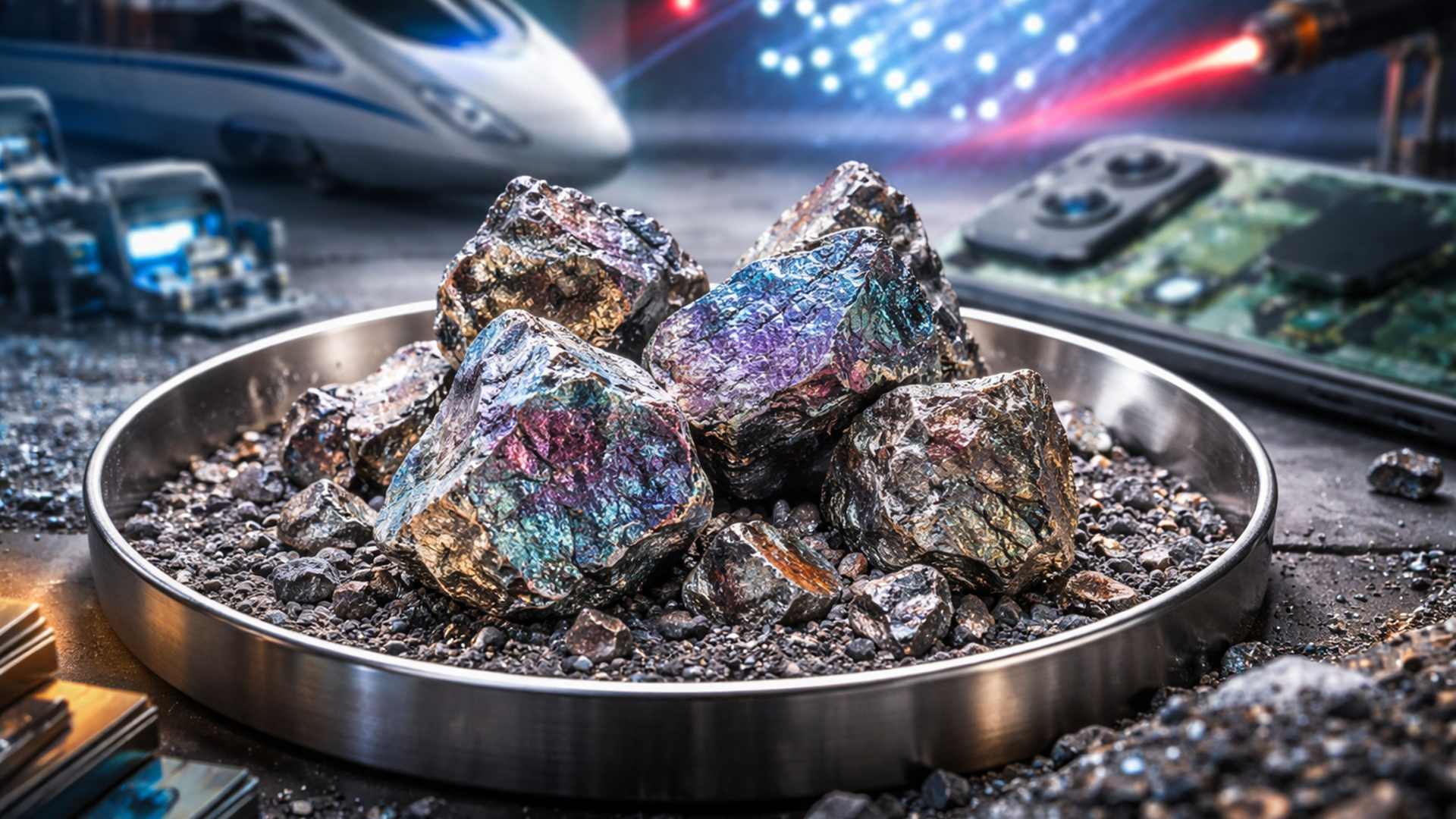
Rare earths are in everything, from cell phones to bullet trains, and what almost no one realizes is why they have become the target of such a delicate global war.
-
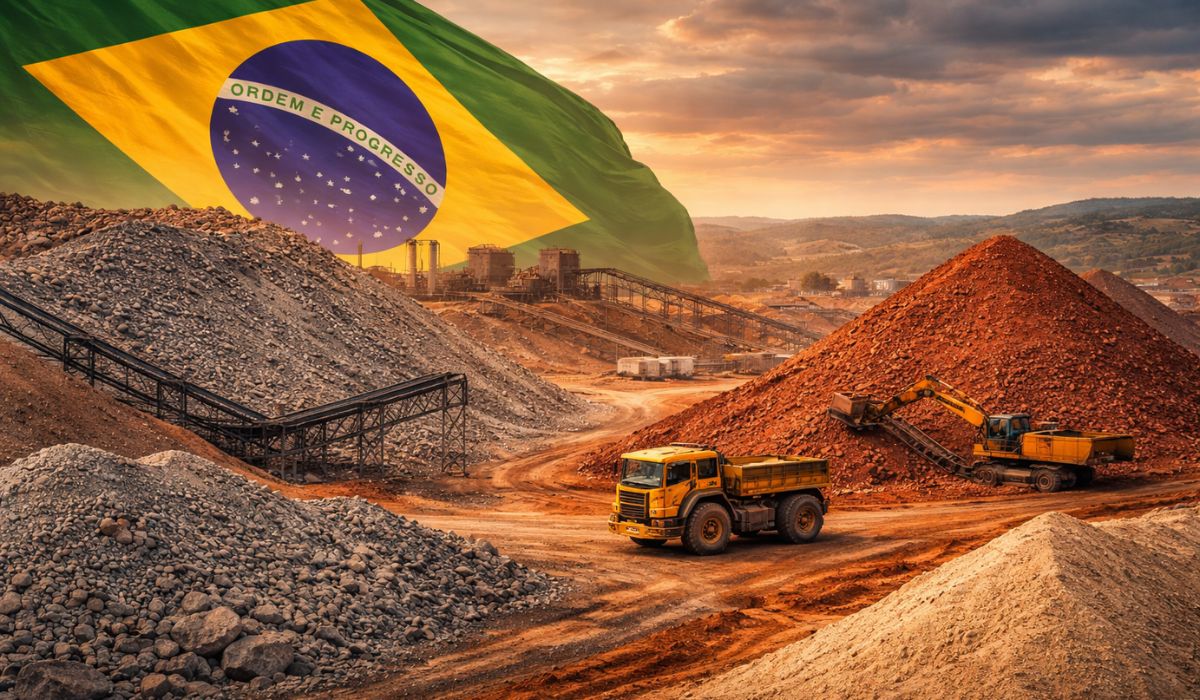
Brazil extracts 26.3 million tons of ore from what was previously treated as waste, transforming residues into wealth, producing over 3 million tons of sand, and demonstrating how national mining is relearning to generate value.
-
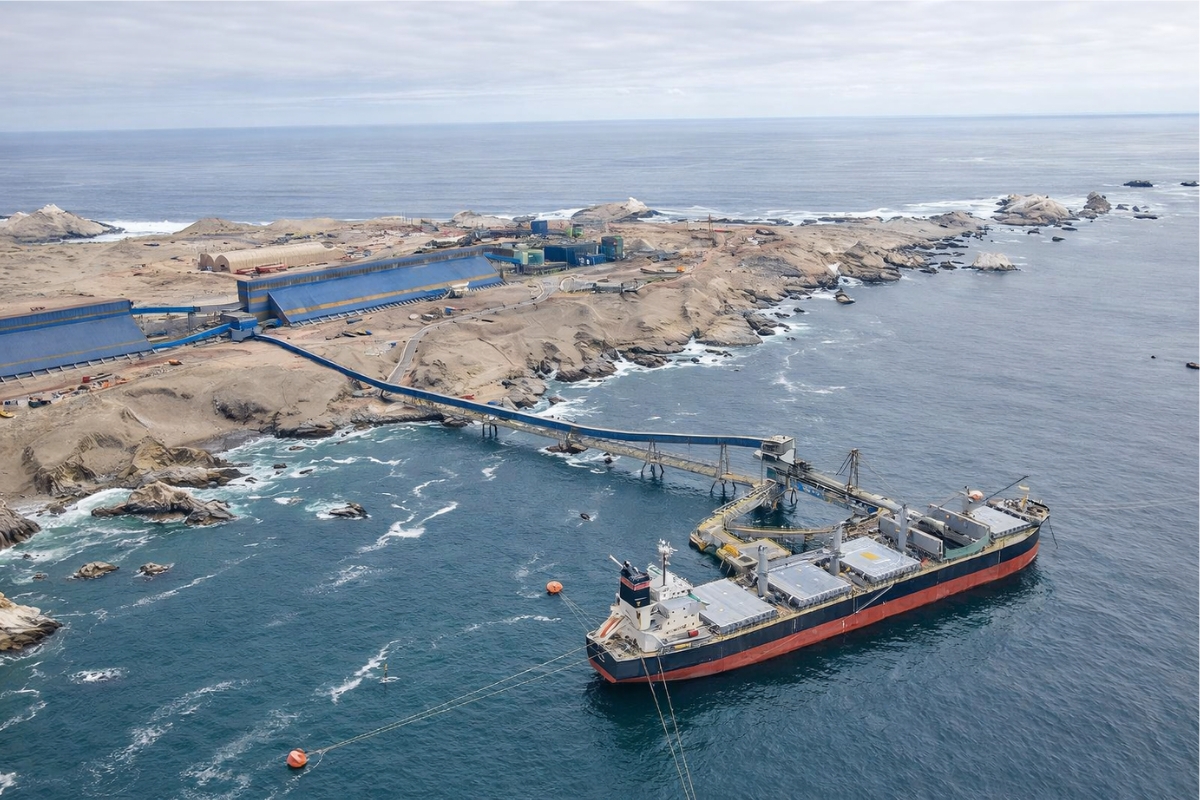
A $3.5 billion megaproject in Latin America pumps desalinated seawater at 1,050 liters per second over 194 km to keep a copper supermine in the Andes operational for another 20 years.
-
A hidden mine in the Andes valued at nearly R$ 1 trillion is starting to attract global attention, containing copper, gold, and silver, and raises an intriguing question: why do Argentina and Chile need to act together to exploit this gigantic wealth?
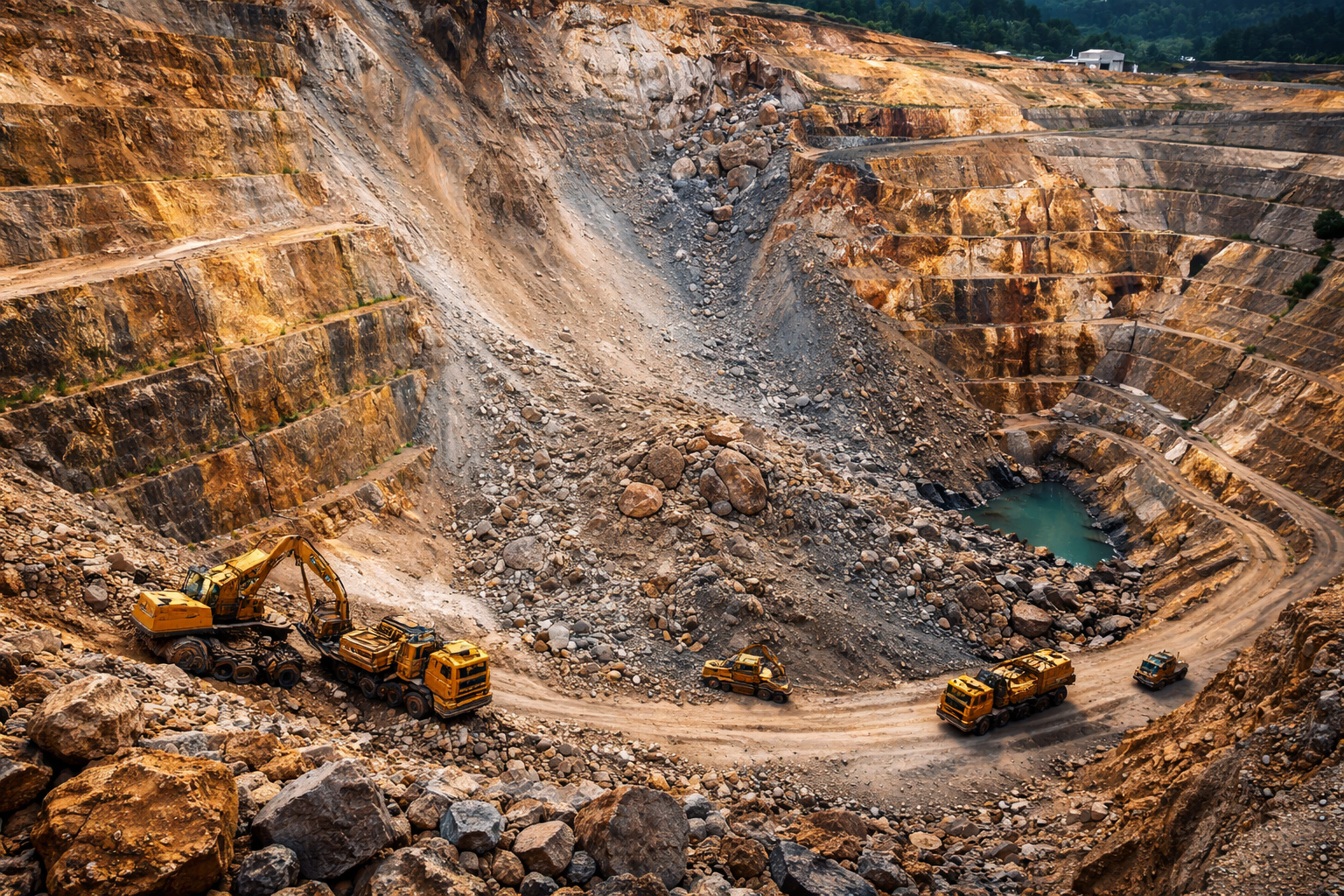

The Financial Times reported that the package ensures the U.S. access to the minerals and gives them unusual power of influence over who may purchase Serra Verde’s production, while Reuters reported that the mining company is working to have offtake contracts in place by the end of 2026, after shortening agreements previously made with Chinese processors.
Brazil at the center of the race for rare earths
The weight of the agreement is explained by the type of material extracted in Minaçu.
Serra Verde claims to be the only large-scale producer, outside of Asia, of critical heavy rare earths, particularly dysprosium and terbium, elements used in permanent magnets found in electric vehicles, wind turbines, electronics, medical systems, defense, and aerospace.
The company began commercial production at the beginning of 2024 and expects to reach around 6,500 tons of total rare earth oxides annually by the end of 2027.
Brazil enters this race with a relevant geological advantage, but still has little converted into industrial scale.

Data from the U.S. Geological Survey indicates that the country has 21 million tons in reserves, the second-largest volume in the world, behind only China, which has 44 million tons.
Still, Brazilian production remains small compared to the main global hubs, which helps explain the growing interest from governments and private groups in projects in the country.
China’s dominance pressures global strategies
The American advance occurs because the problem is not only at the mine, but in processing.
Reuters reported in December 2025 that China controls 90% of the processed global supply of rare earths, a condition that has led Western countries to accelerate the search for alternative sources for defense, energy transition, and high-tech industry.
In this context, assets with a significant presence of heavy rare earths have gained strategic value, as these elements tend to be scarcer outside the Chinese circuit.
The recent trajectory of Serra Verde itself illustrates this transition.
When the project was still being developed, the company closed long-term contracts with Chinese groups because there was practically no other route available to separate and process the concentrate.
Later, with the emergence of alternatives in the West and the deepening rivalry between Washington and Beijing, the company renegotiated these contracts, shortening the terms and preserving margin to diversify the buyer base.
U.S. strategy to reduce dependence
On the American side, financing for Serra Verde is part of a broader policy to reduce vulnerabilities in sensitive raw materials.
The DFC officially stated that the loan will be used to optimize and expand the Brazilian mine and will help develop a source of rare earths aligned with the West.
Reuters also showed that the two parties are negotiating the details of a future minority equity stake for the U.S. government in the company, a mechanism that would increase American influence over an asset seen as strategic.
This strategy is not limited to the Brazilian case.
In the same communication in which it mentioned Serra Verde, the DFC also highlighted investments and letters of intent aimed at other critical minerals projects, such as tungsten in Kazakhstan and capital platforms for strategic supply chains.
The design indicates a more aggressive U.S. approach in financing, equity participation, and instruments related to production, focusing on economic and national security.
Challenges for Brazil to expand production
In Brazil, the operation reinforces a known contradiction in the mineral sector.
The country has significant reserves and deposits with increasing appeal, but still faces difficulties in transforming geological potential into robust production, local processing, and long-term contracts.
The agreement with the DFC tends to alleviate part of this bottleneck in the case of Serra Verde, as it exchanges liabilities for credit on more favorable terms and will finance the expansion of the project in Goiás.
Still, the advancement of an isolated mine does not, by itself, resolve Brazil’s industrial gap.
The strategic value of rare earths is increasingly less in raw extraction and more in the ability to separate oxides, manufacture alloys, produce magnets, and integrate these inputs into higher value-added industrial chains.
It is at this point that international competition intensifies. Those who guarantee access to the ore also try to ensure presence in the later stages, where external dependence tends to be even greater.
In this scenario, Serra Verde occupies a unique position.
The Brazilian mine combines relevant reserves, presence of heavy rare earths, and production already underway, three factors that do not frequently appear outside of Asia.
Therefore, American financing goes beyond the logic of a conventional corporate operation and fits into the reorganization of critical mineral supply chains, at a time when governments treat these inputs as an industrial, energy, and geopolitical issue.







Seja o primeiro a reagir!