





 Portuguese
  English
  Spanish
 4 min of reading
  0 comments


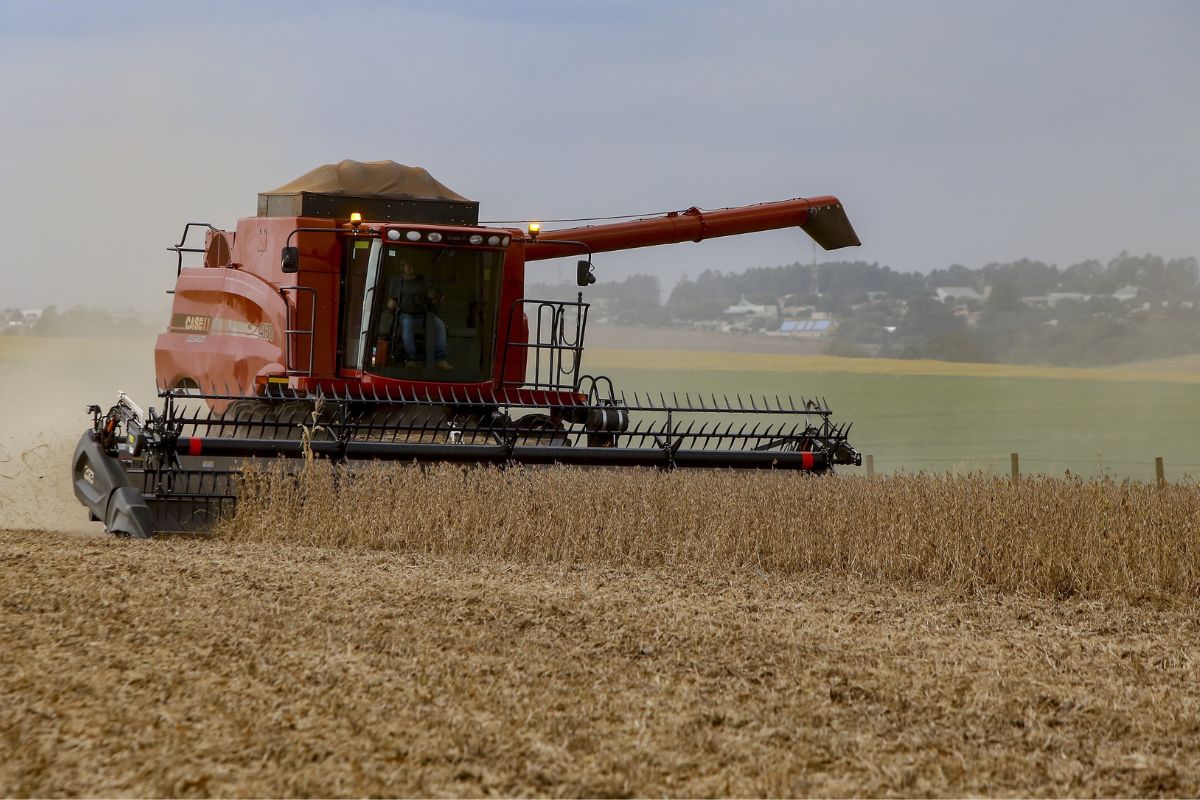
Even With the Strong Rains of Early November, Paraná Agriculture Shows Resilience With Replanting of Crops, Stable Prices for Maize, Appreciation of Swine, and Increase in Mate Exports
The Paraná agriculture began November facing the challenges of heavy rains, strong winds, and hail episodes recorded in the Central-West and Northern regions of the State, according to a report published.
Despite the climatic difficulties, the sector demonstrates capacity for adaptation, replanning sowings and preserving a good portion of the soybean, maize, and bean crops.
According to the Conjunctural Bulletin of the Department of Rural Economics (Deral), of the Secretariat of Agriculture and Supply (Seab), the quick reaction of producers and the ideal planting window ensure the possibility of replanting and recovery of the most affected areas.
-
The rise in oil prices in the Middle East is already affecting Brazilian sugar: mills in the Central-South are seeing their margins shrink just as ethanol gains strength.
-
Rain gains strength in April, potentially exceeding 150 mm, placing the North, Northeast, and the coasts of the South and Southeast at the center of the heaviest forecast of the week.

-
A fish that survives out of water, crawls on land until it finds another river, and whose female lays 80,000 eggs at once is infesting rivers and lakes in Brazil, and no one can stop this invasion.
-
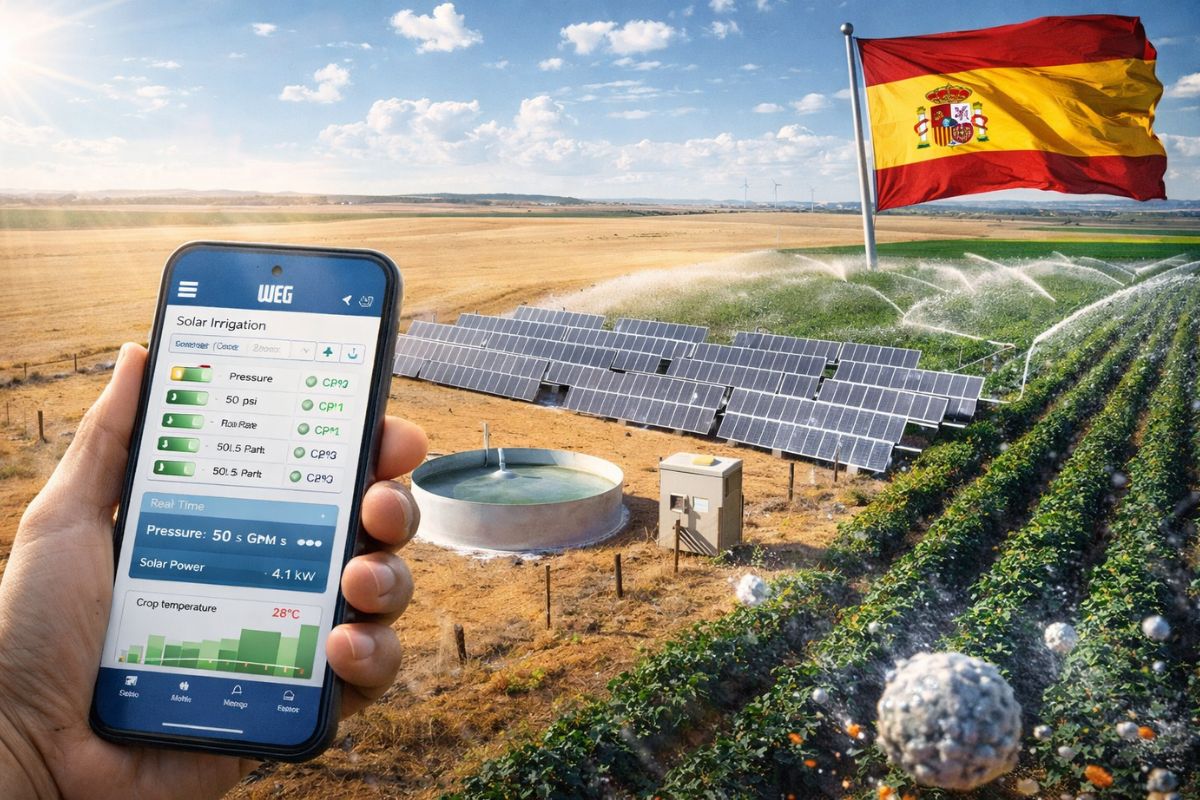
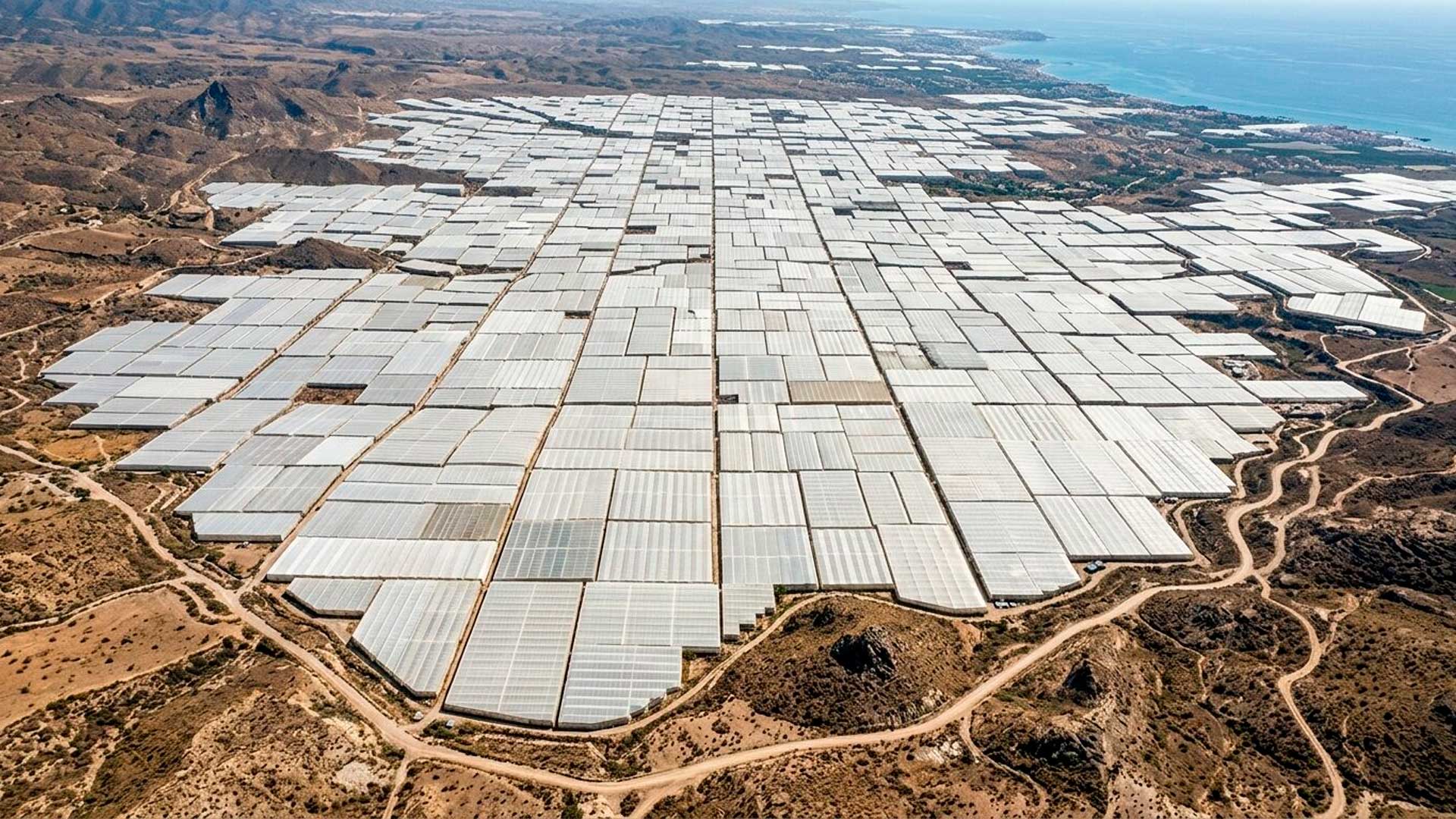
WEG took its technology to Spain to create a solar irrigation system that operates independently without needing an electrical grid, and now farmers control everything remotely via their mobile phones.

The soybean crops were the most affected. The Deral survey indicates that, although 93% of the areas, about 4.3 million hectares, are still in good condition, approximately 31 thousand hectares suffered losses due to the excess rains.
The percentage of areas classified as “bad” rose to 1%, while average conditions increased from 3% to 6%.
Even so, the crop remains within the ideal sowing period, allowing for adjustments and strategic replantings that can mitigate the losses from the first half of the month.
Soybean Replanting and Stability in Maize Strengthen Regional Production
In the most affected areas, producers will need to redefine strategies, whether by activating rural insurance or opting for replanting, which will require adjustments to the second harvest calendar.
The planting of the first harvest maize, in turn, presents a stable scenario, with 99% of the area already sown, a performance superior to the 98% recorded in the same period of 2024.
The good progress of maize shows that Paraná agriculture maintains productive efficiency even under adverse conditions.
In the case of beans, 77% of the crops are in good condition and 91% of the planned area of 104 thousand hectares has already been planted.
The crops in the South, less affected by the storms, are expected to start harvesting this month, with estimates of continuity until February 2026.
Despite the excessive humidity and low light in October, Deral believes that productivity will be preserved in the areas where the plants managed to develop regularly.
Appreciation of Swine and Increase in Beef Boost Agro-Industrial Market
In addition to crops, Paraná livestock continues to show positive results. The pig farming sector presents stable and high prices, following the significant appreciation in 2024.
The average price of R$ 22.36 per kilogram represents an increase of 27.5% compared to the previous year, driven by strong domestic and external demand.
Among the cuts surveyed by Deral, the bone-in shoulder rose by 28.5%, from R$ 14.16/kg to R$ 18.20/kg.
The boneless loin and the bone-in leg also had significant increases of 27.5% and 25.2%, respectively.
The cattle segment, monitored by Cepea, indicates that the exchange ratio between the arroba of fat cattle and calf has grown by 41% compared to the same month of 2024.
In some regions, producers need to sell up to 13.6 arrobas to acquire a calf. Despite this, the market remains optimistic, with a trend of price stability until the end of the year.
In retail, cuts such as ground beef saw a decrease of almost 10% in October, but over 12 months, all major cuts recorded increases, ranging from 10% (top round) to 21% (bottom round without bone).
Growth of Mate and Expansion of Fruit Growing Reinforce the Sustainability of Paraná Agriculture
The diversification of Paraná agriculture has been a differential against climatic challenges. Mate, for example, registered significant growth in 2024, with exports 50% higher than the national average, totaling 5.2 thousand tons shipped abroad.
Paraná remains the second largest exporter in the country, behind only Rio Grande do Sul, with highlights in the markets of Uruguay, Argentina, and Germany.
Fruit growing is also continuing to expand. Data from Deral shows that 392 of the 399 Paraná municipalities have commercial crops.
Paranavaí, Carlópolis, Alto Paraná, Guaratuba, and Cerro Azul lead production, totaling 15.7 thousand hectares planted and an estimated harvest of 500.3 thousand tons of fruit.
The Gross Value of Production (VBP) reaches R$ 1 billion, highlighting the economic importance of the sector.
These figures confirm that, even in the face of climatic adversities in early November, the Paraná countryside maintains its resilience, supported by a diversified productive base, efficient management, and constant technological adaptation.
With replanting in the crops, stability in livestock, and good results in exports, Paraná agriculture reaffirms its role as one of the pillars of the economy in southern Brazil.





Seja o primeiro a reagir!