





 Portuguese
  English
  Spanish
  3 min of reading
  0 comments



Expert Reveals That The Design Of A Luxury Model Requires Complete Body Removal For Basic Maintenance, Exposing A Hidden And Frightening Cost For Owners.
What seems like routine maintenance can turn into a financial nightmare for owners of a certain English car luxury. During an interview on the Irmãos Dias Podcast, a renowned automotive industry expert issued a stark warning: replacing a simple timing belt, a part that costs on average R$ 500, can require spending R$ 20,000 just in labor. The reason for this exorbitant value lies in the complexity of the vehicle’s design.
The impact of this revelation goes beyond the shock of the prices. It raises a crucial debate about the engineering philosophy behind certain prestige vehicles and the real cost of ownership, which is often obscured by brand status. To perform the service, mechanics are forced to execute an extreme procedure: separating the body from the chassis, something normally reserved for complete restorations or repairs from severe collisions, not for the replacement of a common wear item.
The Unexpected Warning From The Expert
The information shared on the Irmãos Dias Podcast caught many enthusiasts by surprise. The timing belt (or cam belt) is a vital component for the engine’s operation, responsible for synchronizing the movement of the valves and pistons. Its periodic replacement is standard preventive maintenance to avoid catastrophic engine damage, which can occur if it breaks.
-
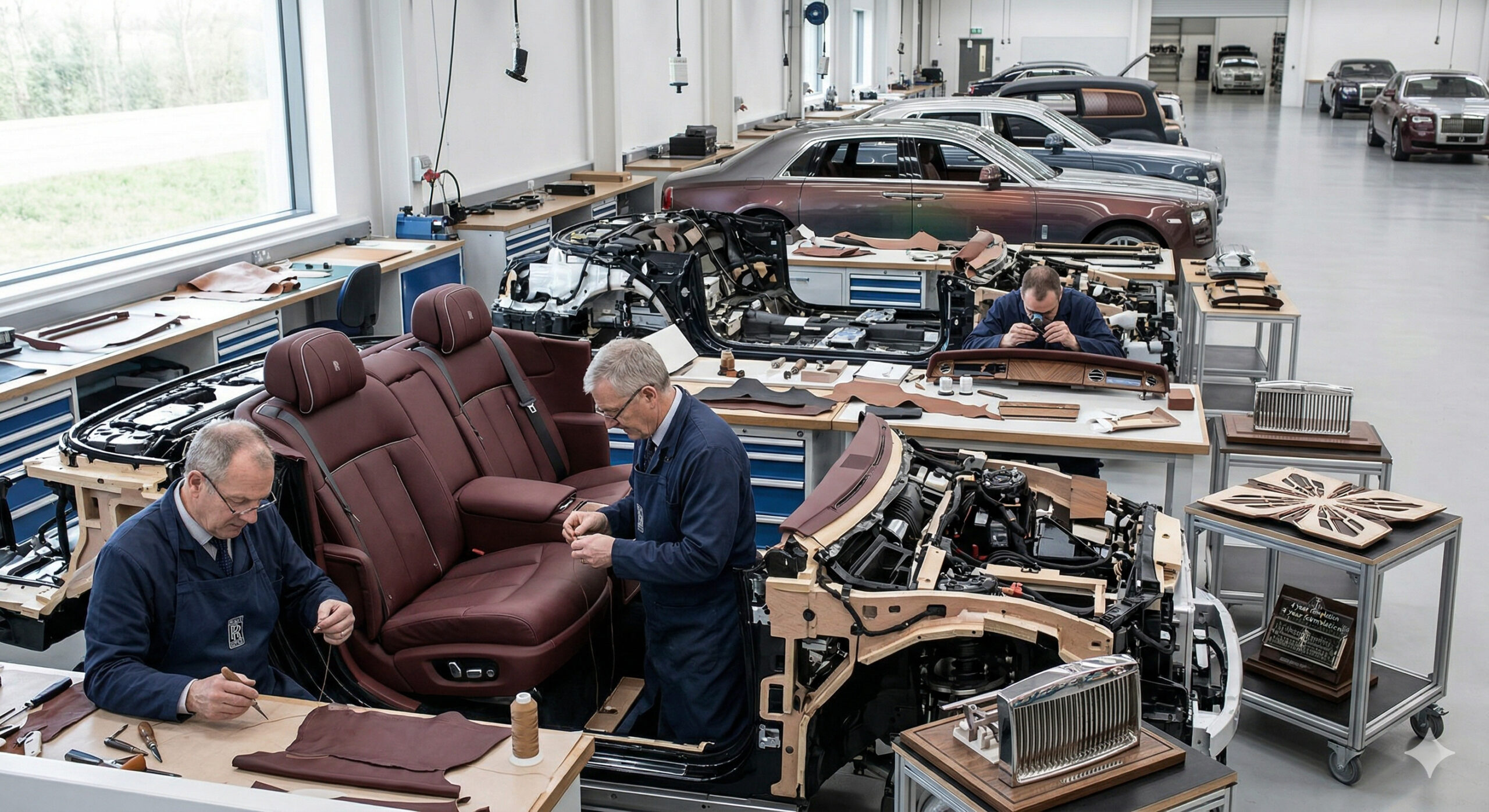
While much of the industry rushes to automate production, Rolls-Royce takes over 600 hours to hand-build each car in Goodwood and still accepts orders so complex that they can take up to four years to be completed.
-
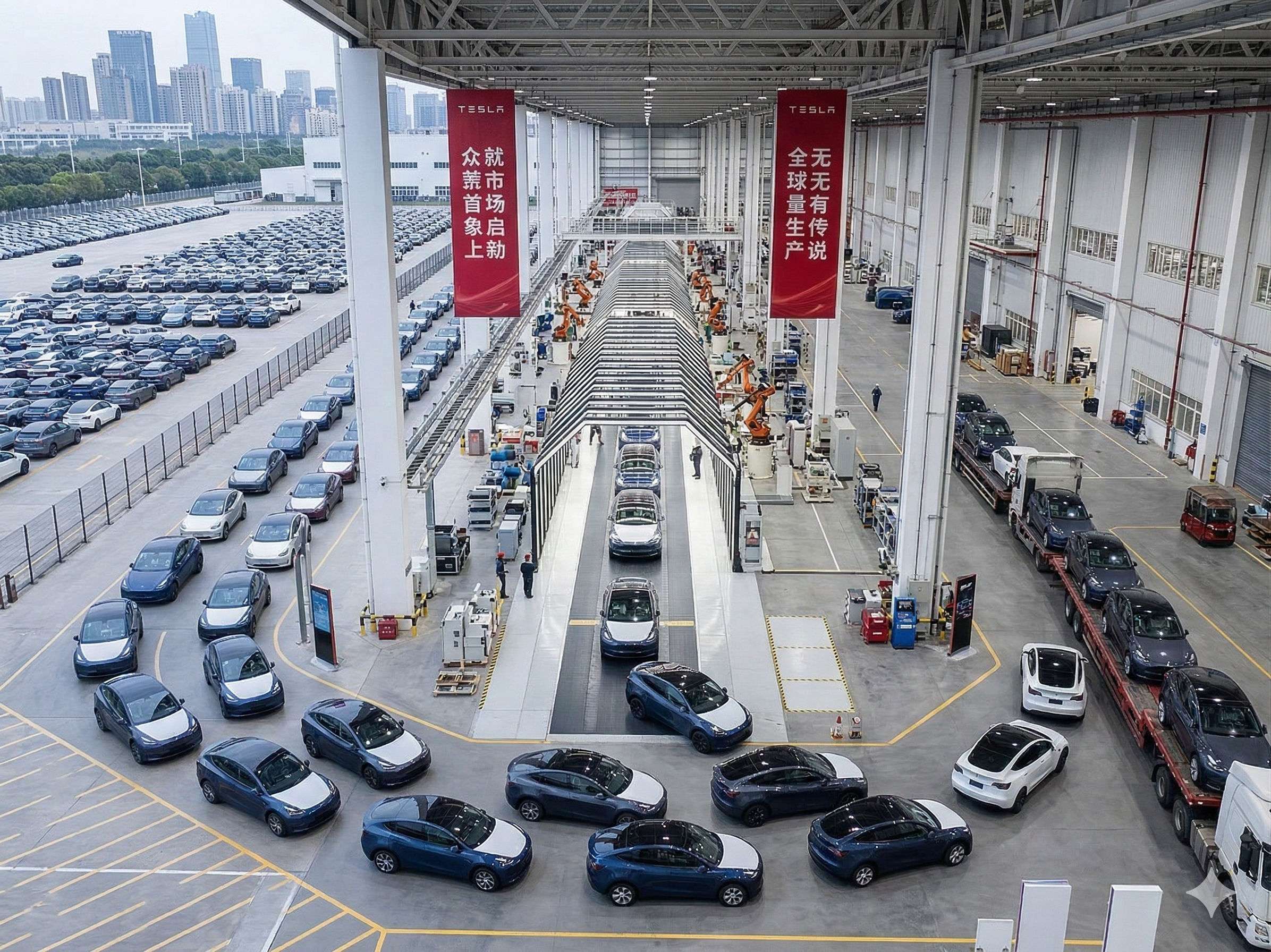
Smaller than the Model Y, lighter, with a single motor and designed to cost less than the current Model 3, Tesla’s new compact electric SUV is born in China and could seal the automaker’s return to the race for mass-market electric vehicles.
-
Kawasaki took the technology from its most brutal racing bikes, squeezed it into a 400cc 4-cylinder engine that revs to 15,000 RPM, and created the ZX-4R, a machine that shouldn’t exist in this displacement but is making experienced riders rethink everything they thought they knew about mid-range motorcycles.

-
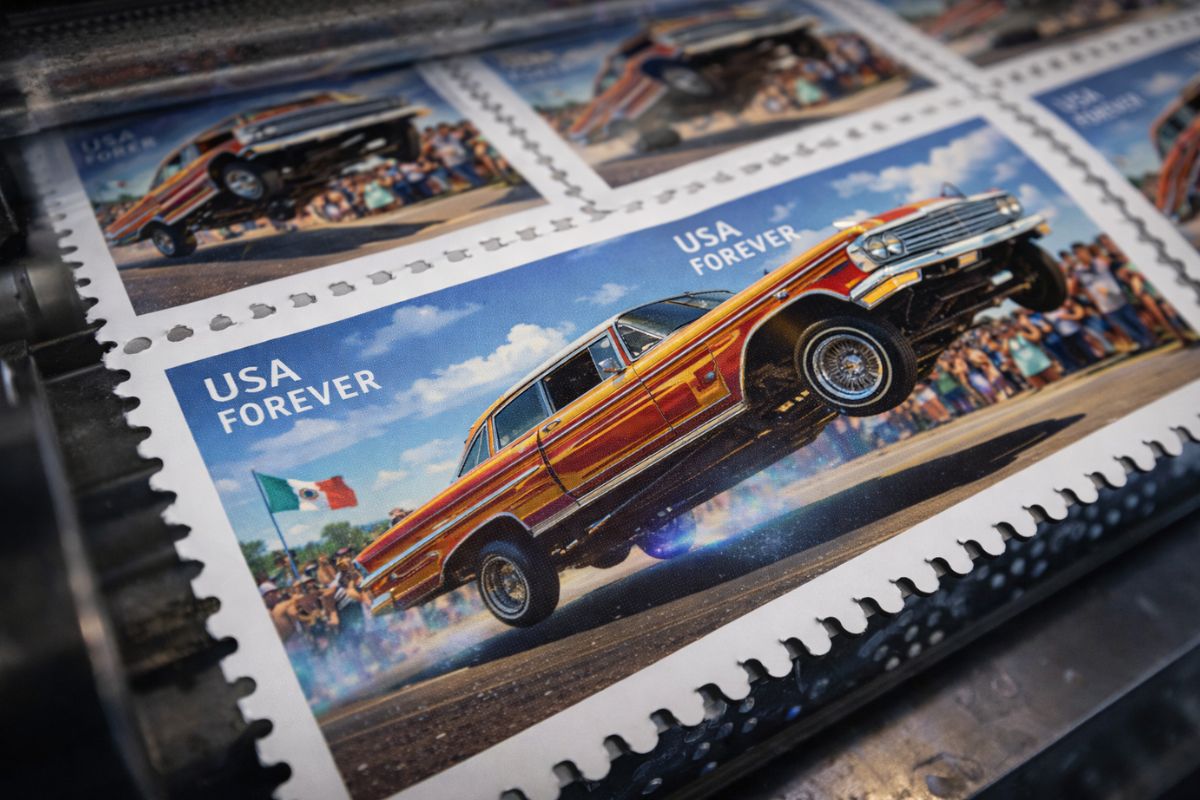
The culture of cars that jump on the asphalt was born in the garages of Mexicans in the 1940s, was treated as a crime in the United States for decades, and has now become an official postage stamp of the American Postal Service in a twist that no one expected.
What shocks in the case of this specific English car is not the price of the part but the monumental disparity between the cost of the component and the price of the service. “The belt costs R$ 500. To replace it, you have to remove the body. Labor costs R$ 20,000”, detailed the expert. This complexity turns a task that would take a few hours in other models into a job that can immobilize the car for days and produce a bill equivalent to the price of a used economy vehicle.
Why Is The Maintenance Of An English Car So Expensive?


The main reason for the prohibitive cost is purely engineering design. The decision to position the timing belt in such a hard-to-access location, to the point of requiring the body removal, is a design choice that prioritizes other factors, such as weight distribution or engine compactness, at the expense of maintainability. In practice, this means that the workshop needs to disassemble almost the entire car to access a single component.
This example illustrates a concept known as “total cost of ownership”. When acquiring a luxury vehicle, especially an imported one, the consumer should not only consider the purchase price. Hidden maintenance costs, driven by complex designs and imported parts, can quickly turn the dream of ownership into a financial burden. The lack of planning for these extraordinary expenses is one of the main traps for first-time owners of premium brands.
The Owner’s Dilemma: Is It Worth The Risk?
Facing a “time bomb” like this, owning such a English car becomes a real dilemma. The prestige, performance, and comfort offered by the brand are undeniable, but come with a latent financial risk. The recommendation from the expert on the Irmãos Dias Podcast was categorical and somewhat ironic: “Drive it for a year, and if it doesn’t break down, pass it on”.
This reality directly impacts the used car market. Models with a history of costly and complex maintenance tend to experience a significant depreciation, as information about these costs spreads among enthusiasts and mechanics. An unsuspecting buyer may be drawn to a relatively low purchase price, unaware that mandatory preventive maintenance can cost a significant fraction of the vehicle’s own value.
Have you ever had a similar experience with outrageous maintenance costs on any car? Do you believe a vehicle’s design should prioritize repair ease over other factors? Share your opinion in the comments; we want to hear from those who live this experience.








-

Uma pessoa reagiu a isso.