





 Portuguese
  English
  Spanish
  2 min of reading
  0 comments


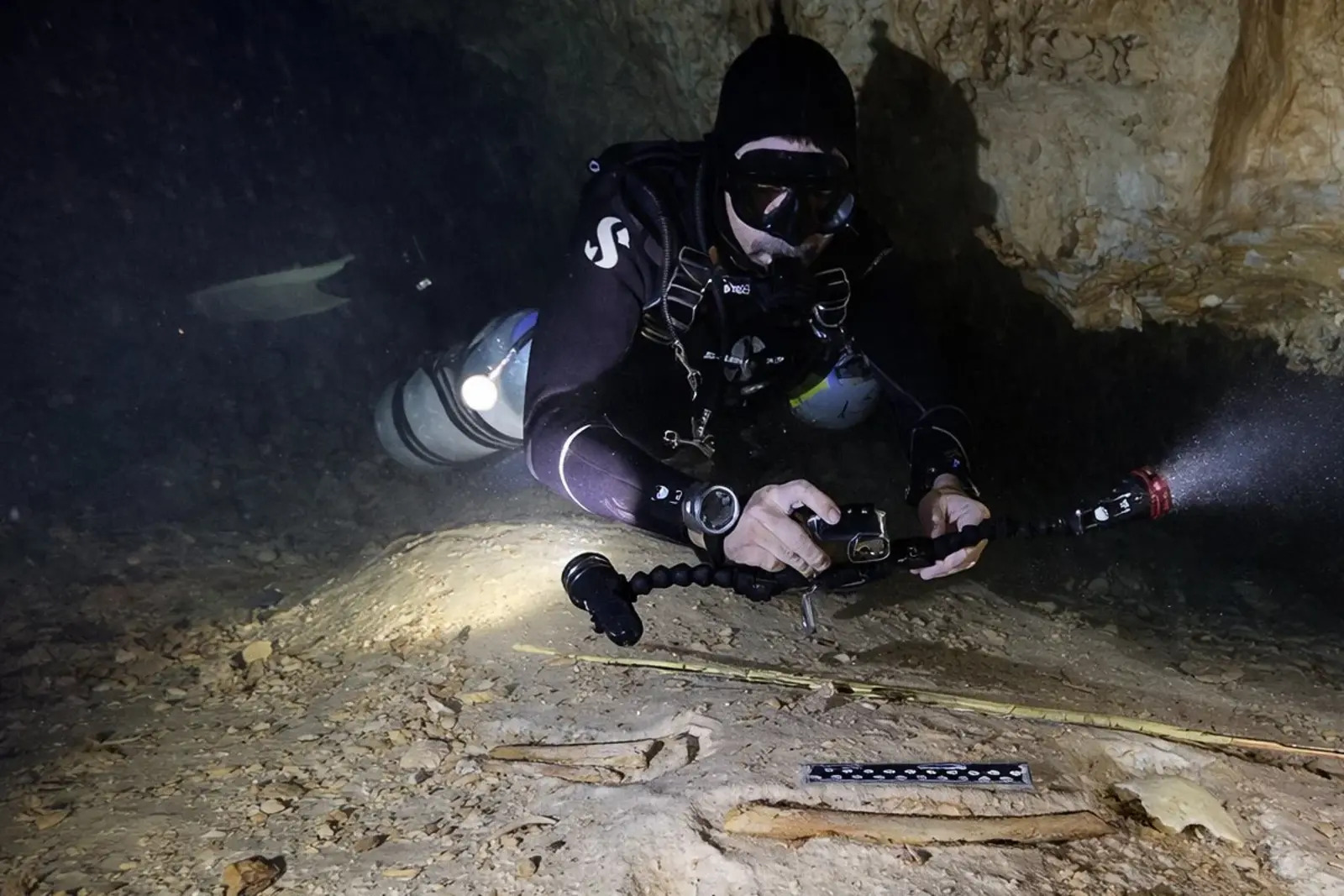
Human remains found 200 meters deep in Yucatán cenote are sent for analysis after recovery of about 40% of the skeleton
Human remains found in a cenote chamber in the Yucatán Peninsula were taken to Mexico City for forensic and anthropological study, in a step considered important for expanding the understanding of the country’s first inhabitants.
Transfer
The remains were transferred to the Bioarchaeology Group of the Archaeological Salvage Directorate of INAH.
In Mexico City, specialists will conduct a forensic and anthropological study on the recovered material.
-
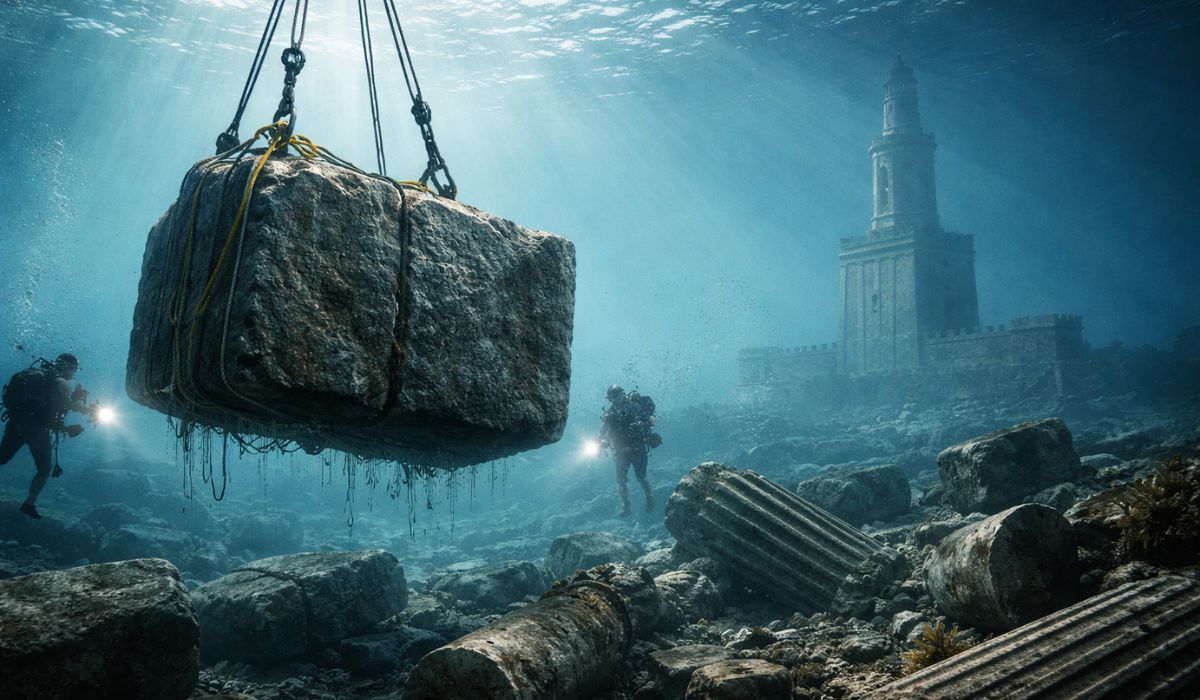
Archaeologists are retrieving monumental blocks weighing up to 80 tons from the depths of the Mediterranean Sea, from the legendary Lighthouse of Alexandria, one of the Seven Wonders of the Ancient World, and now scientists want to digitally reconstruct its lost splendor.
-
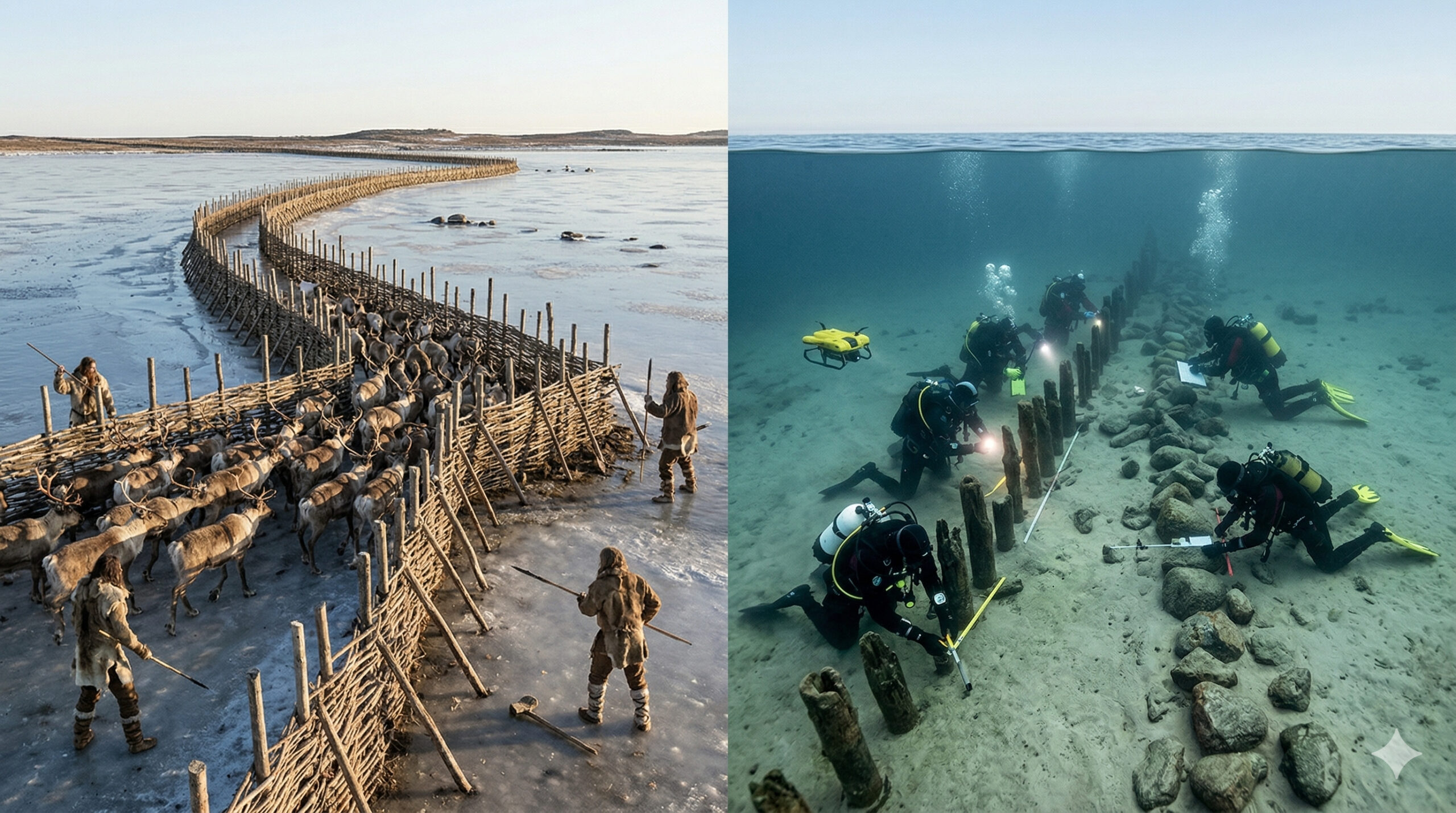
A geologist teaching students to map the bottom of the Baltic Sea identified something unusual on sonar in 2021: a line of stones meandering for almost 1 kilometer at a depth of 21 meters, revealing the largest megastructure of the Stone Age ever found in Europe, about 11,000 years old, built by hunters when the Baltic Sea did not yet exist.
-
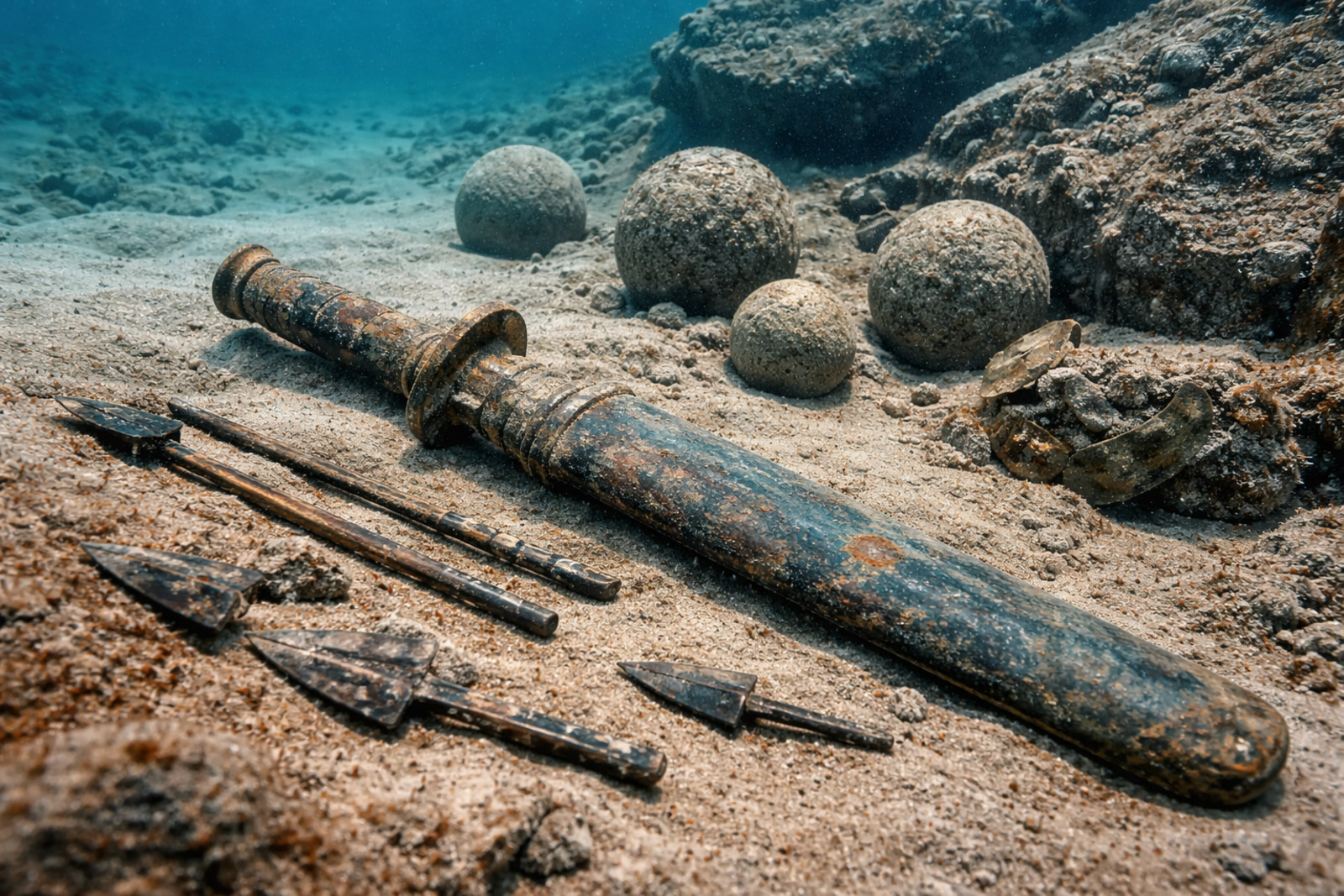
Mongol ship sunk 745 years ago emerges in excavations with sword, arrows, and relics from the 1281 invasion of Japan, destroyed by the first “kamikaze” in history.
-
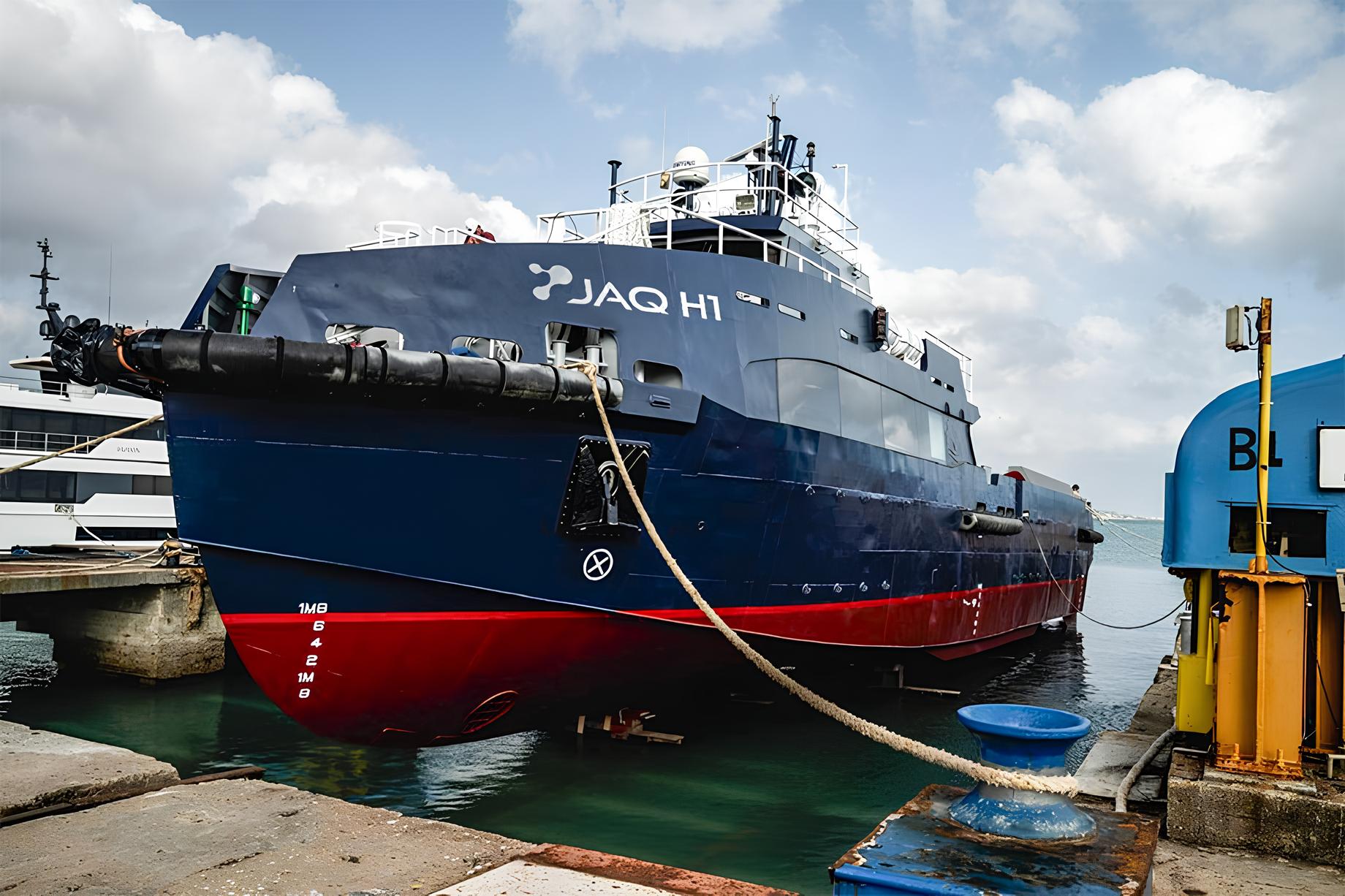
Brazil develops a 50-meter boat capable of producing its own fuel at sea by transforming water into green hydrogen through electrolysis; this unprecedented project seeks energy autonomy and could redefine naval propulsion.

Claudia Curiel de Icaza, Secretary of Culture of the Mexican Government, stated that the transfer and study represent an important step in understanding the country’s first inhabitants.
Parts Found
Arturo Talavera González estimates that about 40% of the skeleton was recovered, including parts of the skull, ribs, and vertebrae, the clavicles, the right scapula, fragments of the pelvis, and long bones of the limbs.
Profile
The preliminary observations are based on the angle of the mastoid process and the thickening of the frontal bone above the eye sockets.
With this, the anthropologist determined that the individual was male.
Based on the long bones, he estimated a height between 1.45 and 1.50 meters. The death would have occurred between the ages of 20 and 25.
Cenote
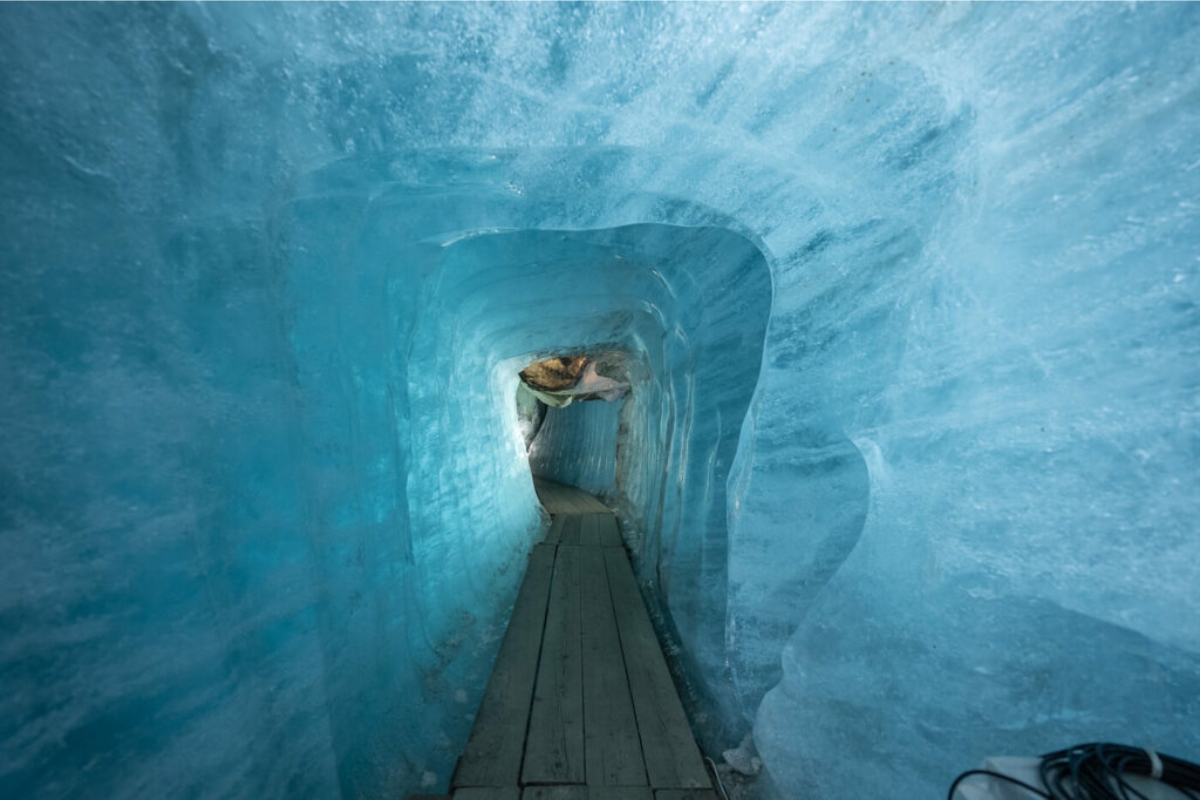
The skeleton was found at the bottom of a cenote chamber, about 200 meters deep in the cave system. Deposits of charcoal around indicate human activity at the site.
Ancient Context
The remains suggest that the area may have served as shelter or ritual space between 8,000 and 10,000 years ago, when the environment was a dry cave and the sea level was very low.
During this period, the Yucatán Peninsula was a prairie with shrubs, grasses, few trees, and megafauna.
According to González, there were fire pits and, probably, the chamber was used as a burial crypt, demonstrating beliefs and funeral rites.
With information from Heritagedaily.





Seja o primeiro a reagir!