Portuguese
 Spanish




Brazil’s oil regulator, the ANP, approved a 15-day public consultation to set rules for transferring local-content surpluses between contracts and will ask operators for their platform plans for the next five years. Data point to as much as R$3.2 billion in commitments that may not be met
The ANP will ask oil companies what local-content percentages they plan to require for platforms contracted over the next five years, along with year-by-year compliance plans. The decision was made at the board meeting on Friday, November 27, 2026.
The ANP itself published the decision at 11:20 a.m. that day. Eixos followed the meeting, and MegaWhat also detailed the rapporteur’s vote that same day.
For people working at shipyards or in the supplier chain, the issue is straightforward: local content is the share of a platform’s purchases that must be sourced in Brazil.
-
Petrobras, Shell, and Galp could unlock R$24.5 billion from 2010 dispute with Brazil’s oil regulator and explain how Tupi could continue production after 2037

-
ANP approves studies for Gato do Mato’s Southeast block in Brazil’s pre-salt, estimates 193 million barrels and outlines path to auction
-
Between a subsea buoy and a floating production vessel, Sapinhoá risers gained a connector with a viewing window and fiber-optic monitoring
-
At Marlim, Petrobras separated part of the water about 900 meters below the surface and reinjected it into the reservoir

What the ANP decided Friday
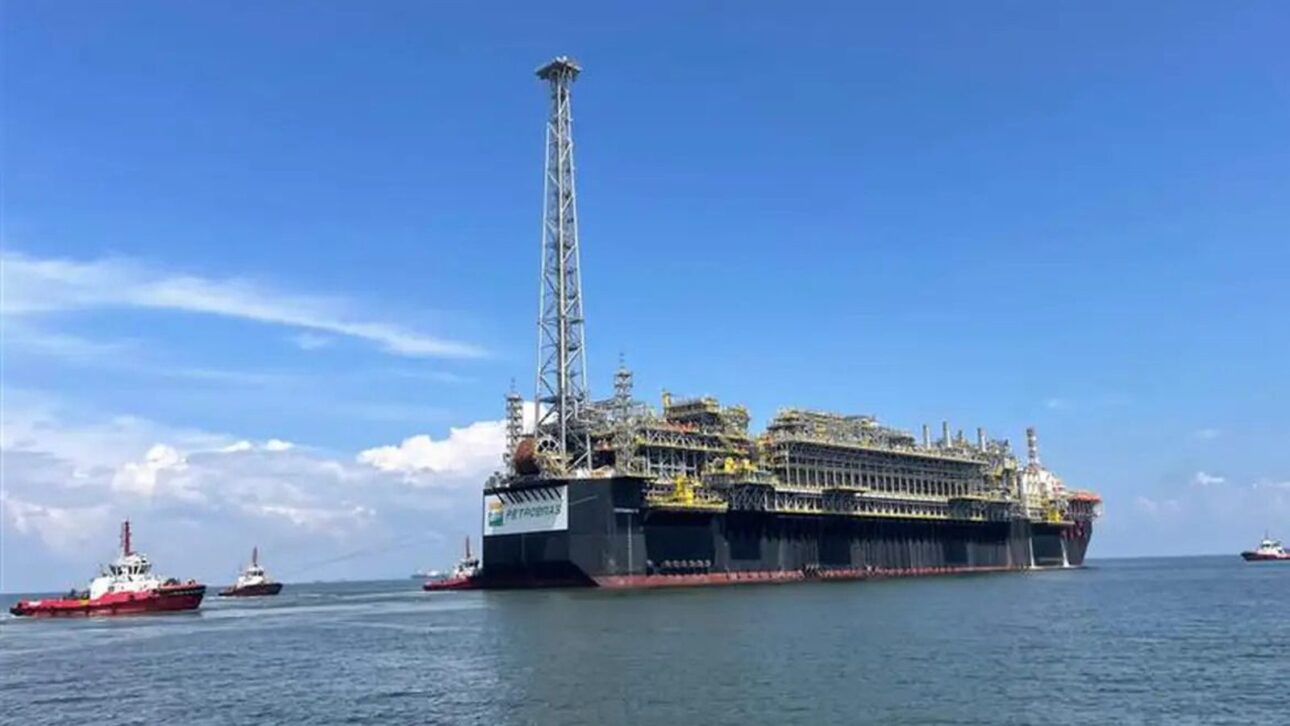
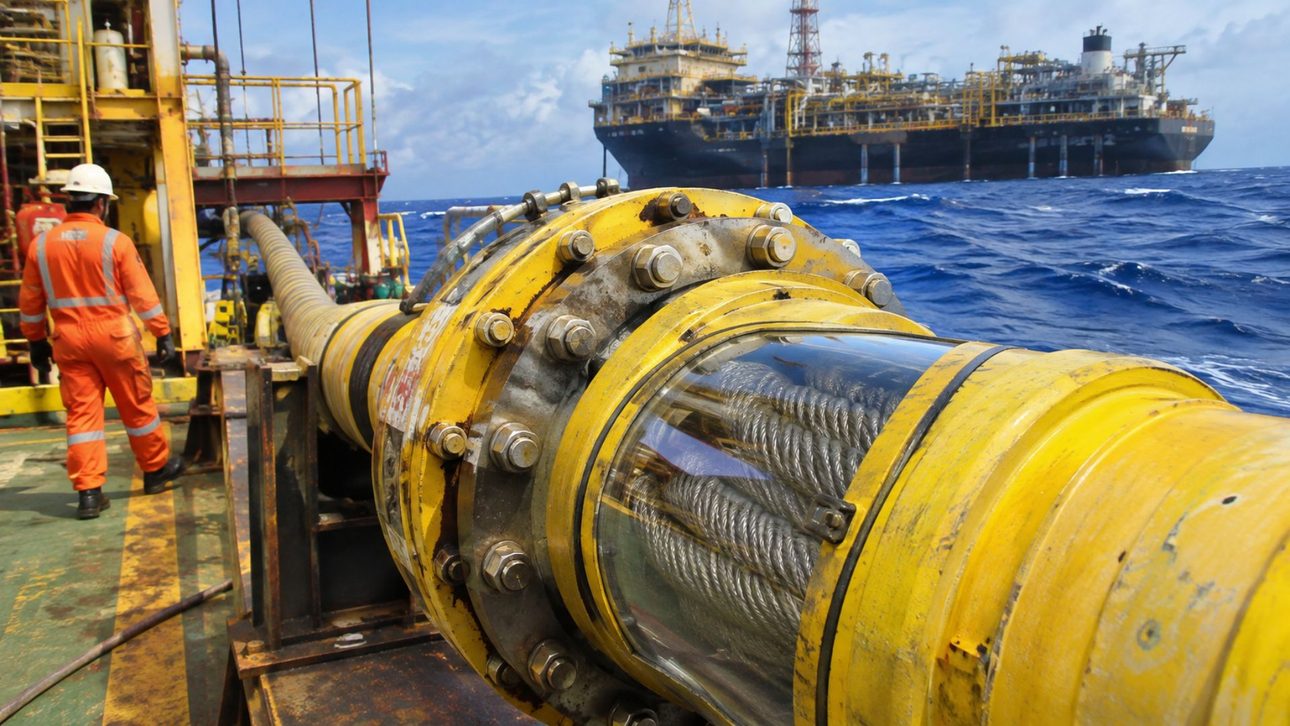
The board approved a 15-day public consultation and a public hearing, according to the ANP’s official statement. The process concerns rules for calculating local-content surpluses in the construction of stationary production units, or SPUs, such as oil platforms.
The goal is to allow these surpluses to be transferred to other exploration and production contracts. Transfers between contracts are already authorized under Law 15,075/2024, according to Eixos and MegaWhat.
MegaWhat notes that the law also applies to contracts from the Zero Round licensing round, which had no mandatory minimum local-content requirements.
How surplus transfers work
In practice, an oil company that buys more than the required minimum in Brazil for one project could use the surplus to make up a shortfall in another.
Rapporteur and board member Pietro Mendes says the rule “creates an incentive for operators to increase their purchases of Brazilian goods and services” on projects where they can exceed the required percentages, according to the vote cited by MegaWhat.
The ANP concluded that the issue needed regulation after consulting with the Ministry of Mines and Energy and industry associations. The aim is to provide legal certainty and predictability.
The R$3.2 billion risk
Investment data reported by operators point to a potential shortfall of R$3.2 billion in local-content commitments, according to Pietro Mendes. The figure was reported by Eixos and MegaWhat.
The figures are preliminary and still subject to the agency’s review, Eixos cautions.
In his vote, Mendes says the proposal “seeks to reduce this amount by allowing operators to use local-content surpluses calculated under other contracts to offset shortfalls.”
Why the fine does not solve the problem
The rapporteur questioned the effect of the fine. The penalty is calculated only after a project is completed and certified, Eixos explains.
Mendes said that when he worked at Petrobras, he saw projects structured from the outset with plans to pay the fine instead of buying locally. “We have a rule where everyone pays a fine; it doesn’t work,” he said.
“Today, I see no justification for projects to start out with zero local content,” the board member said at the meeting.
The five-year plan operators will have to submit
To strengthen oversight, Brazil’s oil regulator, the ANP, will ask operators to provide the local-content percentages set out in tender documents for platforms planned over the next five years.
With this information, the ANP’s Local Content Superintendency will present the agency’s board with an overview of companies’ plans. The goal is to identify the risk of noncompliance before a platform is completed.
Mendes called for reassessing oversight and strengthening controls during the planning phase, according to Eixos.
What the domestic industry says
The written opinion included manufacturers’ assessment. At a meeting with the rapporteur’s staff on November 13, 2026, Abimaq reported that domestic manufacturers were struggling to compete with foreign companies.
The association also said that, even when the percentages are met, domestic purchases are concentrated in lower-value-added items, according to Eixos.
What changes for shipyards and suppliers
If the local-content surplus rule is approved, operators will have an incentive to buy more in Brazil for projects where doing so is feasible, the rapporteur said.
The public consultation will last 15 days. After that, the ANP will still need to vote on the final rule, while the request for oil companies to submit plans proceeds in parallel.