Portuguese
 Spanish


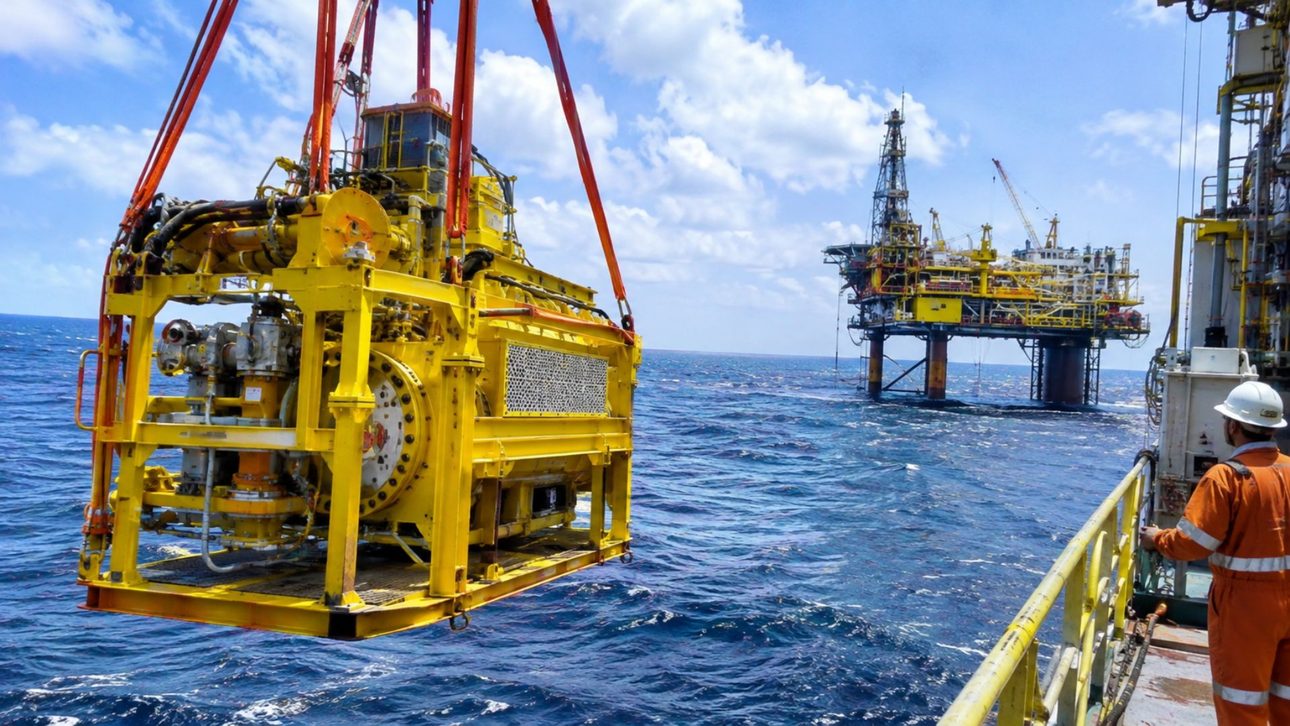

Installed in the Campos Basin, the equipment was developed to reduce the need for water treatment on offshore platforms, making it possible to use available oil-processing capacity at production units facing operational constraints in mature fields.
Petrobras developed equipment capable of moving a stage of oil processing normally performed on platforms to the seabed, changing the route taken by fluids extracted from wells in the Marlim field in the Campos Basin.
Known as the Subsea Water-Oil Separator (SSAO), the technology began operating in 2013, as described in an article published in the Petrobras University Technical Journal.
-
After gas discovery in 2020, Petronas and Staatsolie approve Suriname’s first offshore gas project

-
Petrobras aims to use radiation to detect defects inside lines used in subsea wells
-
After oil indications at a Campos Basin well, Petrobras seeks to acquire ExxonMobil and QatarEnergy stakes
-
Petrobras plans to clean subsea pipelines with a slotted pig that pulls coiled tubing
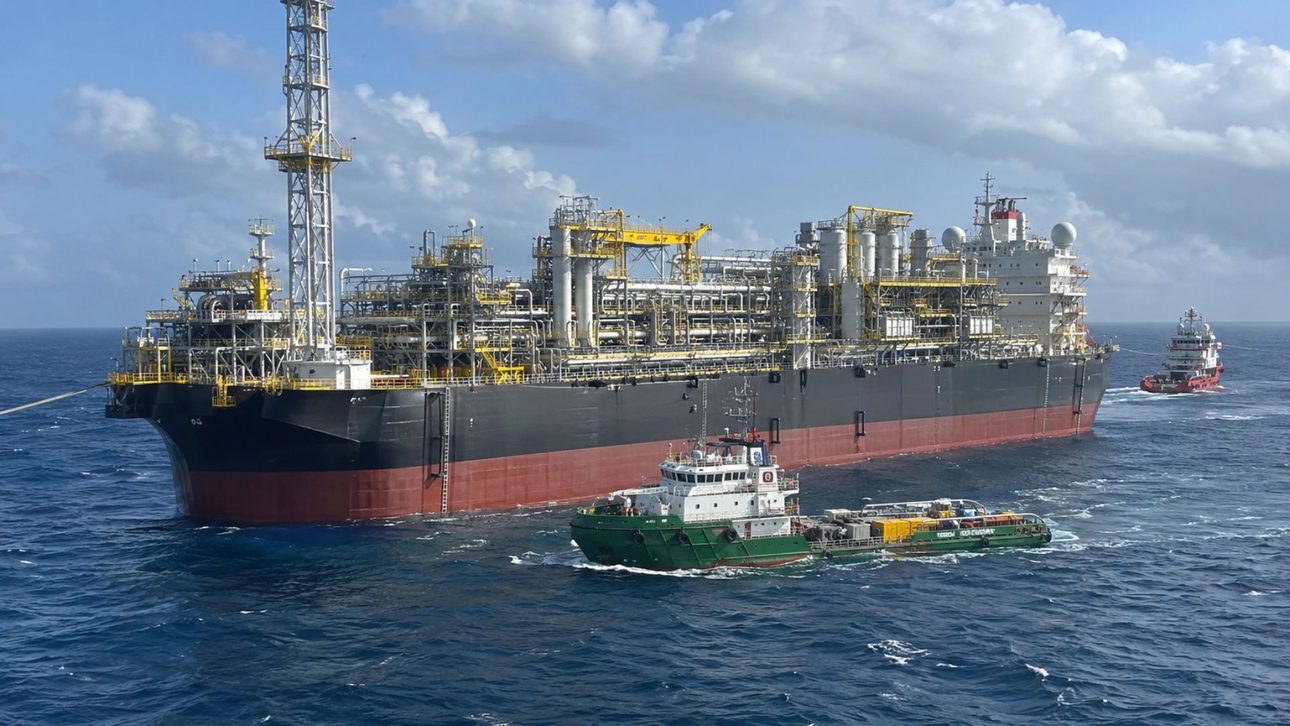
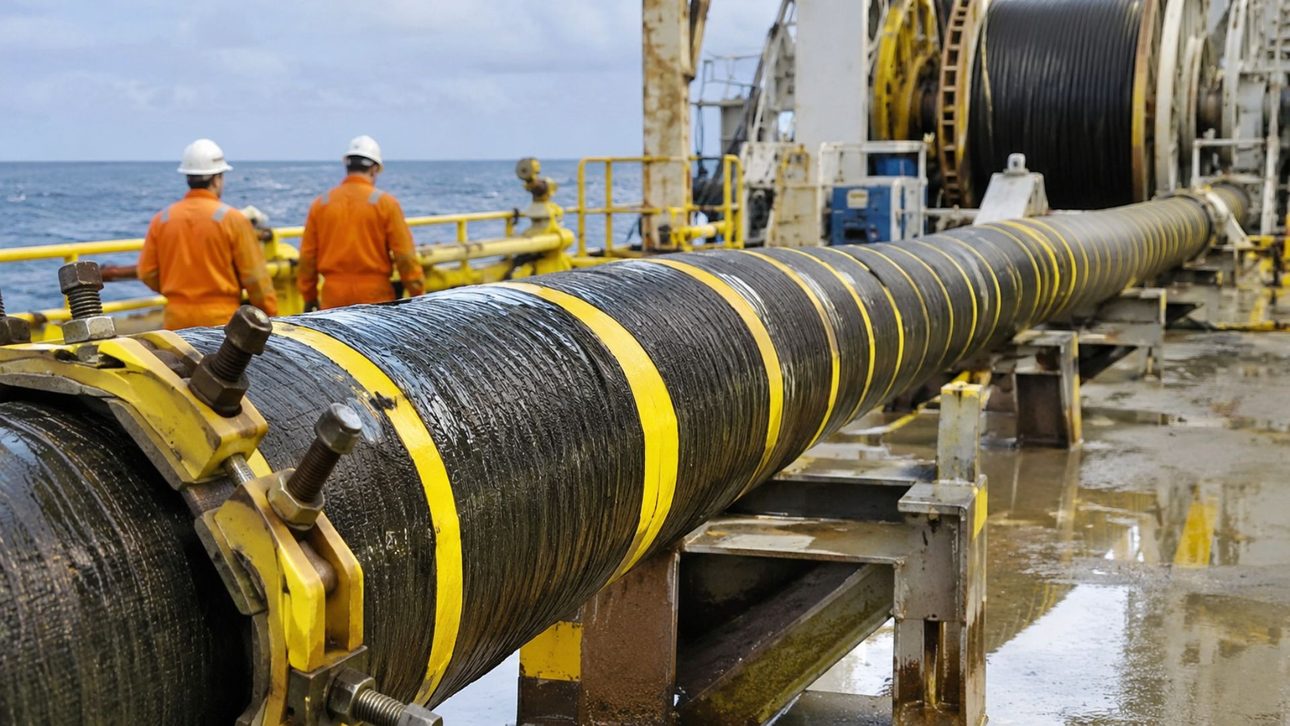
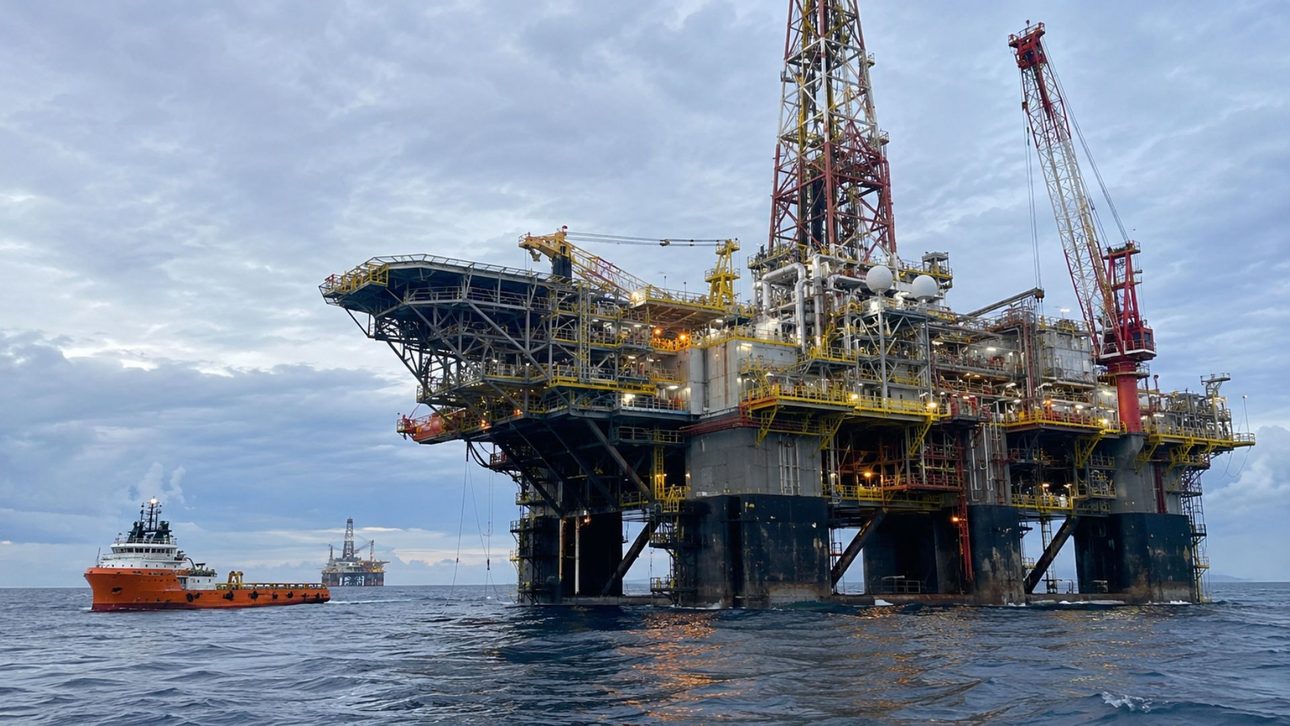
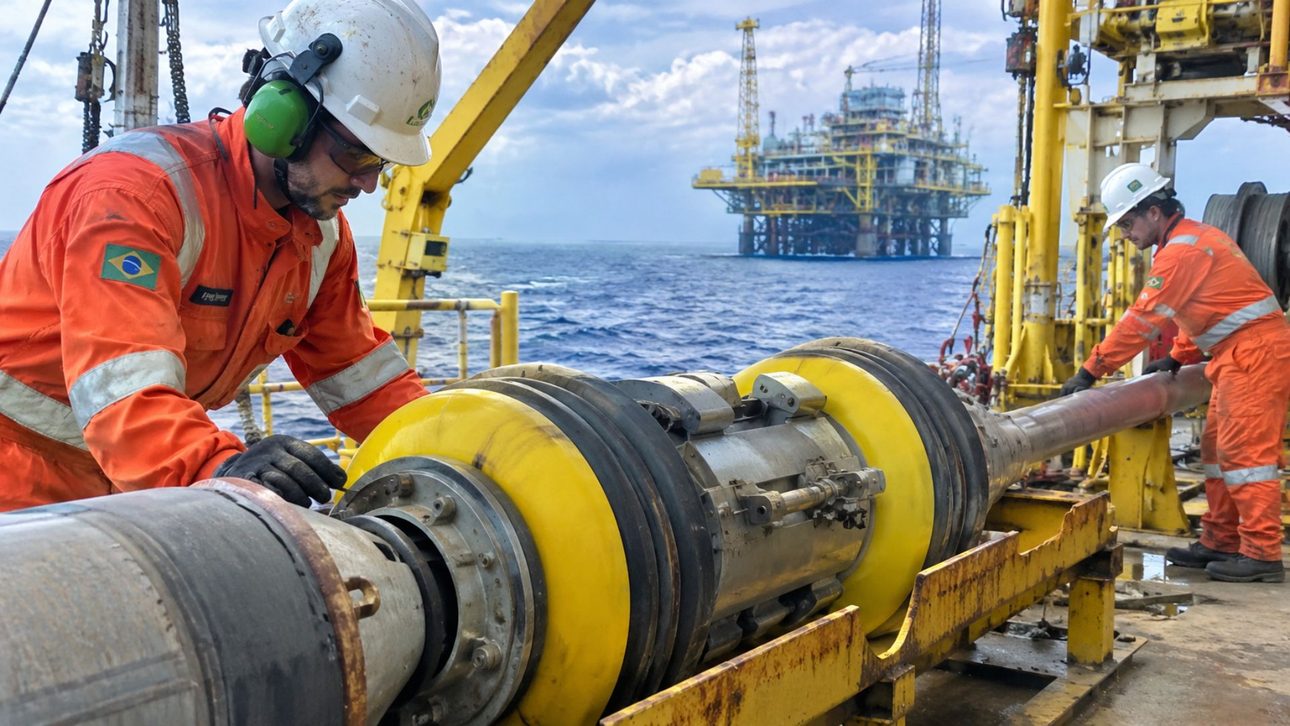
The equipment was designed for production systems whose water-processing capacity had reached its limit but that could still handle additional volumes of oil.
Why water can limit oil production
Fluids from an oil well can contain varying proportions of oil, gas and water, requiring production facilities to have equipment capable of separating and treating each component.
As certain reservoirs mature, water can make up a larger share of the total volume extracted, changing platform operating conditions from those during the field’s early years of production.
Because production units are designed with specific processing limits for each fluid, a platform may have capacity to handle more oil but face constraints on increasing production because of the amount of water extracted from wells.
In these circumstances, water-treatment capacity can limit oil production, even when the equipment used to process oil has not yet reached its operating limit.
How Petrobras’ subsea separator worked
In the Marlim project, fluids from the well were sent to equipment installed on the seabed, where they underwent a separation stage before continuing on to the platform.
The process removed what is known as free water, the portion that could be separated from the oil at that stage. It did not cover every step required to produce oil suitable for sale.
After this initial separation, the oil, gas and remaining water continued on to the production unit, where they would undergo the additional processes needed to make use of the hydrocarbons.
The portion removed by the separator took a different route, receiving treatment in the subsea facilities to meet the conditions required for reinjection into the geological formation.
With this configuration, some of the produced water returned to the reservoir without passing through the platform, avoiding the need to transport that volume to the surface and then send it back to the seabed.
Water reinjection can also help maintain reservoir pressure, depending on the geological formation’s characteristics and the oil-recovery strategy used in the field.
Computer simulations in equipment development
During development of the separator, computational engineering company ESSS assisted Petrobras with simulations that accounted for fluid behavior and heat transfer.
One analysis examined the movement of solid particles, such as sand and sediment, carried by liquids from the wells. This made it possible to identify areas where these materials could accumulate as a result of fluid recirculation.
The results led to design changes to prevent these accumulation zones from forming inside the equipment.
ESSS reports that the system earned Petrobras the 2013 Technology Innovation Award, presented by Brazil’s National Agency of Petroleum, Natural Gas and Biofuels (ANP), the country’s oil and gas regulator.
Applying subsea separation in mature fields
Expanding a platform’s processing facilities requires consideration of factors such as available space, the weight of additional equipment, and compatibility with systems already operating onboard.
The experience at Marlim was revisited in a technical paper published by Petrobras in 2024, in which company researchers assessed technologies with potential applications in supplementary projects and revitalization efforts at pre-salt fields in the Santos Basin.
Among the potential benefits of subsea separation, the authors highlight increased reservoir recovery factors, lower water-treatment costs, and fewer problems associated with hydrate formation.
These solid compounds can form when water and gas combine under certain pressure and temperature conditions, causing blockages in subsea pipelines and disrupting fluid flow between wells and production facilities.