Portuguese
 Spanish


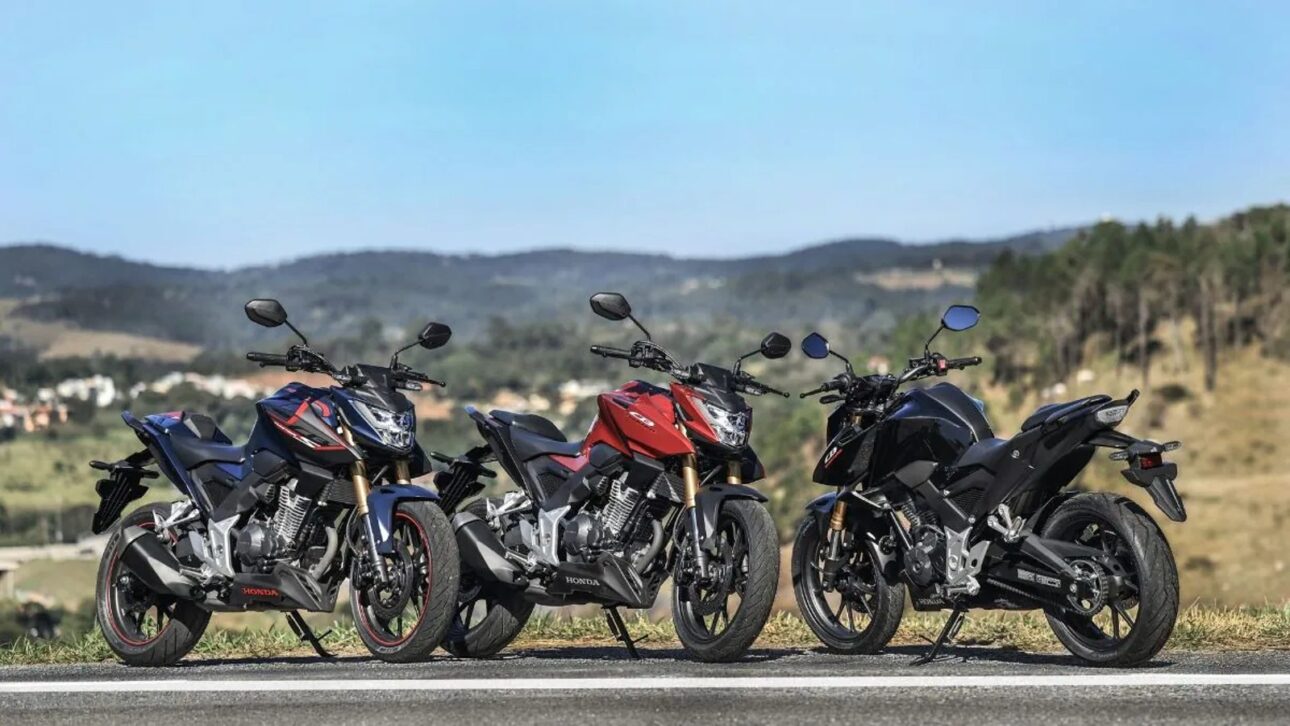

The Manaus-built Honda CB 300F Twister 2027 starts at R$26,880 and adds a Showa inverted fork and HSTC traction control. In a side-by-side test against the 2026 model, the Tavares160 channel found that the two perform alike, with the changes focused on handling and safety
The Honda CB 300F Twister 2027 reached dealerships in August 2026 with prices starting at R$26,880, traction control and an inverted front suspension. The 293.5-cc engine remained virtually unchanged.
The Gazeta SP detailed the lineup on Sunday, October 18, 2026, and AutoPapo also listed the changes and confirmed the bikes reached dealerships in August.
-
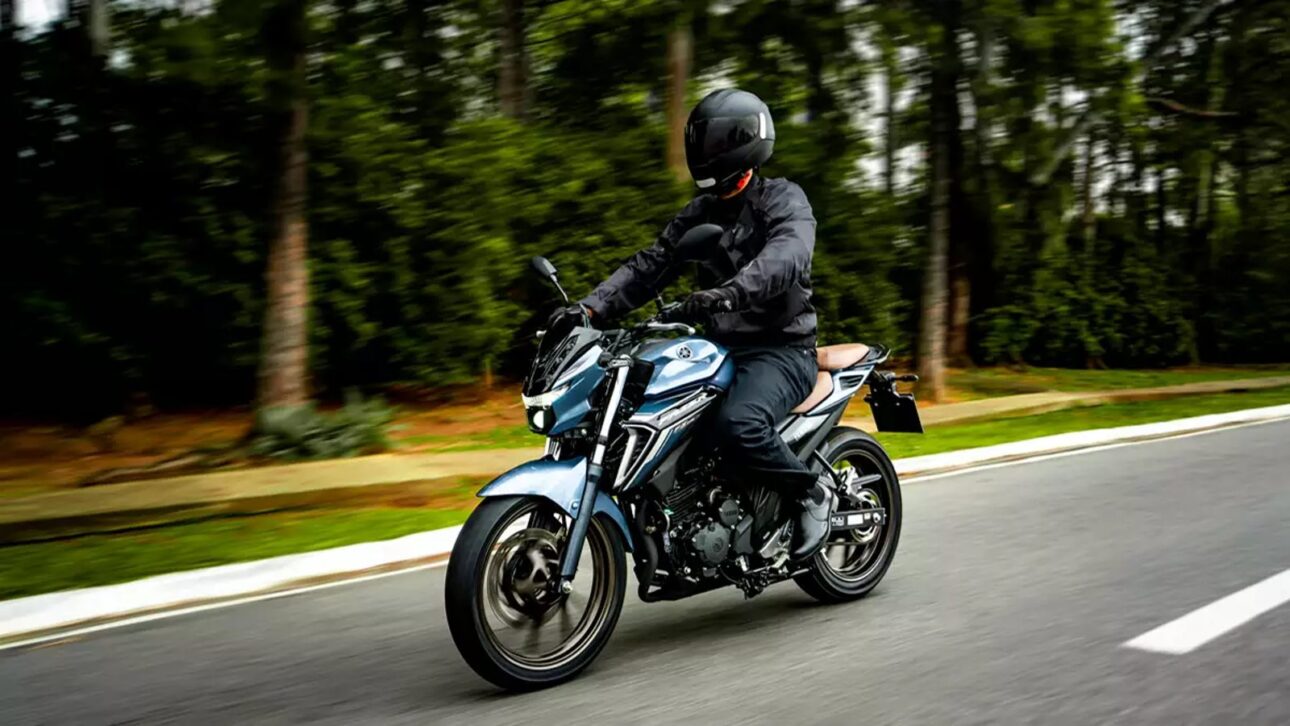
Yamaha’s 2027 Fazer FZ25 from Manaus: R$25,490, 37 km/l fuel economy, four-year warranty, new colors only

-
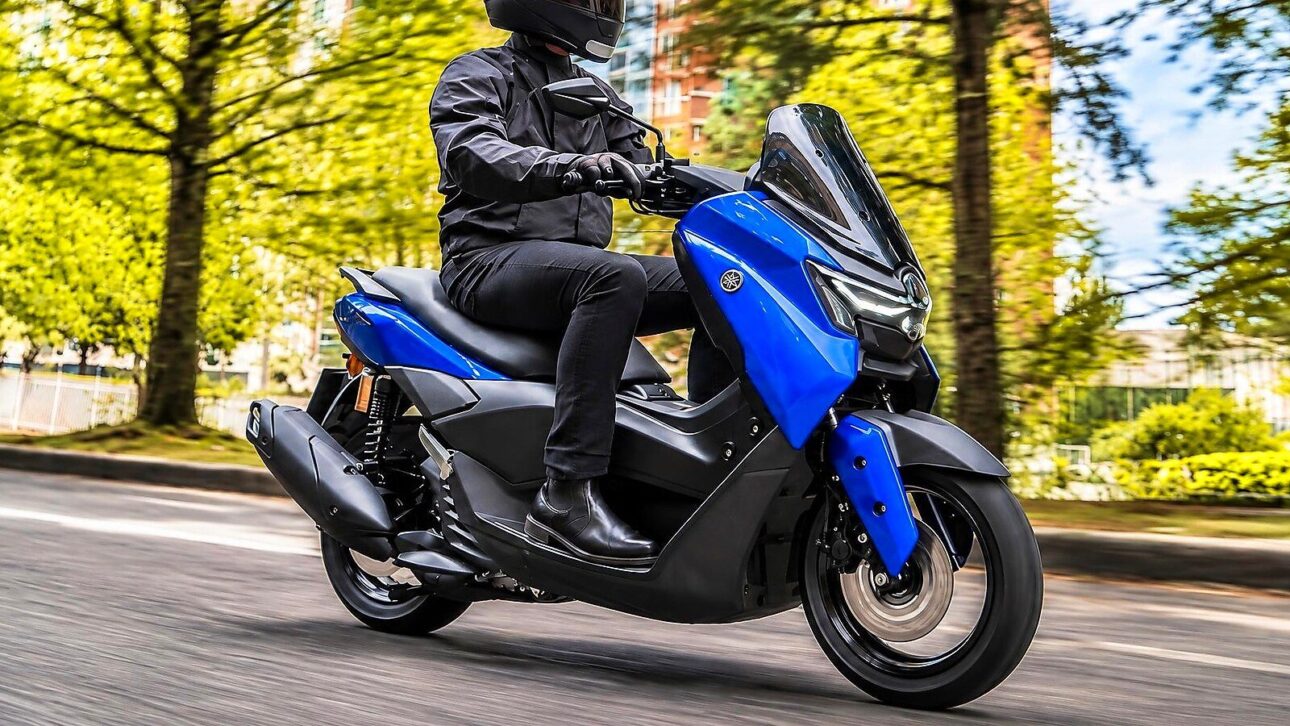
Yamaha’s 2027 NMAX rises to R$23,590 and gets KYB rear shocks with separate gas and oil for consistent response on patched streets
-
Financing for electric and hybrid cars in Brazil jumps 142.5%, tops 392,000 units and reaches 27% of newly financed cars

-
Brazilian company Wings creates digital vehicle passport that analyzes up to 24 months of rental-car use and scores each car from 0 to 100 before resale


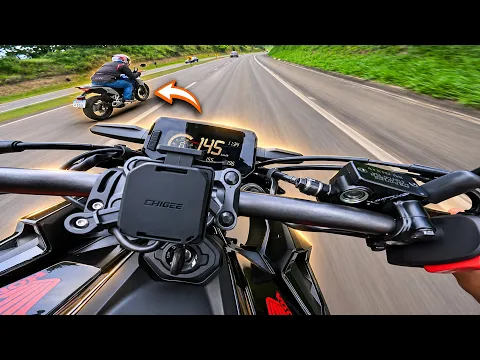

The video above was posted by the Tavares160 channel on November 15, 2026. In it, a stock 2027 Twister and a stock 2026 Twister accelerate side by side. As of Friday, November 27, the video had more than 253,000 views.
For riders considering a new bike, the test answers the main question: the 2027 Twister is no faster than the 2026 model. The improvements are elsewhere.
Prices of R$26,880 and R$27,680
The CB 300F Twister 2027 costs R$26,880 in the ABS version, available in metallic red or black. The S version, in metallic blue, costs R$27,680.
The prices are for the city of São Paulo and exclude freight and insurance. They are listed by Gazeta SP, AutoPapo and Vrum.
The entry-level CBS version has been discontinued. The Twister ABS takes its place, while the S becomes the top-of-the-line option, according to Gazeta SP.
The bike comes with a three-year warranty and no mileage limit, plus free Pro Honda oil at seven service visits starting with the third.
Showa inverted fork and traction control
The main technical addition is HSTC, Honda’s traction control system. It limits rear-wheel loss of grip during acceleration on slippery surfaces.
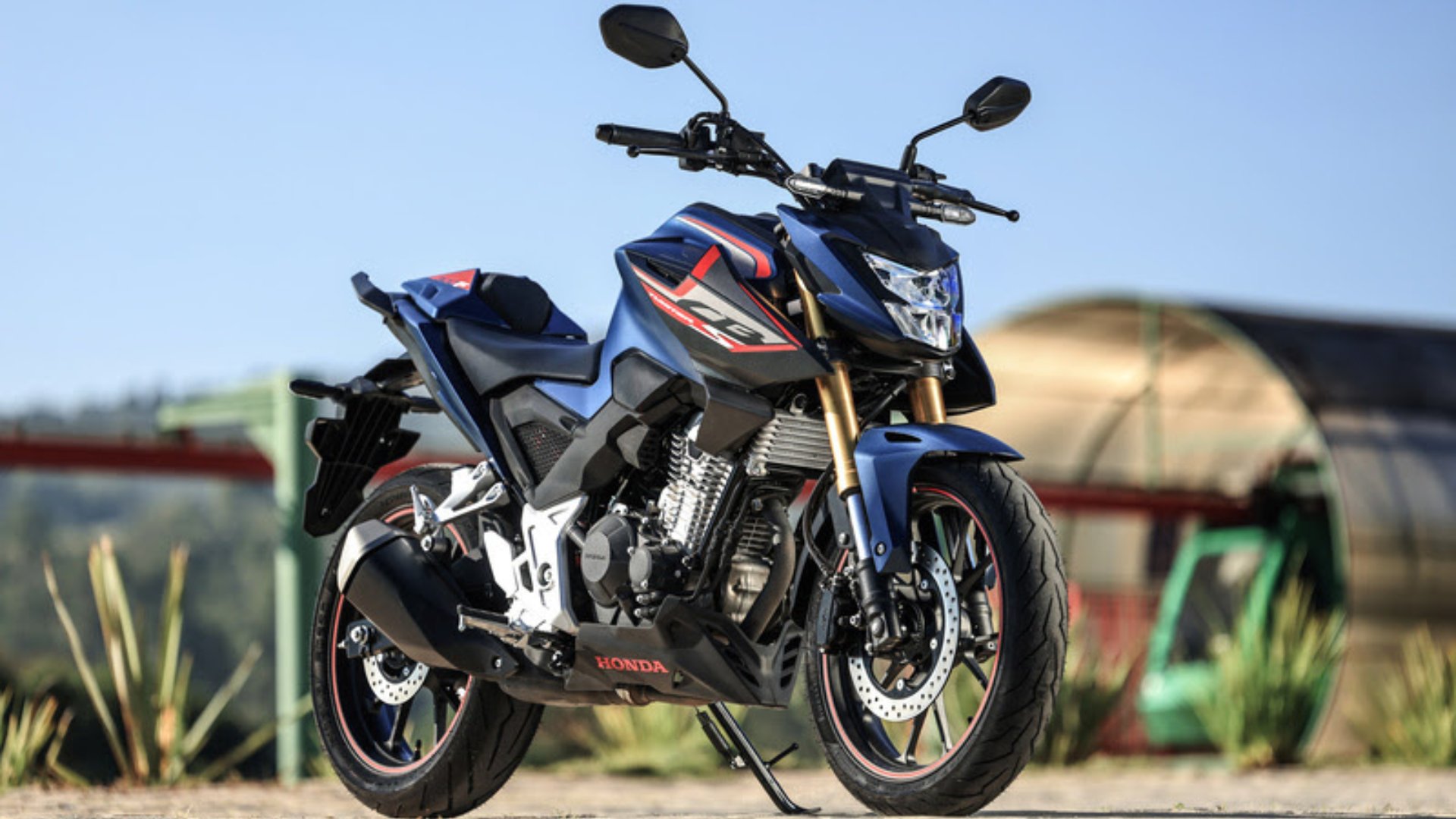
The front suspension debuts a Showa SFF-BP inverted telescopic fork with lighter, forged-aluminum triple clamps. AutoPapo reports 38 mm fork tubes.
ABS is now standard on both versions. The 2027 Twister also gained ESS, which activates the front and rear turn signals during hard braking.
The Blackout digital instrument panel now features Optical Bonding technology, which reduces glare in bright sunlight. A USB-C port can charge a phone.
293.5 cc engine remains almost unchanged
The air-cooled, four-valve OHC single-cylinder engine displaces 293.5 cc. It produces 24.7 metric horsepower at 7,500 rpm on ethanol and 24.5 metric horsepower on gasoline.
Torque is 2.67 kgf·m at 5,500 rpm on ethanol and 2.61 kgf·m on gasoline. Gazeta SP, AutoPapo and Vrum all report the same figures.
The bike has a six-speed transmission and an assist-and-slipper clutch. Vrum sums it up this way: the FlexOne engine remains virtually unchanged.
That is why the road test matters. If the engine is the same, the question is whether the rest of the motorcycle changes its performance.
2027 Twister vs. 2026 Twister on the road
In a video by Tavares160, the presenter rides a 2027 Twister with about 100 km on the odometer. His friend Maicon rides an otherwise stock 2026 Twister with 28,000 km.
Before the test, the presenter says he weighs 10 kg more than his friend. His motorcycle had only the air filter’s top cover removed.
On the first acceleration run, the 2027 did not pull ahead of the 2026, but stayed close. The two then swapped motorcycles to compare how they felt.
The result was a tie. “They both go the same,” the presenter says at the end of the video.
What the test says about the new generation
The test confirms what the spec sheet already suggested. With the same engine, the 2027 Twister has not gained straight-line performance.
The riders noticed that the 2026, with a broken-in engine, felt “looser” under acceleration. The 2027, with 100 km on it, was still “stiff,” in the presenter’s words.
Maicon felt that fourth gear on the 2027 did not pull like it did on the 2026. The presenter suggested traction control might have been kicking in over the asphalt seams, without settling on a cause.
Both riders reported similar vibration on the two motorcycles at high speed. In that respect, the new generation has not changed either.
Is it worth trading a 2026 for a 2027?
For the two riders, no. Anyone who already owns a 2026 Twister would be trading “six of one for half a dozen of the other,” as they put it in the video.
For anyone who owns neither model, the 2027 is worth it. It arrives better equipped, with traction control, an inverted fork and standard ABS.
That assessment matches Honda’s specifications. The 2027 lineup’s upgrades are in handling and safety, not the engine.
Design and finish
The 2027 Twister retains its Diamond-type steel frame and split seat. The tank’s side panels have a new shape.
In the video, the riders compare the parts. The new panel extends farther forward and has a deflector that directs air toward the engine’s cylinder head.
The lighting is full LED, with turn signals integrated into the headlight as position lights, Gazeta SP reports.
Production in Manaus and service visits
The CB 300F Twister is made in Manaus, in the state of Amazonas. Its engine meets Phase 2 of Promot 5, Brazil’s motorcycle emissions standard.
Maintenance is scheduled every 6,000 kilometers or six months, after the first service visit at 1,000 kilometers or six months.
The Twister has consistently led sales among mid-displacement naked bikes, Gazeta SP notes. The 2027 lineup also adds standard traction control.