Portuguese
 Spanish


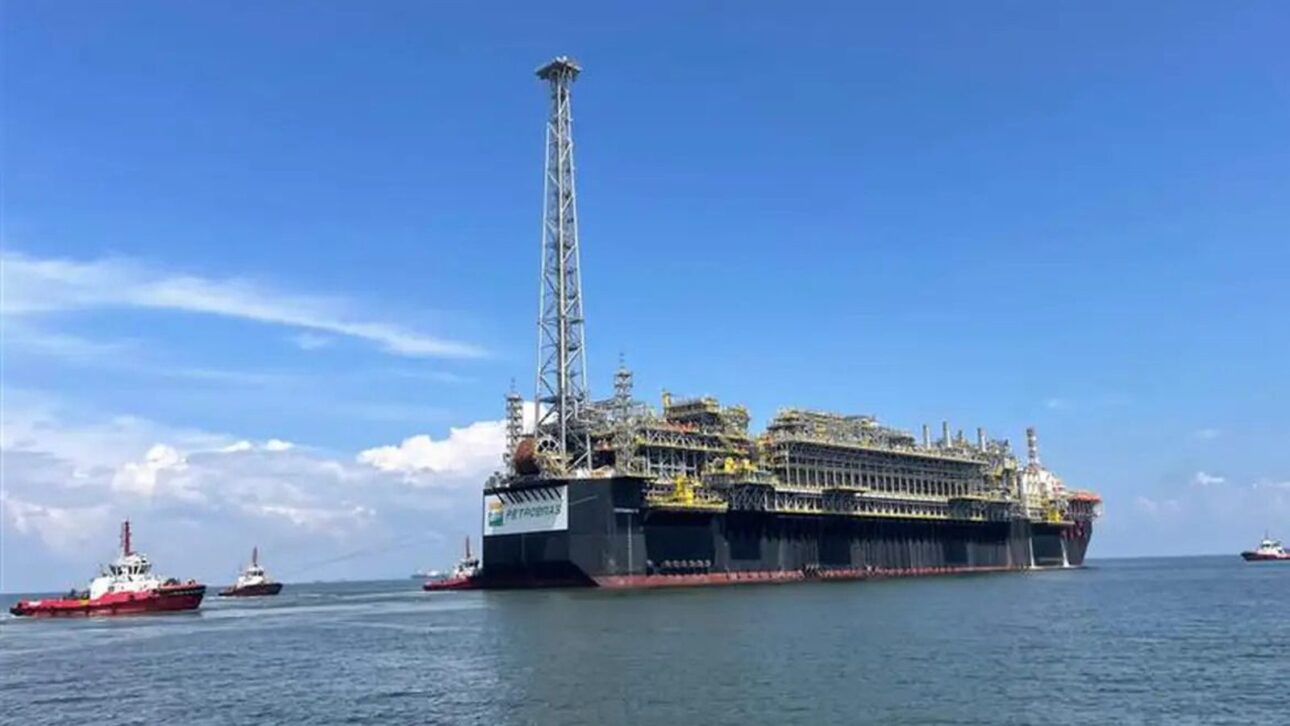

The ANP board approved geological and economic studies on Nov. 27, 2026, for the Southeast block of Gato do Mato in the Santos Basin. The area covers about 1,400 km² and has an estimated 193 million barrels of oil equivalent, but will go to auction only if the MME and CNPE decide
Brazil’s ANP approved geological and economic studies for the Gato do Mato Southeast block in the Santos Basin pre-salt area, clearing the way for possible inclusion in the Permanent Production Sharing Offer. The decision was made at the agency’s board meeting on Friday, Nov. 27, 2026.
TN Petróleo published the ANP’s announcement, and tmc.com.br also detailed the area and the next steps that same day.
For the oil market, the decision opens the door for a new pre-salt block to be offered to oil companies. But approval of the studies still does not guarantee an auction.
-
Between a subsea buoy and a floating production vessel, Sapinhoá risers gained a connector with a viewing window and fiber-optic monitoring

-
At Marlim, Petrobras separated part of the water about 900 meters below the surface and reinjected it into the reservoir
-
After gas discovery in 2020, Petronas and Staatsolie approve Suriname’s first offshore gas project
-
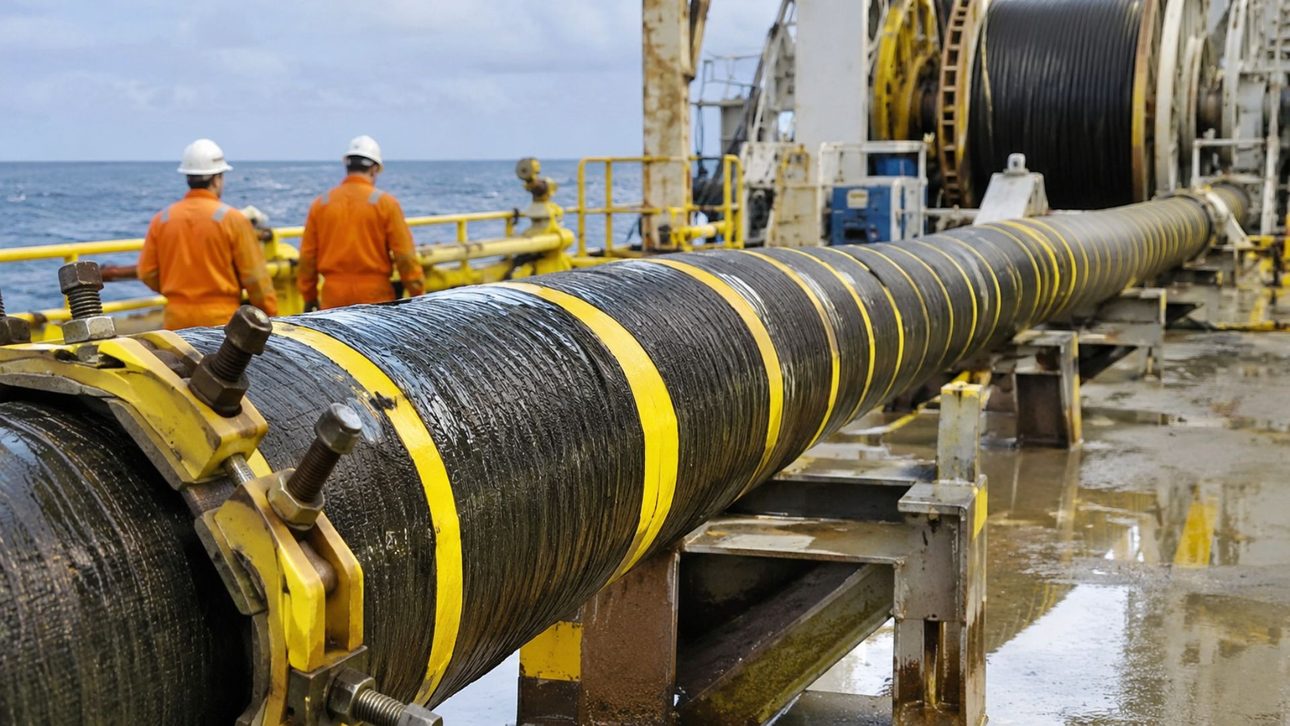
Petrobras aims to use radiation to detect defects inside lines used in subsea wells



1,400 km² and 193 million barrels
The Gato do Mato Southeast block covers about 1,400 square kilometers. It lies in the Pre-Salt Polygon in the Santos Basin and has been classified by the ANP as having high exploration potential.
The ANP’s studies estimate an average total unrisked volume of 193 million barrels of oil equivalent. The figure appears in TN Petróleo and tmc.com.br.
Unrisked volume is an estimate made before accounting for exploration risks, such as geological problems, tmc.com.br explains. In other words, it represents the area’s potential, not a proven reserve.
What the studies assessed
The approved studies have three parts. The first is a geological and geophysical assessment of the area.
The second is a preliminary analysis of the block’s technical and economic feasibility. The third defines the geographic configuration, or the final boundaries of the area.
The decision is part of the Unified Strategic Schedule for Geological and Economic Assessments for 2026 and 2027, TN Petróleo reported.
The path to an auction
Following approval, the studies and their attachments go to Brazil’s Ministry of Mines and Energy (MME). Based on the technical studies and its strategic assessment, the MME proposes to the National Energy Policy Council (CNPE) which blocks should be put up for bidding.
The CNPE, after consulting the ANP, decides which areas will enter the production-sharing regime. Under that regime, the federal government shares in profits from exploration, tmc.com.br explains.
Only after that can the block enter the Permanent Production Sharing Offer, the mechanism for continuously offering blocks to the market.
Approval does not guarantee a bidding process
The ANP emphasized that approval of the studies does not mean that the entire area assessed will necessarily be offered in a bidding process. Both outlets reported the warning.
The block’s inclusion in the Permanent Production Sharing Offer depends on the study results and a subsequent decision by the MME and the CNPE, tmc.com.br reports.
Near the Orca field and the Gato do Mato FPSO
The name Gato do Mato is already familiar in Brazil’s pre-salt. It is the name of Shell’s project at the Orca field in the Santos Basin, where the Gato do Mato FPSO will operate.
That same week, Shell and Modec completed the joining of the hull sections of the floating production vessel nearly a month ahead of schedule, according to an announcement published by Fator Brasil on Nov. 27, 2026.
What this block could mean
If put up for auction, the Sudeste de Gato do Mato block could attract oil companies interested in the pre-salt in the Santos Basin, one of Brazil’s most productive areas.
The 193 million-barrel figure is still an unrisked volume estimate. The decision on whether to hold the auction now rests with Brazil’s Ministry of Mines and Energy (MME) and National Energy Policy Council (CNPE).