





 Portuguese
  English
  Spanish
 5 min of reading
  7 comments


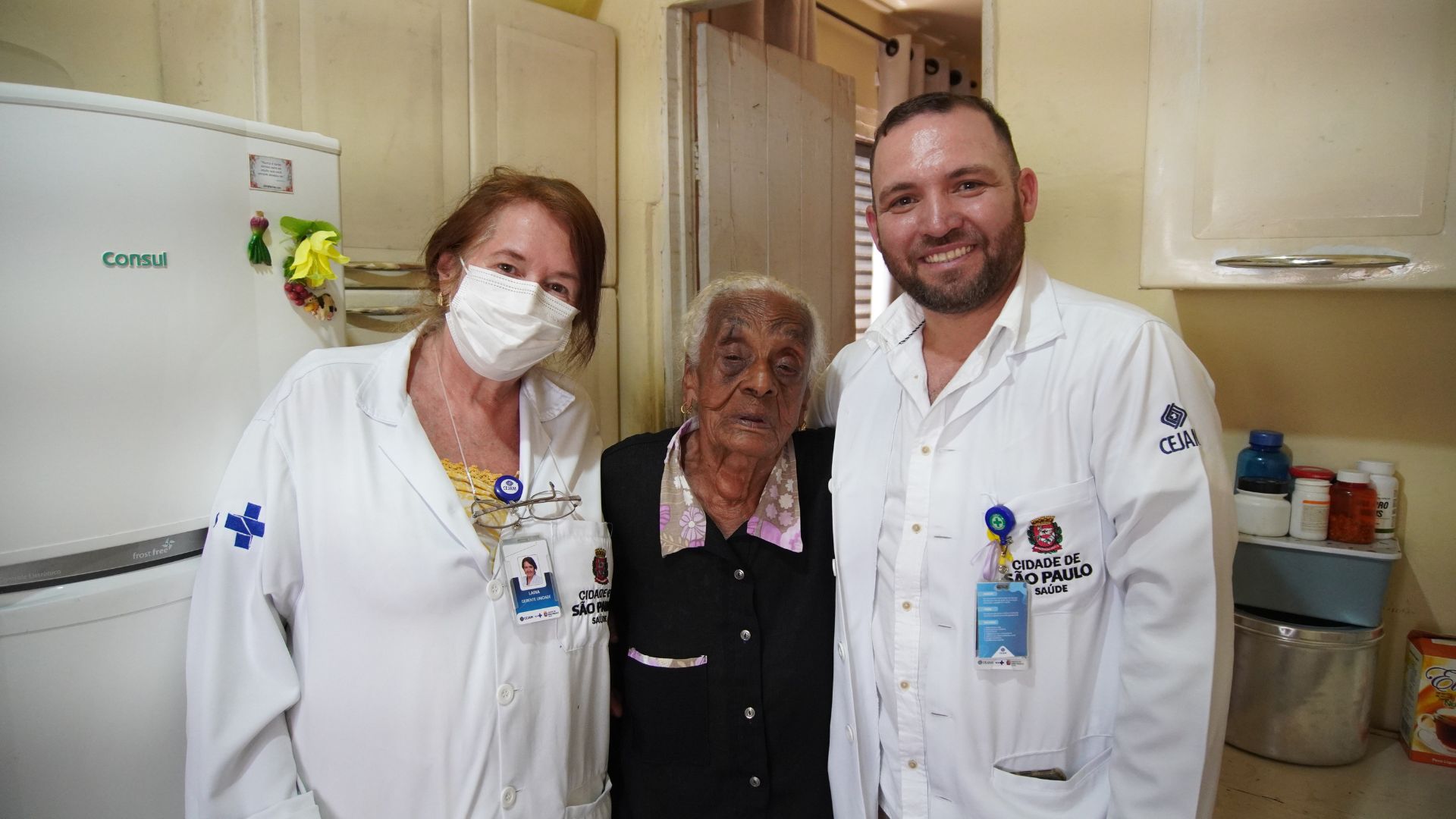


Longevity In Jardim Ângela Crosses Independent Routine And Biweekly Visits From The UBS, In A Follow-Up That Combines Prevention, Home Care And Long-Standing Ties With The Public Health Network In São Paulo, While The City Hall Describes The Care For “Super Elders” And Registers Family Details, Fragility Assessment And Action Of The Family Health Strategy.
At 111 years, Sebastiana Xavier de Andrade continues to live alone in Jardim Ângela, in the southern zone of São Paulo, even with regular home care provided by teams from UBS Jardim Herculano and the Family Health Strategy, according to institutional records from the City Hall.
The situation appears in an official publication that describes the care for “super elders” in the municipal network, a category used for patients over 90 years old, and cites Sebastiana as a case that combines longevity, home assistance, and the maintenance of her own routine.
In the same material, the Municipal Health Department informs that Sebastiana and another resident of the neighborhood, Julita Alves dos Santos, aged 110, receive biweekly visits, with multiprofessional support, while remaining linked to the unit since the service’s inauguration.
-
An island of 7,500 people received 38,000 bananas by mistake, was left unsure where to store everything, and turned the error into a viral case with donations, hustle, and fruit overflowing everywhere.

-
A promise made to their father led three men to unearth a forgotten house that had been swallowed by time for over 70 years, in a story of memory, abandonment, and reconstruction that seems straight out of a movie.

-
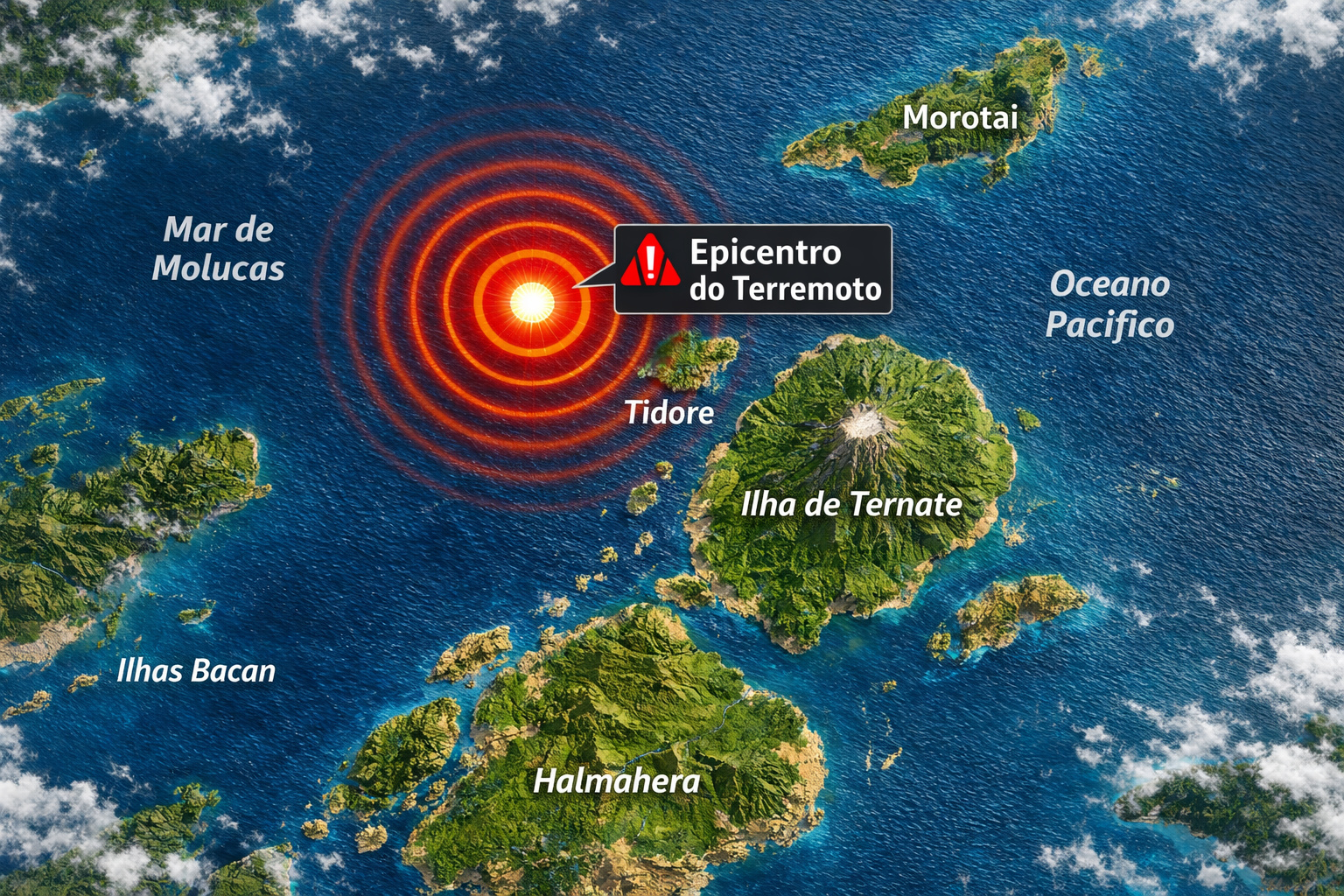
A strong earthquake in Indonesia affects houses and schools, causes panic, triggers a tsunami alert, and records a rise in sea level of up to 30 centimeters in some areas.

-
The Argentine government celebrates the lowest poverty rate in 7 years, but experts warn that the methodology has changed, real wages have fallen, unemployment has risen, and the number of people on the streets of Buenos Aires has increased by 57% since Milei took office.


Home Care From UBS Jardim Herculano

Although care takes place within the home, the publication emphasizes that the assistance does not replace the daily management by third parties, but instead adds to a routine that remains organized in her own residence, with scheduled visits and periodic monitoring.
In practice, the reported teams include professionals from the UBS and the ESF, as well as support from areas such as social service, psychology, physical therapy, and nutrition, in a model that brings procedures and consultations into the home when necessary.
Among the actions described are vaccination, laboratory test collection, and routine consultations, with the participation of community health agents, who bridge the gap between the homes in the area and the monitoring within the unit.
Average Longevity In Jardim Ângela And The Contrast With 111 Years
Sebastiana’s portrait gains weight when the official text presents a contextual data about the region: according to Pro-Aim/Ceinfo, the average longevity in Jardim Ângela is 61.5 years, far below what she has already surpassed.
According to the same municipal source, the difference between the local average and the ages of the two residents exceeds five decades, a contrast used to illustrate how these cases stand out in their surroundings, without suggesting that they are the norm.
Elderly Population Served By UBS In The Southern Zone Of São Paulo
Detailing the work of UBS Jardim Herculano, manager Laina Ramos states that the unit monitors about 3,500 people over 60 years old and also a smaller portion of very elderly patients, including 63 over 90 and four over 100.
In the institutional report, the team describes the presence of six ESF teams, in addition to multiprofessional professionals and dentists, in a follow-up that includes physical care as well as actions aimed at mental health.

Social worker Fábio Correia de Araújo, cited in the same publication, attributes the work with elderly people to an experience of routine and says that the unit offers, among other services, physical therapy and psychological follow-up, always within the scope of primary care.
Large Family And Biography Registered In Care
The publication also brings biographical elements about Sebastiana to contextualize longevity without turning it into an abstract figure, recording that she had 11 children, all from natural childbirth, at home, and that some of them have already passed away.
In the same section, the text states that the elderly woman indicated the number four with her hand when talking about the children she lost and then enumerated the family that remains: 20 grandchildren, more than 30 great-grandchildren, and five great-great-grandchildren, according to the municipal record.
In the section dedicated to Jardim Ângela, the Secretary states that Sebastiana and Julita have in common a simple life, large families, “good humor,” and “sweetness,” in addition to longevity with a “sharp mind” and “good health,” expressions used in the official text.
Multidimensional Assessment, Pre-Frail Elderly, And Biweekly Visits
The described follow-up is presented as continuous care, precisely because age requires prevention and constant attention, even when there is autonomy in daily tasks and maintenance of habits that allow one to stay in their own home.
According to the Multidimensional Assessment of the Elderly, applied by the team, Julita is classified as a “healthy elderly” and Sebastiana as “pre-frail elderly,” a classification mentioned to justify the format of biweekly visits and the multiprofessional support.
Even with this classification, the publication points out that Sebastiana lives alone, and this detail serves as the main marker of autonomy in her case, involving independence within her own home, but with periodic presence from the health network.
Super Elders In São Paulo And Follow-Up In The Municipal Network
Expanding the panorama, the City Hall also cites other very elderly patients followed by the municipal network, such as Elena Marcelina de Jesus, aged 114, who is attended at home by a UBS team and by a reference unit focused on elderly health.
Overall, the material indicates that patients aged 90+ are already part of the reality of the municipal system and uses these cases to illustrate how primary care tries to maintain ties, prevent deterioration, and organize care in the area, including for those who no longer leave their homes.
Based on what the Secretary describes about Sebastiana, how do you evaluate the decision of a very elderly person to live alone: a sign of preserved autonomy or a risk that requires more constant presence from the family and the public network?






Eu conheço uma senhora em nova descoberta no Recife que fez 122 anos dia 7 de janeiro desse ano..já inscrevemos ela no kinibuk.mas até agora não tivermos resposta .
O idoso não pode viver sozinho. Dada sua fragilidade, declínio cognitivo e físico.
Um absurdo esse caso!
Minha mãe tem 89 anos e trabalha de cozinheira no restaurante da minha irmã, apesar de não ter compromisso de estar presente todos os dias se ela não for entra em depressão, não há qyem tire ela dessa rotina, ela diz que se parar morre! Mora sozinha e limpa o apto tbem, tenho 2 irmãos que moram ao lado e minha irmã busca ela todos os dias para trabalhar de seg a sexta-feira e de domingo faz almoço para os filhos e netos que ela adora!