





 Portuguese
  English
  Spanish
  3 min of reading


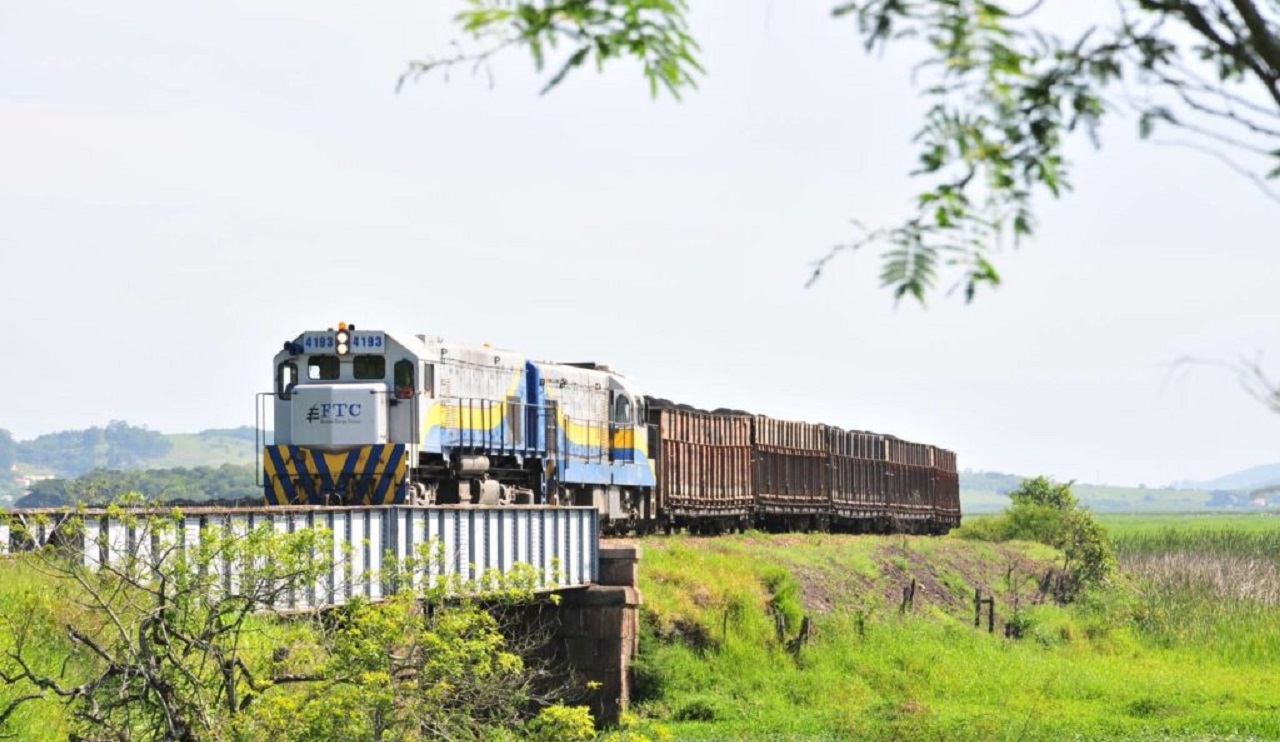
The Infrastructure Minister of the government, Tarcísio Gomes, says that if all railways are authorized by 2035, the matrix of this modal can reach up to 40% growth.
The Brazilian government predicts an increase in the participation of railways in the transportation matrix, thanks to new projects and regulatory changes. “With the participation of the private sector, we are advancing in our investment program to balance the transportation matrix, which will result in reduced transportation costs and give us more competitiveness,” the Infrastructure Minister, Tarcísio Gomes de Freitas, told the press.
Read More Related News
“The railway modal will jump from 15 to 36% of the transportation matrix by 2035. If we have authorized railways, it will reach 40%,” he added.
Congress is evaluating a bill to allow companies to operate short-distance railway networks, which could attract more investments. The new regulation involves temporary use rights contracts signed between the government and the company.
-
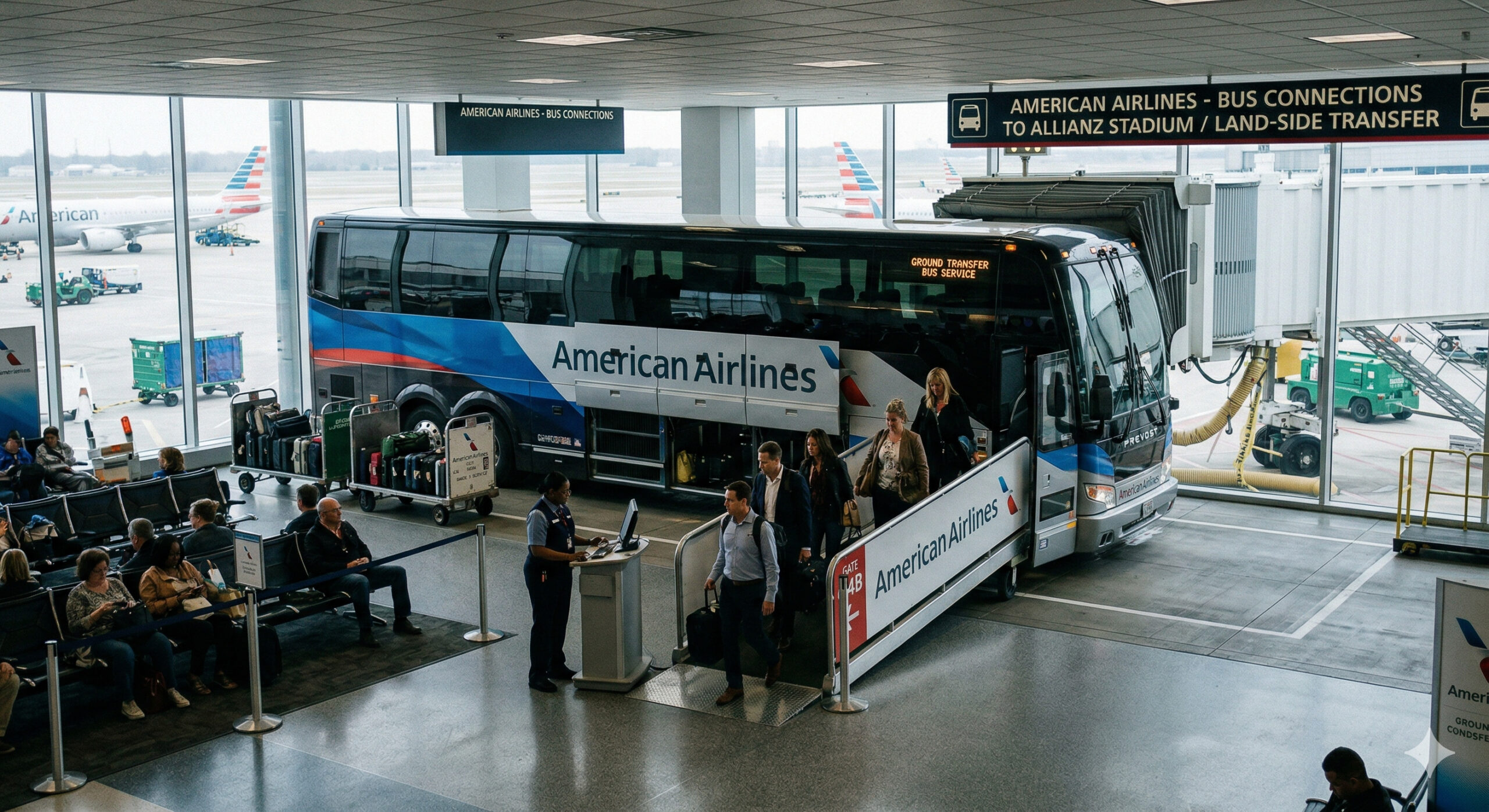
American Airlines starts selling trips as if they were flights, with check-in and baggage check at the airport, but on short routes, passengers board luxury buses connecting cities to major hubs in the U.S.
-
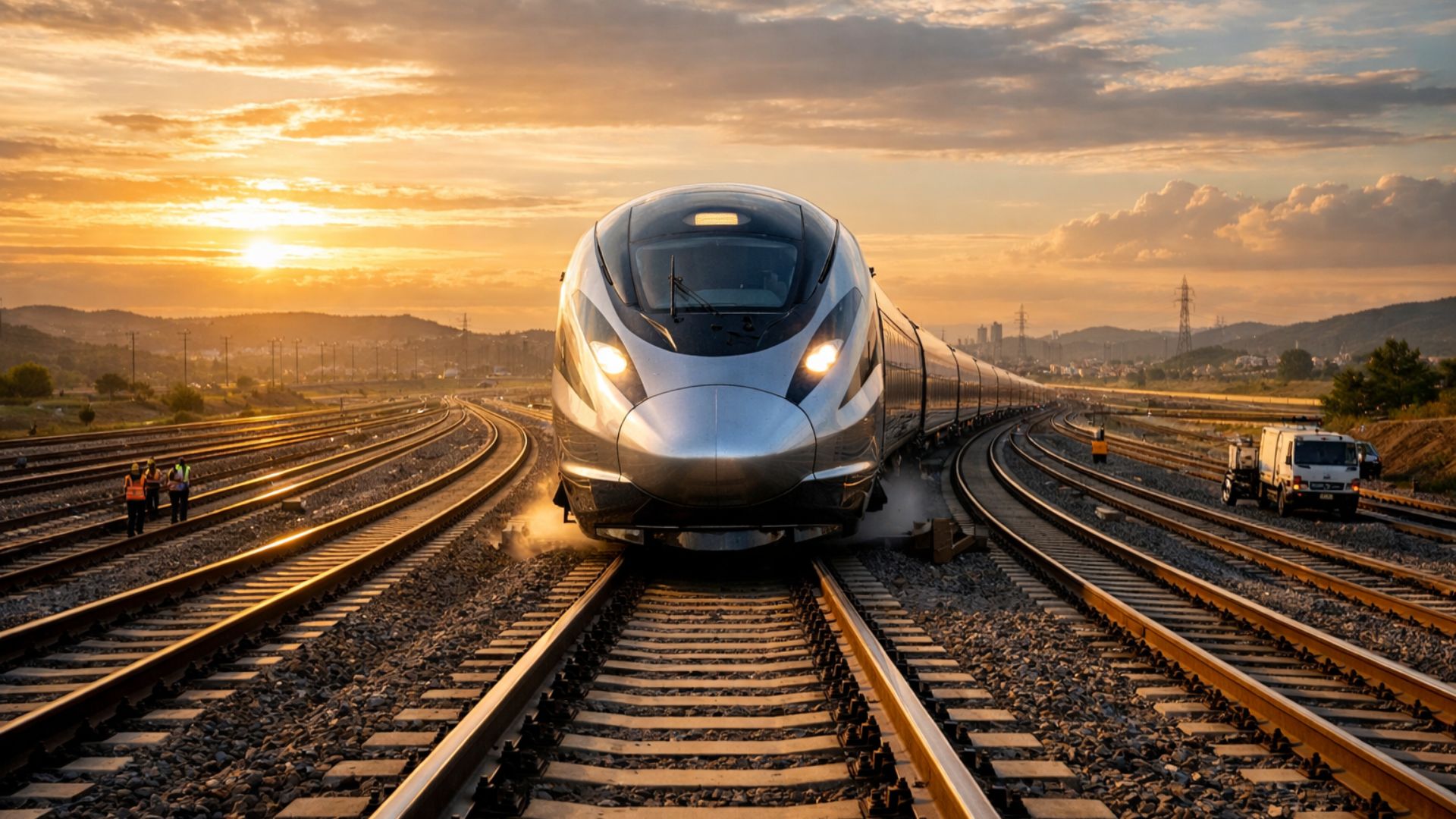
São Paulo surprises the world with a colossal railway network project that promises over 1,000 km of tracks, R$ 194 billion in investments, and 40 projects connecting the capital to the interior with fast and sustainable trains.
-
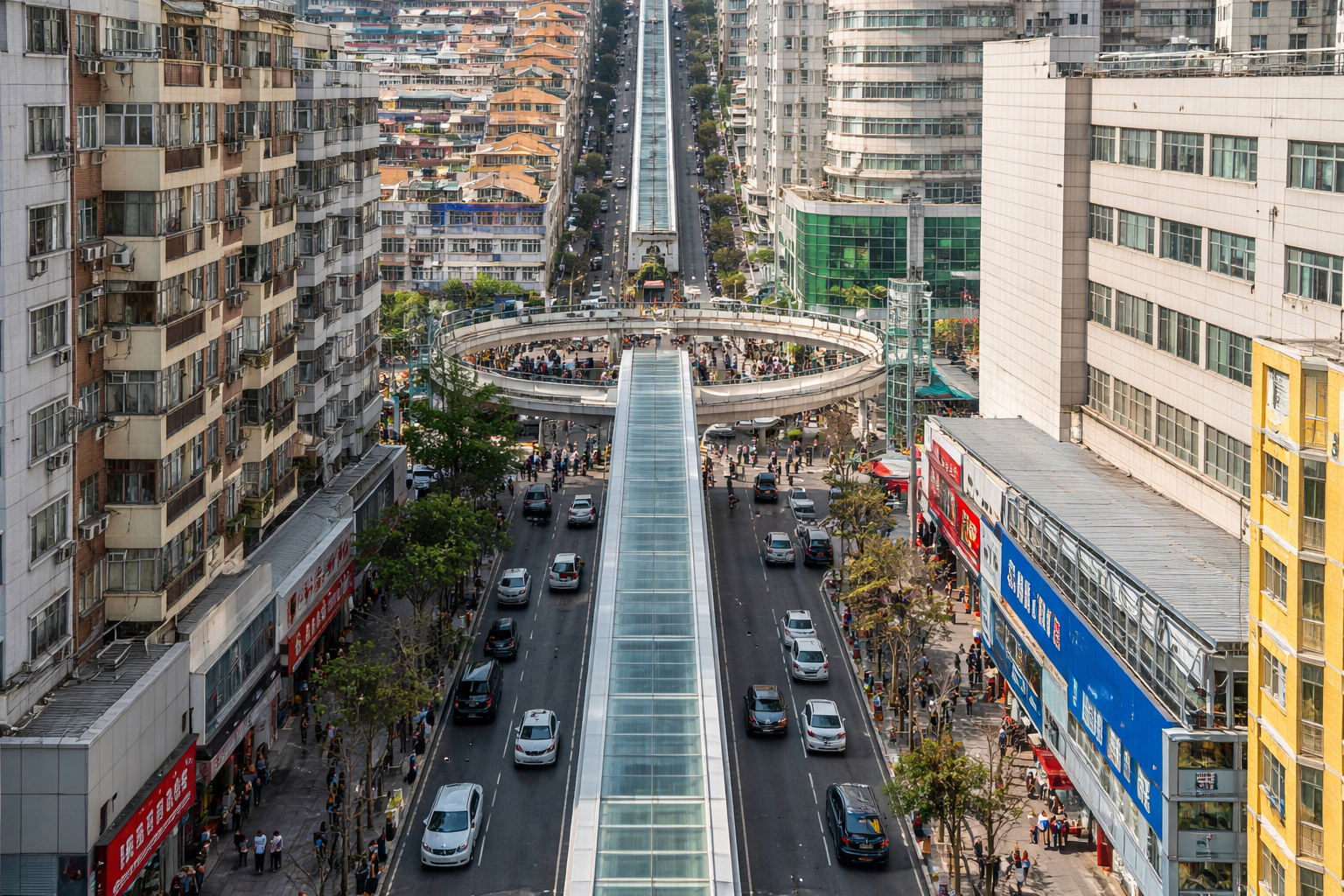
The world’s largest escalator, measuring 905 meters in China, reduces urban travel time from 1 hour to about 20 minutes and transforms mobility in mountainous regions with an engineering solution adapted to the terrain.
-
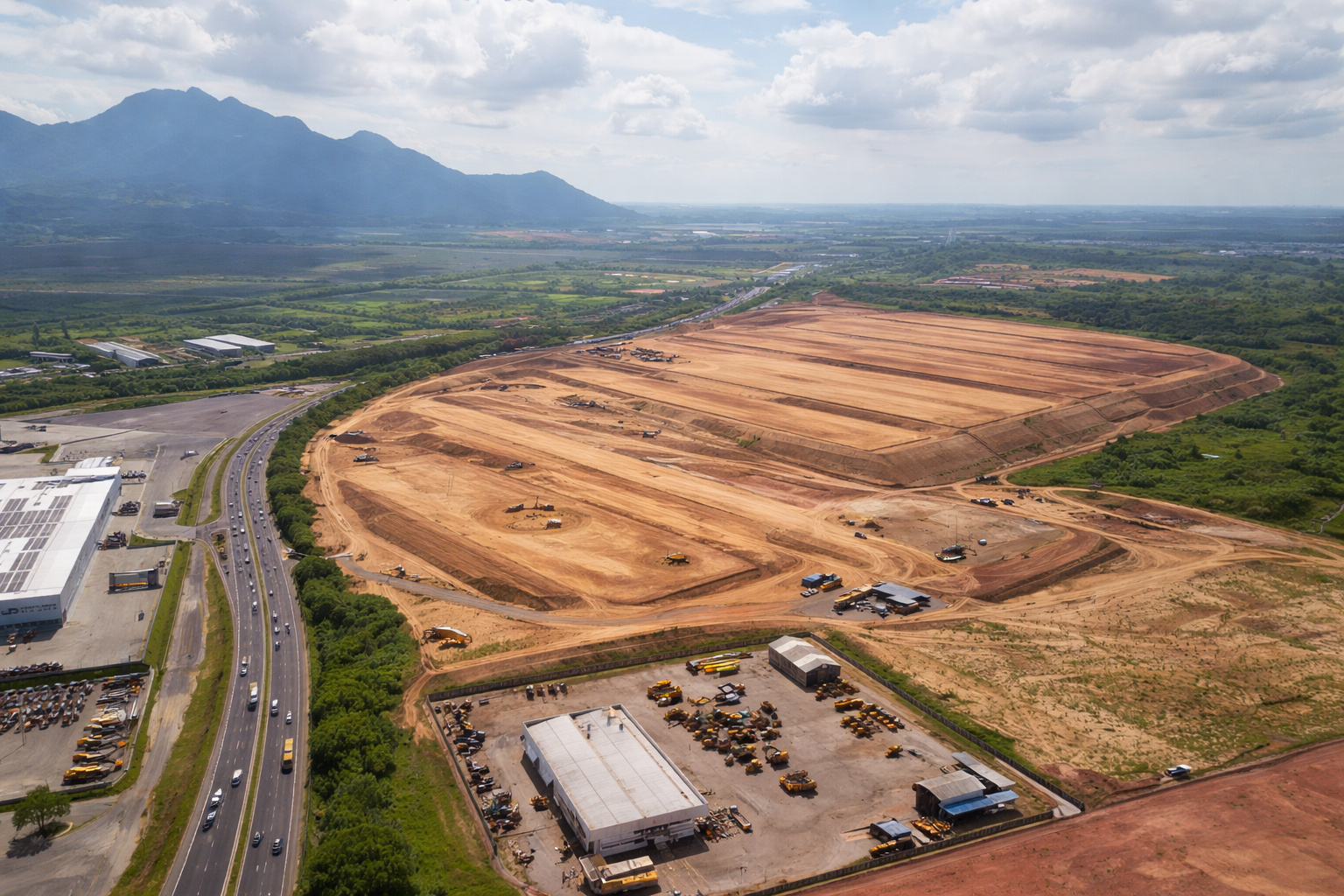
A R$ 300 million logistics giant is taking shape in Serra with over 100,000 m² and raises a question: how can this transform e-commerce and distribution in the state?
What the Regulation in the Current Road Transport Sector Says
The current regulation requires a process involving a bidding launched by the federal government, which can take years.
In addition to regulatory changes, the government aims to facilitate investments through concessions.
“What the private sector sees as very positive now is that measures related to the railway sector are now considered state policies, that is, regardless of who will be in the next government, these are the guidelines to follow,” said Vicente Abate, president of the national association of railway equipment manufacturers Abifer, to BNamericas.
Two more sections of the Fiol freight railway have recently been added to the investment partnership program (PPI). The operation and construction contracts will be auctioned in the fourth quarter.
The state-owned Valec has completed about 45% of section two of 485 km (Fiol II) between Caetité and Barreiras, while the Fiol III section of 505 km between Barreiras and Figueirópolis is in the study phase and has preliminary environmental licensing.
The Auction of the First Railway Section Was Seen as a Success.
The 1,527 km railway between Ilhéus, in the state of Bahia, and Figueirópolis, in the state of Tocantins, is connecting grain and mineral-rich areas to the port of Ilhéus.
In April, the mining company Bahia Mineração won the 35-year concession for the first section of 537 km, Fiol I, between Caetite and Ilhéus, with a bid of R$ 32.7 million. The company is expected to invest R$ 3.3 billion to complete construction and start operations. The annual capacity is expected to reach 50Mt by 2035.
The section is crucial for transporting iron ore to the port. The Ferrogrão railway, on the other hand, will facilitate transportation in states rich in grains.
The government will auction the contract for construction and operation for 69 years this year. The operational investment is estimated at R$ 25.2 billion and the opex at R$ 66.5 billion. It is one of the largest ongoing contracts.
Railways Performed Well During the Pandemic.
Freight railway transport grew 12.5% between January and May, the latest available number, according to the state planning and logistics company EPL.
The expansion of the railway segment would also help reduce Brazil’s greenhouse gas emissions, as two-thirds of total cargo is currently transported by road, Abate added.









Seja o primeiro a reagir!