





 Portuguese
  English
  Spanish
  3 min of reading


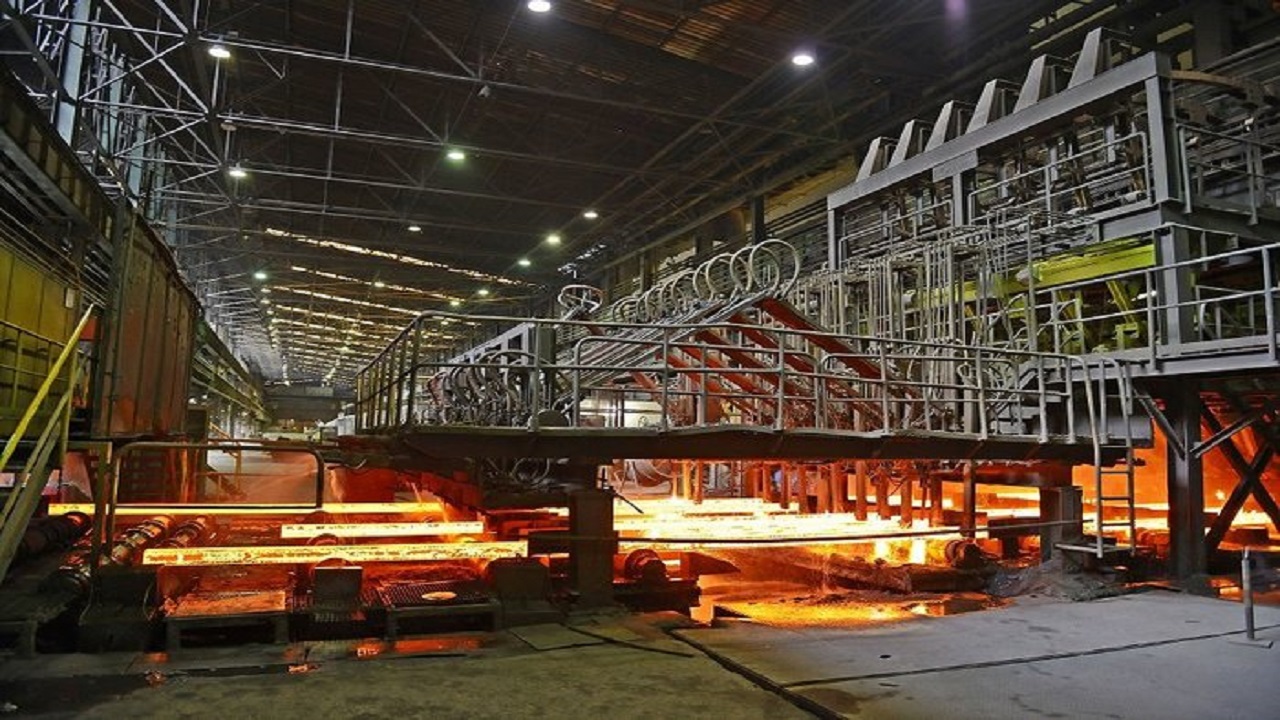
With the Intention of Reducing CO2 Emissions, ArcelorMittal Seeks to Create the First Sustainable Steel of the Brazilian Industry, Aiming to Replace Natural Coal with Natural Gas in Manufacturing Furnaces
According to Erick Torres, Executive Vice President of Flat Steel Operations at ArcelorMittal Brazil, the main initiatives to reduce carbon dioxide (CO2) emissions during the production of steel at ArcelorMittal are based on the use of natural gas within blast furnaces, replacing mineral coal.
Read Also
According to Torres, ArcelorMittal currently consumes around 5% natural gas, and the goal is to reach between 10% and 15% by 2030. At the moment, natural gas is only being used at the Tubarão plant in Espírito Santo, but it will soon also be used at the João Monlevade unit in Minas Gerais. ArcelorMittal Brazil’s General Manager of Sustainability, Guilherme Abreu, stated that this will be a goal for each year, as it is of great importance and responsibility to produce steel without sharply impacting nature. Sustainable steel will undoubtedly be an innovation in the industrial market.
ArcelorMittal Aims to Decarbonize All of Its Steel Mills
ArcelorMittal aims to achieve global neutrality by the year 2050. Therefore, the company has been heavily investing in the use of renewable energy sources, in addition to reusing scrap and developing studies for the application of “green hydrogen” in future operations.
-
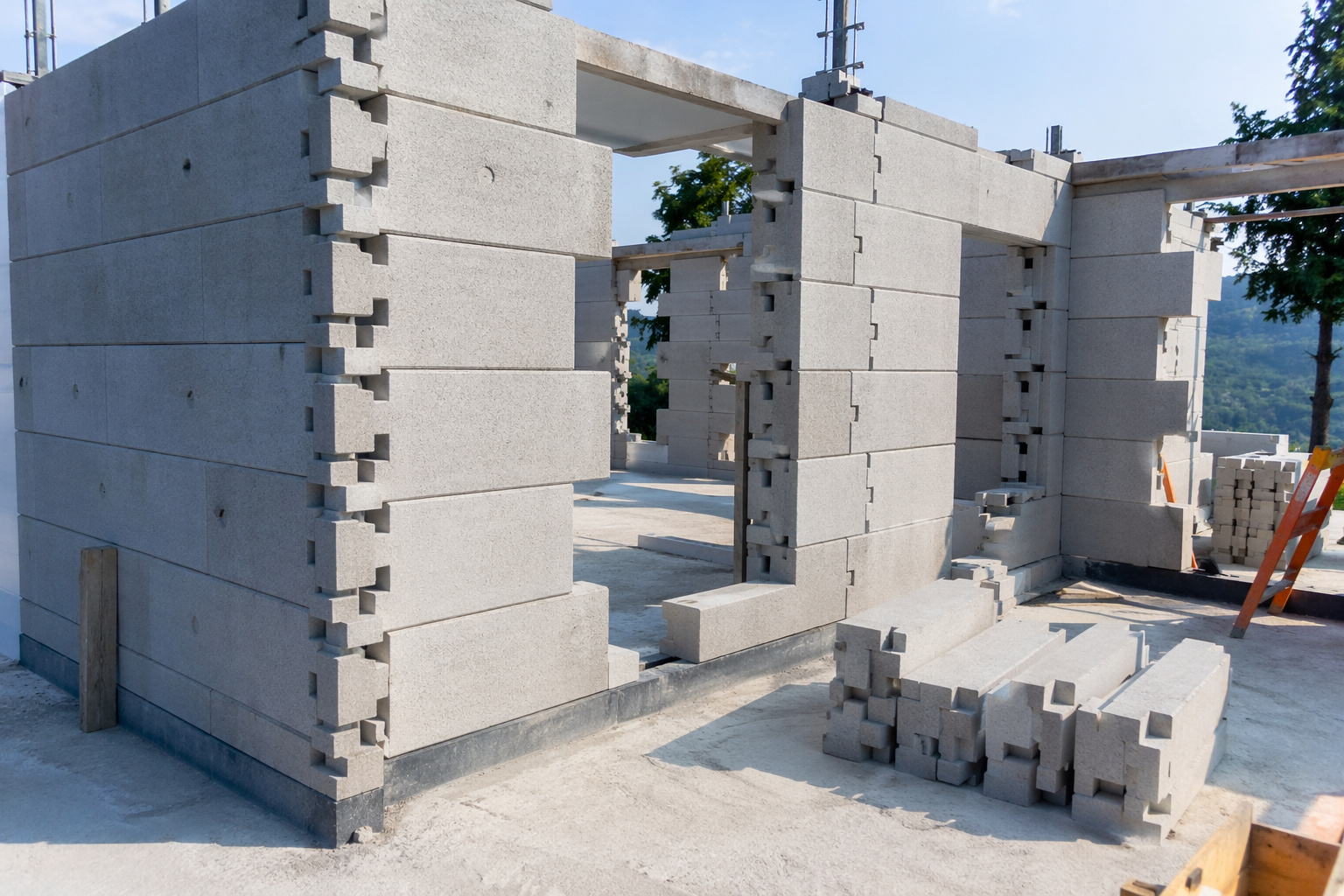
Cement-free interlocking system revolutionizes the construction industry by allowing entire houses to be built with interlocking blocks, reducing costs, speeding up projects, and transforming the standards of efficiency and sustainability in the sector.
-
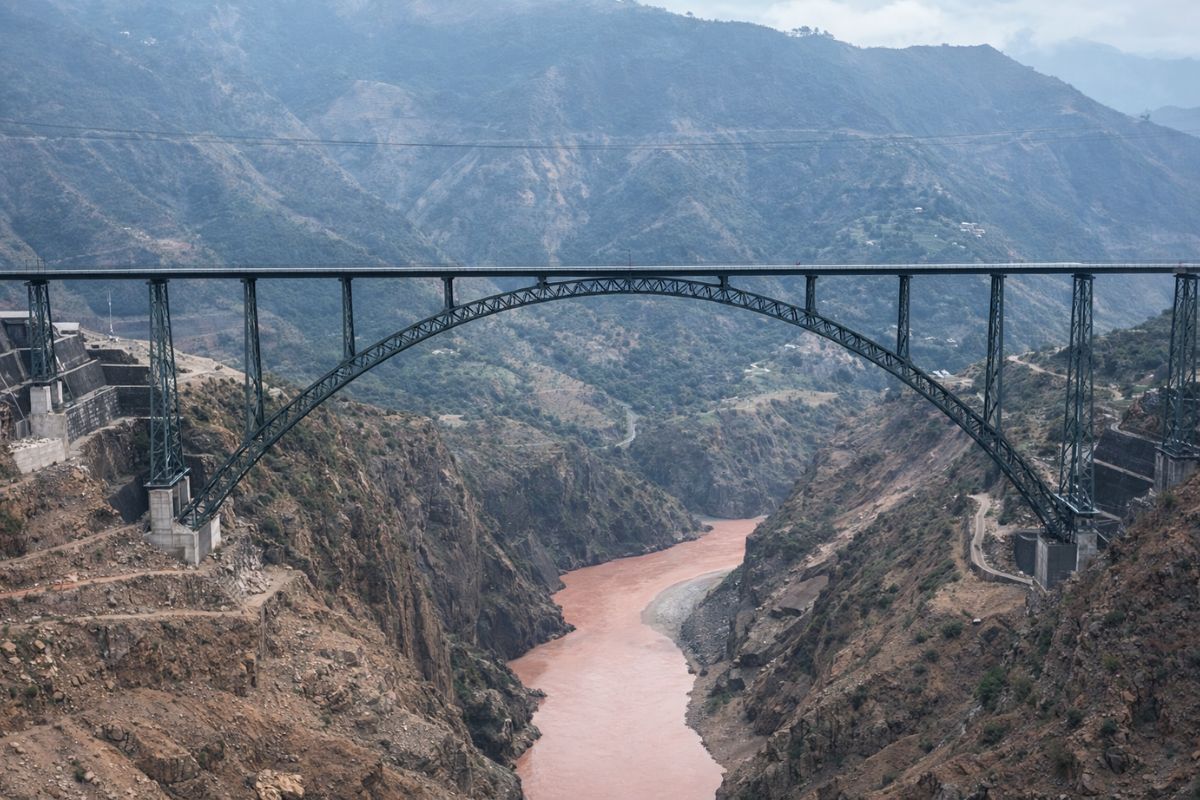
At 359 m above the river and with a span of 467 m, the highest railway bridge in the world has withstood winds of 266 km/h, featuring modular steel, a filled arch, and sliding tracks in historic Indian Kashmir.
-
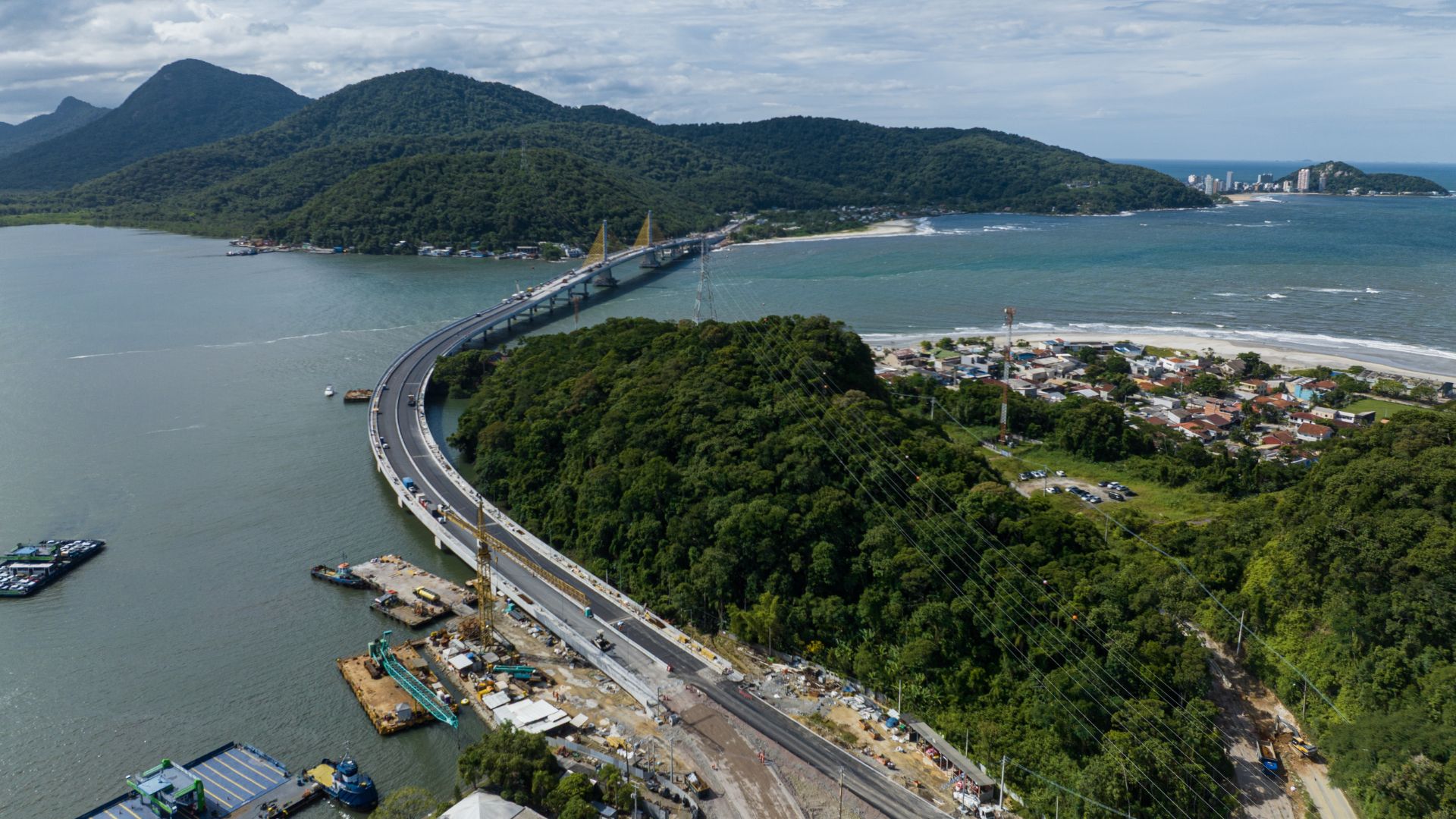
With over 3 km in total length, the mega bridge costing R$ 400 million will be delivered this month after years of waiting, featuring 4 lanes, 211 lighting poles, and ending 50 years of ferryboat crossings on the coast of PR.
-
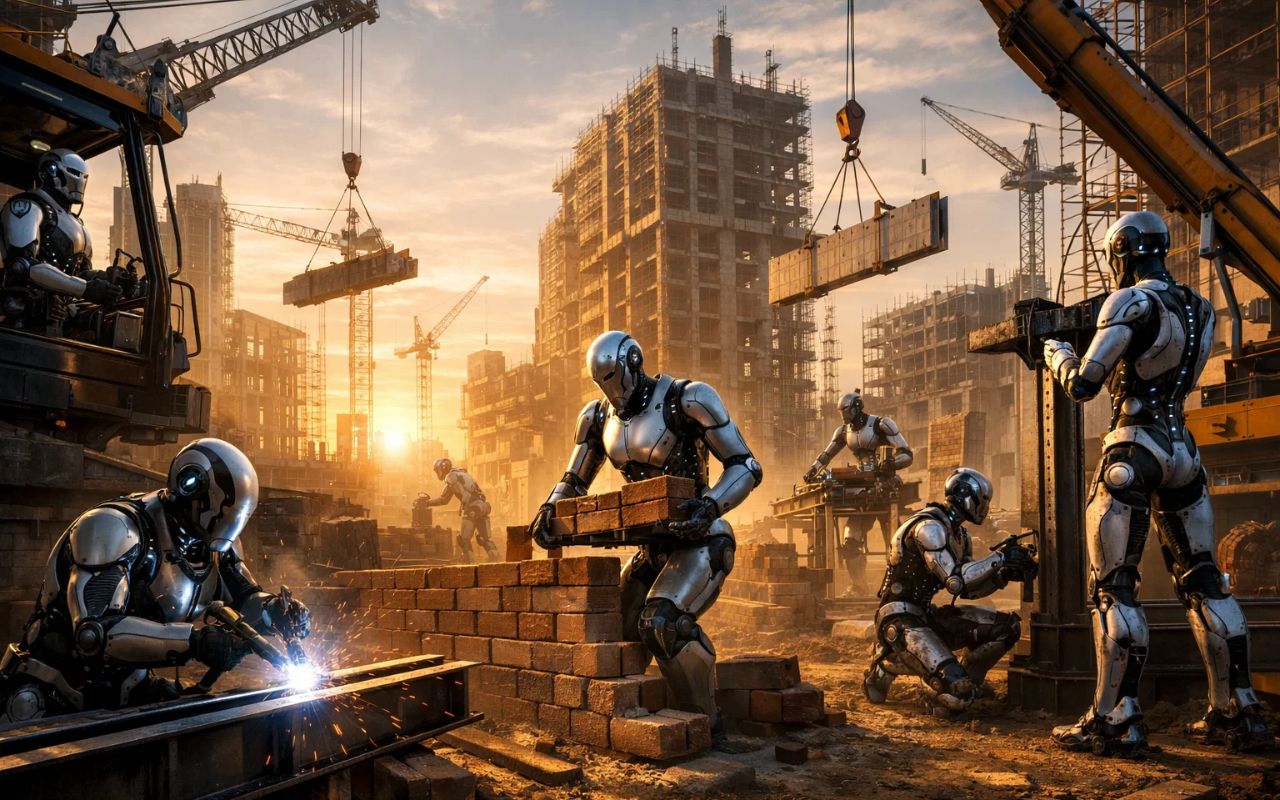
Lack of workers and an aging population: Japan bets on AI robots in factories, logistics, and infrastructure to keep the economy and essential services active.
Guilherme Abreu explained that the preference for using steel scrap is precisely because it has already gone through the entire process of generating carbon dioxide (CO2) during its production.
Therefore, by recycling scrap, they will not be as concerned, since it will not have the same amount of CO2 as steel being produced from iron ore. Abreu also spoke about other initiatives, such as generating energy from the reuse of gases emitted during steel production, in addition to the company adopting renewable energy in its matrix.
The Use of ‘Green Hydrogen’ in Steel Production
The company is organizing to also use green hydrogen in various operations and seeking to make it viable in replacing natural gas. Guilherme Abreu believes it will become very competitive in the market, so the company wants to be prepared for all the changes that will likely occur in the coming years.
Despite this, Abreu believes that green hydrogen still needs much more study and technological development before moving on to applicability. He explains that it is necessary to focus on the compensation of gas emissions, as it is still impossible to reach 2050 with 0% carbon usage on a global scale.
According to Guilherme Abreu, ArcelorMittal in Brazil has a significant advantage over other subsidiaries, as the company has rich and vast planted forests for producing charcoal, which serve as a severe system of ‘sequestration’ of carbon dioxide (CO2).




Seja o primeiro a reagir!