Portuguese
  Spanish




Thinking About Generating An Ever-Lesser Impact On The Environment, BNDES Will Stop Financing Coal Plants
Energy sources that depend on coal will no longer have an important partner for project development in the country. The National Bank for Economic and Social Development, BNDES, stated that it will stop financing energy sources that have a significant negative impact on the environment.
The announcement from BNDES comes amid the worst drought in 90 years. While hydropower plants are operating at reduced energy production capacity, coal thermal plants are being used to meet energy needs and prevent blackouts.
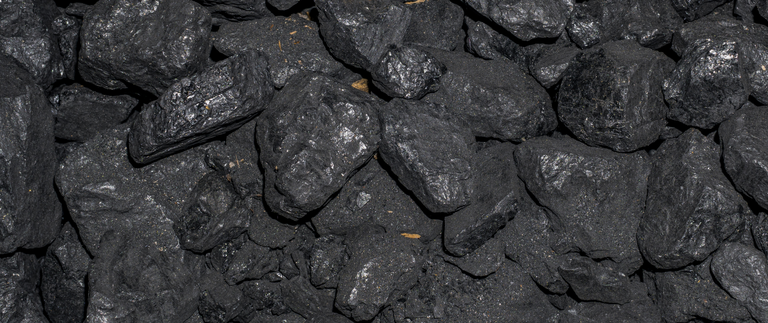
Currently, Brazil has a total of 22 thermal plants, but they represent only 2% of all energy generated in Brazil.
-
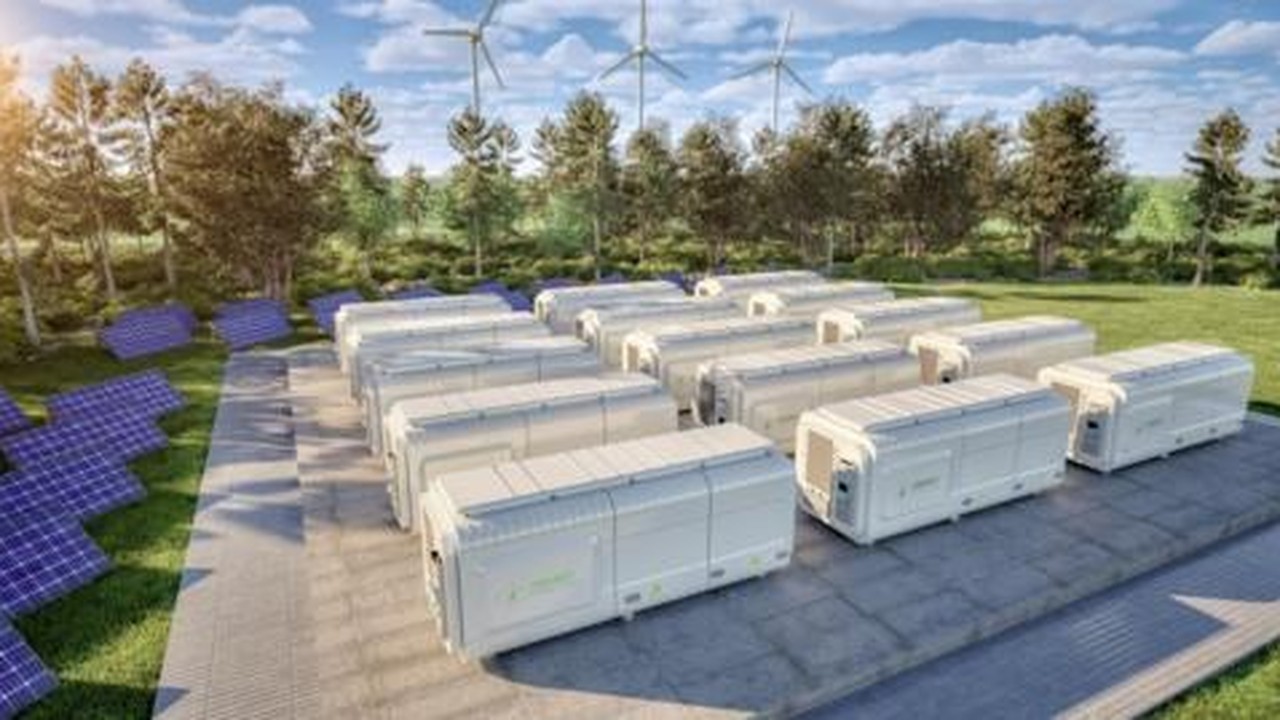
Brazil to Hold First Auction for Batteries to Store Solar and Wind Energy from the Northeast

-
Brazilian scientists are simultaneously advancing two research projects on clean hydrogen and driving solutions that could transform the energy matrix, enhance industrial competitiveness, and accelerate large-scale emission reduction targets.

-
Advancement in renewable energy: A R$ 150 million project launched by Petrobras and Finep aims to create state-of-the-art electrolyzers for green hydrogen, strengthening national research and preparing Brazil to compete in a billion-dollar energy market.
-
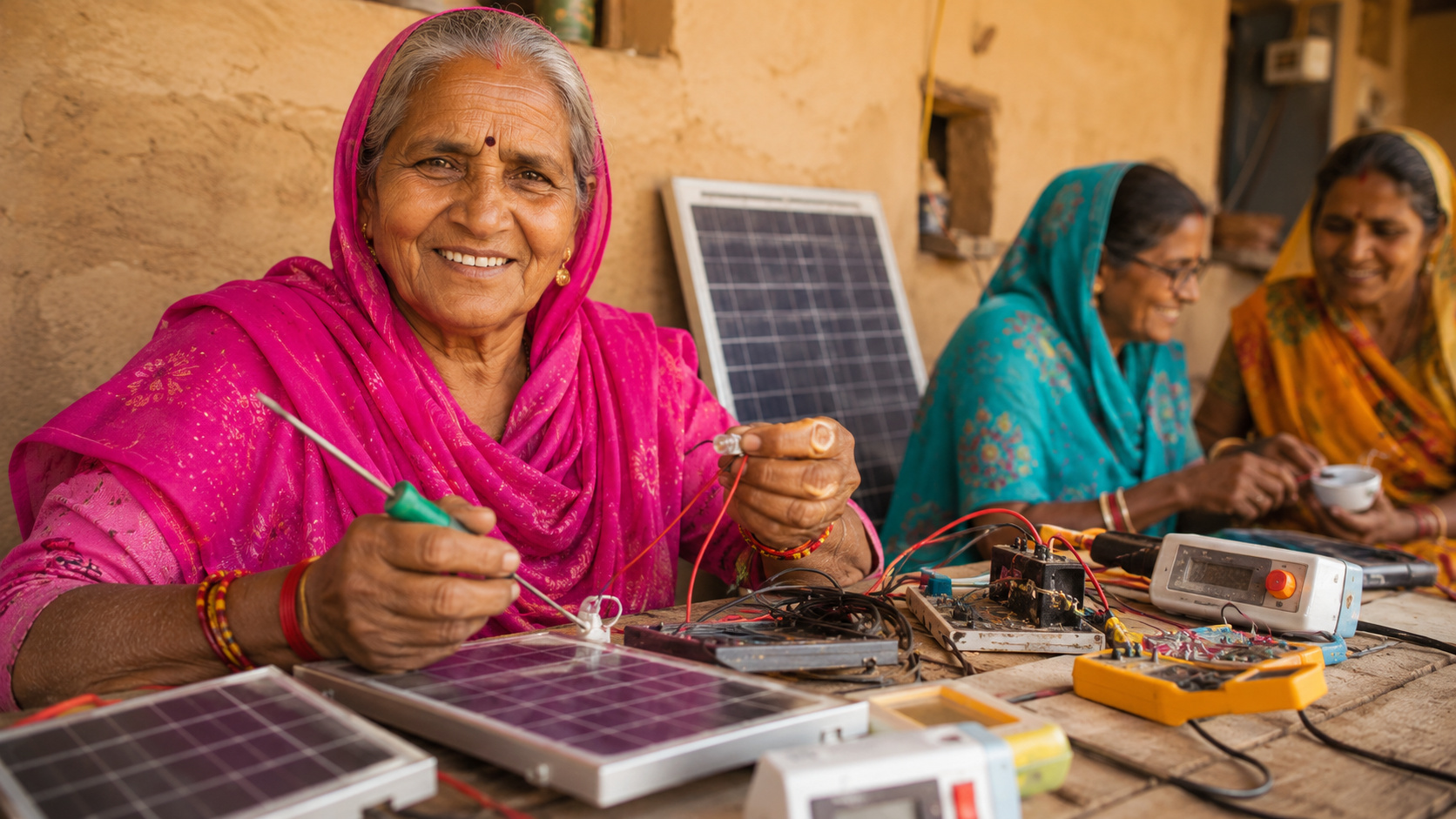
Illiterate or semi-literate grandmothers were trained to repair solar systems, open rural workshops, and light up homes that still depended on kerosene.


In contact with CNN, sector experts highlight that BNDES’s new policy is only for future plants. Given that they take between 4 and 6 years to be completed, the effects of the new policy will only be seen in the long term.
The BNDES has prioritized other energy sources that have much less impact on the environment. Wind energy, solar energy, and biomass are just a few examples of technologies that are friendlier to the nature.
Brazil is experiencing a severe energy crisis due to the drought. With little rain and reservoirs at low water levels, less energy is generated, forcing the government to use coal plants to meet the demand. However, in addition to being more polluting, this alternative is much more expensive.