Portuguese
 Spanish


Authorization published Nov. 20 allows Danisco-developed strain to be marketed; regulatory tests assessed biosafety and industrial use.
Argentina has authorized the sale of genetically modified yeast that can increase bioethanol production from grain and other carbohydrate-rich feedstocks. The decision was published on Nov. 20, 2026, through Resolution 234/2026, allowing Danisco Argentina to market the technology after completing regulatory reviews.
According to a report published by BioEnergy Times on Nov. 21, the microorganism was developed to outperform conventional industrial yeast. The Argentine government confirmed the potential for higher productivity but did not disclose the percentage increase in ethanol output or estimate the savings for individual plants.
Argentina clears genetically modified yeast to boost bioethanol production

The authorization was granted by Argentina’s Secretariat of Agriculture, Livestock and Fisheries, part of the country’s Ministry of Economy. The approved product is a modified strain of Saccharomyces cerevisiae, identified by the code PRCH20080 (FS0436).
-
India could save $20.6 billion annually with biogas, but 75% of projects remain inactive

-
India announces five biomethane plants with a 7.5 billion-rupee investment and output of 110 tonnes per day
-
German waste-to-hydrogen and bio-oil technology operates in Três Lagoas and wins award in Germany
-
Gasoline vs. Ethanol: Ethanol Prices Rise Again but Still Offer Better Value in 16 Brazilian States and the Federal District


Danisco Argentina S.A. submitted the application. The authorization was formalized in Argentina’s Official Gazette, which recognizes the yeast’s improved ability to produce ethanol by fermenting biomass derived from grain and other carbohydrates.
The measure allows the microorganism to be marketed, but it does not mean that all Argentine plants will begin using it immediately. Industrial adoption will depend on manufacturers’ decisions, the technical conditions at each facility and commercial viability.
The modified strain’s potential advantage lies in fermentation, the stage that converts sugars extracted from grain into alcohol. The goal is to make better use of the feedstock during this process, without relying solely on processing more corn or other grain.
The resolution does not say which industrial plants will use the new strain first. It also sets no national production targets tied to the approval.
How the new yeast could produce more ethanol without using more grain
To make bioethanol from corn, the grain is milled and processed to release its starch. The starch is converted into sugars, which are then fermented by yeast.
During fermentation, Saccharomyces cerevisiae converts sugars into ethanol and carbon dioxide. The efficiency of this conversion directly affects the amount of fuel produced relative to the mass of feedstock used.
A modified yeast can have metabolic characteristics that differ from those of conventional strains. In the case of PRCH20080, Argentina’s authorization recognizes improved performance for industrial production, but does not publicly provide a detailed quantitative comparison with other strains.
This means the potential to produce more ethanol from a given amount of grain is recognized, but the actual gain at commercial scale still needs to be demonstrated under each operating condition.
A plant’s productivity also depends on factors such as grain quality, sugar concentration, temperature, fermentation time and equipment characteristics. Changing the microorganism alone does not determine all industrial results.
In Brazil, investment in this sector continues to expand. CPG has already reported that FS is investing R$2 billion in a facility in Mato Grosso with a projected capacity of 580 million liters of ethanol per year.
Assessment found no additional risks for intended industrial use
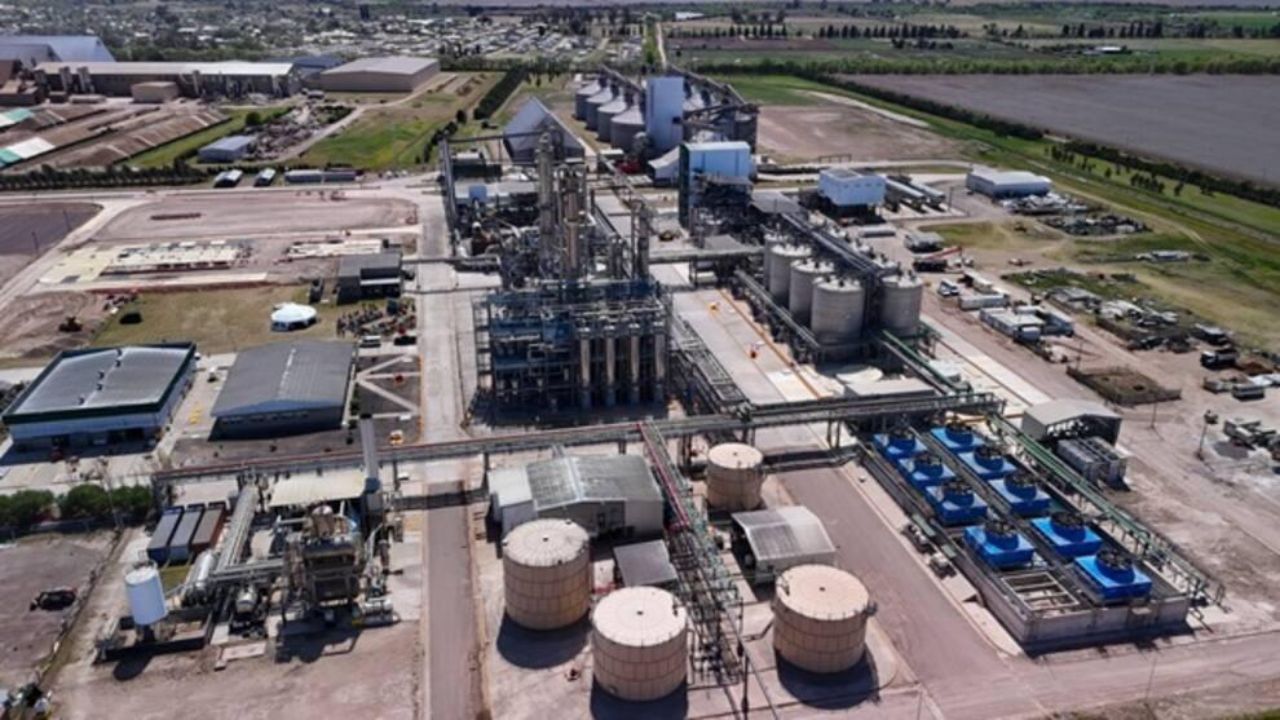
Before commercial authorization, the yeast was reviewed by the National Advisory Commission on Agricultural Biotechnology (CONABIA), which evaluates biosafety aspects related to genetically modified organisms.
According to the Argentine government’s official announcement, published on November 20, the assessment completed in April identified stable and specific genetic modifications.
The reviewers also found that the yeast’s final genome contains no introduced antibiotic-resistance genes or bacterial vector sequences. They identified no changes indicating pathogenic traits or toxin production resulting from the modifications assessed.
CONABIA concluded that the strain poses no additional risk to the agroecosystem compared with the unmodified version, given its intended industrial use.
That conclusion has a defined scope. The assessment concerns the microorganism’s characteristics, the available scientific information and the conditions considered in the regulatory process.
The authorization also sets post-approval obligations. Danisco must immediately inform the authorities of any scientific or technical evidence that could change the conclusions underpinning approval for commercialization.
The government may review the measure if new information emerges that invalidates the opinions on which the decision was based.
A coproduct used in animal feed also underwent a health review
The regulatory review was not limited to the yeast’s performance in fermentation. Argentina’s National Service for Agri-Food Health and Quality (Senasa) also assessed its presence in a coproduct used by the agricultural sector.
The material is known as DDGS, short for dried distillers grains with solubles. It results from processing grains to produce ethanol and can be used as an ingredient in animal feed.
Because fermentation involves microorganisms, reviewers had to consider the characteristics of the material after industrial processing.
Under Resolution 234/2026, Senasa deemed DDGS containing inactivated PRCH20080 yeast suitable for animal consumption under the conditions assessed.
The conclusion does not amount to blanket authorization for any use beyond the one assessed. The document makes clear that the health opinion does not automatically extend to uses outside the proposed application.
The review has economic significance because coproduct sales are part of the business model at many grain ethanol plants. However, the authorization does not report changes to DDGS’s nutritional composition or any specific commercial advantages resulting from the new yeast.
Argentina had already approved another modified yeast for ethanol in September


The November decision was not Argentina’s first 2026 authorization involving modified microorganisms for biofuel production.
On September 14, the government published Resolution 171/2026, authorizing the sale of genetically modified yeast Evolve Evergreen, which SAF Argentina S.A. had applied to market.
That technology was also developed to improve the use of starch-rich biomass in bioethanol production. The products are distinct, with separate regulatory processes and different applicant companies.
Argentina maintains an official list of genetically modified microorganisms approved for various applications, including industrial processes and veterinary products.
Approval of new strains reflects the industry’s pursuit of greater efficiency in producing fuels from agricultural sources. However, the authorizations alone do not make it possible to calculate an increase in national production or predict changes in consumer prices.
Ethanol production also has applications beyond blending with gasoline. CPG has covered a sustainable aviation fuel plant in the United States that is considering using Brazilian ethanol as feedstock.
Those projects have their own technologies and commercial terms, and there is no indication that the Argentine yeast will be used to produce aviation fuel.
Next step depends on ethanol plants adopting the technology
Argentina’s Agriculture Secretariat also assessed the authorization’s potential commercial effects. The opinion cited in the resolution said use of PRCH20080 could reduce bioethanol production costs.
The document, however, does not provide a monetary estimate of those savings. It also does not disclose the yeast’s price, supply contracts or consolidated results from commercial use at large-scale plants.
With the authorization published on November 20, 2026, Danisco Argentina will be able to market the strain subject to applicable regulatory requirements. The next concrete indicator will be its adoption by industrial facilities and the release of measurable results on yields and costs.