






 Portuguese
 Spanish


Two Thermo-Catalytic Reforming (TCR®) units from Fraunhofer UMSICHT are operating at the Senai Institute for Innovation in Biomass in Brazil’s Mato Grosso do Sul state. The technology transfer to Brazil won the 2026 Fraunhofer Alumni Award, and companies are already testing their waste at the site.
A German technology that can turn agricultural and forestry waste, as well as sewage sludge, into biochar, bio-oil and hydrogen-rich gas is operating in Três Lagoas, in Brazil’s Mato Grosso do Sul state. The transfer of this technology, called TCR®, to Brazil received the 2026 Fraunhofer Alumni Award “TECHNOLOGY4DEVELOPMENT,” an award from the alumni network of Europe’s largest applied research institute.
The Senai organization in Mato Grosso do Sul announced the news on November 23, 2026. The award went to the team at Germany’s Fraunhofer UMSICHT for work carried out in cooperation with the Senai Institute for Innovation in Biomass (ISI Biomassa), based in Três Lagoas.
The award: chosen by a vote of the Fraunhofer network
The Fraunhofer Alumni Award “TECHNOLOGY4DEVELOPMENT” recognizes technologies that make a concrete contribution to sustainable development. The award is presented every two years and decided by members of the Fraunhofer Alumni Association, which brings together former researchers from the German institution.
-
Gasoline vs. Ethanol: Ethanol Prices Rise Again but Still Offer Better Value in 16 Brazilian States and the Federal District

-
Suape completes first renewable marine fuel ship bunkering, becoming the only port in Brazil’s North and Northeast to offer biobunker
-
Corn ethanol expands in Brazil and is set to consume 27 million metric tons of grain in 2026, intensifying competition for production and reshaping market prices

-
Asia accelerates biofuel use with B50 diesel, E20 gasoline, and tax incentives; consumption set to grow 11% in 2026, outpacing 7% global growth


According to a post by Fraunhofer members, the TCR Brazil project received the most votes in the 2026 edition. The winning team is led by researchers Robert Daschner and Johannes Neidel of Fraunhofer UMSICHT. The award is worth 10,000 euros.
What is TCR® technology
TCR® stands for Thermo-Catalytic Reforming. The process was developed and patented by Fraunhofer UMSICHT, a German institute specializing in environmental, safety and energy technologies.
How it works
The system heats organic waste without oxygen, then uses the char produced in the process as a catalyst. This second step improves the quality of the end products. The process yields three products:
- Biochar: a carbon-rich solid that can be used in agriculture or as an industrial input;
- Bio-oil: a liquid that can be refined into fuel;
- Hydrogen-rich syngas: a gas mixture that can generate energy or serve as a feedstock for fuels and chemicals.
These products can be used to generate energy or as feedstocks for fuels and the chemical industry, Senai says.
What types of waste can be tested
The technology can evaluate a wide range of materials:
- agricultural and forestry waste;
- sewage sludge;
- industrial byproducts;
- waste from biogas facilities;
- livestock manure.
This versatility is the technology’s main advantage for Brazil. The country generates millions of tons of sugarcane, soybean, eucalyptus and livestock waste every year, much of which is currently unused.
The two machines in Três Lagoas
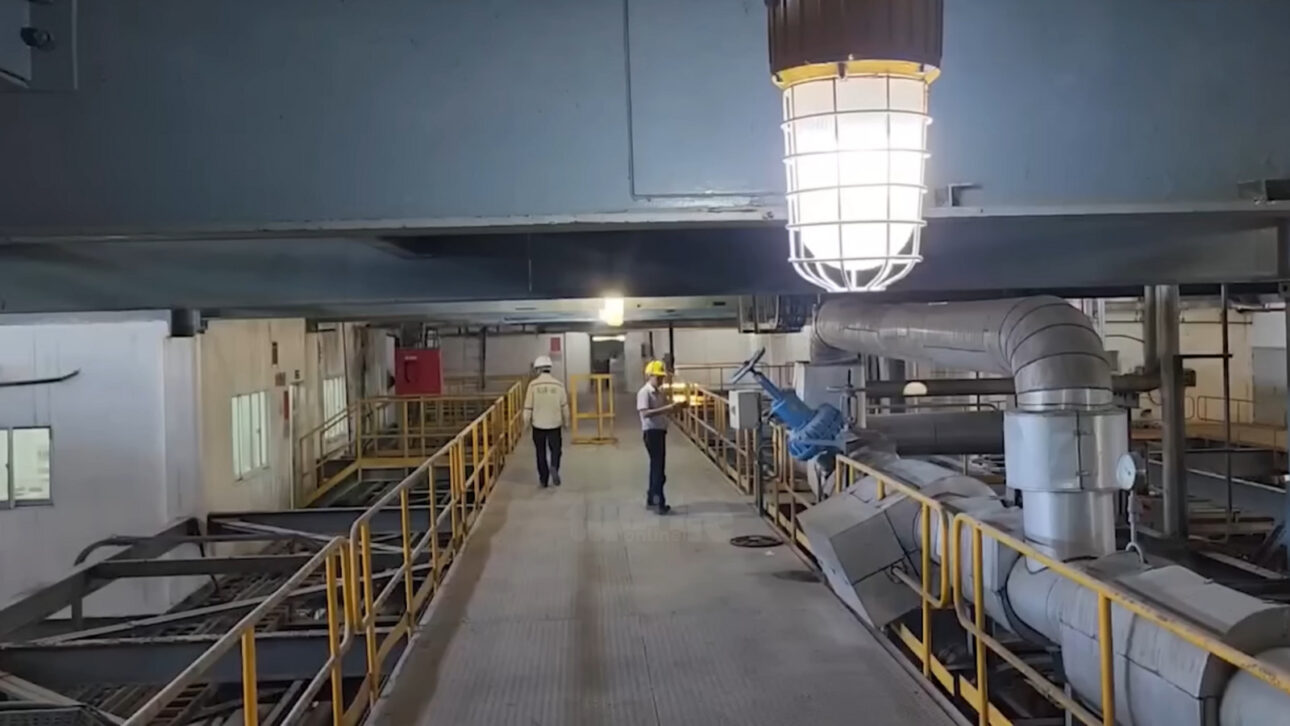
ISI Biomassa has two TCR® units installed and operating. Fraunhofer says they are different sizes:
| Unit | Scale | Capacity |
|---|---|---|
| TCR2 | Laboratory | 2 kg of biomass per hour |
| TCR30 | Pilot | 30 kg of biomass per hour |
Using both scales, the companies first test small quantities in the lab, then validate the process at pilot scale. Only then do they decide whether it is worth investing in a larger plant. For comparison, the technology’s largest demonstration unit, operated by Fraunhofer in Bavaria, Germany, processes 12 metric tons of waste per day.
An institute established with German support
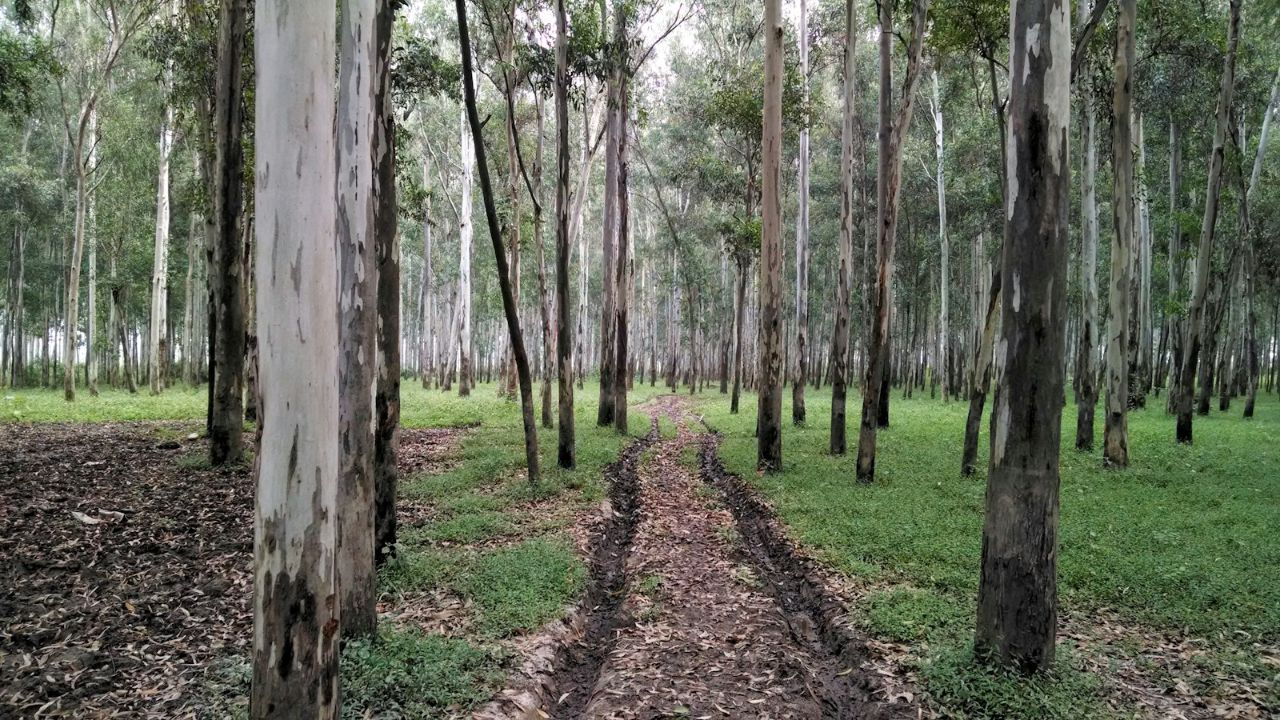
The Senai-Fraunhofer relationship goes back a long way. The Senai Institutes of Innovation network was inspired by the Fraunhofer network and established with its consulting support. The Biomass Innovation Institute (ISI Biomassa) opened in December 2017 and occupies 4,500 square meters in Três Lagoas, a city known as a hub for the pulp and eucalyptus industries.
Companies are already testing their waste
Companies are already bringing their waste to the facilities for testing. Senai says the work makes it possible to assess the performance of different feedstocks and generate technical data for industrial applications.
The sugarcane case
One project uses waste from Adecoagro, which operates sugarcane mills in the states of Minas Gerais and Mato Grosso do Sul. The research, called H2filter, was announced in 2024 and is testing renewable hydrogen production from three byproducts of the sugar and bioenergy industry: straw, bagasse and filter cake, a residue from the process of clarifying sugarcane juice.
According to Fiems, the project is funded by Embrapii and BNDES, with technical support from Fraunhofer UMSICHT. The plan calls for successive stages: laboratory tests, adjustments for regional conditions, validation at pilot scale and, eventually, possible industrial-scale production.
Where the technology could be used
The partnership aims to adapt the technology to conditions in Brazil and to the types of waste available in the country. Senai says potential applications under study span several sectors:
- agriculture;
- biorefineries;
- steelmaking;
- petrochemical and chemical industries.
Potential products include biofuels, biochar and renewable feedstocks. In steelmaking, for example, biochar could replace some fossil-based coal.
Hydrogen without electrolysis
The technology also opens another pathway for renewable hydrogen. The best-known route today is electrolysis, which uses electricity to split water molecules. TCR® produces hydrogen from biomass. For a country with large agricultural output, this could turn a waste-disposal problem into a source of raw material.
ISI Biomass has already achieved other results using waste. The institute secured its first international patent with the Macrofuel project, which converts aquatic plants removed from hydroelectric reservoirs into biofuel.
What comes next
The next step is to move beyond the pilot scale. The units in Três Lagoas allow companies to test their waste and decide whether investing in industrial plants is worthwhile. The award gives the project international visibility, and the 10,000 euros strengthen cooperation. Companies interested in testing their waste can contact the SENAI Institute of Innovation in Biomass in Três Lagoas.


