





 Portuguese
  English
  Spanish
  3 min of reading


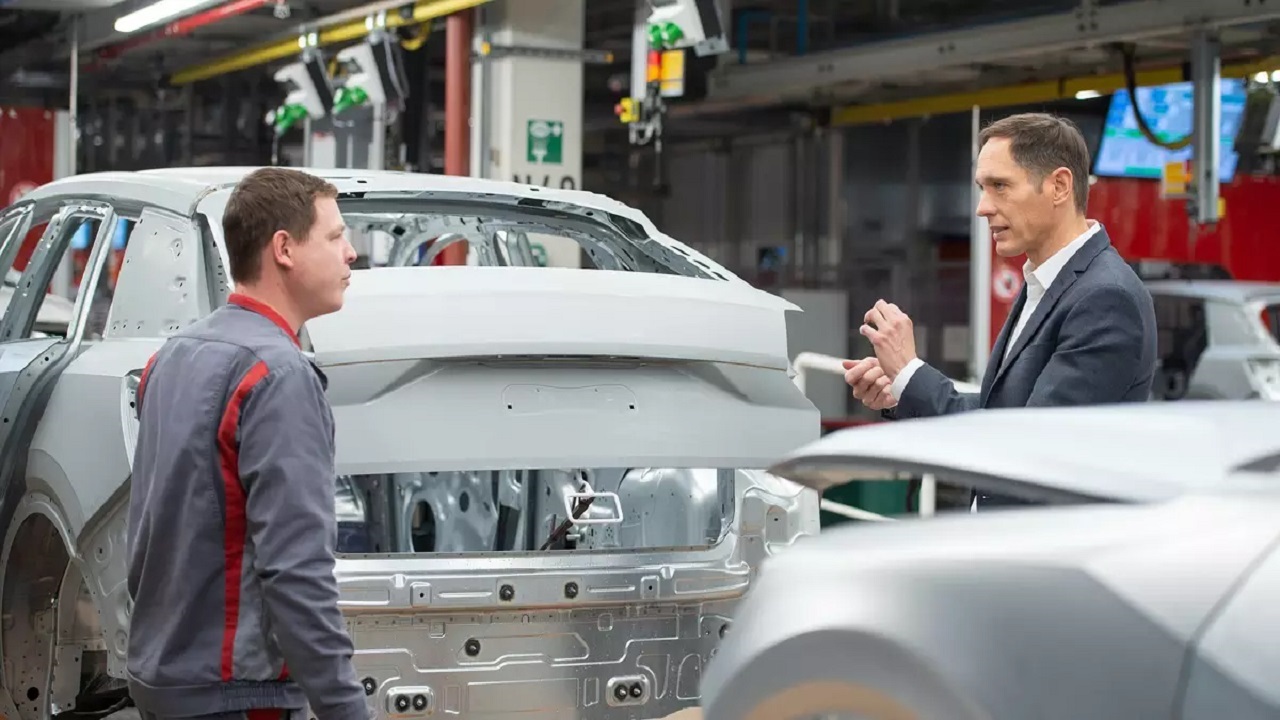
In About 6 Years, The German Automaker Audi May Start Its Production Of Electric Cars In Brazil. The Company’s Expectation Is That, By 2033, Its Foreign Units Will Produce Only Electric Cars.
In 2029, in about 6 years, the German Audi may begin its production of electric cars in Brazil. This data was interpreted as a real opportunity after an announcement made on January 3 by the Board Member for Production and Logistics, Gerd Walker. At the time, it was stated that, by 2029, all Audi units will produce at least one electric car, and by 2033 only electric vehicles will be produced.
Production Of Combustion Cars May Be Gradually Phased Out
The press office of Audi’s electric vehicle segment, for its part, stated that depending on local conditions, the production of combustion vehicles will be gradually phased out by the beginning of the next decade.
The aim is to have electric car production in all units by 2029. There Is No Confirmation Of Electric Car Production In Brazil and the information does not directly confirm the rumors; however, there is a chance that this will happen in the coming years.
-
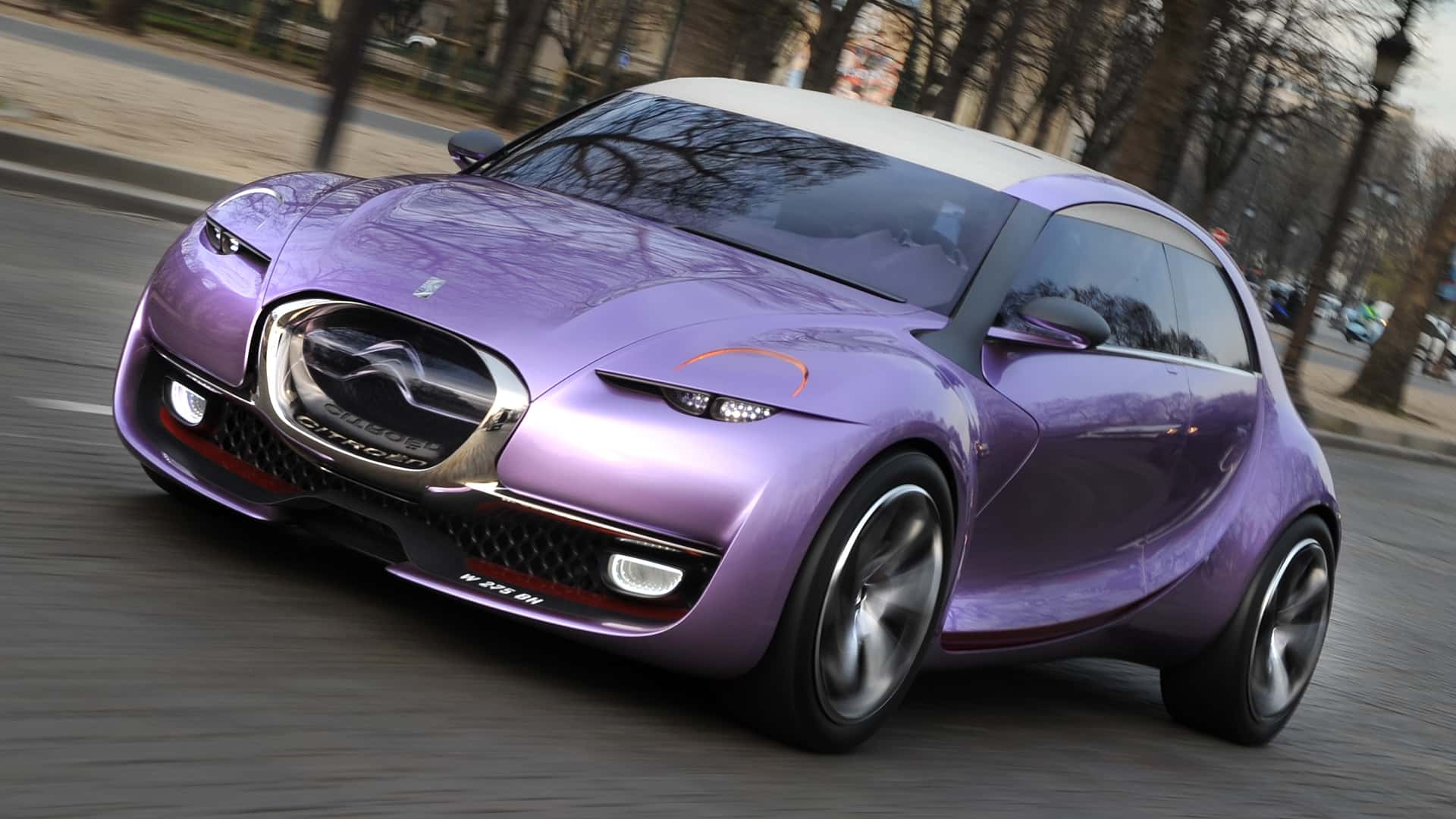
After decades out of the spotlight, Citroën is preparing to bring back the legendary 2CV as a low-cost electric vehicle, betting on the revival of one of the most popular cars in history and aiming to enter the race for affordable compact cars.
-
The German economist Wolf-Peter Schill has no doubts: “Electric cars are already far superior to cars with internal combustion engines.”

-
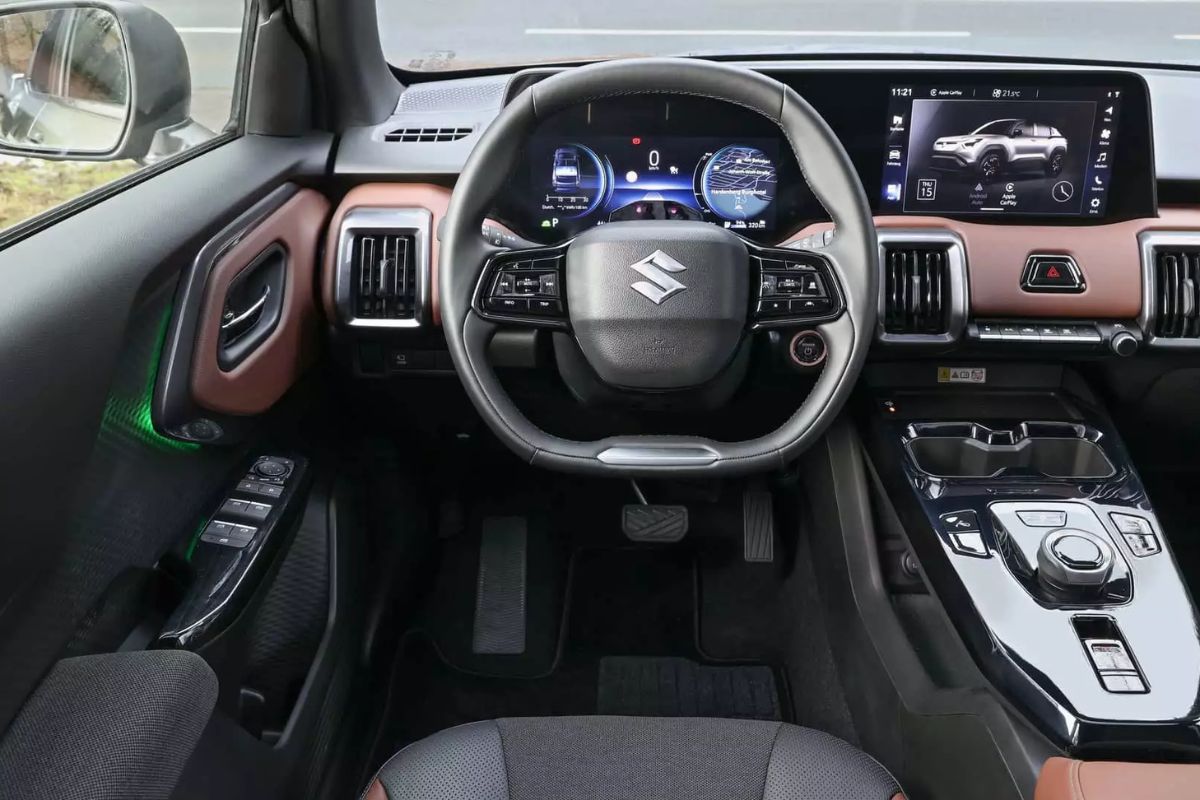
The 2026 electric Vitara arrives in Brazil and proves that Suzuki is not leaving: 4×4 traction, 184 hp, 61 kWh LFP battery, 293 km range, R$ 259,000, and a trunk capacity of 224 L.
-
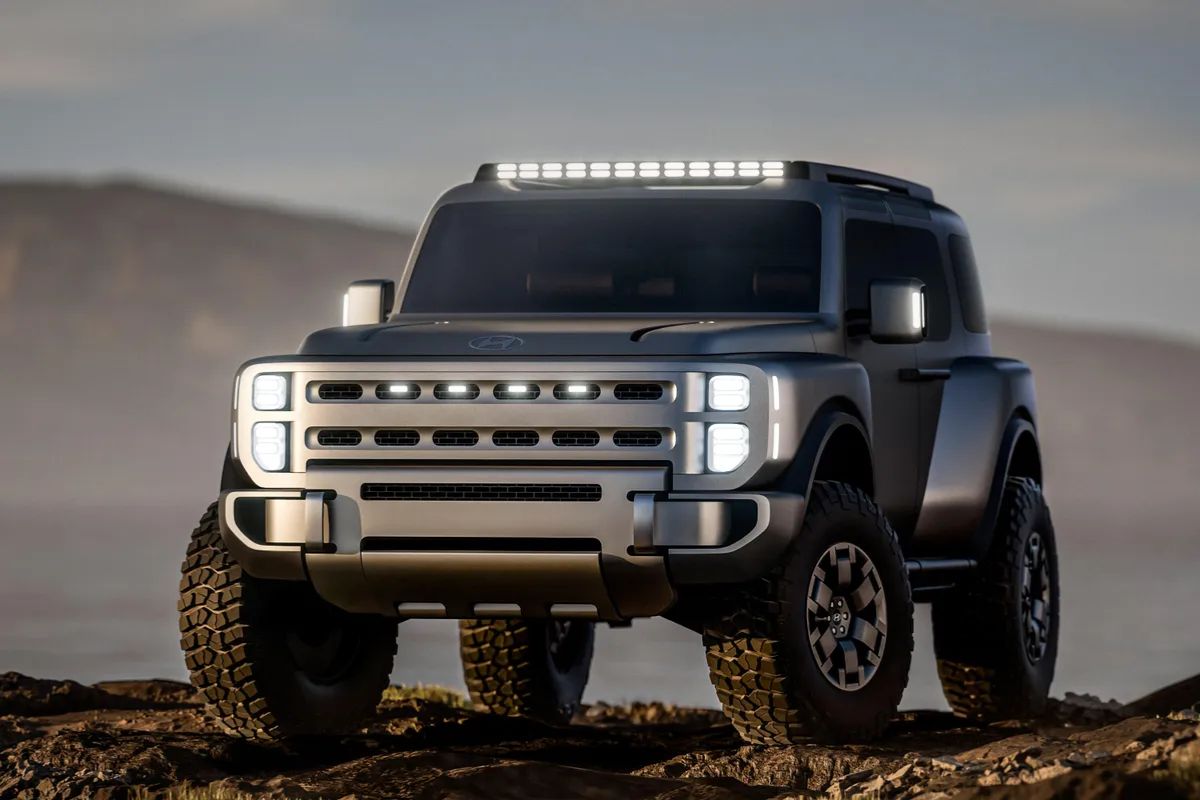
Hyundai has unveiled the Boulder, a square SUV with a body-on-frame design, 37-inch mud tires, and carriage-style doors that seems to be made to take on the Ford Bronco and the Scout Traveller in the United States.

The Audi Q6 e-tron, starting next year, will be the first fully electric car manufactured in the production line in Ingolstadt, Germany. Also in Audi’s home country, but in the Neckarsulm line, as well as in Mexico, in San José Chiapa, and in Hungary, in Gyor, production will gradually ramp up.
According to Walker, step by step, Audi is bringing all its units into the future, investing in its current plants so that they are as efficient and flexible as a unit installed from scratch. In China, the company is looking for a location for electric car production by the end of next year, specifically in Changchun.
Will Audi Produce Only Electric Cars In Brazil?


Currently, the German automaker has a factory shared with Volkswagen located in São José dos Pinhais (PR). At the moment, the Q3 SUV is being produced, but there are no signs of interest in a fully electric direction in Brazil, considering that the costs involved are enormous and there is total exemption for the import of fully electric cars.
As the years go by, the expectation is that the scenario may change, but this is uncertain for now. General Motors, one of the key players in this region, is developing its projects to sell its fully electric model, even in the Brazilian market, without going through the hybrid phase.
In any case, in about 10 years, experts state that they will either abandon the market, focusing only on imports, or invest in electric alternatives in their factory. We can only wait to see how this story unfolds.
Audi Invests In Fast Chargers For Electric Cars In Brazil
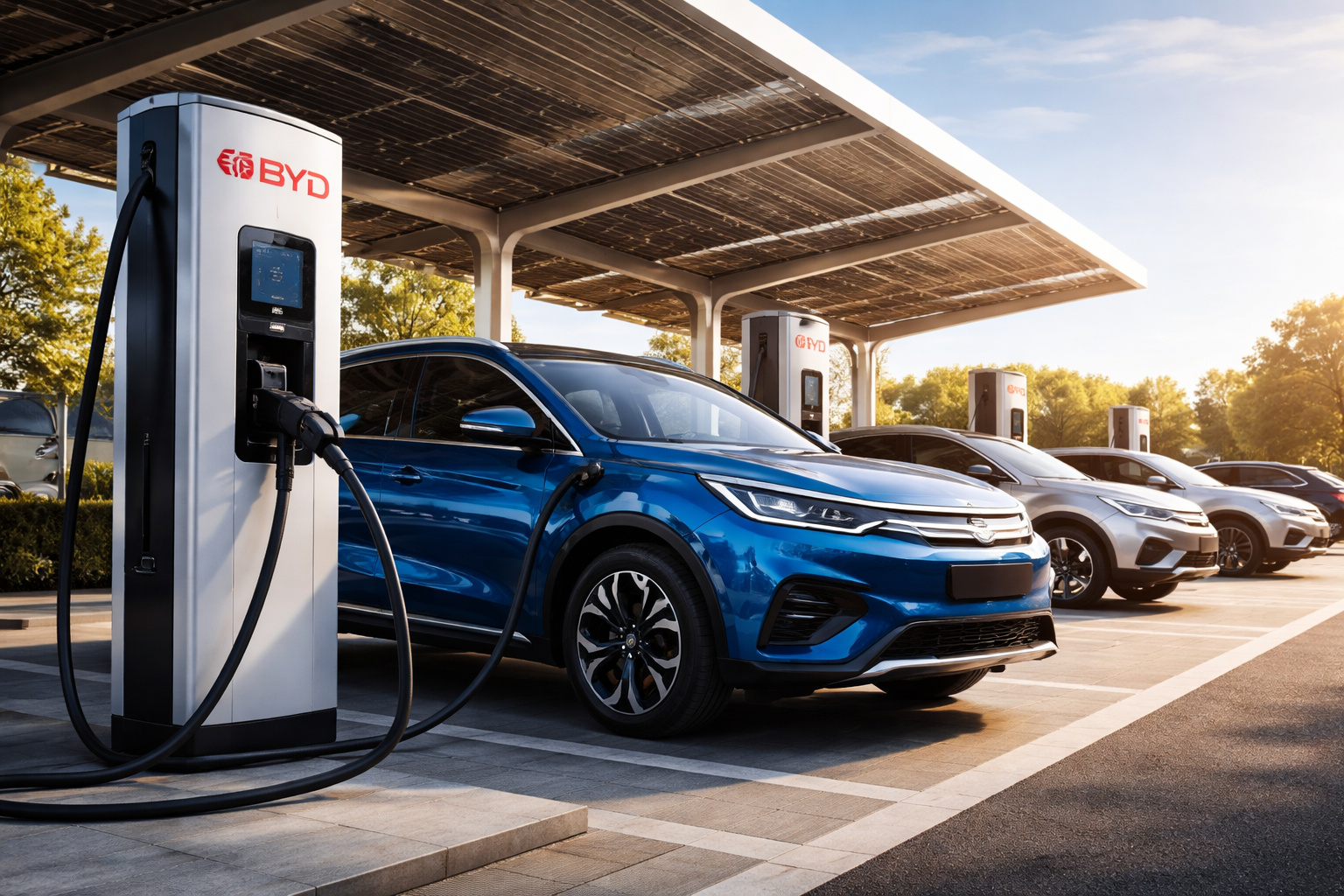
Audi announced last year new investments in the electric car sector in Brazil, with the expansion of its network of authorized dealerships to sell this type of vehicle, as well as the installation of ultra-fast chargers at the brand’s stores throughout the country.
The automaker has already opened its first ultra-fast charging station at its Audi Center Alta da XV dealership in Curitiba (PR), with a 150 kW charger. The company emphasizes that it is one of the leaders in electric car sales throughout Brazil, with 26 units sold over the past year.
It is important to remember that Audi, in general, has sold 429 electric cars up to November 2022, representing an 87% expansion compared to the previous year.







Seja o primeiro a reagir!