





 Portuguese
  English
  Spanish
 2 min of reading


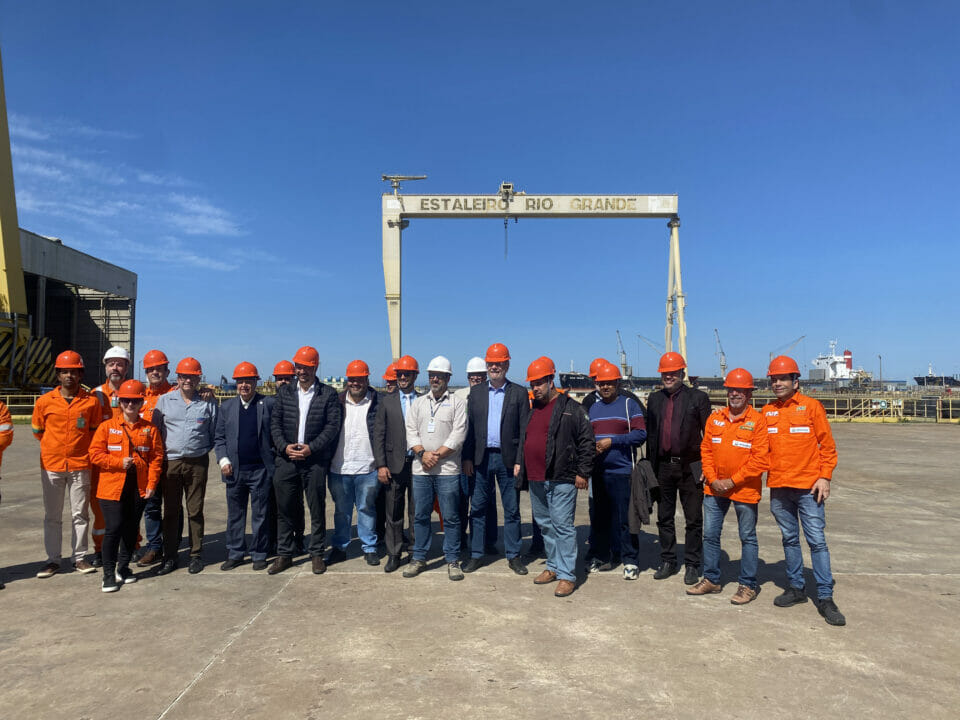
Parliamentary Front Explores Potentials and Challenges of the Naval Sector
The combination of robust infrastructure and a visionary outlook on the future has made the Estaleiro Rio Grande (ERG), managed by Grupo Ecovix, the center of attention for the Parliamentary Front in Defense of the Naval Industry. During a recent technical visit, the parliamentary group was impressed with the shipyard’s readiness to resume operations and the urgent need for sustainable policies for the sector. Congressman Alexandre Lindenmeyer (PT), who chairs the Front, highlights the imperative of long-term policies, avoiding short-term approaches.
Focus on Training and Future
Ricardo Ávila, the shipyard’s operational director, not only introduced the impressive structure of ERG but also emphasized the importance of anticipating the future demands of the sector. He highlighted the need for ongoing workforce training and development. “Although we have enough professionals now, we need to look ahead. We must train those who will stand out in the coming years, responding to the growing demands that the market promises,” emphasized Ávila.
Currently, the shipyard is dedicated to the renewal and repair of vessels. Its latest achievement was an extensive service carried out on the ODN I drillship, from Foresea, mobilizing around 700 professionals. And the good news doesn’t stop there: in November, ERG will receive the P-32 platform from Petrobras for complete dismantling. This project, which will last nearly a year, promises to create 200 new jobs. The metal waste from this project will find a new purpose, serving as raw material in steel production by Gerdau, a strategic partner of Ecovix.
-
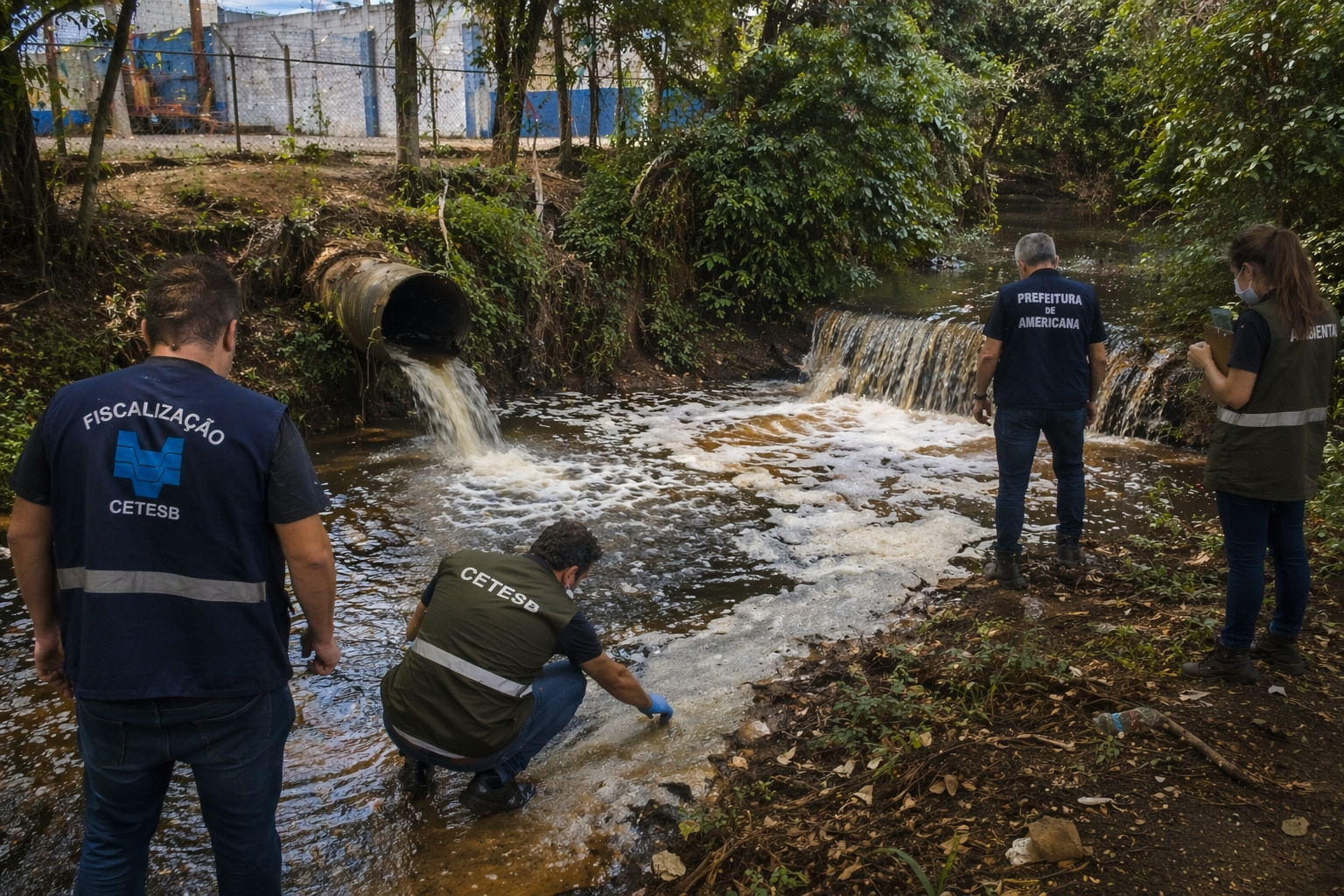
A fine of R$ 115 thousand places Goodyear at the center of an environmental case in Americana after oil and grease appeared in a stream and the company was required to act quickly.
-
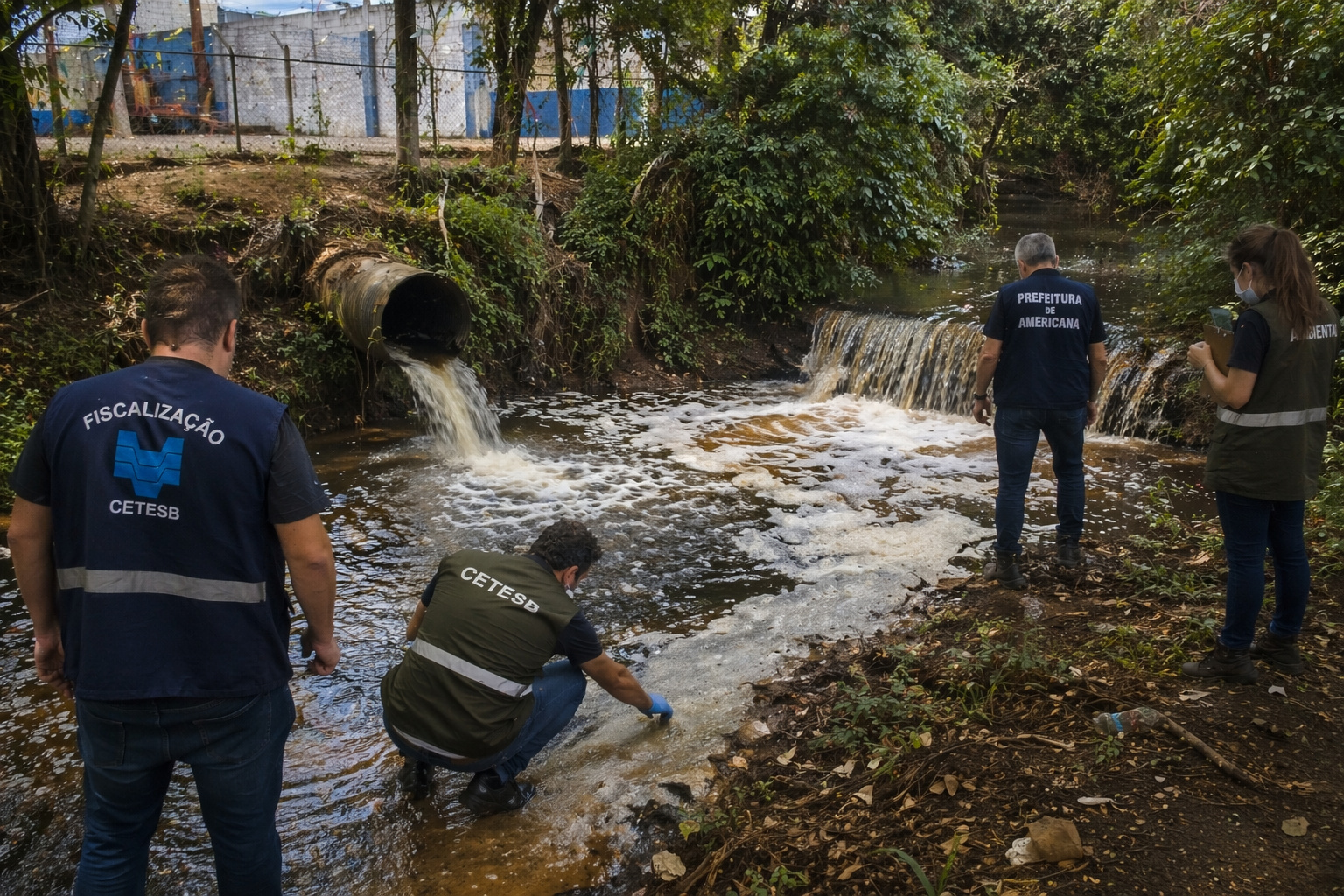
A fine of R$ 115 thousand puts Goodyear at the center of an environmental case in Americana after oil and grease appeared in a stream and the company was forced to act quickly.
-
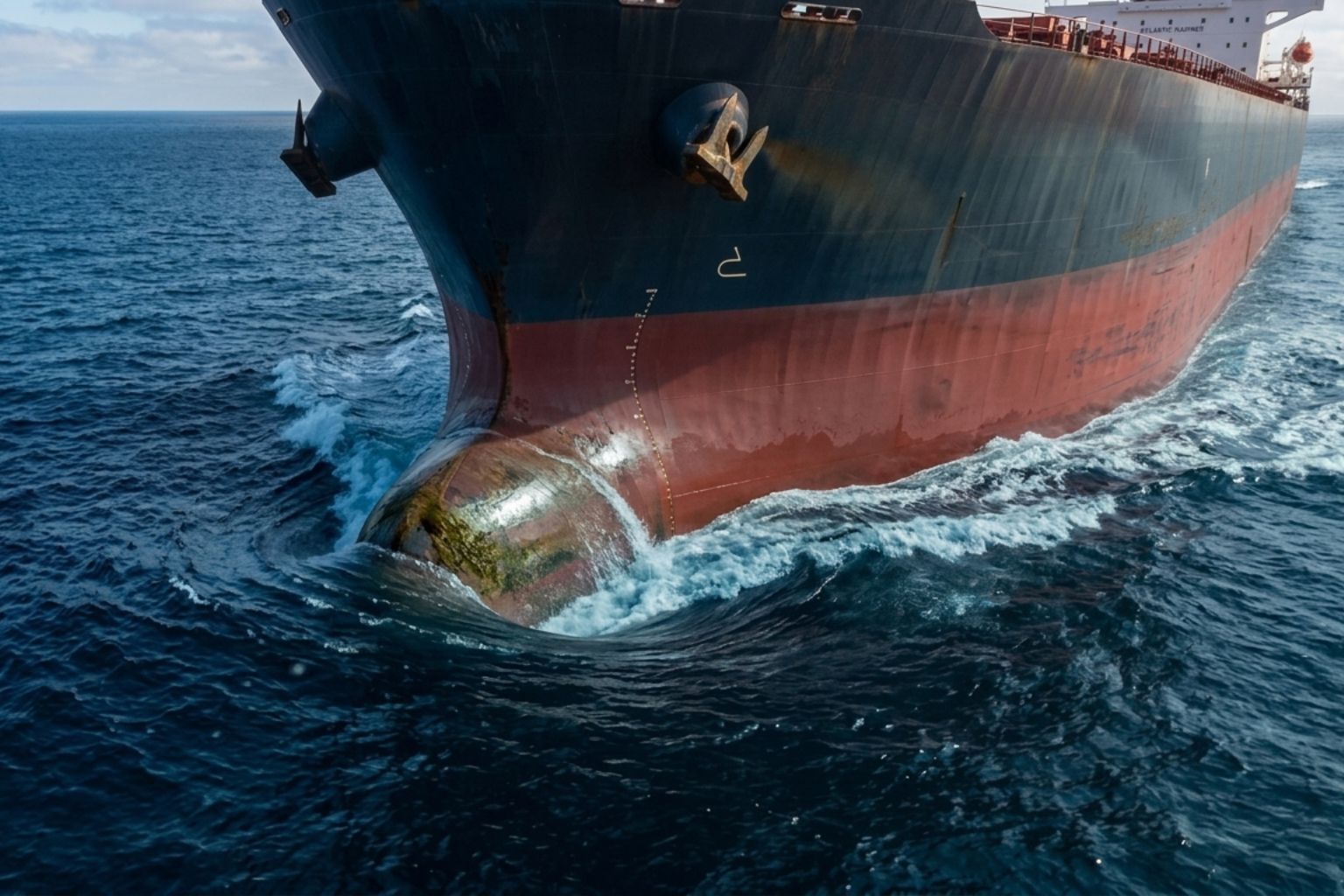
A hidden metal piece in the bow redesigns the water flow, reduces drag, and can save over 10,000 tons of fuel per year; this invisible solution allows giant ships to cut millions in costs without changing engines or routes.
-
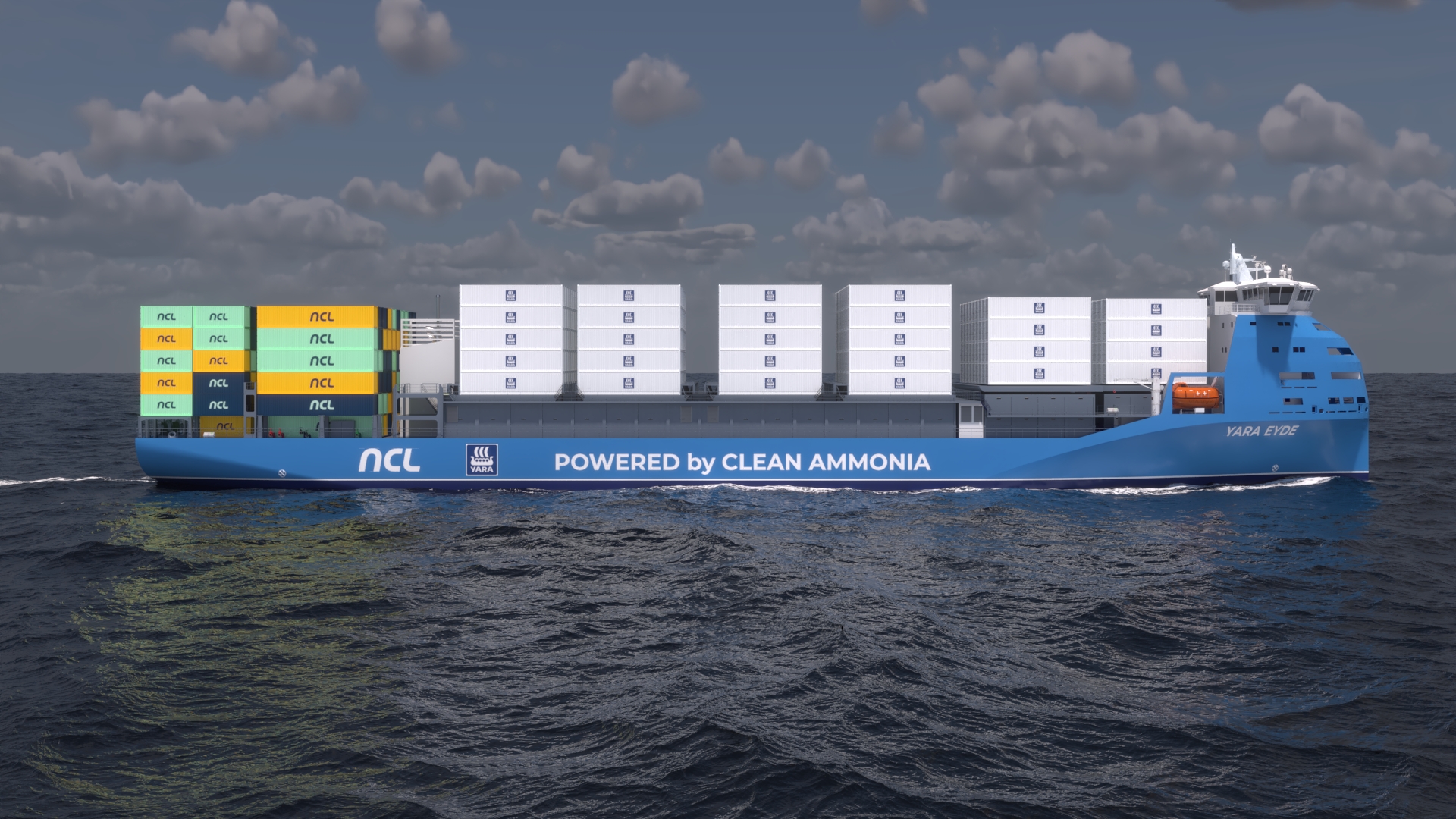
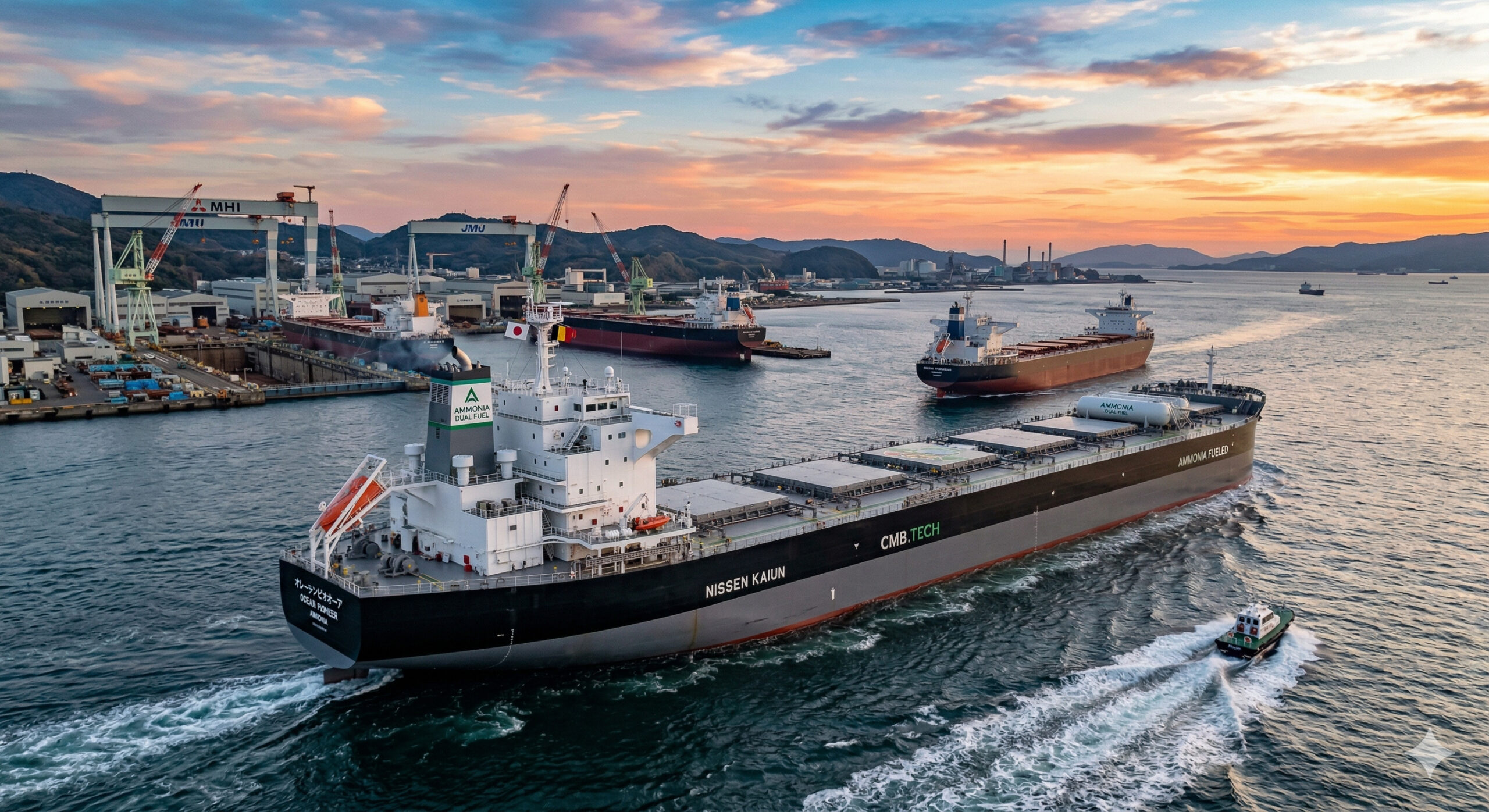
The world’s first container ship powered by renewable ammonia promises to avoid around 11,000 tons of CO₂ per year. The vessel, scheduled to operate in 2026, will connect Norway, Germany, and the Netherlands on one of the shortest and most strategic routes in Europe.
Rio Grande do Sul at the Forefront of Naval Recovery
This meeting underscored the vitality of positioning Rio Grande do Sul as a protagonist in the recovery of the naval industry. The intent is to leverage new contracts, capitalizing on the inherent capacity of the state. The Parliamentary Front, in its ongoing commitment to the sector, plans to launch a comprehensive report by the end of 2023. This document will detail the initiatives already taken and provide a precise diagnosis, accompanied by recommendations, to revive the naval industry in Brazil.
Source: Antônio Purcino







Seja o primeiro a reagir!