





 English
  Francês
  Alemão
  Italiano
  Japonês
  Norueguês
  Portuguese
  Spanish
  3 min of reading
  0 comments


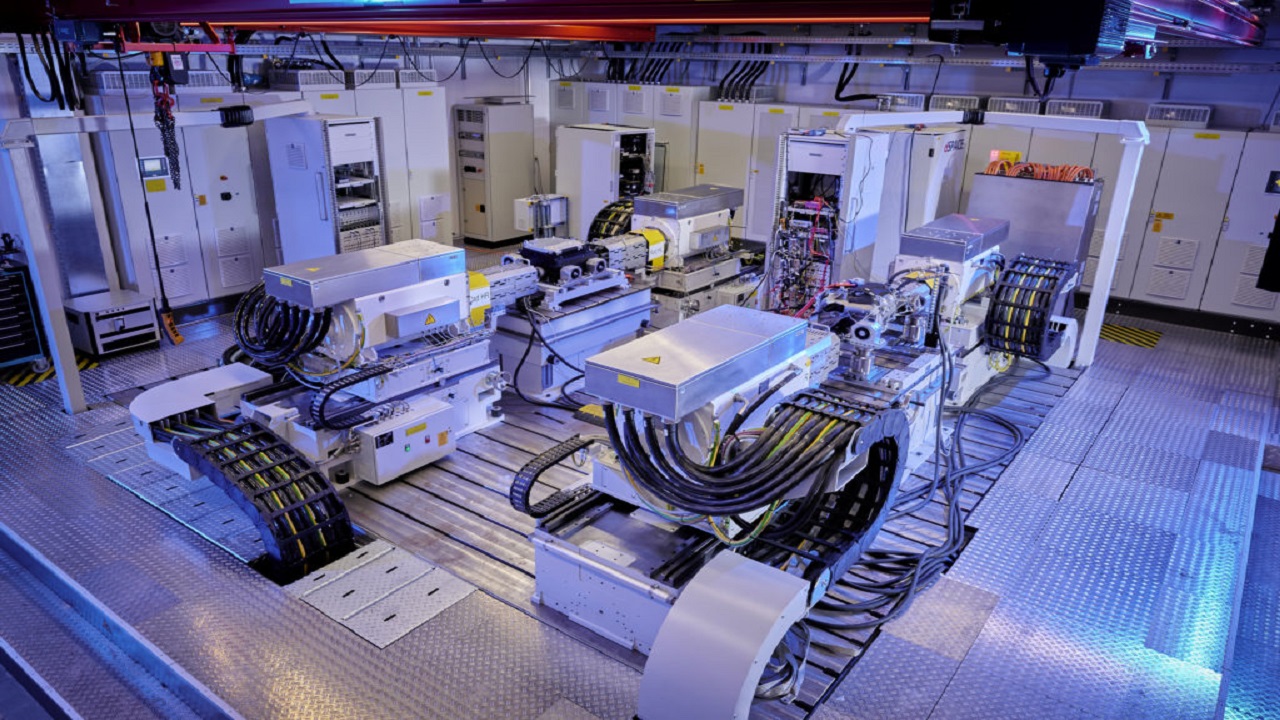
Ford and BMW Invest in Solid Power for the Development of Solid-State Batteries. The First Production and Testing of Batteries for Electric Cars is Scheduled for Early Next Year.
Long anticipated in the automotive sector, solid-state batteries for electric cars are beginning to take shape, at least in terms of testing. The latest joint venture is being formed by BMW and Ford. The two companies announced their investments in the American company, Solid Power, which is responsible for developing automotive batteries in 2017.
Read Also
Solid-State Batteries May Replace Lithium-Ion Ones
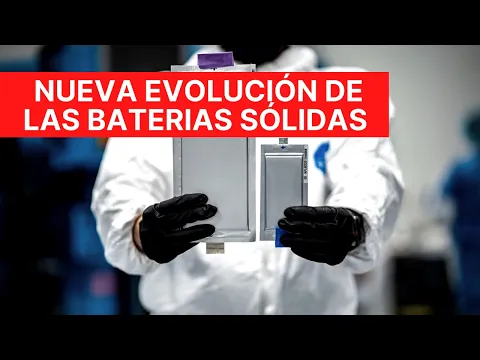

The first test production of the new batteries is set to begin in 2022, and its production line will focus on manufacturing a solid electrolyte material based on sulfide aimed at providing space for a production line focused on 100 A battery cells.
Solid-state batteries have gained considerable popularity and are seen as the future for electric and hybrid cars, potentially replacing the currently used lithium-ion ones.
-
São Paulo surprises the world with a colossal railway network project that promises over 1,000 km of tracks, R$ 194 billion in investments, and 40 projects connecting the capital to the interior with fast and sustainable trains.
-
The world’s largest escalator, measuring 905 meters in China, reduces urban travel time from 1 hour to about 20 minutes and transforms mobility in mountainous regions with an engineering solution adapted to the terrain.

-
A R$ 300 million logistics giant is taking shape in Serra with over 100,000 m² and raises a question: how can this transform e-commerce and distribution in the state?

-
Could Uber Rides Lose Minimum Fare? Understand What’s Happening!


Although these batteries face some production challenges, they offer greater energy density, lower costs, and a longer expected lifespan. Additionally, lithium-ion batteries are considered more prone to fire due to overheating.
CEO of the Company Developed by Ford and BMW Speaks Out
Doug Campbell, CEO of Solid Power, stated that the company strongly believes that the problems currently faced by Hyundai and General Motors could be easily resolved with a solid-state battery.
BMW and Ford are also heavily investing in the product, having invested US$ 130 million in Solid Power this May. The companies aim to begin road testing in electric vehicles by 2025, potentially bringing them to market by 2030.
Japanese automakers are making significant strides in this field, with Toyota showcasing vehicles equipped with solid-state batteries ahead of competitors in early last year and Nissan expected to follow suit by the end of the 2020s.
Volkswagen Invests in Niobium Batteries
To advance further in the electric sector, Volkswagen and CBMM recently closed a deal to produce electric vehicles powered by niobium batteries. Under the agreement, CBMM will supply the German automaker with batteries to manufacture electric cars at its factory in Resende.
The company plans to produce 5,000 cells and, in addition to the multinational company, another 25 electric vehicle manufacturers will also receive the cells. According to Ricardo Lima, the vice president of CBMM, the product offers greater durability, lifespan, and excellent safety compared to lithium-ion ones, with electric cars using niobium batteries achieving a range of 350 km, which is quite close to that of combustion engines.







Seja o primeiro a reagir!