





 Portuguese
  English
  Spanish
  4 min of reading
  0 comments


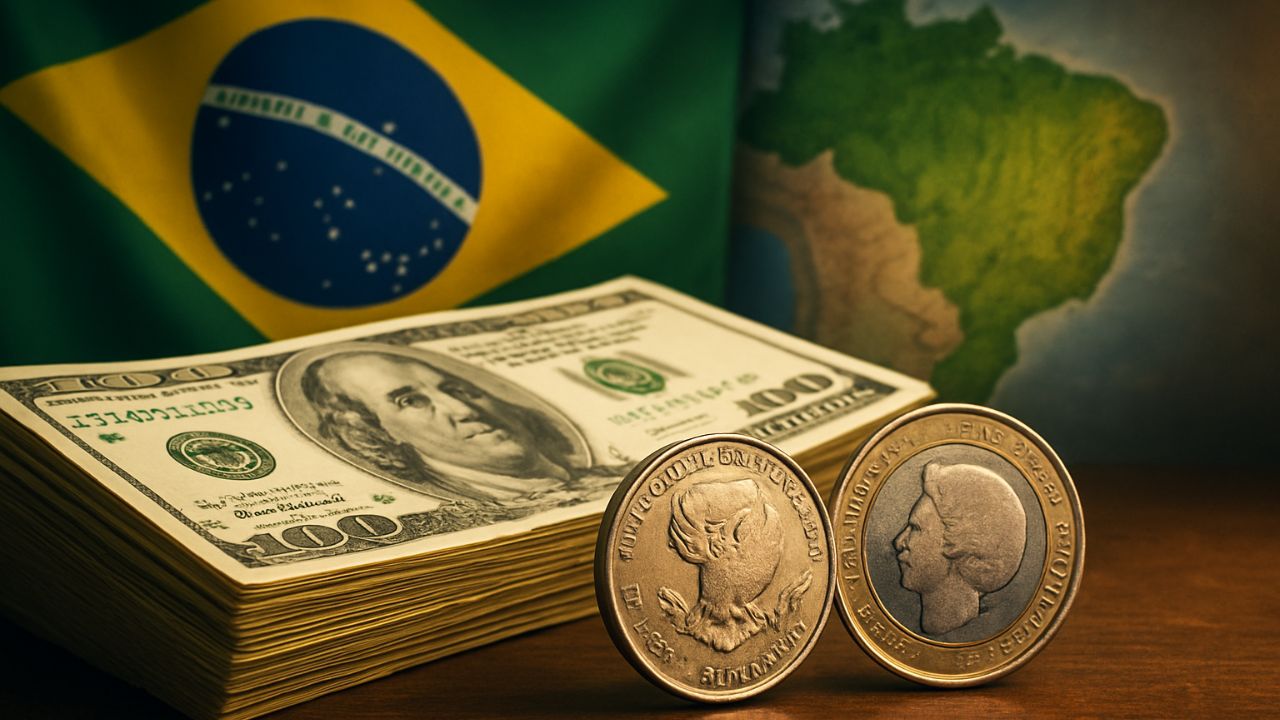
Study By Central Bank Reveals That, When Tracking The Final Controller Of Money, Netherlands Lose Positions, Exposing The Role Of Tax Havens In Capital Flows.
The Central Bank has released a new ranking detailing the main investing countries in Brazil, with the United States firmly in the lead with a volume of US$ 232.8 billion. This information, part of the foreign capital census published by Agência Brasil, reveals an important methodological change that altered the perception of the origin of capital flowing into the country, showing who truly controls the resources.
The main change in the ranking was the fall of the Netherlands to fifth place. This happened because the new analysis by the Central Bank now identifies the “final controller” of the investment, disregarding money transit routes, such as tax havens, which are used by large corporations to optimize their tax burden. The change sheds light on the complex financial engineering behind direct investments that drive the Brazilian economy.
The Overall Picture Of Foreign Investment In Brazil
According to data from the Central Bank’s census, Brazil has reached a record stock of US$ 1.141 trillion in foreign direct investment. This amount represents 46.6% of Gross Domestic Product (GDP), the highest percentage ever recorded in the historical series, highlighting the strong dependence of the national economy on external capital to finance its development and operations.
-
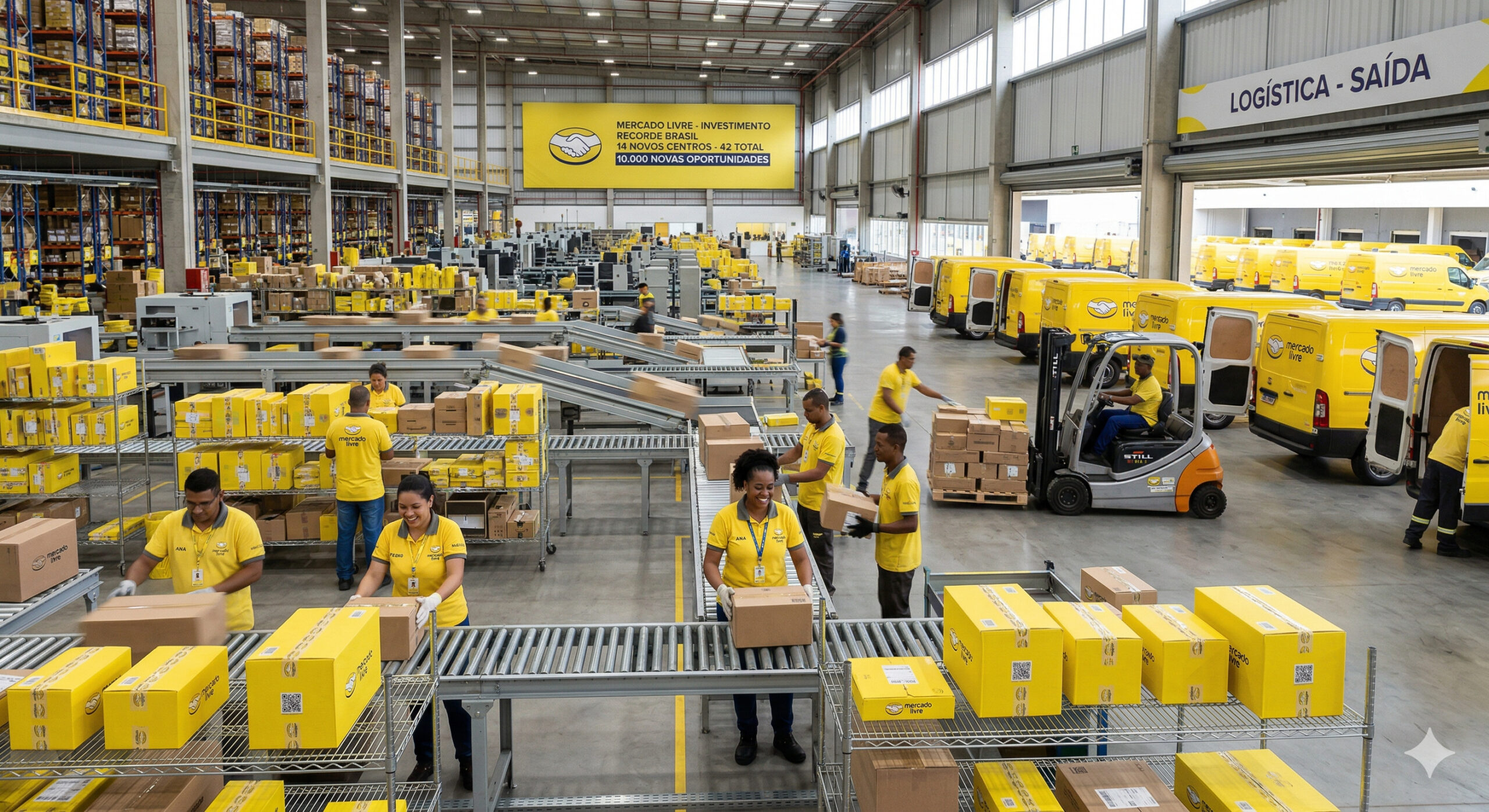
Mercado Livre “opens the vault” and announces a record investment of R$ 57 billion in Brazil in 2026, a value 50% higher than the previous year, with an expansion plan that includes 14 new logistics centers, totaling 42 units in the country and hiring an additional 10,000 employees.
-
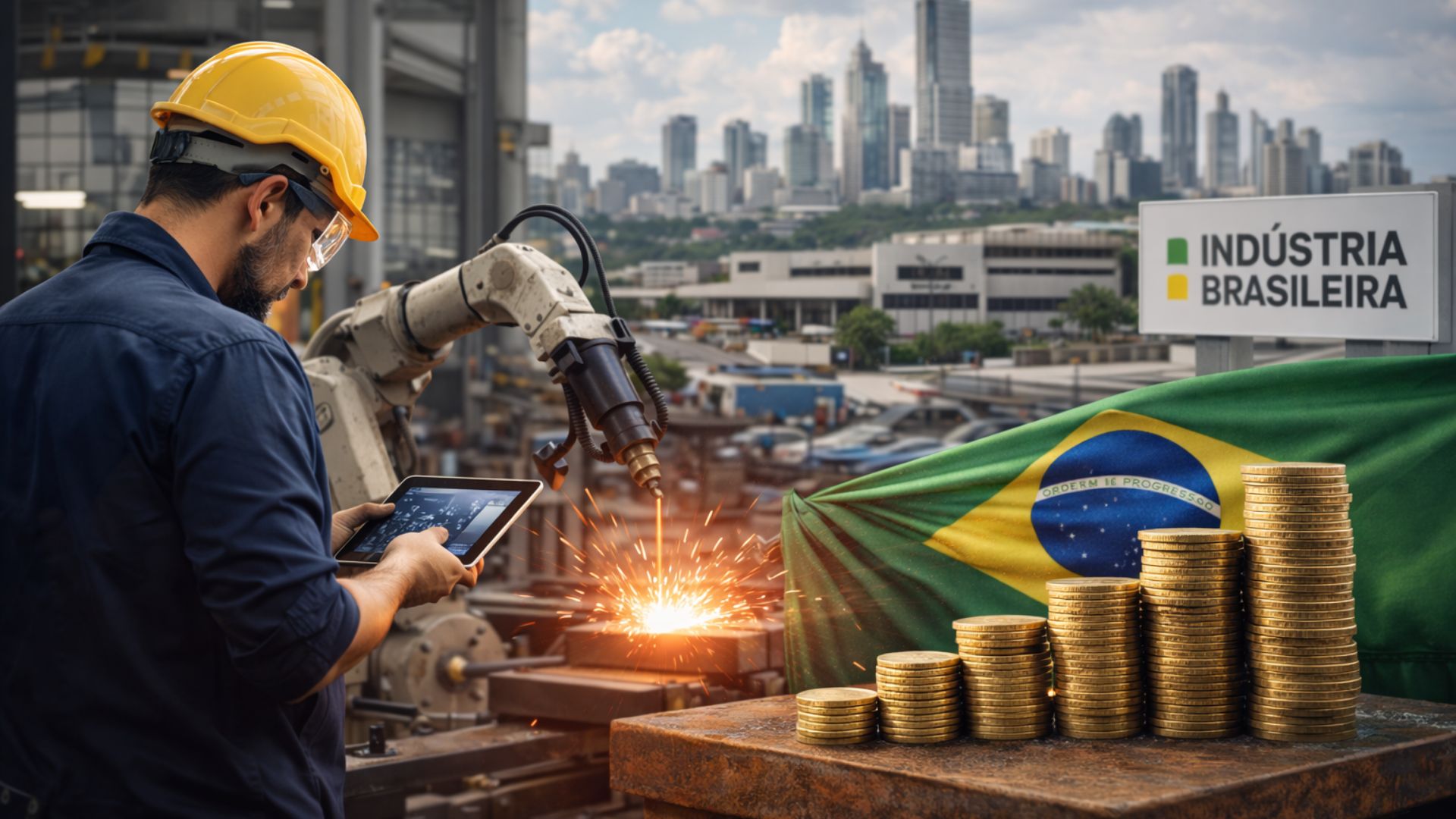
How investment in technology can revolutionize the national economy and enhance industrial gains, according to a study that highlights the direct impact on productivity, innovation, and wealth retention within Brazil.
-
The largest food company on the planet, JBS, has just opened a 4,000 square meter laboratory in Florianópolis to develop customized proteins that modulate muscle mass gain, immune response, and metabolic performance.

-
After nearly 30 bids and competition among industry giants, a Spanish company purchases one of the largest airports in Brazil for almost R$ 3 billion and takes over the management of Galeão in a concession that will last until 2039.


As detailed by the Agência Brasil, the Central Bank divides this amount into two main categories. The majority, amounting to US$ 884.8 billion, refers to direct participation in the equity capital of nearly 19,000 companies established in the national territory. The other US$ 256.4 billion is classified as intercompany operations, which function as loans between units of the same corporate group, a common practice among multinationals.
The Crucial Difference: Instant Investor Vs. Final Controller
The significant change in the analysis lies in the distinction between the “instant investor” and the “final controller”. The traditional list, which considers the immediate origin of resources, positioned the Netherlands and Luxembourg in prominent places. However, this configuration masked the true origin of the capital, as many of these countries act as intermediaries.
Fernando Rocha, head of the Statistics Department of the Central Bank, explained to Agência Brasil that this previous methodology identified “the country where the company that is immediately the owner of the company here is located”. He detailed that, in many cases, global corporations centralize their financial operations in jurisdictions with favorable taxation. “These are places where companies send their resources […] because they pay less tax, and from there it comes to Brazil”, he stated. Therefore, locations like Luxembourg and the Cayman Islands featured prominently.
The New Ranking: Who Are The Real Investing Countries In Brazil?
By applying the final controller methodology, the Central Bank was able to “cleanse” the effect of tax havens, revealing a more faithful map of foreign economic influence. In this adjusted scenario, the United States not only leads but controls 26% of the total, with US$ 232.8 billion. France takes the second position (US$ 69.3 billion), followed by Uruguay (US$ 58.4 billion) and Spain (US$ 50.0 billion).
In this new classification, the Netherlands drop to fifth place (US$ 48.6 billion), confirming its predominant role as a capital transit center, and not as the final origin of investment. This more precise analysis is crucial for the government and the market to understand which nations truly hold the decision-making power over a significant portion of the companies operating in the country.
Where Does The Money Go? Sectors That Attract The Most Capital
The survey released by Agência Brasil also mapped the sectors of the economy that receive the most foreign investment. The services sector leads significantly, concentrating 59% of the total, ahead of industry (29%) and the combination of agriculture and mineral extraction (12%). This distribution reflects the very structure of the Brazilian economy.
Analyzing more specifically, the leading activities in attracting external capital are financial services and their ancillary activities (22%). Following are oil and natural gas extraction (8%), trade (7%), and the electricity and gas sector (5%). In the specific case of the United States, the main investing country in Brazil, 25% of its resources are directed to the manufacturing industry, while 22% go to financial activities.
The new methodology from the Central Bank offers unprecedented transparency regarding the origin of the capital that drives the Brazilian economy, distinguishing tax engineering from strategic decision-making.
Do you agree with this change? Do you think it impacts the market? Leave your opinion in the comments, we want to hear from those who live this in practice.








-

-

-

3 pessoas reagiram a isso.