





 Portuguese
  English
  Spanish
  3 min of reading


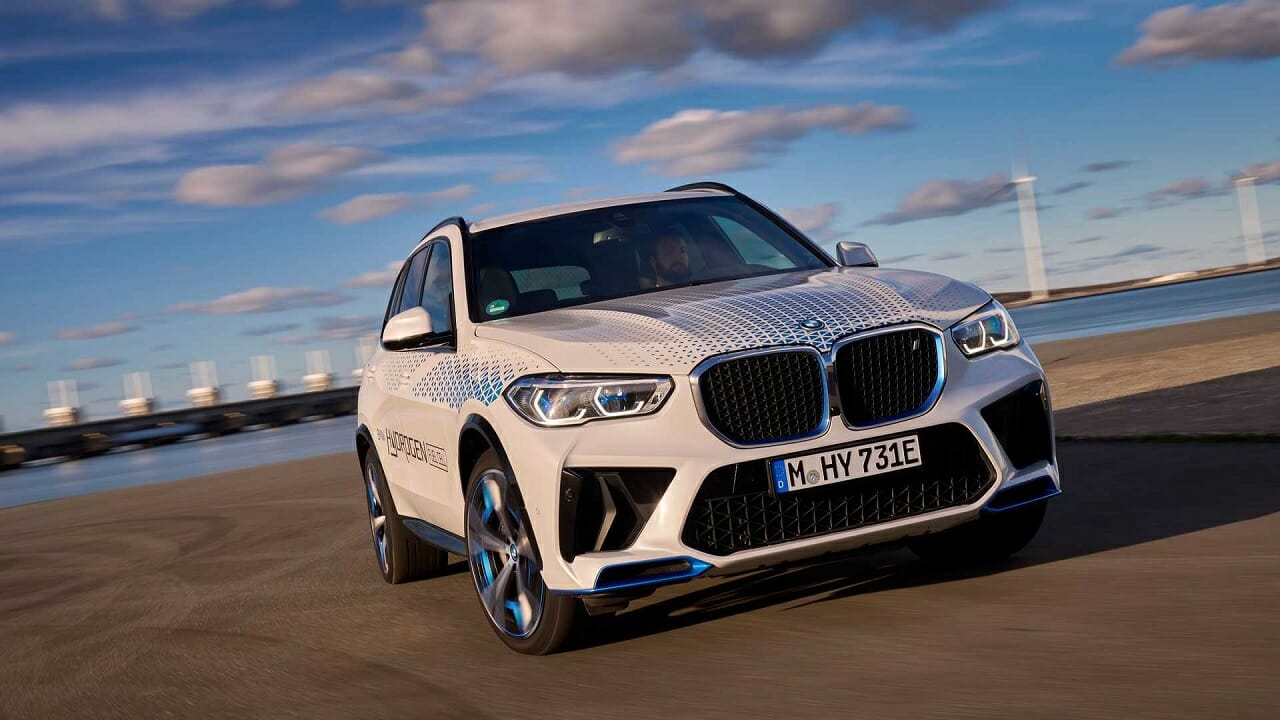
BMW iX5 Hydrogen Is The First Hydrogen Car From The German Automaker. The Hydrogen-Powered Car With 500 Km Of Range Is Currently Undergoing Tests In The United Arab Emirates.
BMW launched a fleet of hydrogen-powered vehicles in February as another way to enter the emission-free fleet sector. The model used was the BMW iX5 Hydrogen. After undergoing tests in the extreme cold of Sweden, the hydrogen-powered car is now being tested in extreme conditions in the opposite climate: in a desert in the United Arab Emirates.
BMW Claims Its Hydrogen-Powered Car Delivers Incredible Performance
In the United Arab Emirates, the propulsion system of the BMW iX5 Hydrogen faced temperatures of almost 45ºC. In addition, the hydrogen car went through a lot of sand and dust, as well as significant humidity variations.
The test is being conducted to assess the functionality of the electrical systems under extreme conditions, such as providing cooling power to enable the vehicle’s full performance, whether in the snow of Sweden or in the desert.
-
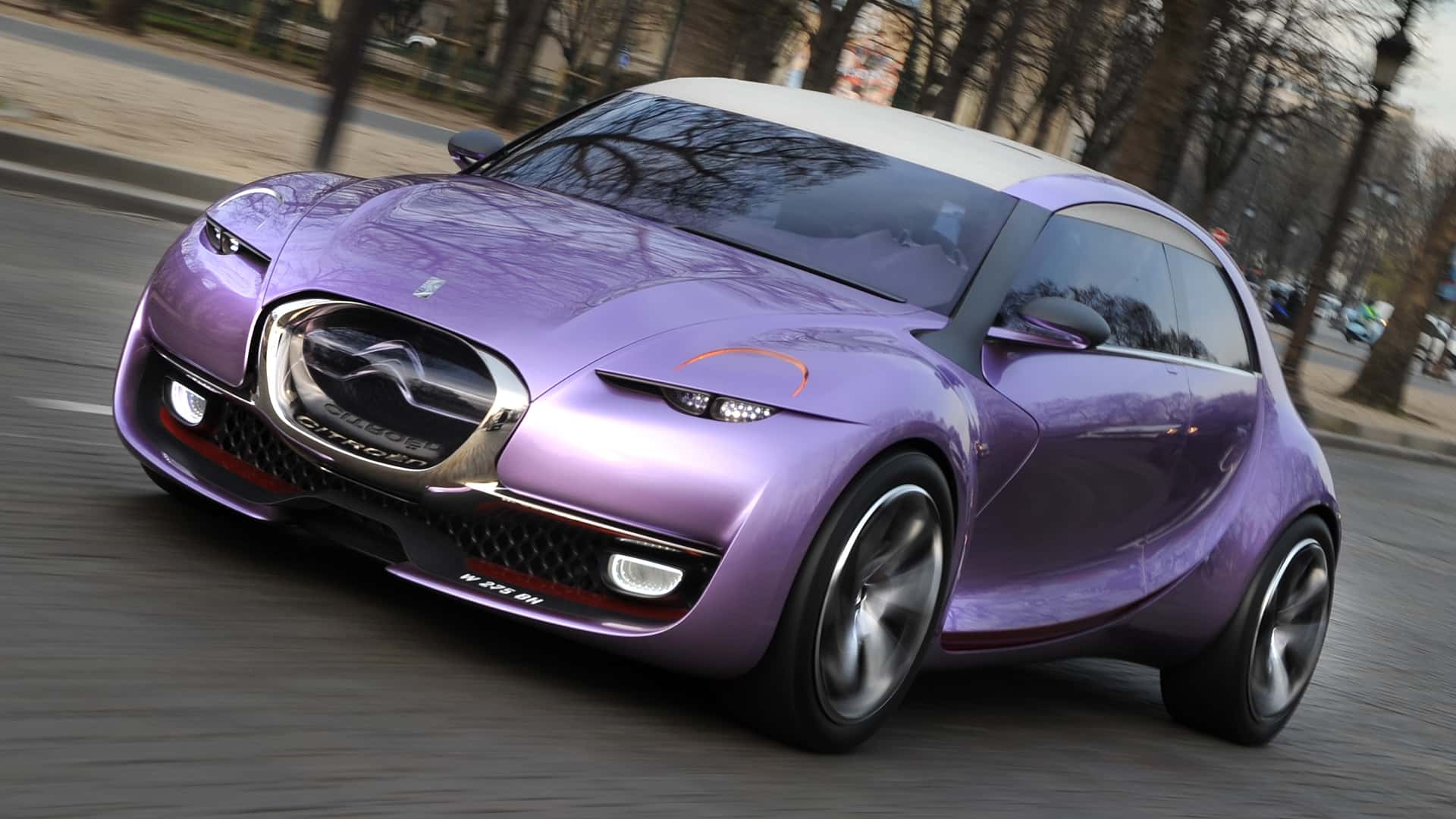
After decades out of the spotlight, Citroën is preparing to bring back the legendary 2CV as a low-cost electric vehicle, betting on the revival of one of the most popular cars in history and aiming to enter the race for affordable compact cars.
-
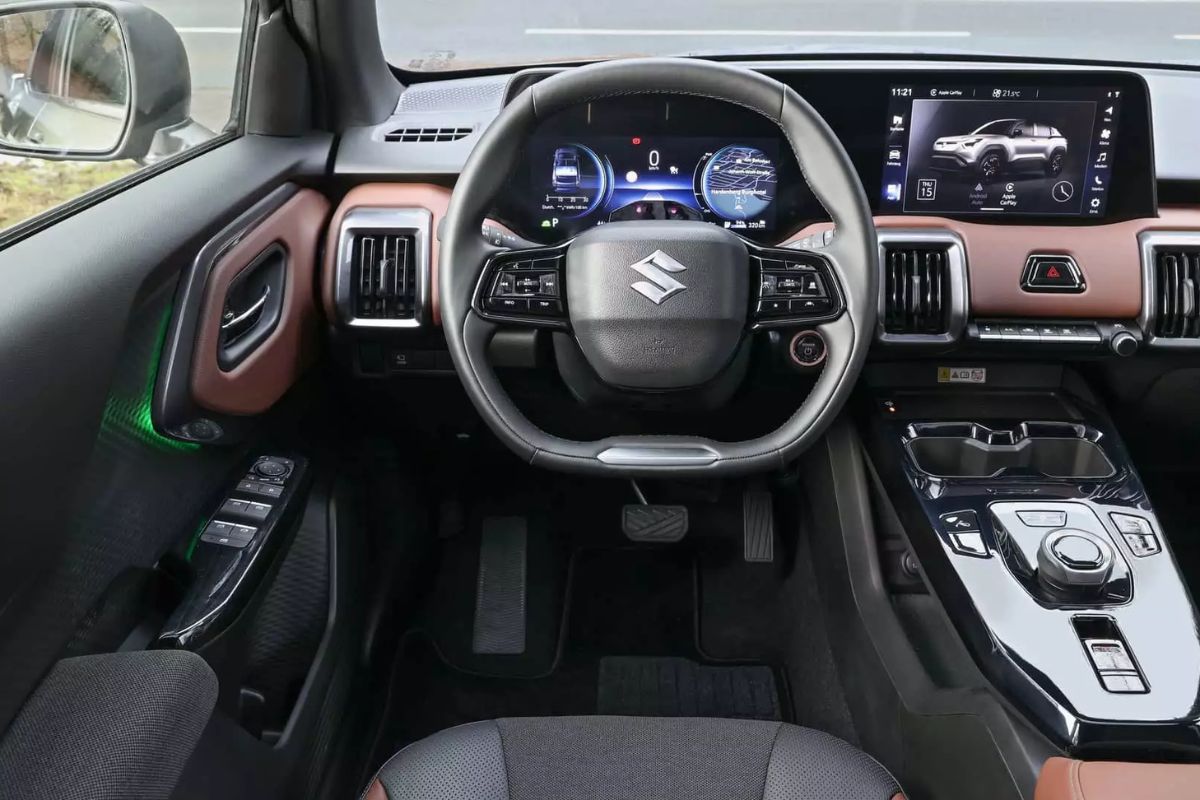
The 2026 electric Vitara arrives in Brazil and proves that Suzuki is not leaving: 4×4 traction, 184 hp, 61 kWh LFP battery, 293 km range, R$ 259,000, and a trunk capacity of 224 L.
-
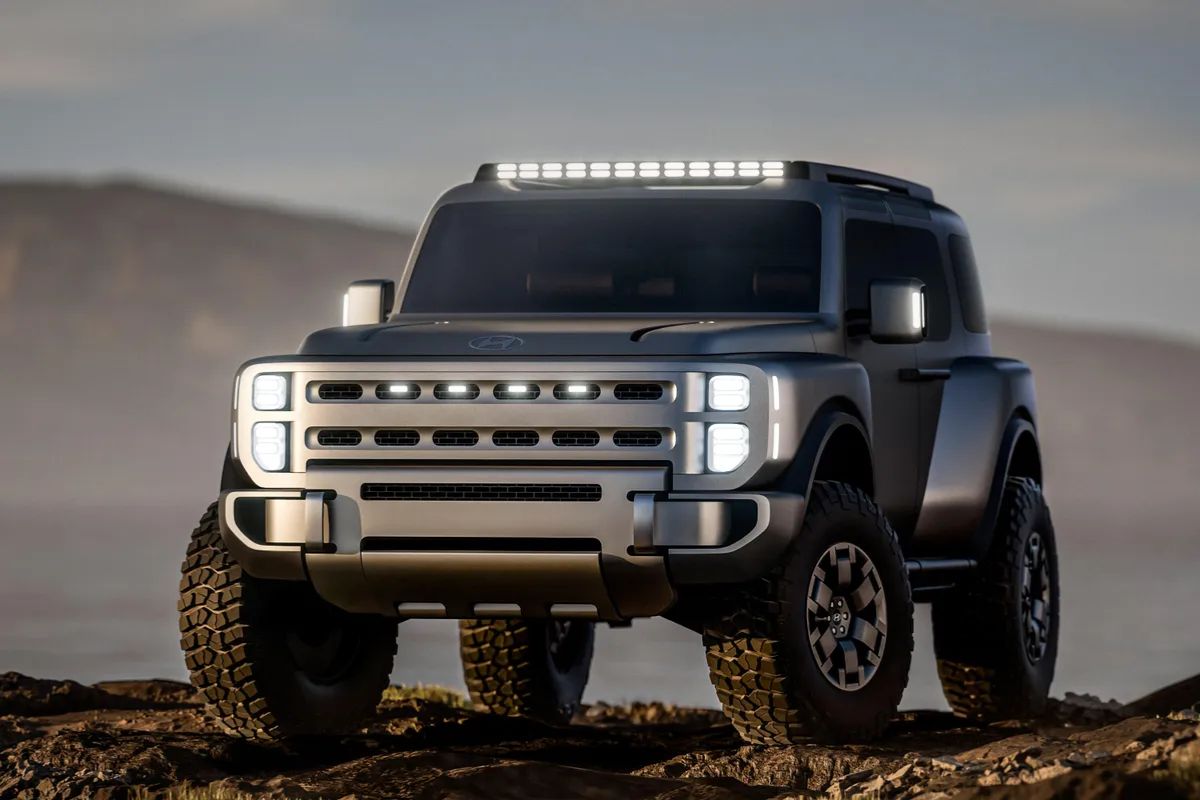
Hyundai has unveiled the Boulder, a square SUV with a body-on-frame design, 37-inch mud tires, and carriage-style doors that seems to be made to take on the Ford Bronco and the Scout Traveller in the United States.
-
The Toyota Hilux is R$ 75.5 thousand cheaper and bets on the 2.8 turbodiesel engine with up to 204 hp and 50.9 kgfm to catch up with the VW Saveiro, which leads with 4,472 sales.

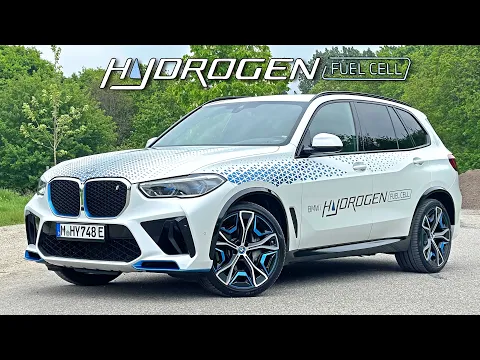

The automaker revealed that the hydrogen-powered car delivered incredible performance, ensuring the driving dynamics for which BMW is known. The BMW iX5 Hydrogen makes up a pilot fleet of hydrogen-powered vehicles that are already in use in Europe, Japan, Korea, China, the United States, and the Middle East. Fewer than 100 units have been assembled at a facility in Munich, Germany, and are part of a test demonstration for specific target groups.
BMW’s CEO, Oliver Zipse, had previously spoken about describing renewable fuel as the missing piece in the puzzle when it comes to emission-free mobility. Zipse emphasizes that hydrogen is a versatile energy source that has a vital role to play in the energy transition process and, thus, in climate protection.
Hydrogen Car Delivers 504 Km Of Range
The BMW iX5 Hydrogen uses fuel cells supplied by Toyota and, in total, stores about six kilograms of hydrogen in two carbon-fiber reinforced plastic tanks. The refueling time is three to four minutes.
This storage provides a range of 504 km. According to the company, the hydrogen-powered car combines long-distance capability and short stops for refueling to ensure emission-free driving.
The BMW iX5 Hydrogen delivers a power output of 170 horsepower and a top speed of 180 km/h. Zipse describes hydrogen as one of the most efficient ways to store and transport renewable energy and adds that it is necessary to harness this potential to also drive the transformation of the mobility sector and that hydrogen is the missing piece in the puzzle when it comes to emission-free mobility. A technology alone will not be sufficient to enable climate-neutral mobility worldwide.
Toyota Is Developing A Hydrogen Hilux
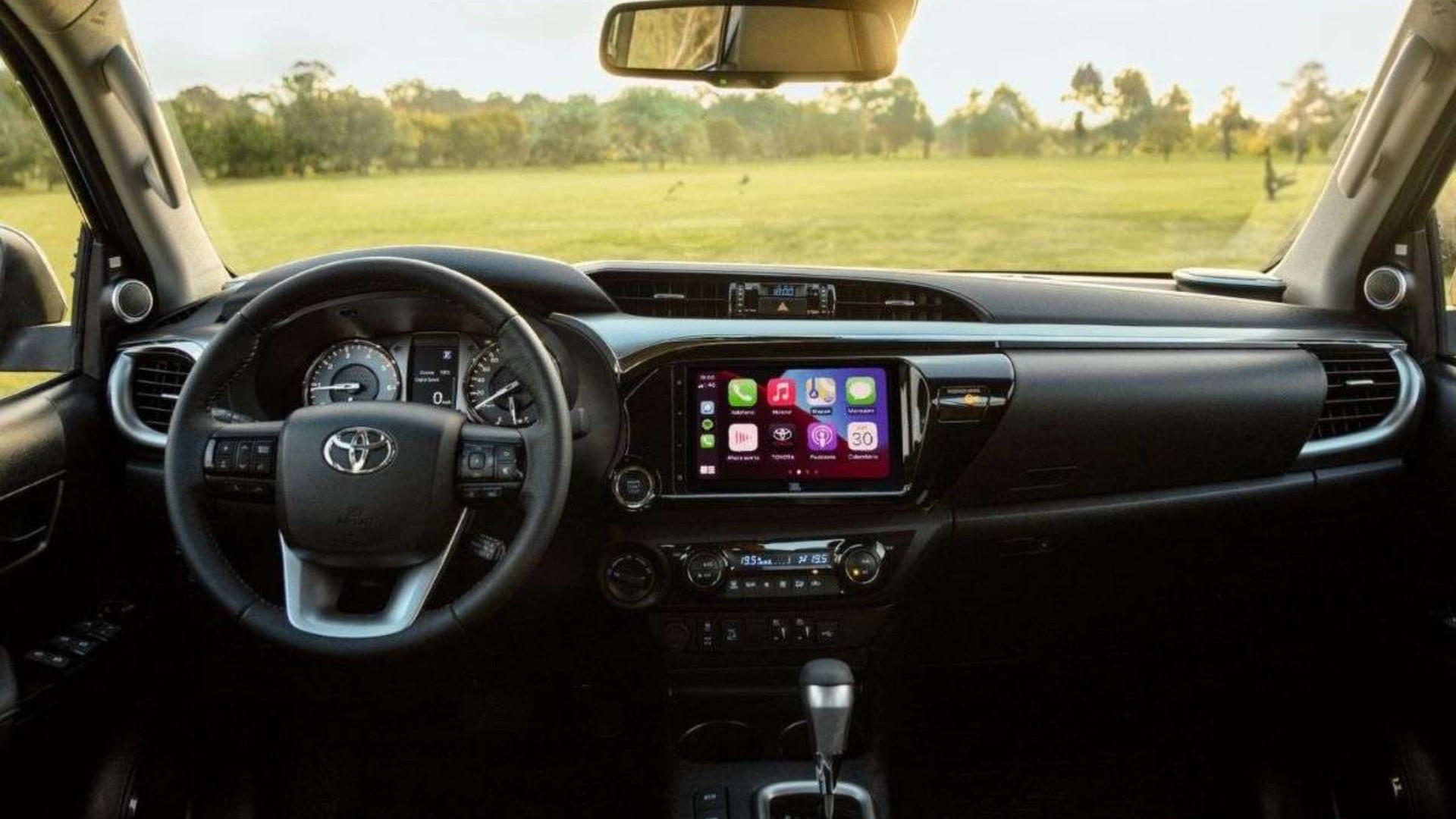
In addition to BMW with its hydrogen car, Toyota developed its first prototype of the Hilux pickup truck with a hydrogen fuel cell in its production line in England in September. This is a project supported by funding from the UK government and in collaboration with consortium partners. The Japanese automaker estimates it will assemble 10 hydrogen Hilux units by the end of 2023.
The hydrogen Hilux powertrain uses components from the Toyota Mirai. The Japanese automaker estimates that the model will have a range of 600 km between hydrogen refuels. For perspective, the Hilux in Australia, which comes equipped with a 2.8-liter turbo diesel engine, can cover about 1,150 km between refuels.







Seja o primeiro a reagir!