Portuguese
  Spanish


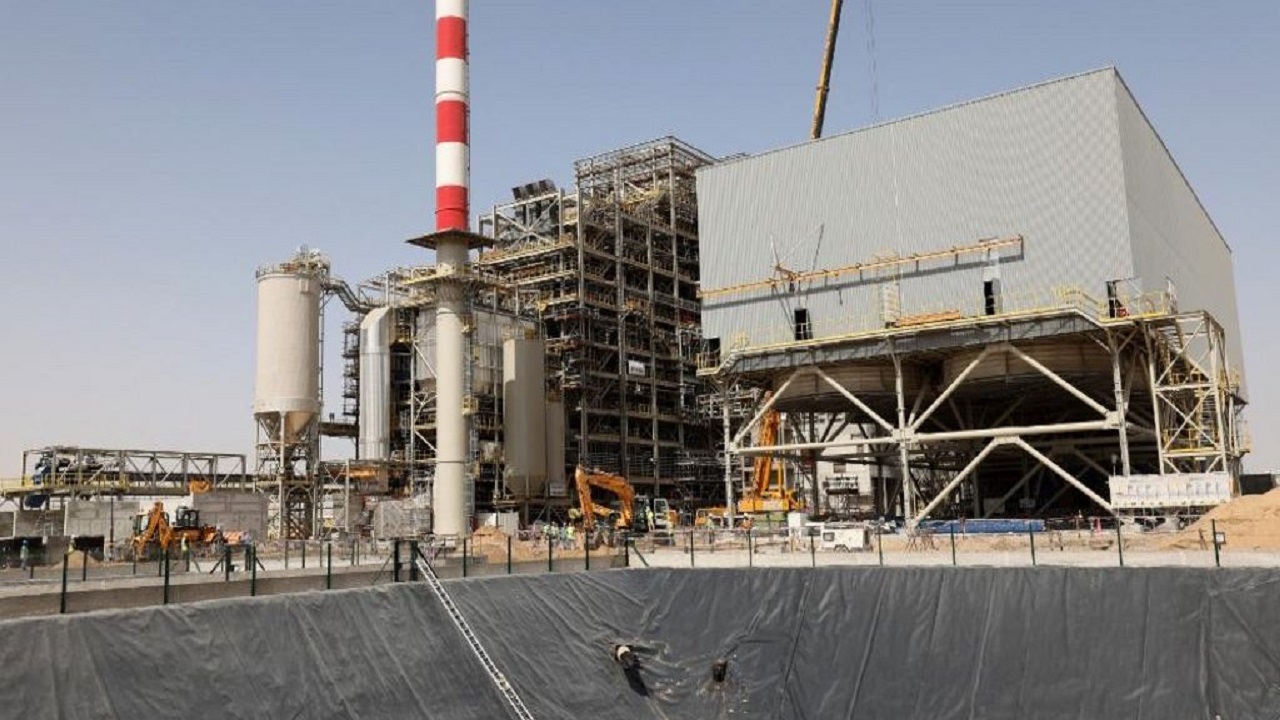

New Plant In The United Arab Emirates Aims To Convert Waste Into Energy To Mitigate The Problem Of Trash Accumulation
The United Arab Emirates, currently one of the world’s largest oil exporters, is dedicated to building one of the largest plants in the Gulf, with the aim of converting waste into energy. Its main goal is to reduce the problem of trash accumulation by generating energy from waste materials.
Read Other Related News
Environmentalists Consider The United Arab Emirates’ Plan Unfeasible
Environmental groups are still unsure about what the UAE government intends to do regarding waste. They assert that the best approach to the chronic waste problem is to recycle, compost, and invest in changing consumer habits, which tend to generate more waste due to excessive consumption.
Environmentalists are also warning the government about the high risk of contamination from gas incinerators, which emit CO2.
-
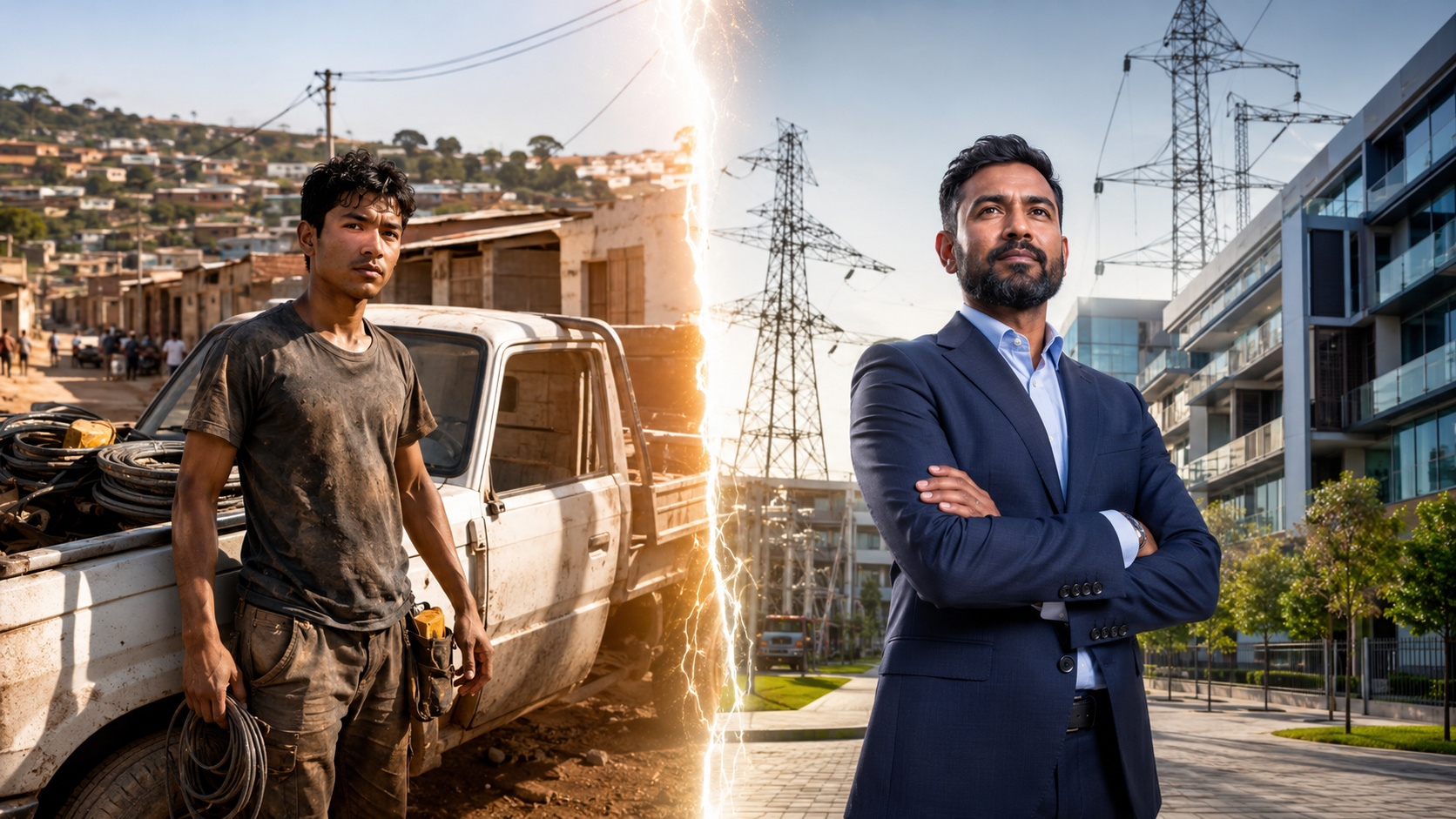
Fired during apartheid and with a little borrowed money, an electrician started with a borrowed truck and transformed electrical services into a group connected to energy, real estate, and infrastructure in South Africa.

-
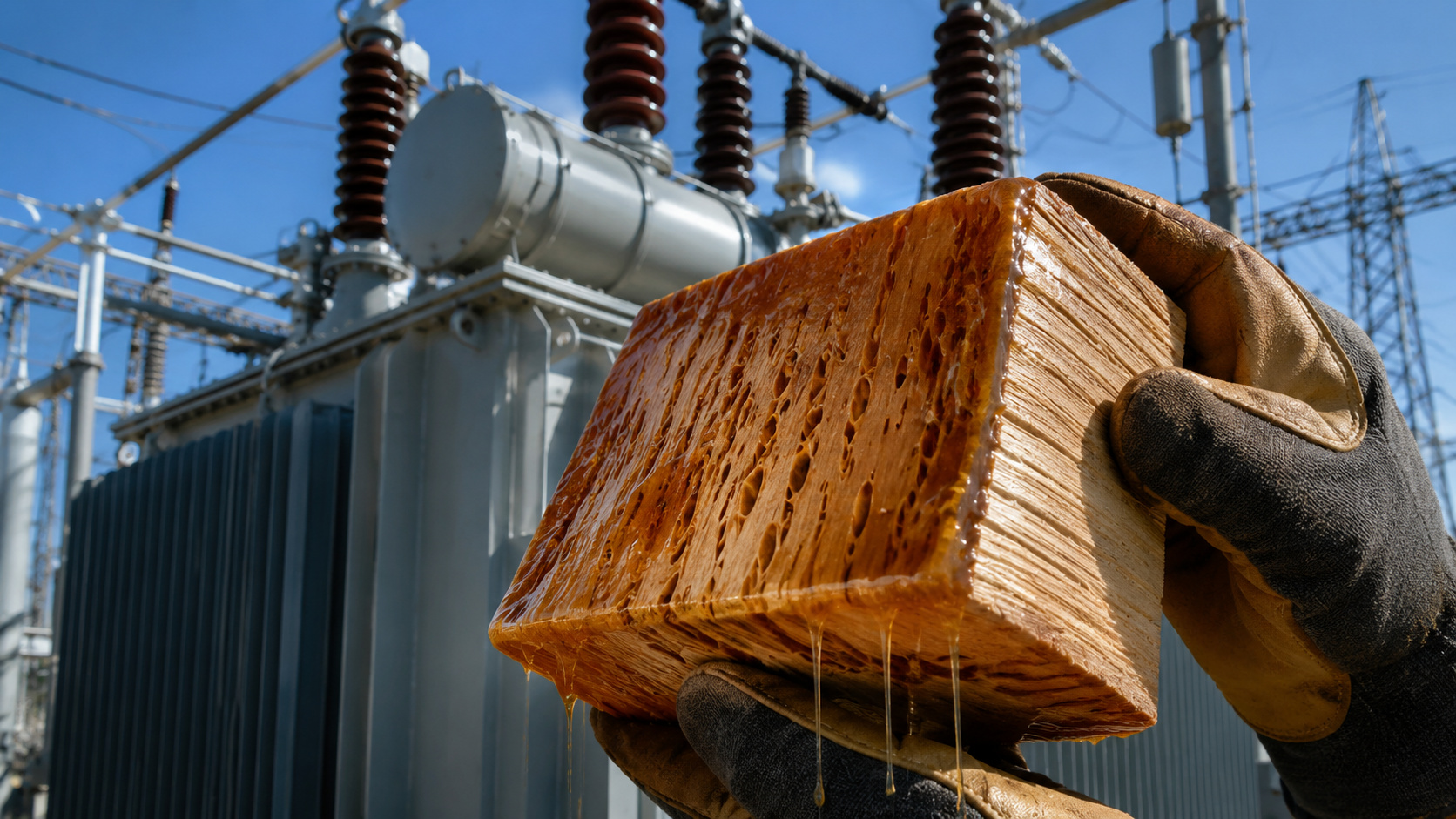
Wood has ceased to be just a construction material in Yale research and has become insulation for electrical transformers that face intense heat, aging, and increasing pressure from the renewable energy-powered grid.
-
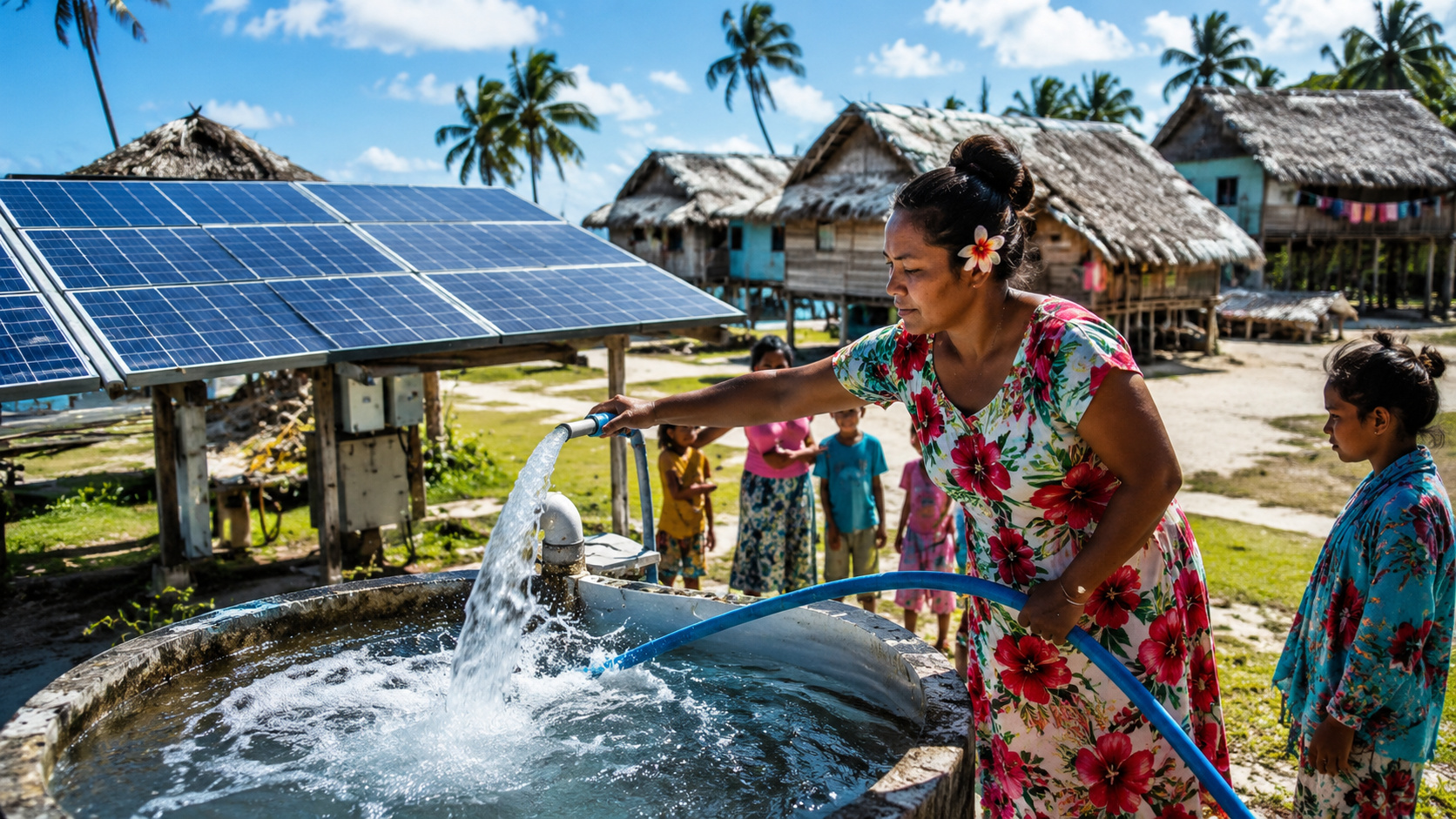
More than 1,000 residents of a remote island in Kiribati now have clean water and electricity with solar systems operated by the community itself.
-
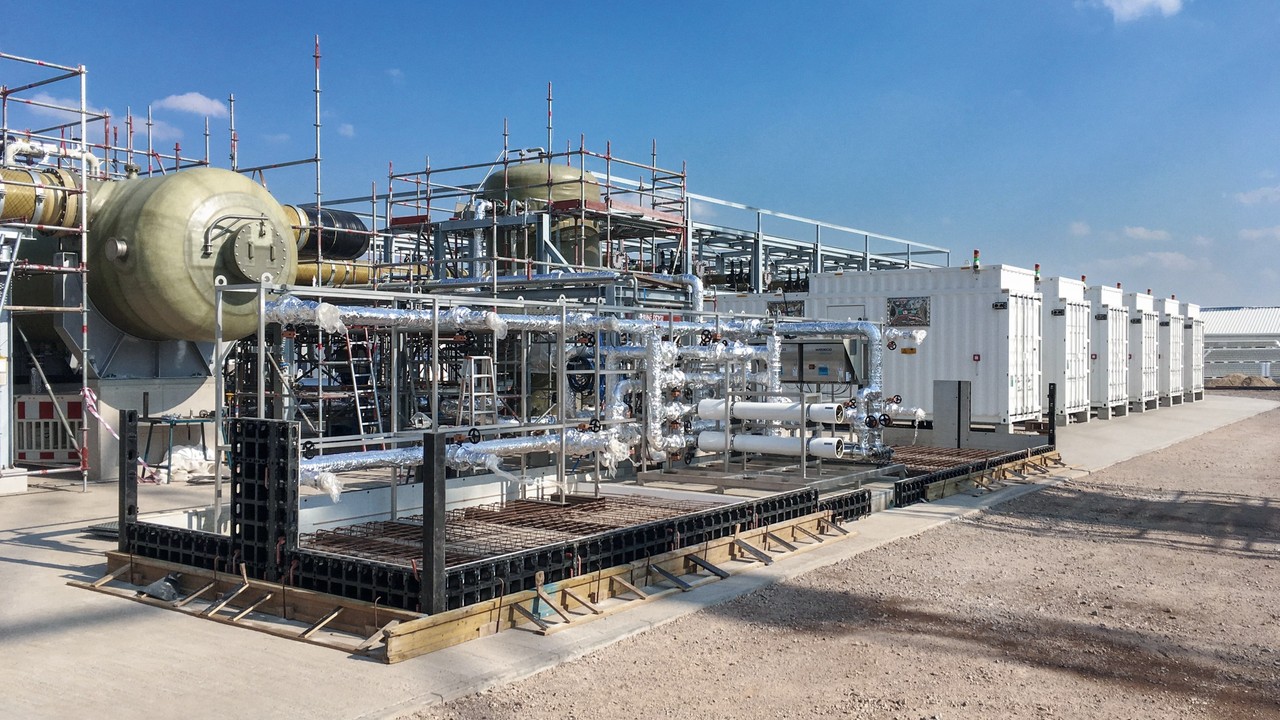
Ceará brings together 7 giants and R$ 66 billion to transform Pecém into the largest green hydrogen hub in Brazil, with final decisions expected by the end of 2026.

The new plant in the UAE will be called Sharjah and is expected to start operating in 2021. It is estimated that the plant will incinerate over 300,000 tons of waste per year to provide energy to around 28,000 homes. In Dubai, another plant is under construction, with a cost estimated at 1.2 billion dollars, according to Hitachi Zosen Inova, one of the companies associated with the project.
When the plant is completed, likely in 2024, the Dubai facility will be one of the largest in the world, with the capacity to handle about 1.9 million tons of waste each year, which accounts for approximately 45% of the household waste in the Emirates.
Chronic Waste Problem In The United Arab Emirates
Waste production in the UAE has doubled since it transitioned from a simple desert region to a large and thriving business hub. Additionally, local energy consumption has also surged, increasing by about 750% since 1990, according to the International Energy Agency.
The current population is 10 million inhabitants, five times larger than it was 30 years ago. The UAE continues to consume more electricity and produce even more waste, averaging 1.8 kilograms of trash per person daily.
Waste Recycling In The Emirates
There are several landfills in the United Arab Emirates. In Dubai, there are at least six landfills that cover an area of 1.6 million square meters, according to the municipal government.
With few solutions, the city estimates that the landfills will likely occupy around 5.8 million square meters in the emirate by the year 2041.
The country has been trying to diversify its energy matrix for some time, as it relies on gas plants for over 90% of its energy. The current goal of the country is to achieve carbon neutrality by the year 2050.