





 Portuguese
  English
  Spanish
  2 min of reading
  0 comments


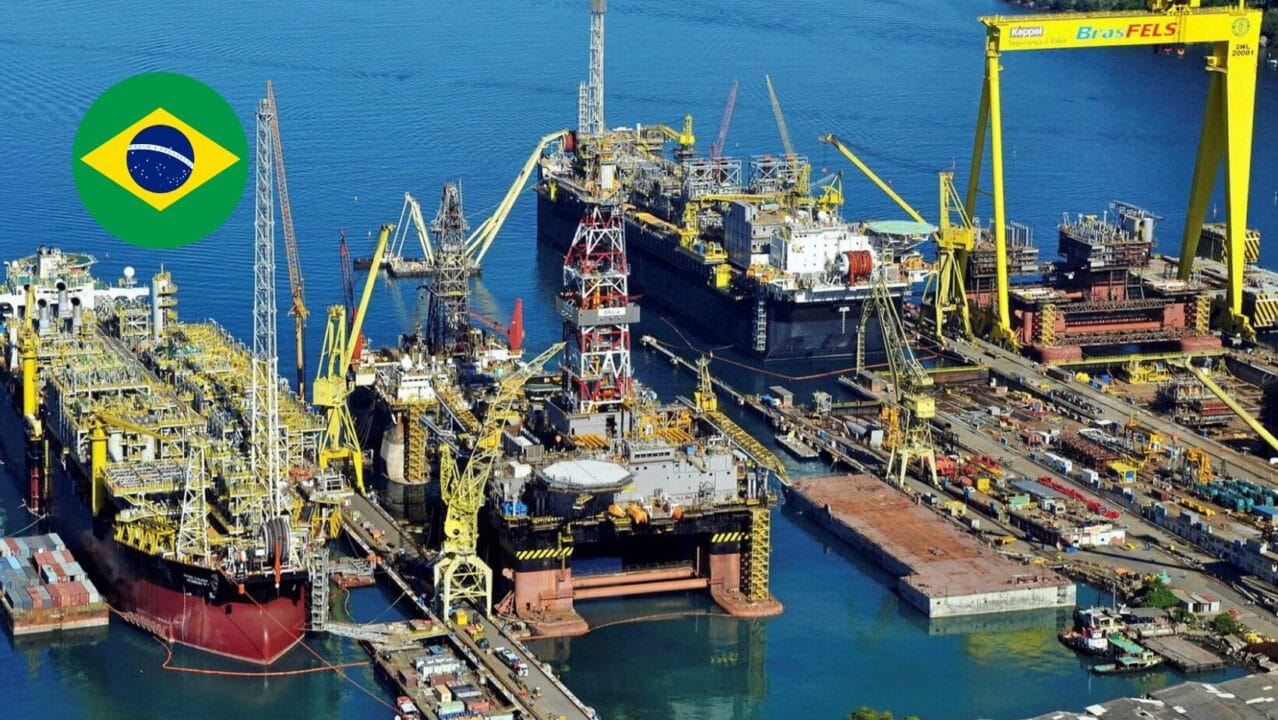
BNDES Announced Investment of R$ 2 Billion to Boost the Brazilian Naval Industry, Focusing on Shipbuilding, Decarbonization of the Fleet, and Development of Marine Spatial Planning.
In a ceremony aboard the H-39 ship of the Navy in Rio de Janeiro, the National Bank for Economic and Social Development (BNDES) unveiled an ambitious initiative to promote the naval industry in Brazil. Aloizio Mercadante, the bank’s president, announced last Wednesday (01/24) that an investment of R$ 2 billion is planned for shipbuilding through the Merchant Marine Fund (FMM).
See: PAC Will Develop the Naval Industry in Brazil


How BNDES Will Support the Brazilian Naval Industry
The new action fronts, integrated into the BNDES Azul program, aim to promote the sustainable economic development of the ocean.
Among the announced measures are the development of Marine Spatial Planning (PEM), resources for innovation and decarbonization of the naval fleet, incentives for port infrastructure, and support for water resources.
-
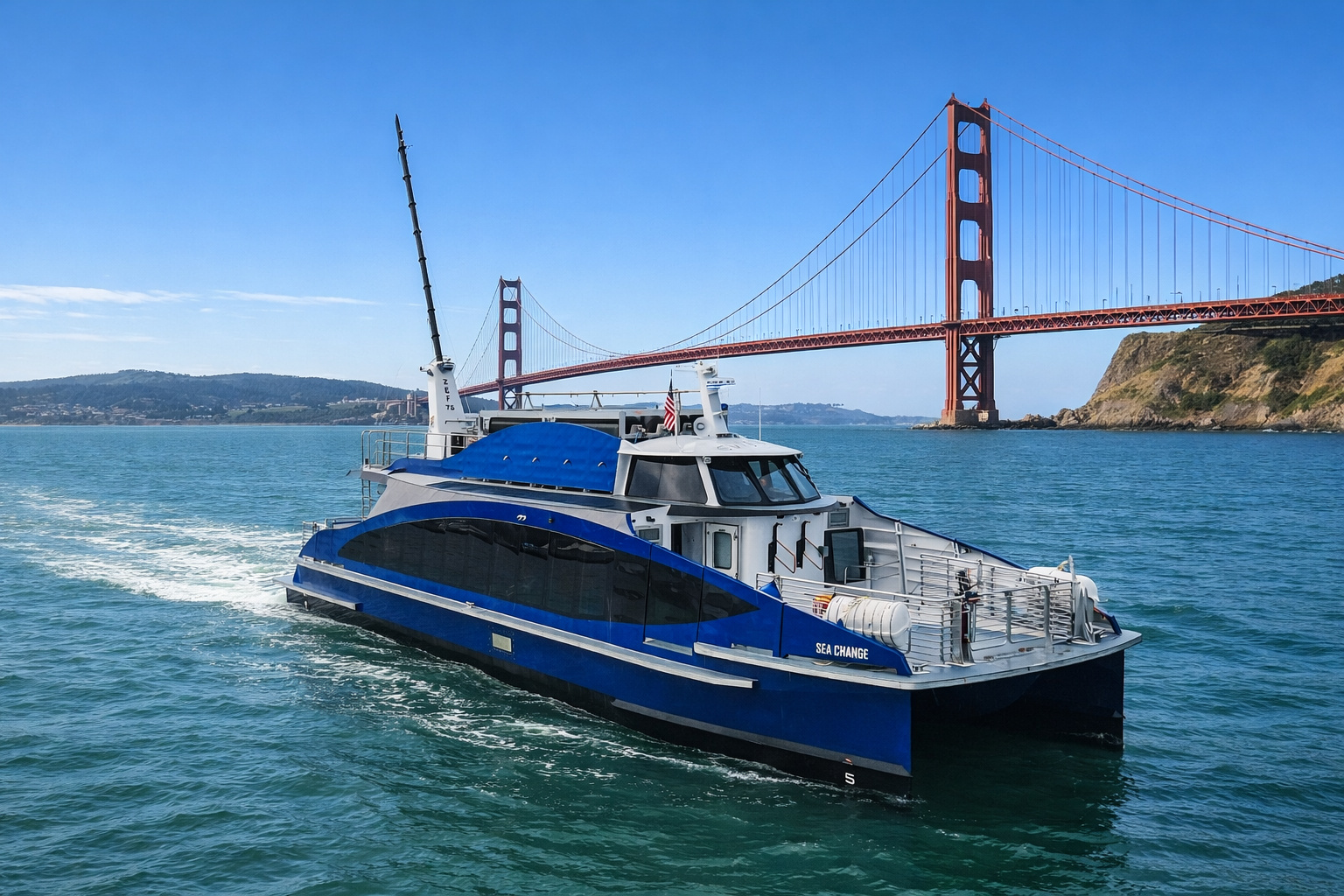
The first commercial hydrogen-powered ferry enters operation in the U.S., eliminates the use of diesel, uses fuel cells to generate clean energy on board, and transforms San Francisco Bay into a landmark of the new era of emission-free navigation.
-
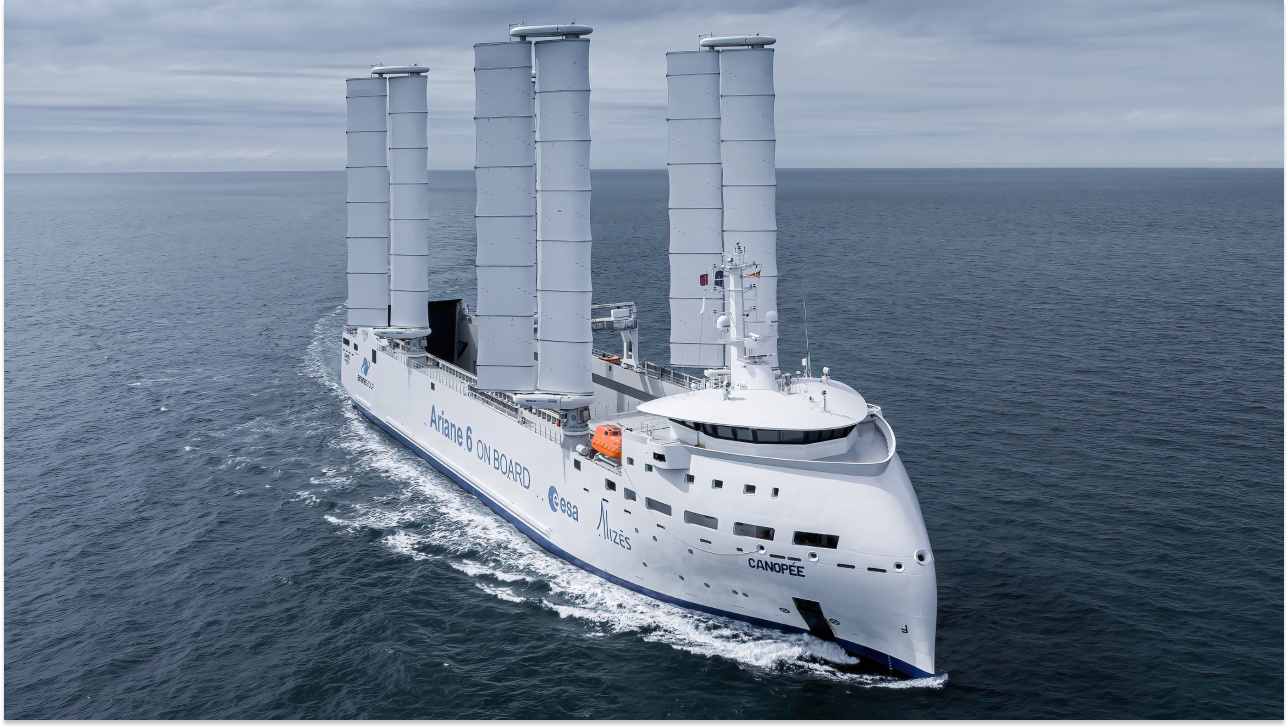
With a length of 121 meters and four rigid sails of 36 meters that automatically rotate to capture the wind, Canopée is the world’s first hybrid industrial cargo ship powered by wind, used to transport rockets and reduce fuel consumption by up to 30% on transoceanic routes.
-
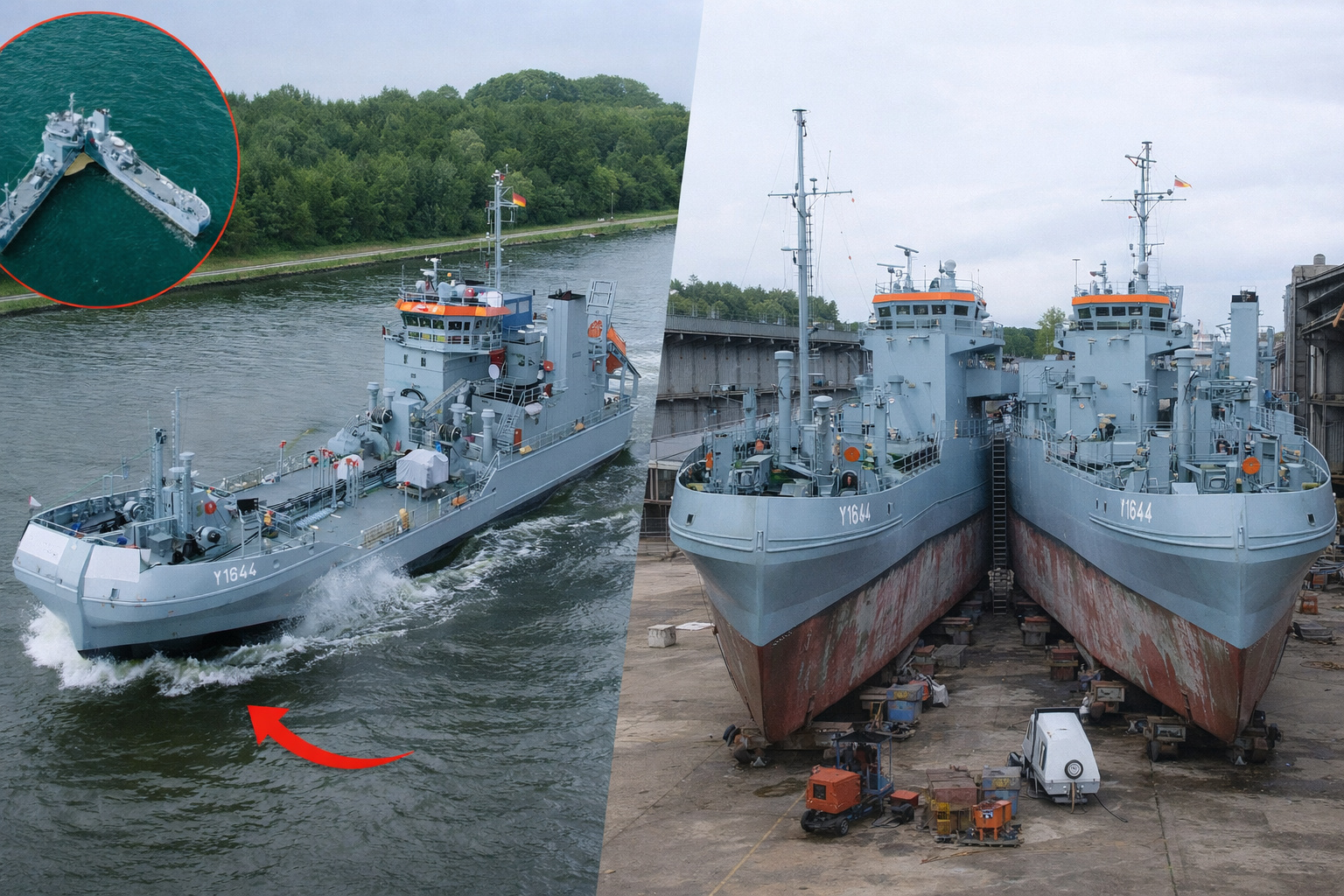
The German ship Bottsand splits its hull in two halves in the middle of the ocean to swallow spilled oil on the surface, separating the oil from the water inside a 790 cubic meter tank and then closing again. It is the only ship in the world factory-designed to split in half as part of normal operations, and the crew of six people who operate everything is civilian.
-
With almost 70 meters in width at the stern and a shape resembling a “giant slice of cheese,” the Ramform Titan tows up to 24 seismic cables to sweep the ocean floor in 3D and reveal oil reserves hidden beneath kilometers of sediment.
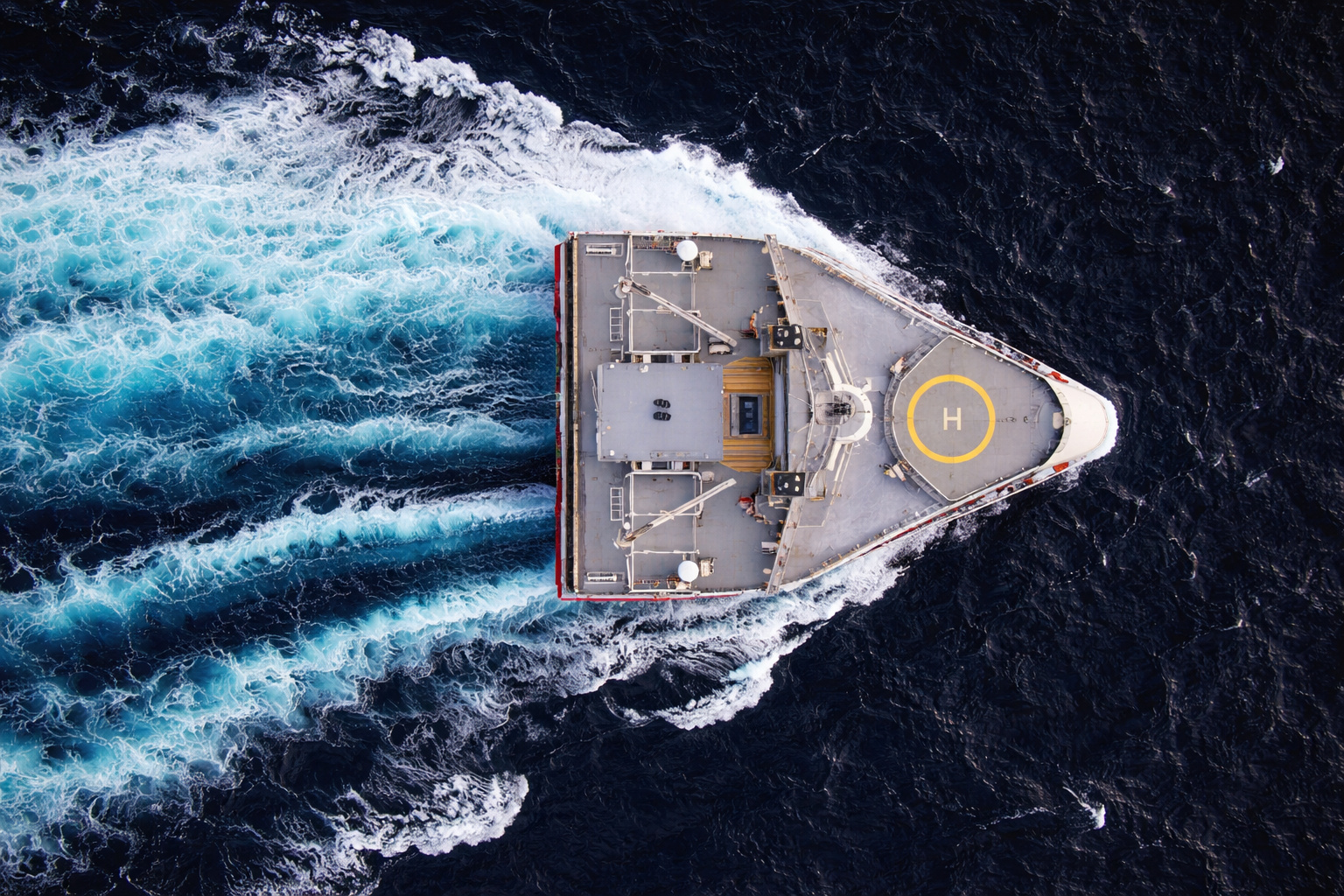

Mercadante highlighted the strategic importance of the oceans for a country with extensive 8.5 million kilometers of coastline, stating that “interests in the oceans are decisive for the future.”
The PEM, a partnership between the government and the Navy, aims to map the uses of the marine environment to articulate public policies, with studies planned for the northern (Blue Amazon), southern, and southeastern regions.
Decarbonization of the Naval Fleet: BNDES Incentives for the Use of Renewable Fuels
Regarding the decarbonization of the naval fleet, BNDES has established incentive policies for the use of renewable fuels.
Projects that demonstrate clean initiatives may benefit from a reduction of up to 0.4 percentage points in the interest rate.
Mercadante emphasized that these initiatives are aligned with international trends in the sector, warning of fines expected by the International Maritime Organization (IMO) starting in 2030 for vessels without sustainable fuel.
Additionally, BNDES also announced port investments, providing financing lines of support to the R$ 45 billion allocated by the Growth Acceleration Program (PAC) for the sector, covering leases and Private Use Terminals.
The state bank indicated the possibility of establishing partnerships with private sector entities and conducting operations in the capital market.
This announcement comes amid the “New Industry Brazil,” a R$ 300 billion package announced by the government of Luiz Inácio Lula da Silva (PT) to boost the national industry.
With BNDES contributing R$ 250 billion, the proposal highlights the return of the State as the main driver of national development, including tax incentives and financing through state-owned companies.
Finep (Financier of Studies and Projects) and Embrapii (Brazilian Company of Research and Industrial Innovation) complete the financing.
Source: Poder360








Seja o primeiro a reagir!