





 Portuguese
  English
  Spanish
  5 min of reading
  0 comments


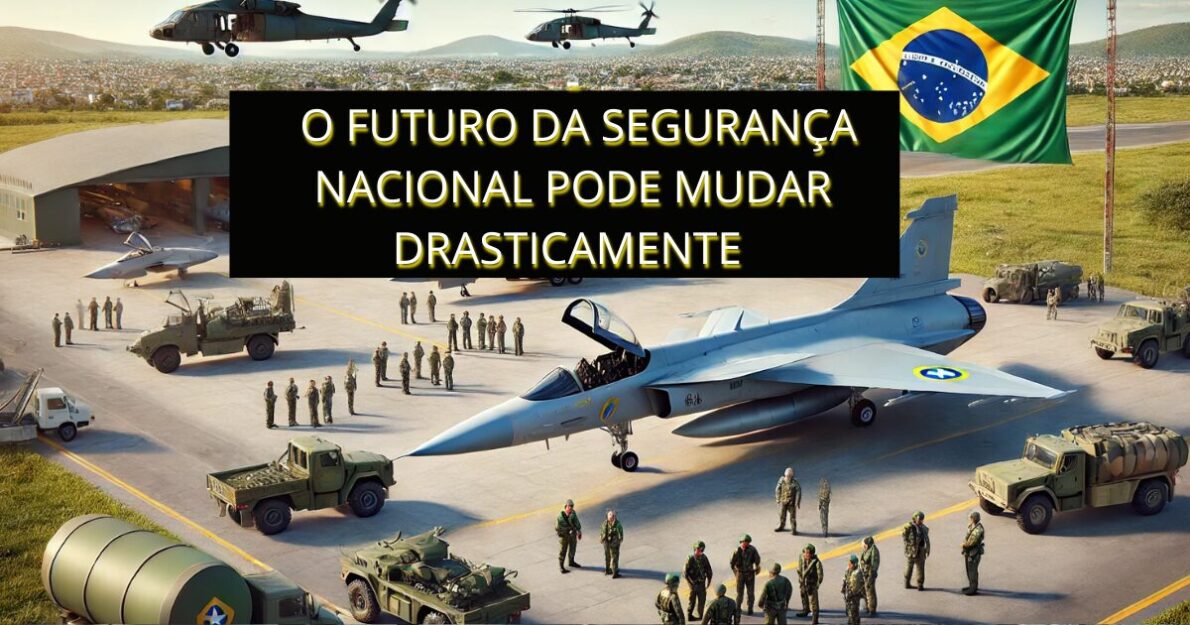
An Unprecedented Partnership Between Brazil and India Could Change the Future of National Air Defense. With the Retirement of the F-5 Fighters, the Country Is Considering Adopting the Supersonic Tejas, Which Brings Cutting-Edge Technology and Promises to Strengthen National Security. Additionally, Helicopters and the C-390 Millennium Also Enter the Radar of Negotiations.
The possible arrival of a revolutionary aircraft could drastically change the Brazilian air defense scenario.
Behind a strategic decision involving international agreements, Brazil is eyeing a new fighter that promises to replace a fleet of already obsolete planes.
What is at stake? National security, the strengthening of the Brazilian Air Force, and, of course, the new international partnerships that could redefine the country’s position on the global military defense map.
-
Total night of chaos in the Zagros mountains: Iran shoots down an F15 Strike Eagle, damages an A10 during the rescue, and hits an F35; helicopters fall into an ambush while the US insists: no one gets left behind, ever.
-
The USA is “filling” the skies of Iran with B-52 bombers just to show that they have “annihilated” the enemy air forces.
-
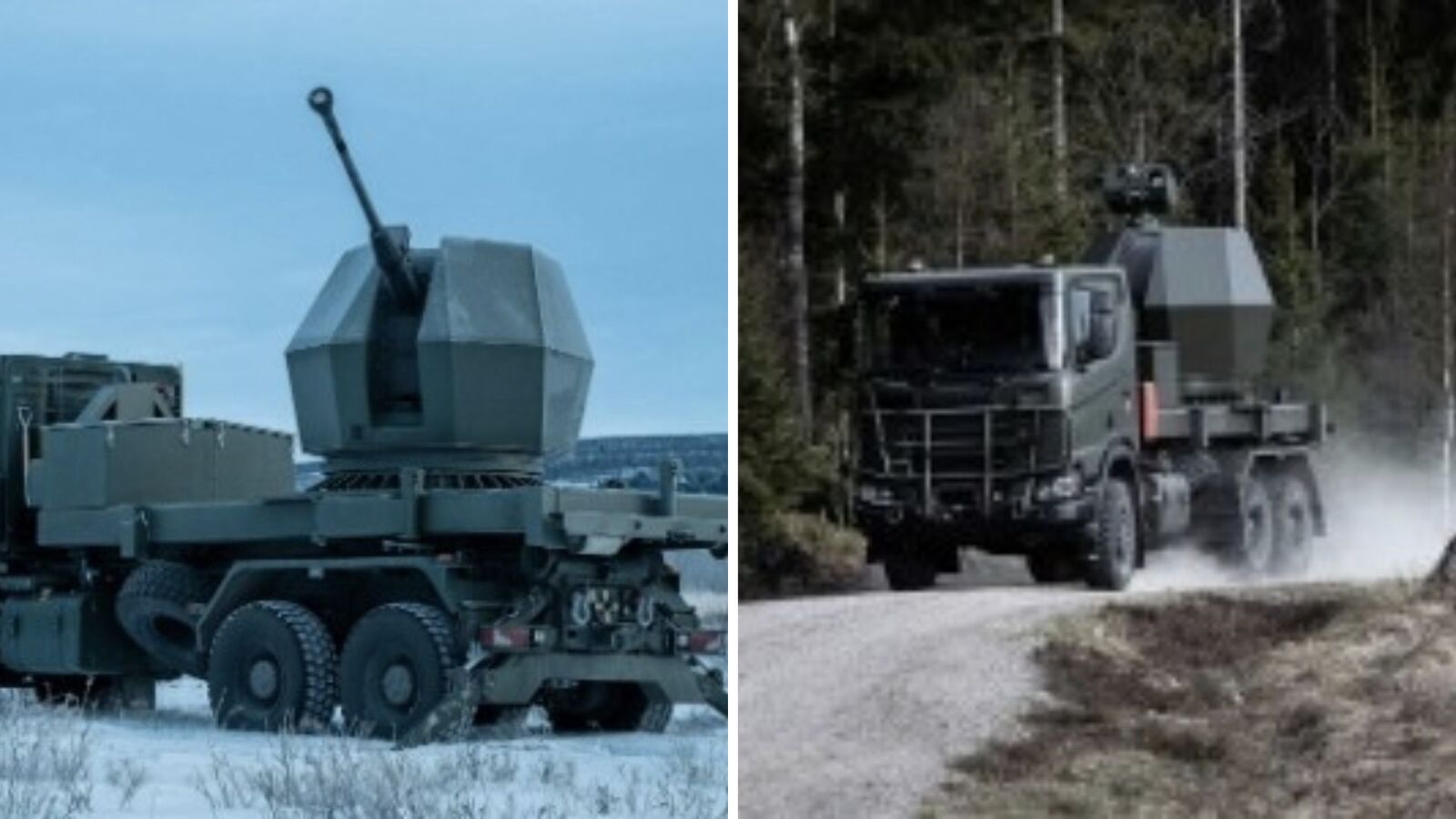
Mounted on a truck, this super 40 mm anti-aircraft cannon faces everything, taking down drones, cruise missiles, aircraft, and can even hit armored vehicles up to 12 km away with mastery.
-
The German “steel monster” weighing 55 tons fires up to 10 projectiles per minute at over 40 km and avoids counterattacks on the battlefield by moving quickly to escape enemy attacks; meet the Panzerhaubitze 2000.
The discussion has already begun, but you might be surprised by the implications of this aircraft exchange and the impact this modernization will bring for Brazil’s future.
Find out how the country could retire the old F-5 and incorporate the Tejas, a next-generation supersonic fighter produced by India.
International Negotiations and the Future of Brazilian Air Defense
According to the Times Now portal, the commander of the Brazilian Air Force, Lieutenant Brigadier Marcelo Kanitz Damasceno, has already started talks with Indian defense authorities.
Among them are Air Chief Marshal V.R. Chaudhari and the Chief of Army Staff, General Upendra Dwivedi.
The negotiations revolve around the acquisition of the Tejas, a lightweight aircraft produced by India, as well as partnerships involving helicopters, space satellites, and unmanned aerial vehicles.
This potential change occurs at a crucial moment for Brazil, which is already planning the retirement of its old fleet of Northrop F-5s, scheduled for after 2030.
The Brazilian Air Force seeks modern alternatives to ensure it continues to operate efficiently and competitively, which places the Tejas as one of the main options on the radar of Brazilian authorities.
According to Commander Marcelo Kanitz, Brazil intends to maintain a diverse fleet, with a minimum of two and a maximum of three types of combat aircraft.
Currently, the country already has the Gripen-E fighters and the F-5s, which are nearing retirement. With the departure of the F-5s, the Tejas could become the second or even the third fighter model to make up the fleet. “We may need perhaps two more types when the F-5 is deactivated,” Kanitz declared.
Why the Tejas Is a Strategic Choice?
The Tejas fighter is one of the stars of the Light Combat Aircraft (LCA) program, developed by India since the 1980s, aiming to replace its own aging fleet of MiG-21s.
This aircraft has faced numerous technological challenges throughout its development, such as the creation of a fly-by-wire digital flight control system and an indigenous multimode radar.
With its first flight conducted in 2001, the Tejas entered service in 2016 and has been improving ever since.
The Indian model stands out for being a multirole fighter, with several variants adapted to different functions.
The initial version, the Tejas Mk1, is equipped with a GE F404-IN20 engine and features a mechanical scanning radar.
The Tejas Mk1A is an enhanced version that includes more advanced technologies, such as an active electronically scanned array (AESA) radar and state-of-the-art electronic warfare systems.
With these characteristics, it can perform missions ranging from air defense to anti-ship operations.
Even more impressive, the Tejas has a maximum speed of Mach 1.8 and is capable of carrying advanced armaments, such as air-to-air and air-to-surface missiles.
This makes it a viable option to replace the F-5, which is already outdated compared to the current needs of the Brazilian Air Force.
Helicopters and Transport Aircraft: Brazil Eyes New Partnerships
The talks between Brazil and India have not been limited to the Tejas. The Brazilian Air Force has also shown interest in acquiring helicopters, with the intention of modernizing its fleet to meet operational demands, especially in the Amazon and in rescue missions in areas affected by natural disasters such as floods.
Currently, the FAB has seven squadrons, each with 12 helicopters, but intends to expand this capacity.
Among the options are the Dhruv and Prachand helicopters, manufactured by Hindustan Aeronautics Limited (HAL).
Both models are already in use by India and show good adaptability for operations in adverse regions, making them ideal for the challenges faced by Brazil.
Furthermore, the medium transport aircraft Embraer C-390 Millennium, developed by the Brazilian company Embraer, was another highlight in the negotiations.
Kanitz emphasized that the C-390 has already accumulated 15,000 flight hours and boasts a maintenance rate of 97%.
The Brazilian aircraft is faster and can carry a load equivalent to that of the American C-130, positioning it strategically in Brazil’s military and logistics operations.
Bilateral Collaboration Can Transform the Defense Industry
The partnership between Brazil and India may go far beyond the simple purchase of aircraft. Embraer has signed memoranda of understanding with the Indian company Mahindra to explore the possibility of manufacturing the C-390 in India, both to meet local demand and for export.
This move is part of the Indian policy of “Make in India,” which seeks to strengthen the country’s industrial capability in various sectors, including defense.
This collaboration could also open doors for other types of technological and industrial exchanges between the two nations, with direct impacts on the economy and defense capabilities of both countries.
Brazil, with its vast experience in aeronautical technology, can benefit from this synergy while expanding its influence in the international market.
How This Change Could Impact Brazil?
The replacement of the F-5 with the Tejas, combined with new partnerships in helicopters and transport aircraft, could mark a new chapter in Brazilian air defense.
With the retirement of obsolete fighters and the adoption of new technologies, the country will be better prepared to face national security challenges and also to operate more efficiently in international peace missions and disaster relief.
This modernization not only strengthens the defense of Brazil, but also places the country in a more competitive position in the global military technology arena.
The future of the Brazilian Air Force promises to be more agile, sophisticated, and ready to face the challenges of the 21st century.
Do you think this partnership between Brazil and India can transform our air defense and highlight the country on the international stage? Share your opinion in the comments!







Seja o primeiro a reagir!