Portuguese
 Spanish


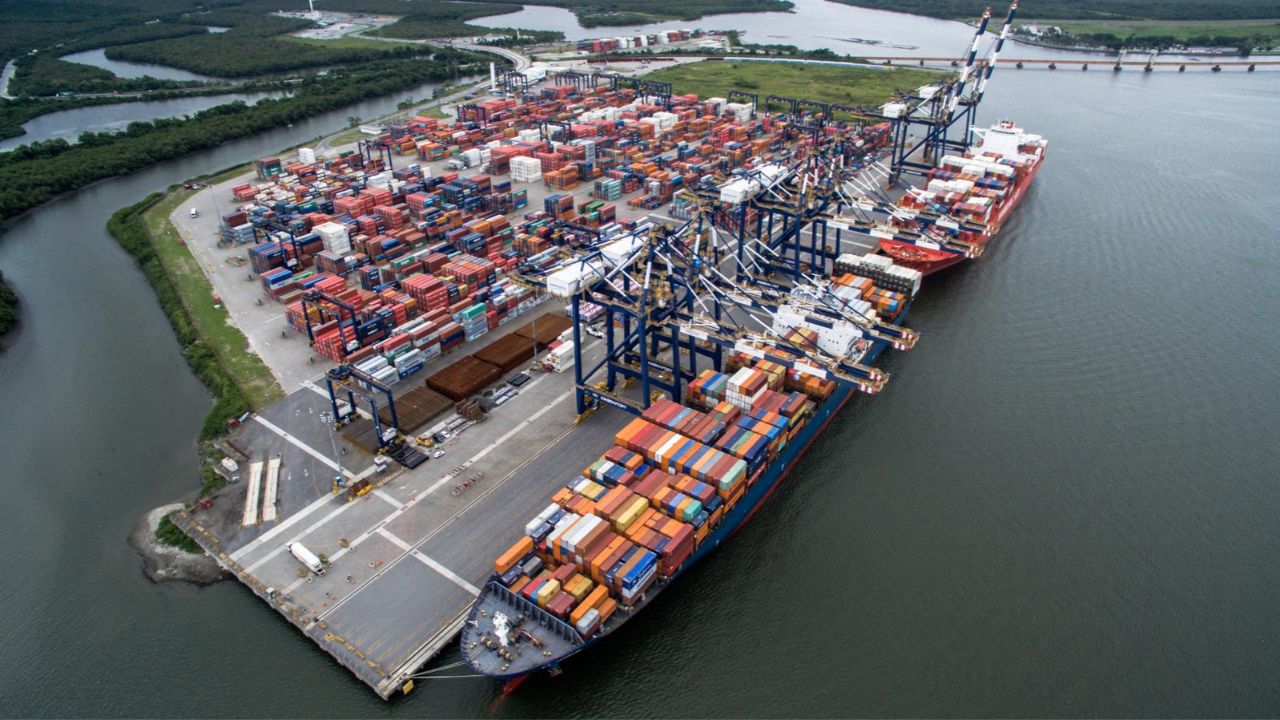

Central Bank of Brazil reports $8.5 billion trade surplus in October, but spending on services, profits and dividends kept the external balance in deficit.
Brazil recorded a $3.97 billion deficit in its external accounts in October 2026, even as merchandise exports grew 19.7% from the same month in 2025. The result, released by the Central Bank of Brazil on Thursday, November 26, showed a contrast: the country sold $37.9 billion worth of goods abroad, but spending on services, profits and dividends wiped out the surplus from goods trade.
According to Poder360, citing the Central Bank’s External Sector Statistics, October’s deficit was close to the $4.03 billion recorded a year earlier. In the 12 months through October, the cumulative shortfall reached $60.6 billion, equivalent to 2.34% of gross domestic product (GDP).
Brazil exports $37.9 billion in goods, but trade surplus fails to prevent external deficit
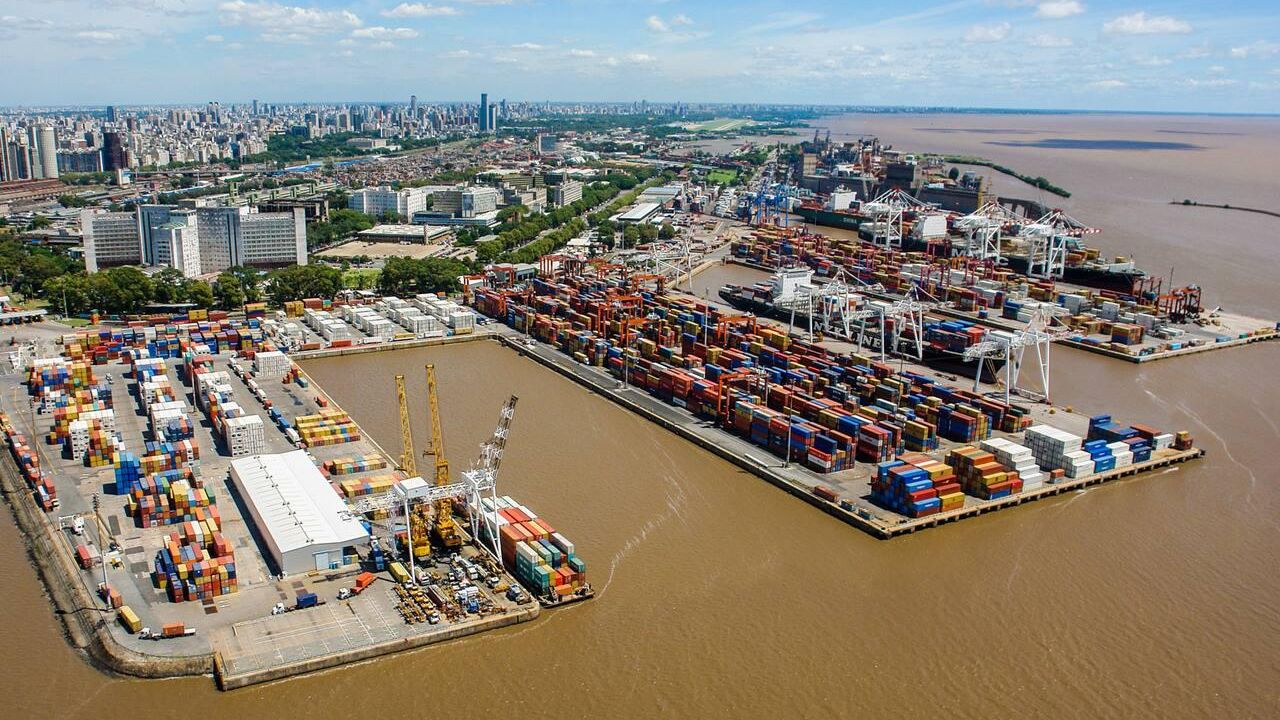
Brazilian merchandise exports totaled $37.9 billion in October, up 19.7% year over year. Imports also rose, but at a slower pace: they increased 14.2% to $29.4 billion.
-
Anyone who pays only part of their credit card bill three times in six months will see the bank gradually cut their limit under a Central Bank rule taking effect in July 2027

-
Dollar falls 1.53% to R$5.81 after hitting R$5.95, while Brazil’s stock market gains 1.58% and oil surges more than 3% globally

-
Global stocks fall as Trump threatens new tariffs on 16 trading partners, tech giants slide, and fears of higher U.S. interest rates grow
-
Trump threatens to end Embraer aircraft tax exemption with potential 10% tariff; Brazilian sugar also targeted by U.S.




As a result, the goods trade balance, as measured in the balance of payments, posted an $8.5 billion surplus, up from $5.9 billion in October 2025. The improvement was about $2.6 billion.
A positive trade balance means the country earned more from exported goods than it spent on imported goods. However, trade in products is only one component of current-account transactions.
The Central Bank’s calculation also includes services purchased abroad, investment income and current transfers. These transactions can generate outflows large enough to outweigh the positive result from exports.
Growth in external sales is also reflected in regional data. CPG has reported that Mato Grosso do Sul’s industry recorded $5.39 billion in exports from January through August 2026, according to figures released by the state’s industry sector.
These sector-level results help put foreign trade in context, but they do not explain Brazil’s external accounts balance on their own. Understanding October’s deficit requires looking at the transactions that were in deficit.
Spending on profits and dividends reaches $6.5 billion, weighing on the balance
The greatest pressure came from the primary income account, which includes income associated with labor and capital, such as interest, profits and dividends.
In October, the account posted a US$7.9 billion deficit, compared with US$6.2 billion in the same month of 2025. The difference represents an increase of about US$1.7 billion in the deficit.
Net expenses on profits and dividends reached US$6.5 billion, up 43.5% year over year. These amounts include income associated with direct investment and portfolio investments.
When a foreign company earns a profit from an operation in Brazil, some of that profit may be sent abroad or recorded under balance-of-payments accounting rules. These flows are included in the primary income account, even when the country runs a surplus in merchandise exports.
The official report from Brazil’s Central Bank showed gross expenses on profits and dividends of US$8.9 billion. Corresponding receipts totaled US$2.4 billion.
Net interest expenses, in turn, came to US$1.4 billion, down from US$1.7 billion a year earlier. The deterioration in primary income in October was therefore driven mainly by profits and dividends, not by a broad-based increase in all expenses in the account.
Services abroad post a US$5.1 billion deficit, with transportation and travel outlays rising
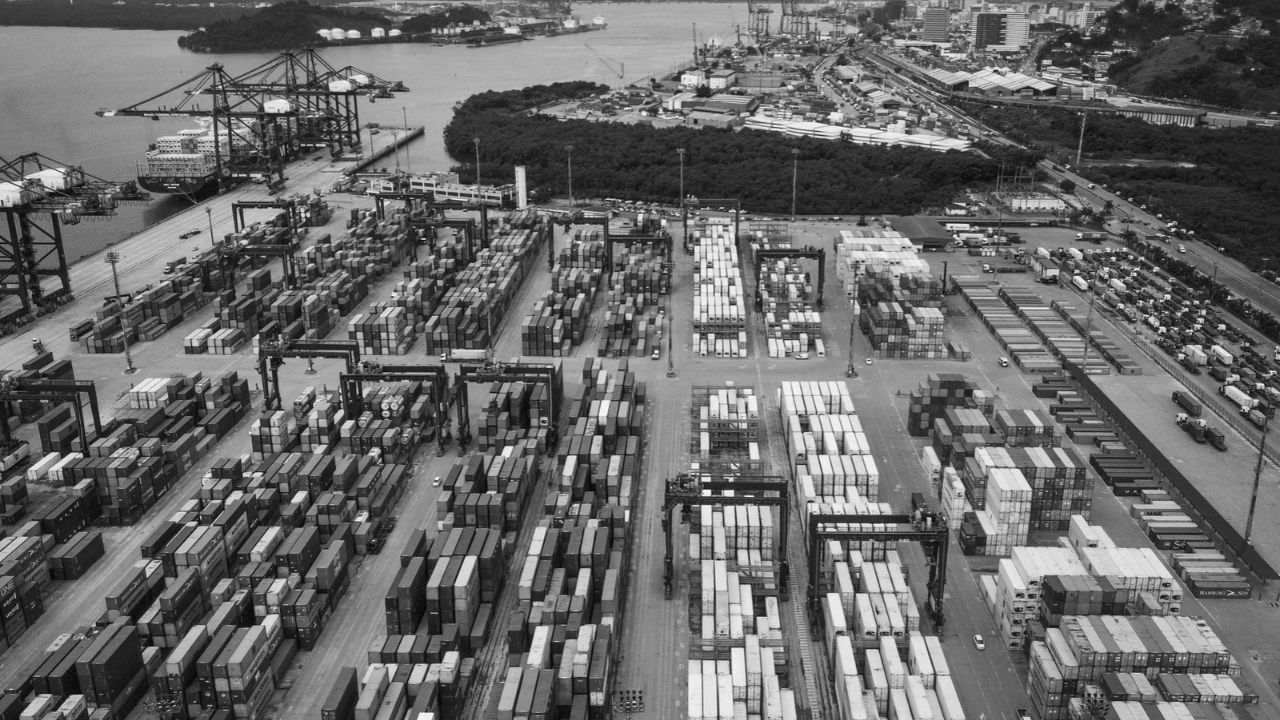
The services account also contributed to the deficit. It reached US$5.1 billion in October, compared with US$4.3 billion a year earlier.
Net transportation expenses totaled US$1.8 billion, up 40.3% from October 2025. This category includes international transportation operations and services related to moving cargo and passengers.
Telecommunications, computing and information services were another significant component. The gap between payments and receipts resulted in net expenses of US$800 million, up 30.2% year over year.
International travel also weighed on the balance. Brazilians and other residents of the country spent US$2.4 billion abroad, while foreign visitors spent US$900 million in Brazil.
The result was a US$1.5 billion deficit in the travel account, 36.5% higher than in October 2025. Residents’ spending abroad rose 21.4%, while receipts from visitors increased 2.1%.
International transportation is directly tied to the movement of goods and logistics infrastructure. In an earlier report, CPG covered the reopening of the Port of Itajaí, an important terminal for Santa Catarina’s foreign trade.
Although exports are economically linked to logistics services, the increase in net transportation expenses cannot be attributed solely to activity at one port or on a single trade route.
Cumulative deficit falls from US$75.2 billion to US$60.6 billion in one year
Despite October’s negative result, the cumulative comparison shows a reduction in Brazil’s external deficit.
In the 12 months through October 2026, current-account transactions posted a deficit of US$60.6 billion, equivalent to 2.34% of GDP. A year earlier, the cumulative deficit was US$75.2 billion, or 3.39% of GDP.
The deficit narrowed by about US$14.6 billion between the two periods. In September 2026, the cumulative figure stood at US$60.7 billion, equivalent to 2.36% of GDP.
This shows that one month’s performance does not necessarily reflect the same trend seen over the course of a year. Tracking the 12-month figure helps smooth the effects of isolated swings in exports, imports and international payments.
October’s result also exceeded the deficit forecast in a Reuters survey of market participants. The survey pointed to a shortfall of about US$3.1 billion, while the actual figure reached US$3.97 billion.
The difference shows that the monthly deficit was larger than respondents had projected. It does not mean, however, that the country lost the same amount in foreign exchange reserves or that the result represents a deficit in the federal government’s accounts.
Foreign investment totals US$9.1 billion, exceeding the monthly deficit
Foreign direct investment in Brazil recorded net inflows of US$9.1 billion in October 2026. That was below the US$9.9 billion recorded in October 2025 but exceeded the month’s current-account transactions deficit.
About US$9 billion of the total went to equity stakes in companies. The Central Bank identified US$6.1 billion in reinvested earnings in Brazil and another US$3 billion in equity stakes, excluding those reinvested earnings.
Transactions between companies in the same corporate group, classified as intercompany transactions, recorded net inflows of about US$100 million.
In the 12 months through October, cumulative direct investment reached US$87.5 billion, equivalent to 3.37% of GDP. The indicator measures net inflows of this type of investment, which is distinct from short-term financial investments.
The country also received net inflows of US$7.9 billion in portfolio investment in October. Of that amount, US$1.8 billion went to stocks and investment funds, while about US$6 billion flowed into fixed-income securities traded in the domestic market.
The importance of foreign investment is also evident in specific areas of the economy. CPG has previously reported data on foreign investment in telecommunications, a sector that receives international funding for its operations in Brazil.
Foreign exchange reserves reach US$365 billion in October
Brazil’s foreign exchange reserves totaled US$365 billion in October 2026, up US$2.2 billion from September.
The appreciation of assets held in the reserves contributed US$2.3 billion to the result. Interest income added US$900 million, while exchange-rate movements among currencies reduced the stock by approximately US$1.4 billion.
International reserves are external assets managed by the Central Bank and used as a source of liquidity and financial security. They should not be confused with the current-account balance or the revenue generated each month by exports.
The next external-sector report will show whether the improvement in the trade surplus continues to be enough to offset some of the spending on services and investment income.