





 Portuguese
  English
  Spanish
  7 min of reading
  0 comments


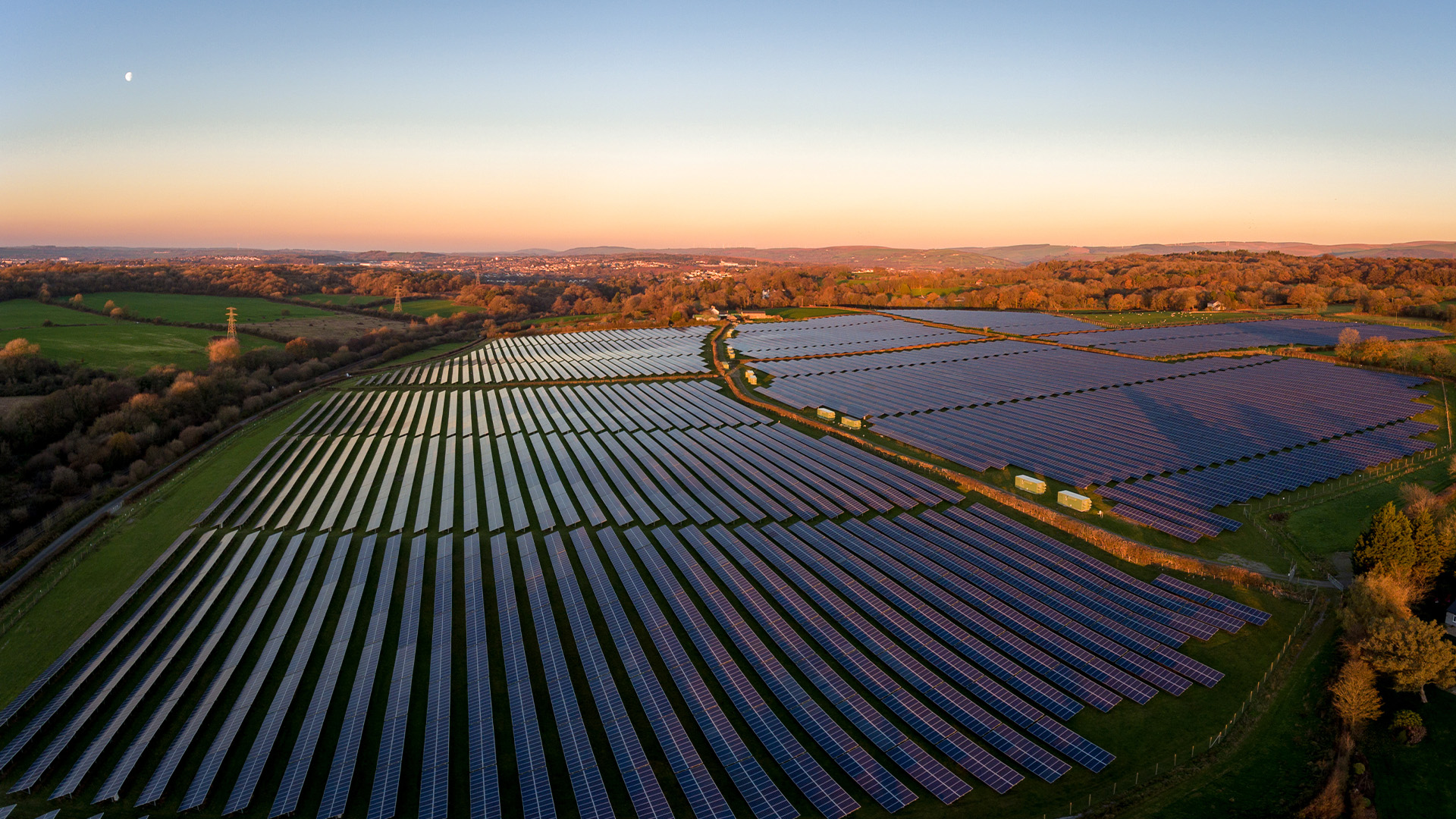
A new technical survey confirms that 98% of the electric matrix of Minas Gerais uses renewable sources as a basis for generation, consolidating the mining territory as the main hub of clean energy and energy security in Brazil.
Minas Gerais reaches a level of global leadership in the energy transition with the revelation that 98% of its electric matrix of Minas Gerais derives exclusively from renewable sources.
The state surpasses the national and global average by efficiently integrating the strength of hydropower, the accelerated expansion of solar plants, and the sustainable burning of biomass. This data, consolidated in April 2026, highlights the success of state public policies and private investment in the decentralization of energy generation.
While the world seeks to reduce carbon emissions, the people of Minas Gerais already operate an almost completely decarbonized system, ensuring more resilient electricity for industry and agribusiness.
-
Chinese startup expands sustainable mobility with a fleet of 11,000 hydrogen bicycles and reaches millions of trips.

-
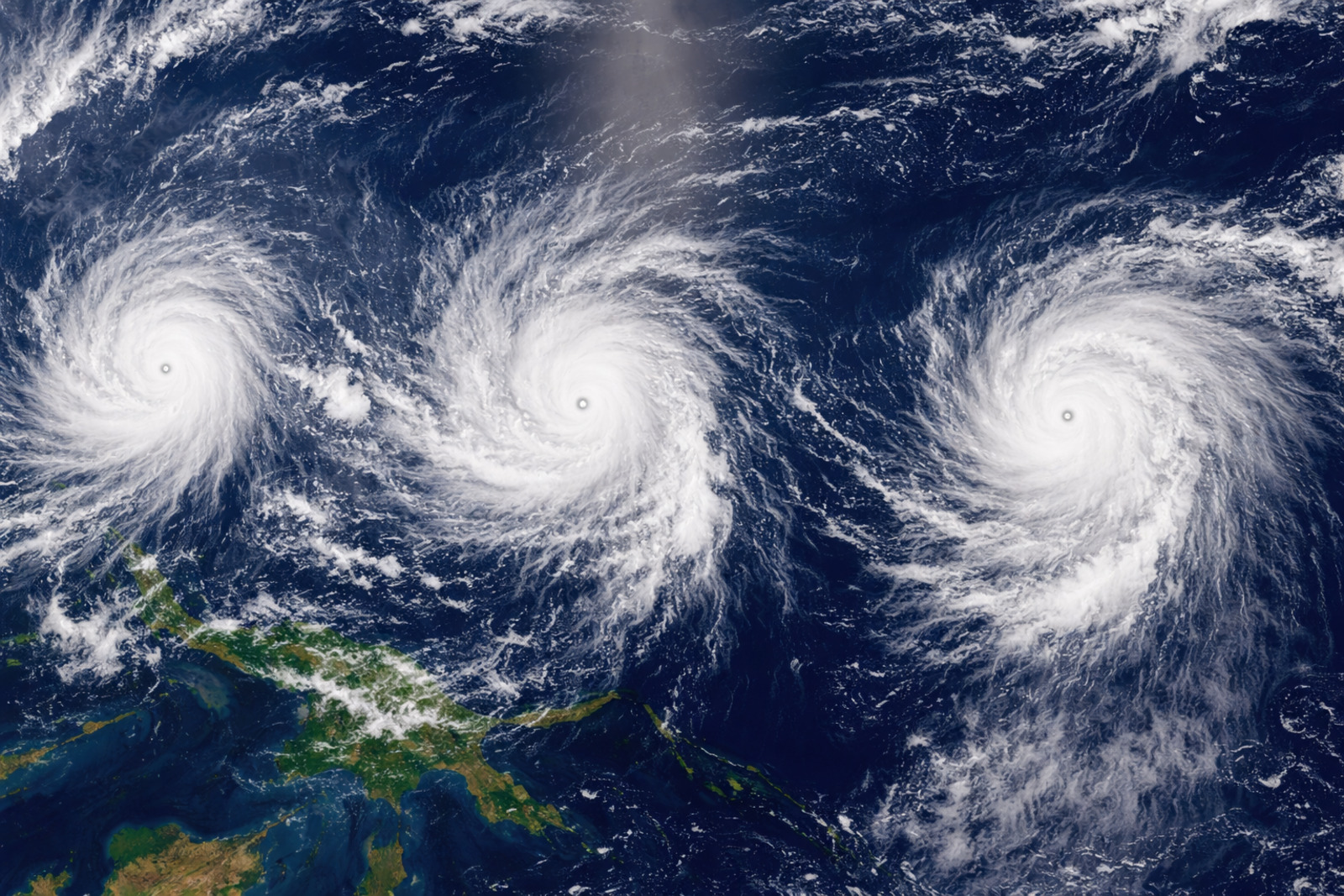
Extreme heat and drought waves are expected to afflict billions of people with a frequency five times greater by the end of the century!
-
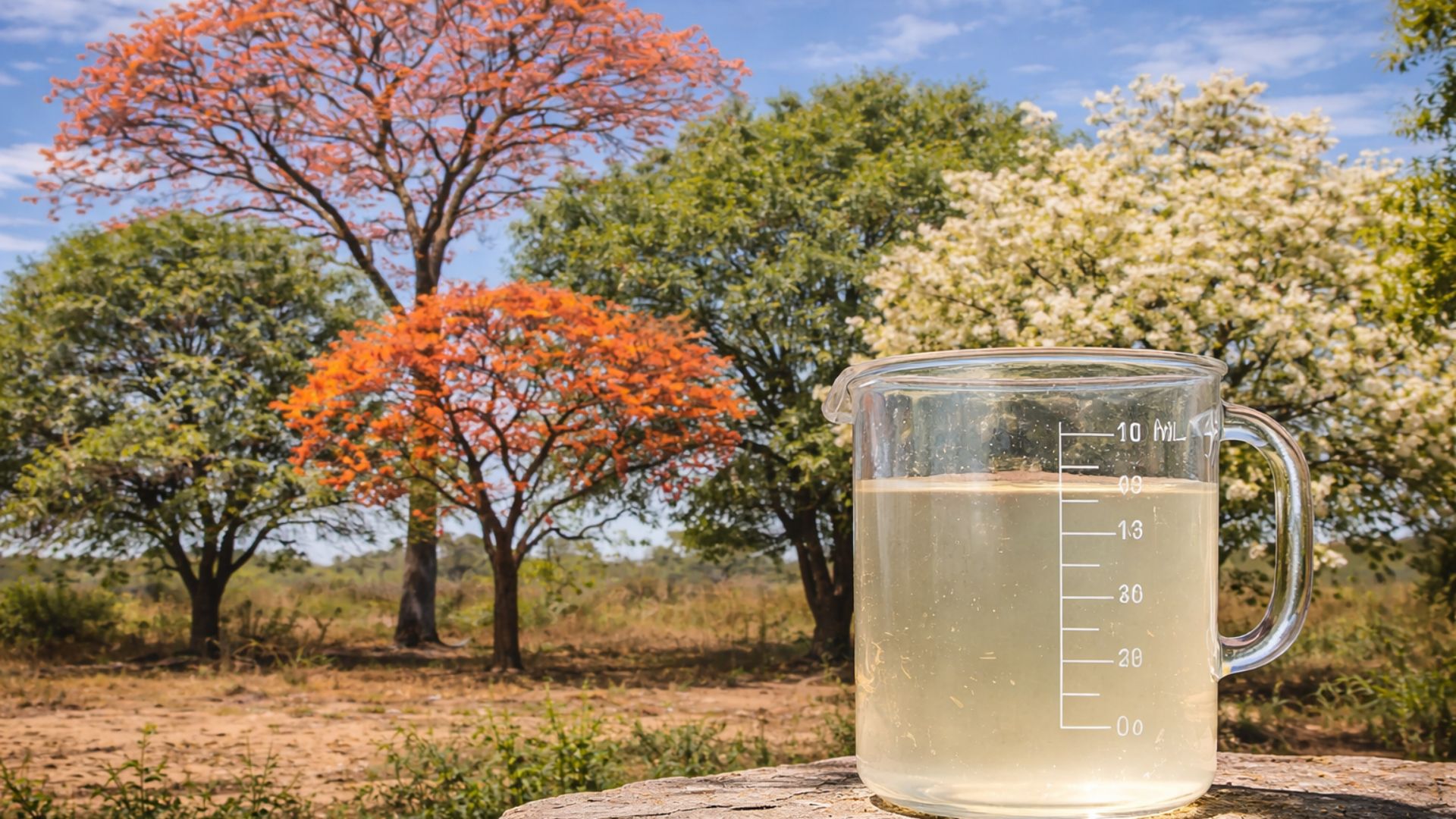
Brazilian biogel reduces water usage by up to 85% in firefighting and can transform the way wildfires are controlled in fields and forests.
-
Brazilian biogel reduces water usage by up to 85% in firefighting and could transform the way wildfires are contained in fields and forests.
The abundance of solar radiation in Northern Minas and the favorable terrain for Small Hydroelectric Plants (PCHs) transform the state into an exporter of clean energy to the rest of the country. This scenario attracts new factories seeking the sustainable production seal, generating jobs and income through the responsible exploitation of natural resources.
The prominence of solar energy in the mining territory
The electric matrix of Minas Gerais owes much of its recent success to solar photovoltaic energy. The state ranks at the top nationally in both centralized generation and distributed generation (those installed on the roofs of homes and businesses).
The Northern region and the Jequitinhonha Valley show solar irradiation rates comparable to the best deserts in the world, attracting billions in investments in solar farms.
Companies choose Minas Gerais for its legal security and tax incentives that facilitate the installation of panels. By 2026, solar technology is no longer just an alternative but the backbone of many mining cities.
Entire villages in the interior of the state now produce their own energy, reducing operational costs and allowing rural producers to invest more in irrigation and technology in the field.
Hydropower: The firm foundation of mining generation
Despite the advancement of solar energy, the power of water remains the foundation of the electric matrix of Minas Gerais. The state houses some of the country’s main plants and an extensive network of PCHs that ensure system stability when the sun sets.
The integration between sun and water works synergistically: during the day, solar plants meet demand, allowing hydropower plants to preserve reservoir levels.

This intelligent management of water resources increases the energy security of the National Interconnected System (SIN). Minas Gerais acts as the “water tank” of the Southeast, and the modernization of old turbines with more efficient models ensures that the state produces more energy with the same amount of water.
This operational efficiency keeps the state at the top of renewable productivity, thus attracting energy-intensive industries seeking cheap and constant energy.
The power of biomass and forest residue
Many are unaware, but biomass plays a strategic role in the electric matrix of Minas Gerais. The state leads in the production of charcoal and has a vast area of planted forests for the paper and pulp industry.
The residues from this process, such as branches, bark, and sawdust, feed boilers that generate electricity continuously.
Unlike solar, biomass provides firm energy, meaning it does not depend on momentary weather conditions. The sugar and alcohol industries in the Triângulo Mineiro also contribute significantly through the burning of sugarcane bagasse.
This diversification within the renewable spectrum prevents Minas Gerais from suffering from blackouts or instabilities, creating an energy protection network that few regions of the planet possess in 2026.
Real impact: More industries and green jobs
The fact that the electric matrix of Minas Gerais is 98% renewable acts as a magnet for international investments. Global automobile and technology factories now prioritize locations where the energy used in the production process has low carbon emission certification (I-RECs). Minas Gerais easily offers this guarantee.
The installation of these solar and wind plants in the interior of the state generates what we call “green jobs.” Maintenance technicians, electrical engineers, and automation specialists, for example, find opportunities outside the major capitals.

The income generated by leasing land for solar parks revitalizes local economies that previously depended solely on subsistence agriculture, promoting balanced and technologically advanced regional development.
The role of technology and data intelligence for the electric matrix of Minas Gerais
Maintaining a network with 98% renewable sources requires impeccable technological management. The intermittency of the sun needs real-time monitoring to avoid fluctuations in the grid. The state distributor and private generators invest heavily in artificial intelligence software to predict weather behavior and adjust the load instantaneously.
Smart sensors installed along transmission lines detect failures before they interrupt service. This modernization of the electrical infrastructure in Minas serves as a model for the rest of Brazil.
The use of “digital twins” allows engineers to simulate high-demand scenarios and ensure that the electric matrix of Minas Gerais supports the state’s economic growth over the next ten years.
Distributed Generation: The citizen of Minas as a producer
A crucial detail about the electric matrix of Minas Gerais involves the active participation of the common citizen. Minas Gerais leads in the number of connections for micro and minigeneration distributed. This means that homes, bakeries, gas stations, and small farms generate their own electricity.
This decentralization relieves the burden on large transmission lines and reduces energy losses that occur during long-distance transport. The consumer in Minas perceives the direct benefit in their pocket, with drastic reductions in their monthly electricity bill. In this way, this model creates a culture of energy efficiency, where the population understands the value of each kilowatt-hour produced by the sun hitting their own roof.
Challenges: Storage and Transmission in 2026
Despite the 98% mark, Minas Gerais faces challenges in achieving totality and maintaining stability. The major bottleneck in 2026 lies in energy storage. The state is beginning to deploy the first large-scale battery systems (BESS) to store excess solar energy from midday and use it during peak nighttime hours.
The transmission infrastructure also requires constant expansion. Transporting energy generated in the North to the major industrial hubs of the Metropolitan Region of Belo Horizonte requires new high-voltage lines.

The Minas government is speeding up environmental licensing processes while maintaining the necessary rigor, so that infrastructure projects keep pace with the speed of new solar and wind plant installations.
The environmental impact and the preservation of the Cerrado
The expansion of the electric matrix of Minas Gerais occurs with a keen eye on environmental preservation. The development of large solar parks in the Cerrado biome requires impact studies to protect local fauna and flora.
Modern projects utilize “agrivoltaics” techniques, where food production and solar energy generation occur on the same land.
This integration allows small producers to grow vegetables in the shade of solar panels, reducing water evaporation and improving crop yields. Minas Gerais proves that energy advancement does not have to destroy nature.
On the contrary, the revenue from clean energy finances spring recovery and reforestation projects, creating a positive cycle of conservation and economic progress.
Minas Gerais as the energy hub of Brazil
With 98% renewables, Minas Gerais becomes the main energy supplier for the National Interconnected System. In months of high solar radiation, the state sends excess energy to neighboring states like Rio de Janeiro and São Paulo.
This export capacity strengthens Minas’ public accounts and places the state in a strategic position in national infrastructure negotiations.
The state also attracts manufacturers of components for the renewable industry. Factories of inverters, solar trackers, and electrical cables establish their headquarters in Minas Gerais to be close to the largest consumer market in the country.
The complete production chain, from silicon to the delivery of energy at the consumer’s plug, gains strength in mining territory, consolidating the state as the capital of clean energy in Latin America.
The future of the electric matrix of Minas Gerais
The study indicating 98% renewable sources in the electric matrix of Minas Gerais marks a definitive turning point. The state demonstrates that the energy transition is possible, profitable, and beneficial for all of society. The union of sun, water, and biomass thus creates a resilient ecosystem that protects the people of Minas against international fossil fuel crises.
As we move towards 2026, Minas Gerais now focuses on reaching 100% and leading new frontiers, such as green hydrogen. Clean electricity ceases to be a distant goal and becomes the everyday reality that drives cities and the countryside.
The success of Minas serves as inspiration for other regions of Brazil and the world to accelerate their decarbonization plans, proving that technology and nature can work together to ensure a sustainable and prosperous future for the next generations.




Seja o primeiro a reagir!