Portuguese
 Spanish


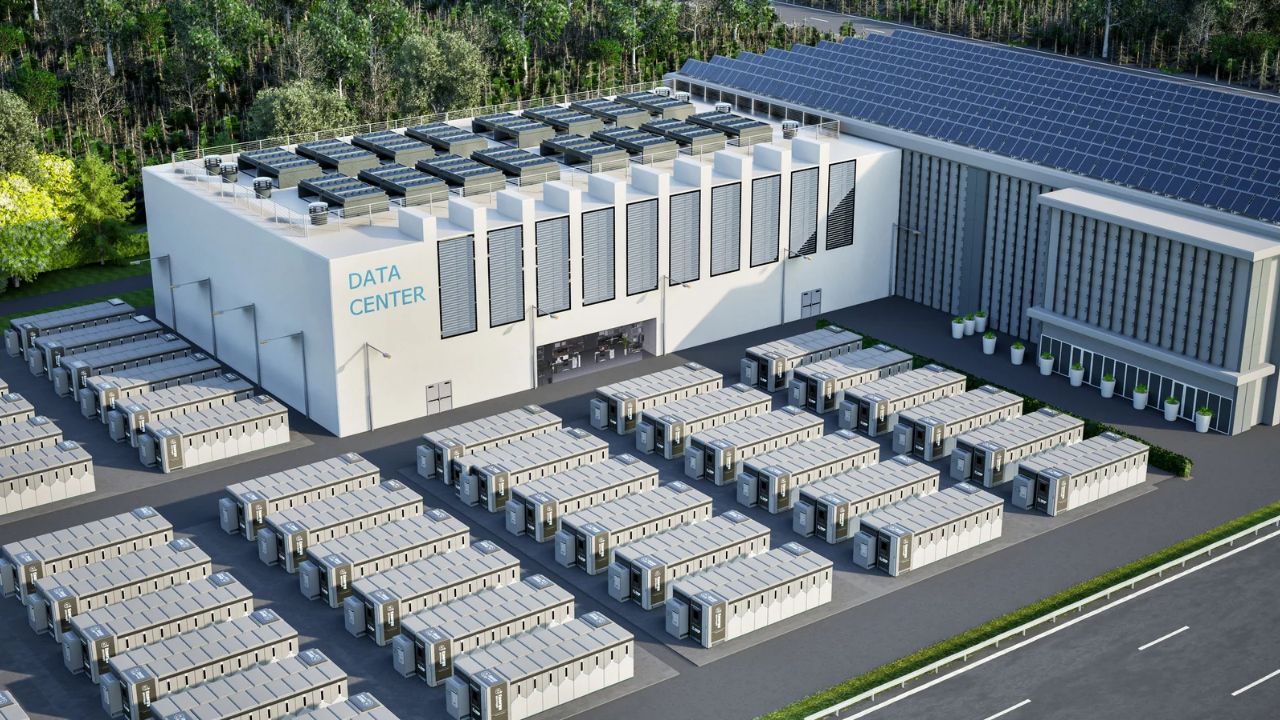

Energy storage projects using domestically made batteries may qualify for cheaper financing in December’s auctions under Brazilian Development Bank rules.
Brazil’s National Monetary Council (CMN) approved a cut in interest rates for financing from the National Climate Change Fund (Climate Fund) for energy storage projects using batteries made in Brazil at an extraordinary meeting held Thursday (26). Under the decision, the annual rate will fall from 6.5% to 3%, exclusively for projects eligible in the auctions scheduled for Dec. 2, 2026.
The Finance Ministry said the measure is intended to increase the domestic industry’s share of equipment supply to the sector and encourage the use of technologies manufactured in Brazil.
Batteries made in Brazil must meet Brazilian Development Bank requirements
The capacity reserve auctions scheduled for December aim to contract systems that can supply the power sector with electricity stored earlier. One of the planned auction categories will be for projects using equipment that meets domestic-content requirements.
-
Brazilian chipmakers project record R$14 billion revenue and R$1 billion investment in 2026

-
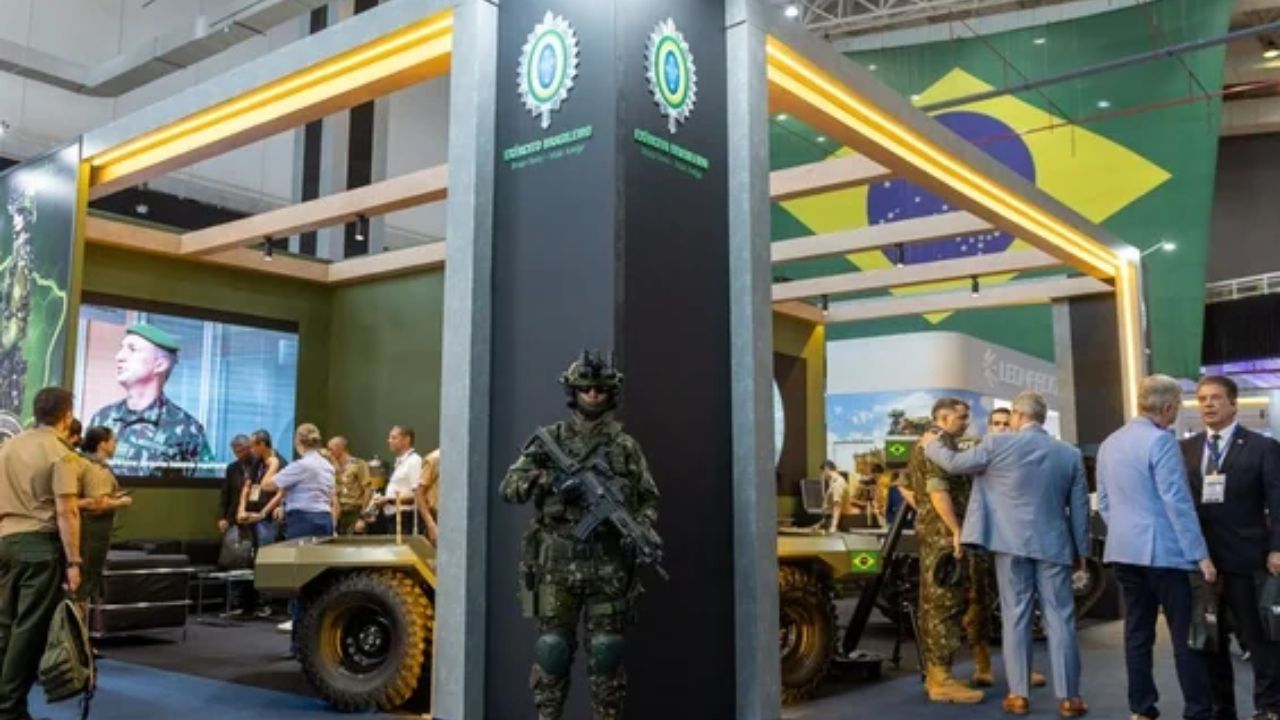
Brazil’s defense industry accounts for about 3.5% of GDP and more than 2.9 million jobs
-
Brazil reaches 103.7 million workers and records lowest unemployment rate in PNAD history
-
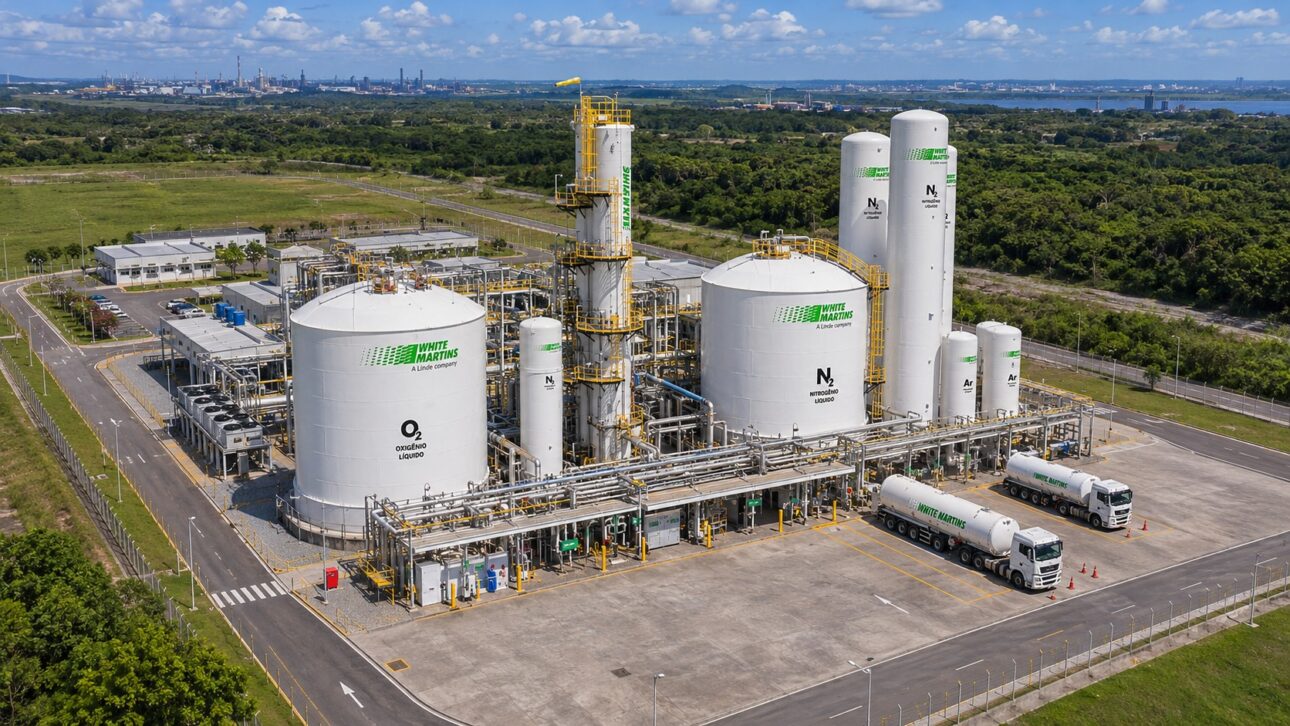
White Martins Invests R$100 Million in Pernambuco Plant, Doubles Oxygen Production, and Introduces New Technology to South America



To qualify for financing at the reduced interest rate, projects will have to use battery assemblies, known as packs, manufactured in Brazil in accordance with the localization rules of the Brazilian Development Bank (BNDES). Installing a system in Brazil alone will not be enough to qualify for the incentive.
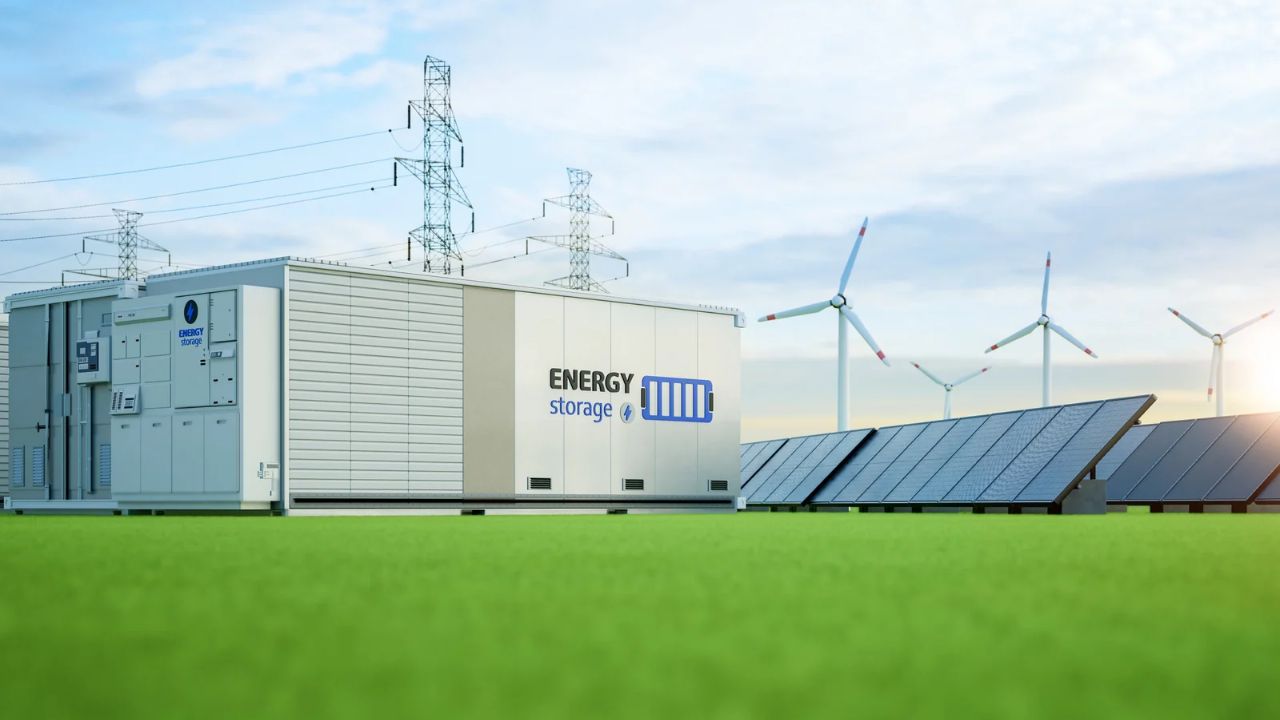
Energy storage relies on equipment with complementary functions, from converting electricity to controlling battery operating conditions. Key components include:
- Modules and packs: combine cells to increase storage capacity;
- Inverters: convert electricity to the different types of current used by the grid and batteries;
- Management systems: monitor equipment charge, temperature and voltage;
- Cells: store energy through electrochemical processes.
When charged, batteries store energy in chemical form until it needs to be converted back into electricity to supply the grid or directly serve a point of consumption.
The 3.5-percentage-point cut in interest rates could make these projects easier to finance. The measure will take effect when the resolution approved by the CMN, Brazil’s National Monetary Council, is published. The council is chaired by Finance Minister Dario Durigan and also includes Central Bank President Gabriel Galípolo and Planning and Budget Minister Bruno Moretti.