Portuguese
 Spanish




Analysis using ANP data projects average output of 4.4 million barrels per day in 2026, with about 80% coming from the Santos Basin presalt.
The Santos Basin presalt made Brazil the world’s largest offshore oil producer. The country is expected to close 2026 with average output of about 4.4 million barrels of oil per day (b/d). Nearly 80% of that volume comes from the Santos presalt.
The study was written by Mark J. Kaiser, a professor at Louisiana State University’s (LSU) Center for Energy Studies. It is the first in a series of five articles on Brazil’s offshore sector. Production data come from the National Agency of Petroleum, Natural Gas and Biofuels (ANP), Brazil’s oil and gas regulator. Reserve data come from Petrobras.
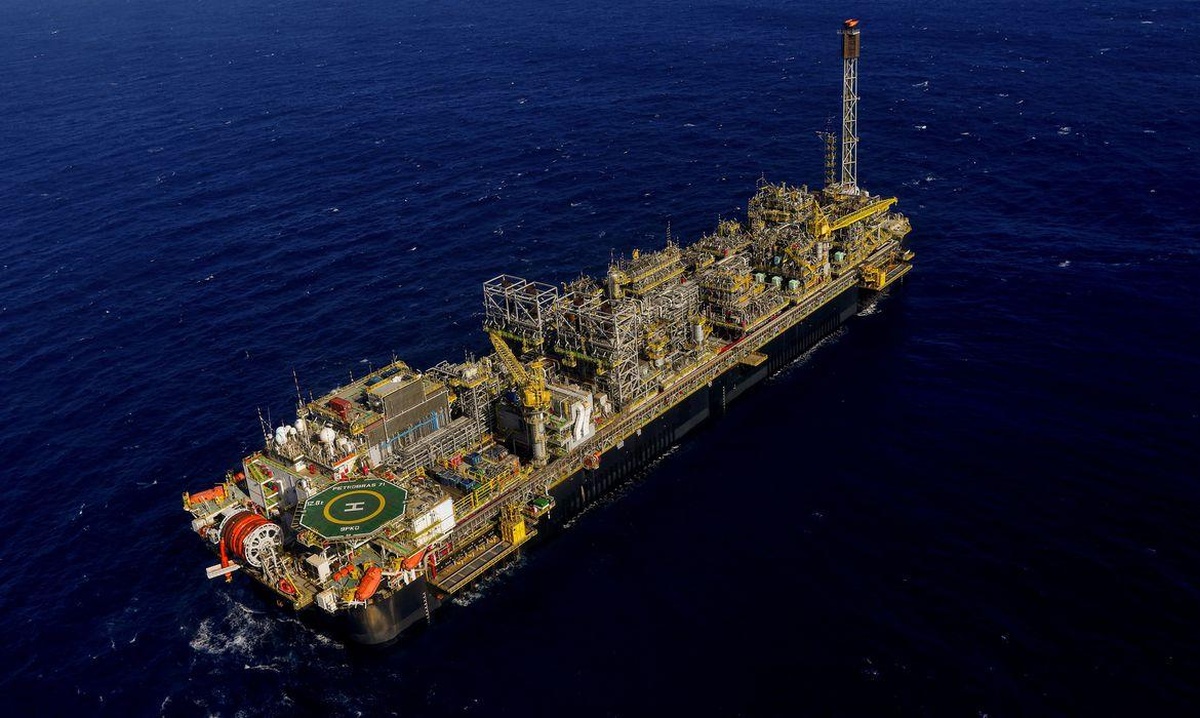
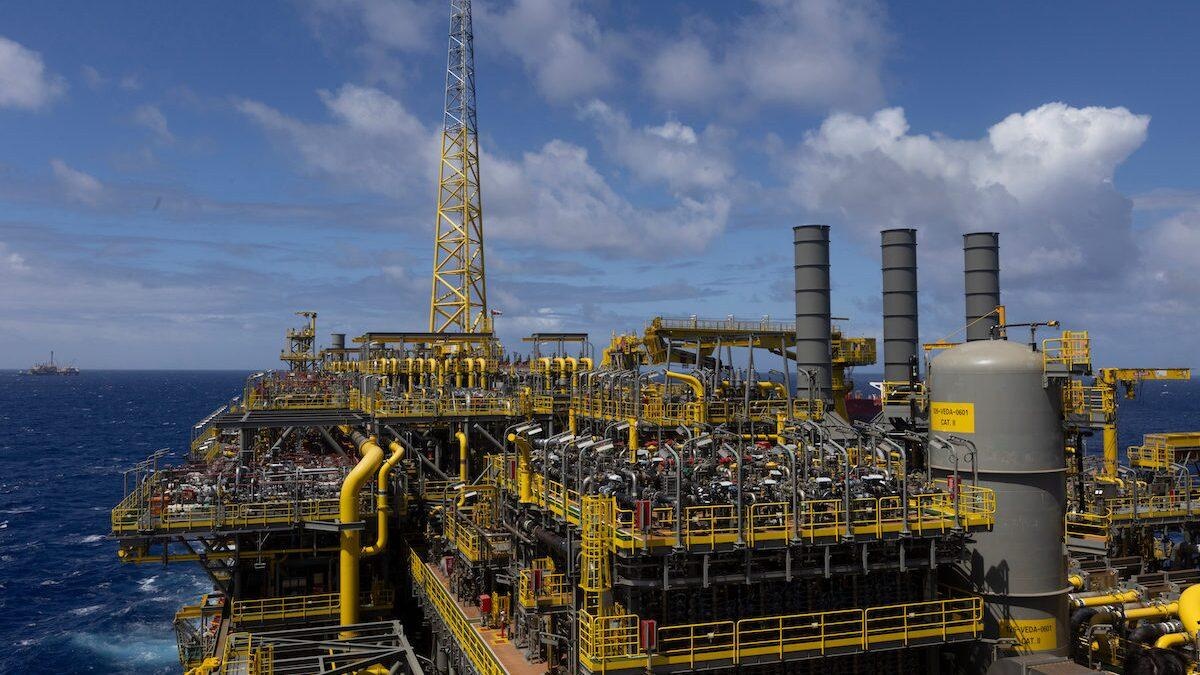
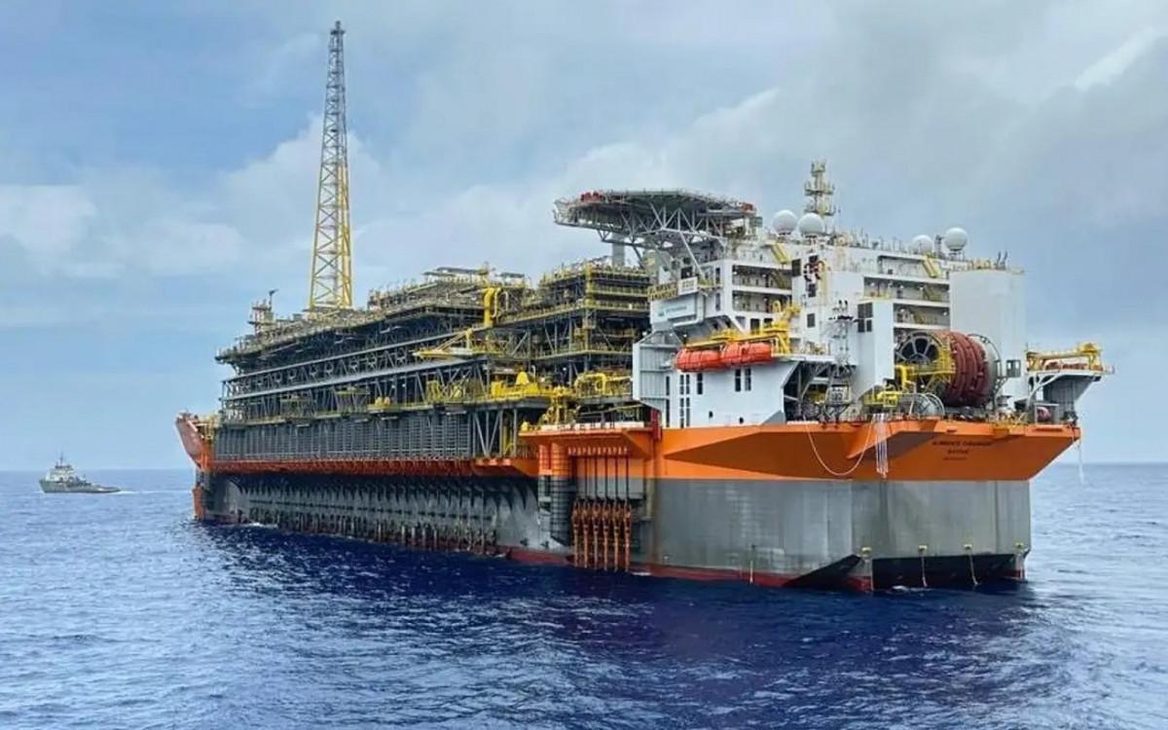
Brazil also has the world’s largest fleet of FPSOs. FPSO stands for floating production, storage and offloading unit.
-
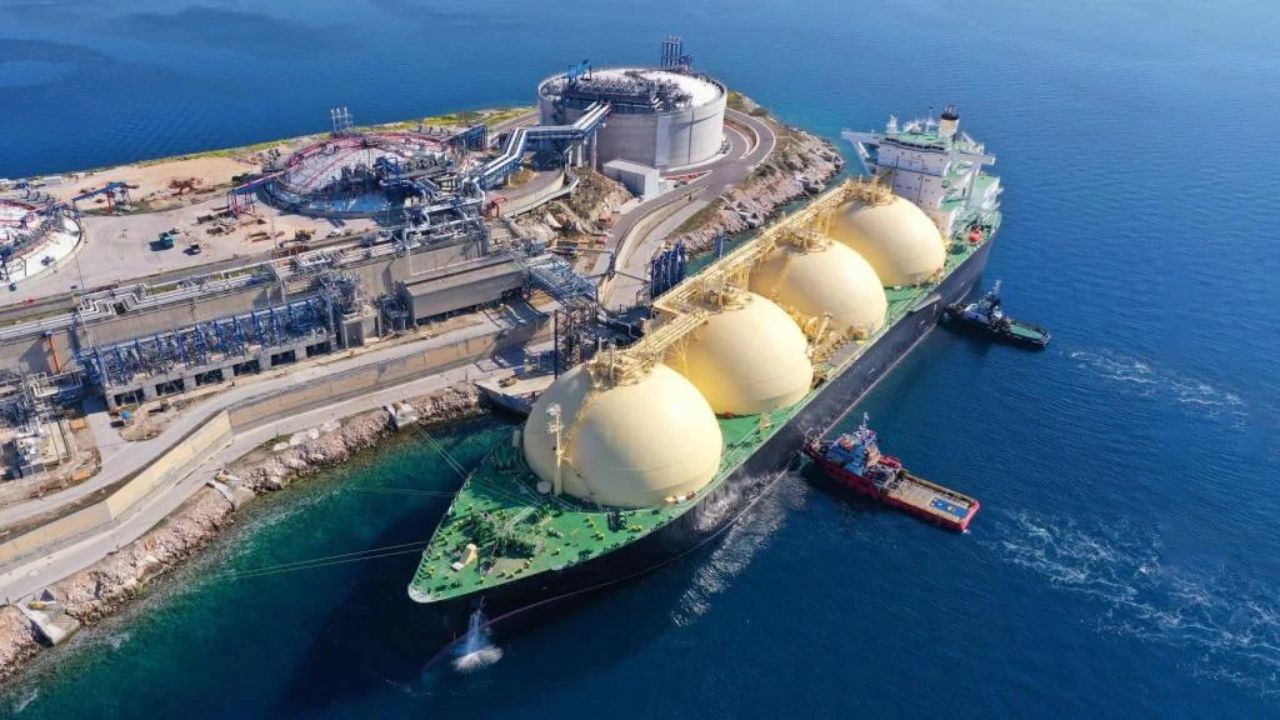
Australia approves reserve of up to 20% of exported gas, changing rules for LNG giants

-
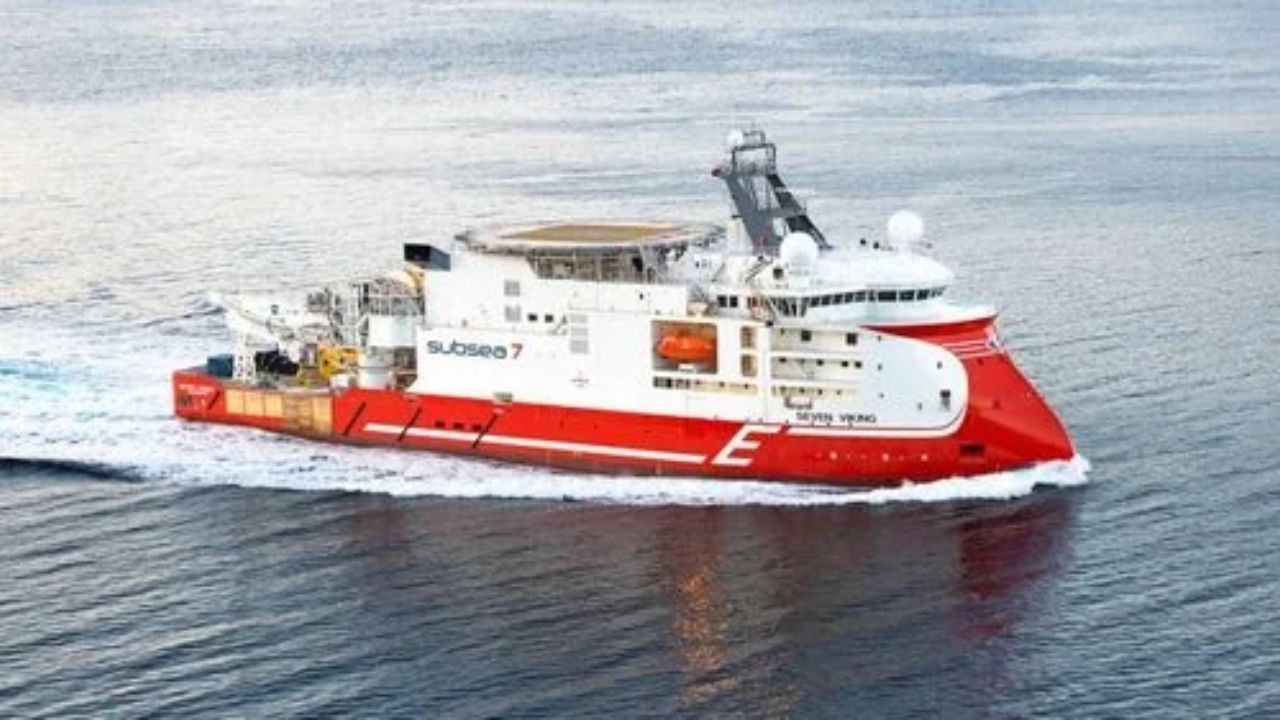
Subsea7’s 13-year-old Seven Viking secures another year of Equinor work in the North Sea under a contract worth up to $150 million through 2028
-
Oil prices rise again after attack hits 400,000-barrel-a-day refinery as OPEC decision nears
-
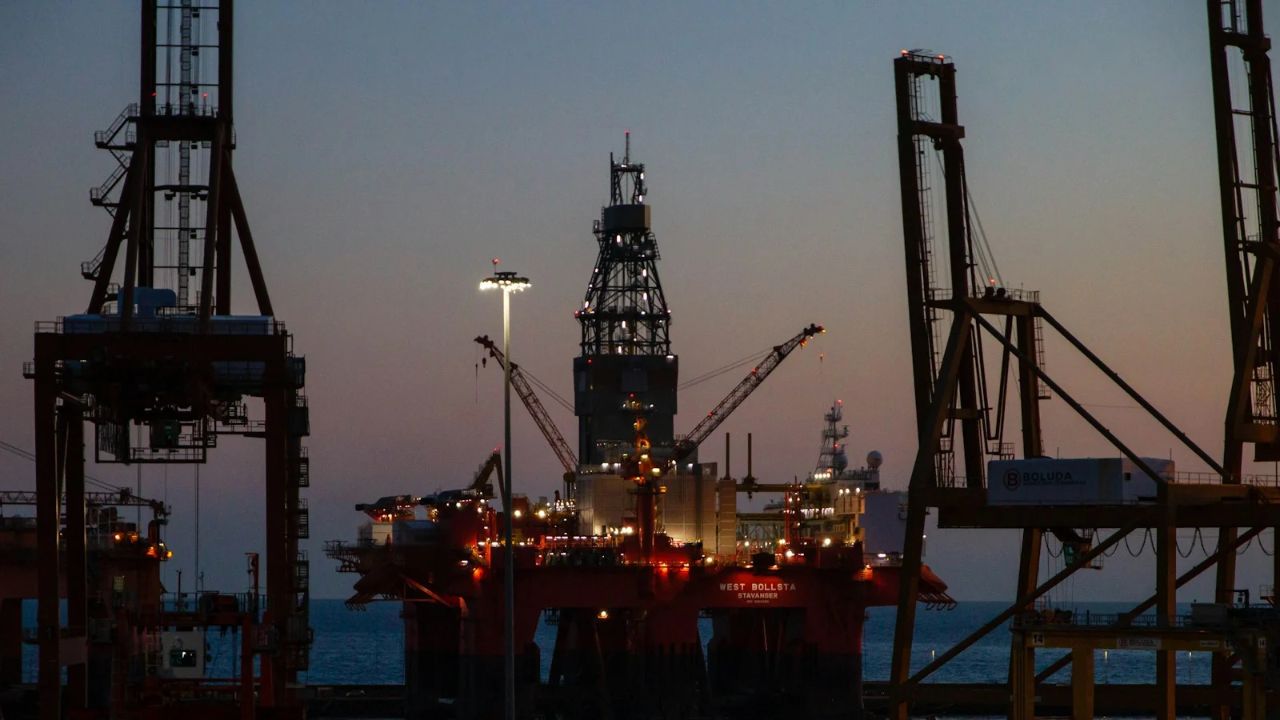
Two Petrobras rigs idled in Guanabara Bay push Ventura Offshore from a $20.4 million profit to a $12.6 million loss

Brazil’s oil production rose from 1.2 million barrels per day in 2000 to 4.5 million in July 2026
The production curve shows how output shifted to a higher level. In 2000, the country produced about 1.2 million b/d. In 2025, average output reached 3.8 million b/d.
The presalt accounted for nearly all of that growth. Production from the layer was virtually zero in 2010 and topped 3.5 million b/d in 2026. In July 2026, the presalt produced about 3.73 million b/d, according to the ANP. National output totaled 4.5 million b/d.
The Campos Basin followed a different path. Fields in the region are in decline and undergoing revitalization projects. Brazil began producing offshore there, at the Enchova field, in 1977.
Natural gas production rose alongside oil output. It increased from about 36 million cubic meters per day (m³/d) in 2000 to 200 million m³/d in 2025. The estimate for 2026 is about 210 million m³/d.
Nearly half of Brazil’s natural gas production is reinjected, and only a fraction is sold
The most striking figure in the analysis concerns what happens to that gas. Nearly all of Brazil’s gas is associated gas, meaning it comes out of the well along with oil. The two cannot be extracted separately.
Between 45% and 50% of the gas produced in recent years was reinjected into reservoirs, according to ANP figures cited by Kaiser. Another 8% to 12% was consumed as fuel on the platforms themselves. Between 2% and 4% was flared or lost.
As a result, the gas available for export from the units typically accounts for 40% or less of the total. Elsewhere in the article, the author says “about one-third” reaches the market. Reinjection gained momentum around 2015.
The two volumes move together. Kaiser fitted a statistical model to data from 2000 to 2025. The coefficient of determination (R²) between oil and gas was 0.97. According to the model, each additional 1 million b/d of oil brings about 61 million cubic meters per day of gas.
Gas-oil ratio has risen 2% a year since 2000, the analysis finds
Another metric tracked in the study is the gas-oil ratio (GOR). It measures how many cubic feet of gas come up with each barrel of oil. The higher the ratio, the more gas a platform must process, reinject or route elsewhere.
In Brazil, the average GOR rose from 1,059 cubic feet per barrel in 2000 to 1,642 in 2025, an increase of about 2% a year. Under the classification used by the author, values below 2,000 correspond to so-called “black oil,” or conventional oil.
The country therefore remains in this range. New gas projects, however, are being developed with much higher ratios, as planned platforms in the Campos and Sergipe-Alagoas basins show.
Brazil’s proven oil reserves reach 17.5 billion barrels, the highest level on record
Reserves grew alongside production. In 1975, Brazil had less than 1 billion barrels of oil and 26 billion cubic meters of gas. In the early 2000s, proven reserves stood between 8 billion and 9 billion barrels. By the end of 2009, they had reached 13 billion.
The discovery of the presalt in the Santos Basin began in 2006. At the end of 2025, proven reserves totaled 17.5 billion barrels of oil. Gas reserves reached 573 billion cubic meters, or about 20.2 trillion cubic feet. That is the largest volume of reserves ever recorded in the country.
The industry divides reserves into three categories. Proven reserves (1P) have a high degree of certainty of recovery. Proven plus probable reserves (2P), and proven, probable and possible reserves (3P), expand the estimate with a lower degree of certainty.
Under the 2P measure, Brazil has 24.3 billion barrels. Under 3P, it has 28.9 billion. Proven plus probable gas reserves total 24.5 trillion cubic feet.
Production in 2026 is expected to draw about 1.6 billion barrels from those reserves. Recoverable presalt volumes are estimated at about 40 billion barrels of oil equivalent (boe). Optimistic estimates put the figure at 100 billion boe.
Kaiser also notes two changes in methodology. Reserves began following SPE/WPC criteria in 1990. ANP Resolution No. 47/2014, issued by Brazil’s oil regulator, caused a break in the series around 2015.
Búzios, Tupi and Mero hold most of the presalt’s recoverable oil
Búzios is the largest, with 9 billion to 11 billion recoverable barrels. Three new floating production, storage and offloading units are expected to begin operating in the field in 2027.
Tupi began producing in 2009, alongside Iracema. Its estimated recoverable reserves are 7 billion to 8 billion barrels, of which about 4 billion have already been produced.
Mero, in the Libra area, has 4 billion to 6 billion recoverable barrels. The field operates with four large floating production, storage and offloading units and uses subsea separation.
Atapu and Sépia make up the next group. Atapu has about 1.8 billion barrels remaining, and Sépia about 1.5 billion. Both are expected to receive new floating production, storage and offloading units between 2029 and 2030.
Petrobras operates 17 of the 20 largest fields, while Shell leads among foreign producers
Petrobras produced about 2.51 million b/d in October 2025. The state-controlled company operates 17 of the country’s 20 highest-producing fields.
Among foreign producers, Shell leads with 413,000 b/d. It is followed by TotalEnergies (189,000 b/d), China’s CNOOC (145,000 b/d) and Petrogal, part of Galp (98,000 b/d).
The race for second place is expected to intensify. Kaiser says CNOOC and TotalEnergies are likely to compete for the spot as Búzios ramps up production.
The consortia show each partner’s stake. At Búzios, Petrobras holds 89%, CNOOC Petroleum Brasil 7.3% and CNODC Brasil 3.7%. At Tupi, the state-controlled company holds 65%, Shell 25% and Petrogal 10%.
At Atapu, Petrobras holds 73.24%, Shell 15.917% and TotalEnergies 9.843%. At Sépia, Petrobras holds 30%, TotalEnergies 28%, and Petronas and QatarEnergy each hold 21%.
U.S. oil companies have a smaller presence. ExxonMobil’s main producing asset is Bacalhau, and the company holds exploration blocks in several basins. Chevron sold Frade, now operated by PRIO, and is focused on exploration. Murphy Oil maintains a small exploration portfolio.
World’s largest offshore oil producer could reach 5 million barrels per day by 2030
For the coming years, the analysis projects offshore oil production of 4.8 million to 5 million b/d between 2028 and 2030. Petrobras plans to invest about US$70 billion in exploration and production from 2026 to 2030. Nearly two-thirds of that amount will go to the presalt.
The state-controlled company itself projects production of about 2.7 million b/d in 2028.
Natural gas projects at Raia and Sergipe-Alagoas aim to bring more gas to shore
The next gas projects follow a different model from the Santos presalt. The closest example is Raia, in the Campos Basin. Equinor and Repsol Sinopec each hold a 35% stake, while Petrobras holds 30%.
The project has more than 1 billion boe in recoverable resources and an investment of about US$9 billion. First production is expected in 2028. The floating production, storage and offloading unit will process the gas offshore to sales specifications.
The gas will then travel through a pipeline about 200 kilometers long to Cabiúnas. The unit will have capacity for 126,000 b/d of oil and 16 million m³/d of gas. The projected effective gas-to-oil ratio is 4,480 cubic feet per barrel.
In the Sergipe-Alagoas Basin, Petrobras is operating the SEAP-1 and SEAP-2 projects, with the P-81 and P-87 platforms. SBM Offshore was awarded the contracts, which were signed in May 2026.
SEAP-2 is expected to begin operating in 2030, with capacity for 120,000 b/d of oil and 12 million m³/d of gas. SEAP-1 is scheduled for 2031, with capacity for 120,000 b/d and 10 million m³/d.
Together, the two projects total more than US$11 billion in investment and more than 1 billion boe. The gas export pipeline, however, still faces regulatory uncertainty.